Moscow Polytechnic Developing AI System to Predict Power Grid Failures
The platform is designed to prevent outages and optimize fuel use.

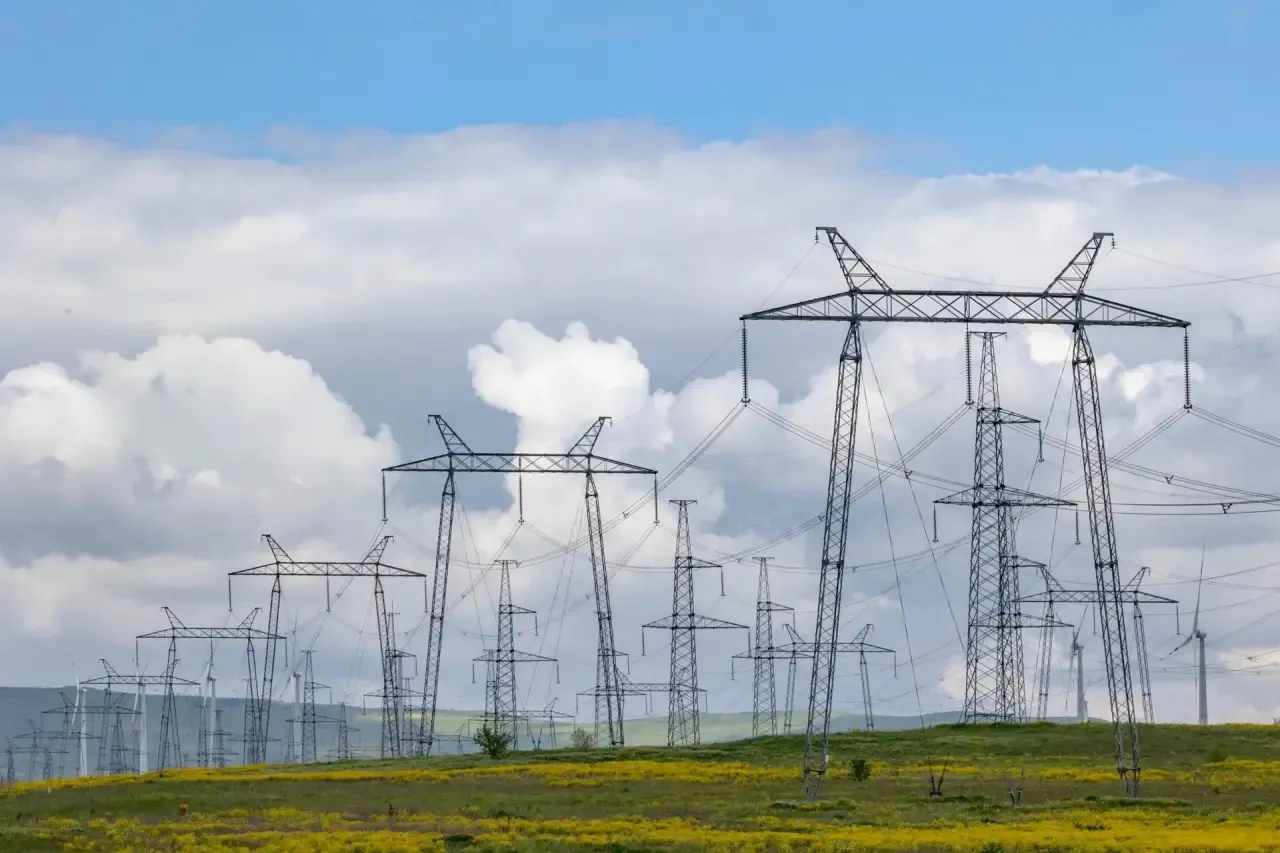
Researchers at Moskovskiy Politekhnicheskiy Universitet (Moscow Polytechnic University) are developing an artificial intelligence–based energy grid management system aimed at forecasting accidents and improving fuel efficiency. The university’s press service shared details with the state news agency TASS.
Big Data Analysis and Forecasting
The AI will analyze extensive datasets on energy systems in real time. Algorithms will process information about equipment performance, load levels, energy consumption, and other operational parameters. Based on this data, the system will forecast demand for energy resources, detect anomalies in equipment operation, and issue early warnings about potential failures.
The system is designed to act proactively. Deviations from normal indicators will serve as early signals of possible malfunctions, allowing operators to prevent accidents before they occur. Another core function is to fine-tune grid operations. To reduce transmission losses and cut fuel consumption, neural networks will redistribute power flows and balance loads. The platform will independently plan capacity utilization based on consumption forecasts and the current state of equipment.
Adaptive Algorithms
The developers plan to test the system on real-world sites - sections of energy networks overseen by the Moscow Analytical Center for Urban Economy. According to Kolishchak, the platform will be trained to work with various types of energy facilities, from boiler houses and heating substations to transformer substations. The algorithms will adapt to the specifics of each facility, taking into account technical characteristics, operating modes, and load patterns. This flexibility is essential, as energy infrastructure is heterogeneous - with equipment from different production years operating under varying conditions and capacities.
Implementing such a system is expected to reduce the number of accidents and unplanned equipment shutdowns. Optimizing grid operations could also save fuel and lower transmission losses, a particularly pressing issue for large urban energy systems.
If trials are successful, the developers plan to scale the system to other regions.
Earlier, we reported that in the Vladimir region, a digital Sistema Monitoringa Zapasov Ustoichivosti (SMZU; System for Monitoring Stability Margins) was introduced into the energy grid. The software and hardware platform calculates available transmission capacity in real time and helps optimize power plant operating modes.