New-Generation Robot Under Development in Siberia
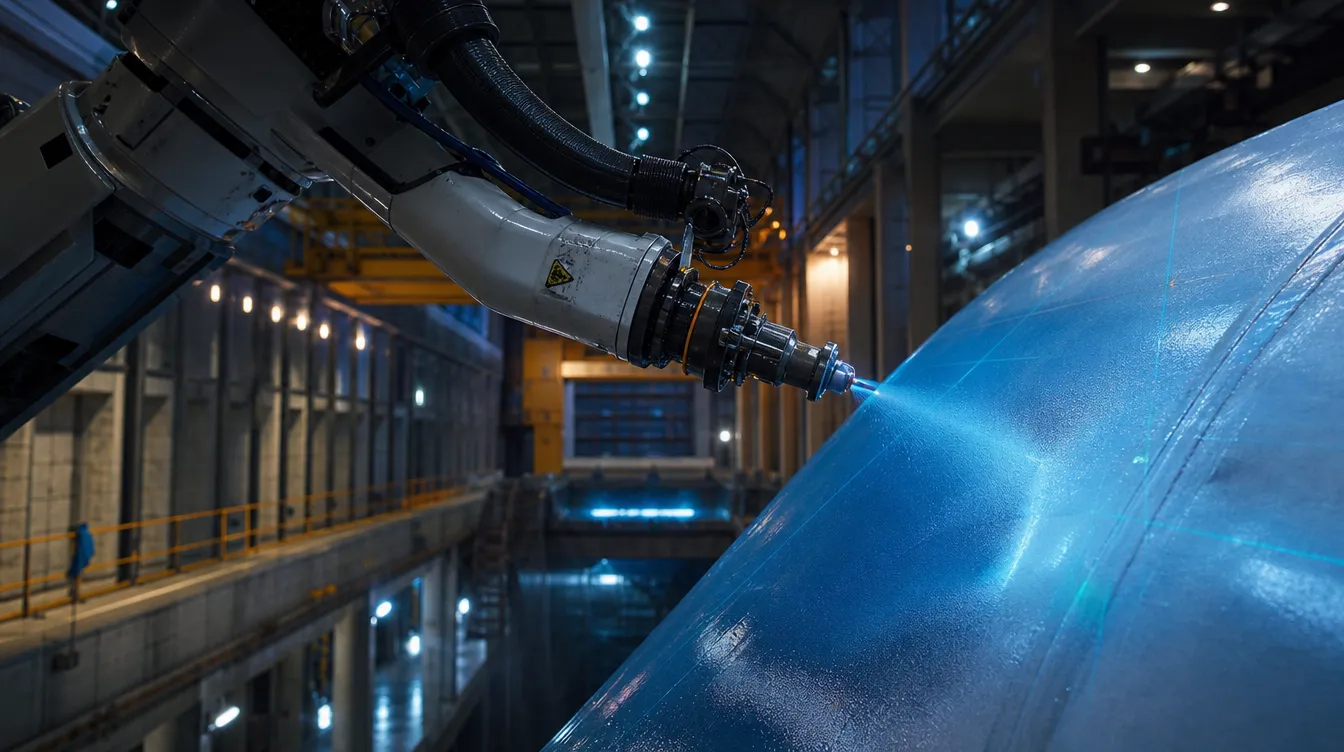
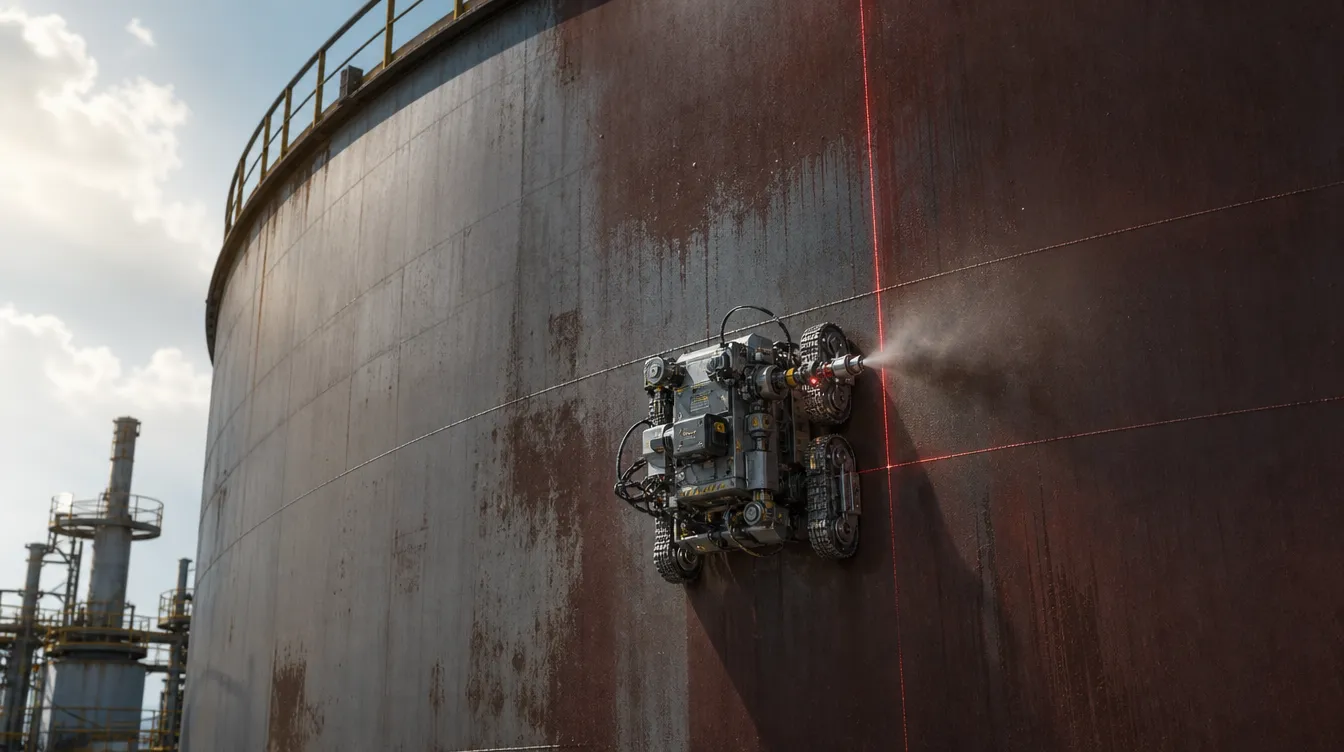
Researchers at Irkutsk National Research Technical University (IRNITU) have begun developing an innovative mobile robot designed to perform comprehensive corrosion protection on industrial storage tanks.
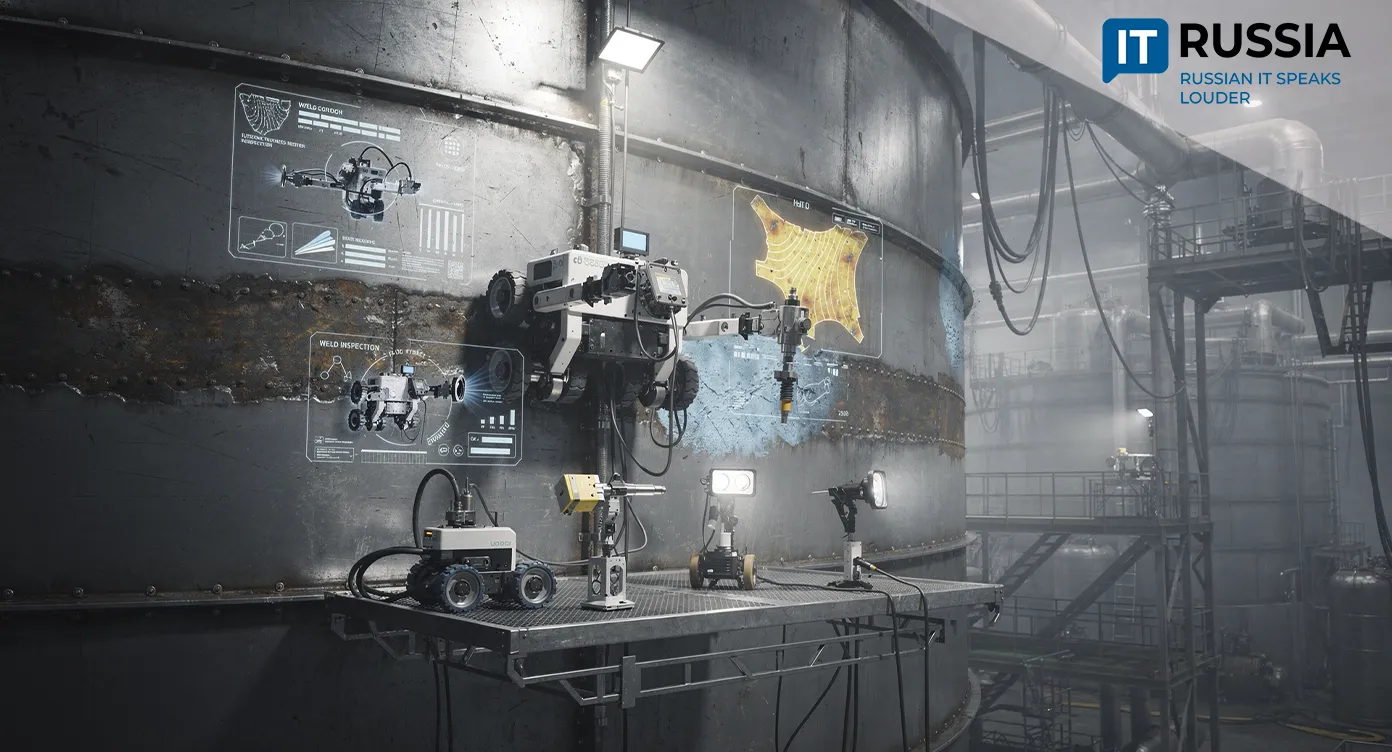
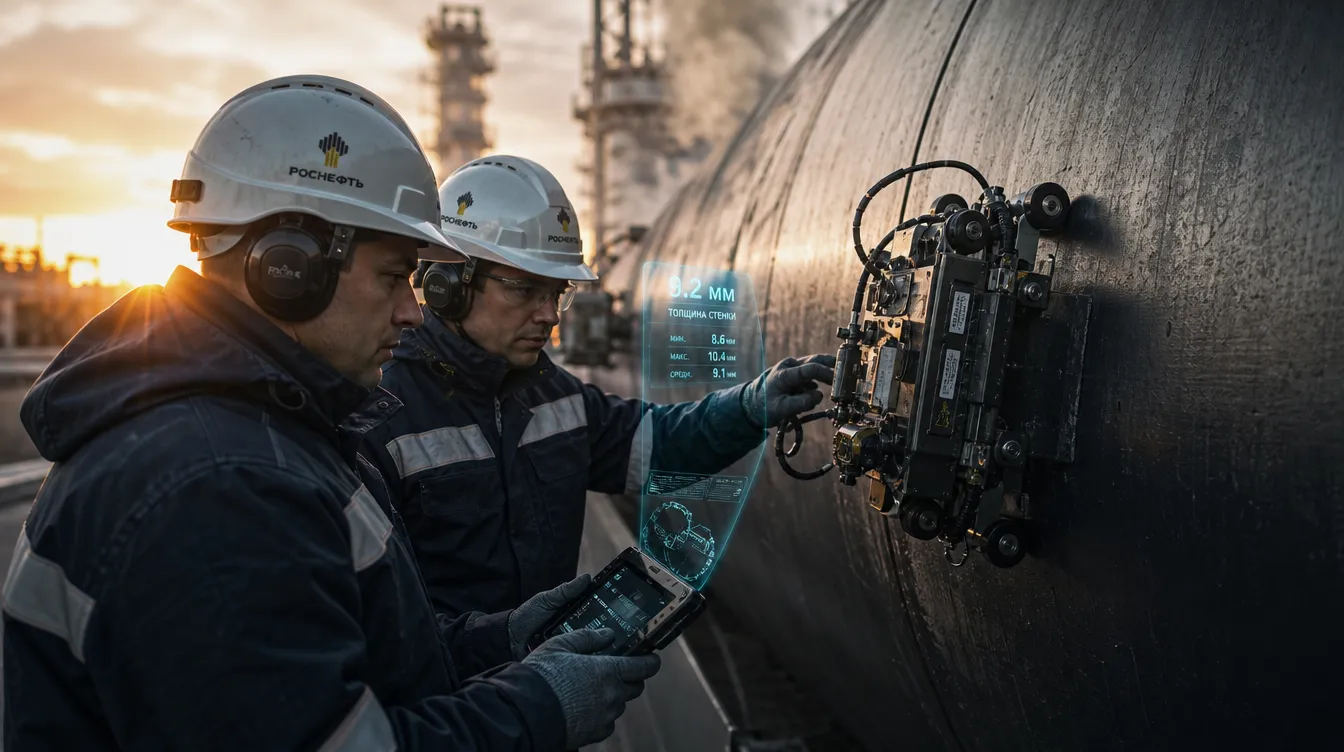
The project's distinguishing feature is its modular architecture, which builds on IRNITU's successful magnetic inspection robot that proved its effectiveness during trials at the Bratsk Hydroelectric Power Plant. The autonomous machine can detect defects, measure the remaining thickness of metal, and assess weld quality. The new platform will accommodate interchangeable functional modules for a wide range of tasks, including abrasive blasting, mechanical surface preparation, priming, painting, thickness measurement, visual inspection, and other industrial operations. According to the developers, a robot built on this architecture will replace competing systems, cost 30% to 50% less, and be serviced entirely within Russia.
Industry Is Looking for End-to-End Solutions
Market trends reinforce the relevance of IRNITU's development. In 2019, Roman Empire introduced the explosion-proof LUNAR ROVER robotic system, a hydraulically driven unit equipped with oil sludge washing and recovery systems for storage tanks in hazardous environments. In 2024, Skart-Service unveiled a robotic complex for cleaning vertical steel storage tanks of petroleum deposits. The system includes a remotely operated cleaning robot along with sludge cleaning, separation, and dewatering modules. In 2025, Diakont introduced new wireless wheeled robots capable of measuring wall thickness, detecting corrosion, dents, and weld defects using magnetic inspection methods, providing operators with a comprehensive picture of pipeline condition.
St. Petersburg State Transport University and Robokont also introduced a ground robot equipped with magnetic wheels for inspecting steel structures. Its modular platform allows operators to reconfigure the system for different tasks by installing nondestructive testing equipment, including thickness gauges and other sensors.
IRNITU's development will differ fundamentally from these existing systems by combining full-scale corrosion protection and nondestructive inspection on a single universal modular platform, covering the entire maintenance cycle.
Building a Strong Foundation for Future Breakthroughs
The IRNITU project is being developed within the university's startup studio, established in 2022 under the federal Platforma universitetskogo tekhnologicheskogo predprinimatelstva (University Technology Entrepreneurship Platform) project. Its mission is to help students and early-career researchers turn scientific ideas into viable businesses. Projects are selected through the Studenchesky startup (Student Startup) competition, where winners receive grants of 1 million rubles (approximately $12,700).
Between 2022 and 2026, more than 9,000 projects received grants, with total funding exceeding 9.2 billion rubles (approximately $117 million). Today, 152 accelerators and startup studios operate across Russian universities, helping research teams and student entrepreneurs refine products, build industry partnerships, and bring technologies to market. IRNITU's startup studio works with partners including the My Business Center, the Strategic Development Foundation, and the Baikal Research and Education Center. Potential investors include Transmashholding, Irkutsk Relay Plant, En+ Group, EMERCOM of Russia, Pharmasyntez, Trud JSC, ALROSA PJSC, KAMAZ PJSC, NPO Saturn (Rybinsk), and UEC-Aviadvigatel PJSC. The studio specializes in biomedical and biosynthetic technologies, IT systems, and environmental monitoring solutions, creating a strong foundation for future breakthrough technologies.
Key Industries Are Betting on Robotics
IRNITU's startup studio portfolio includes more than 14 projects focused on import substitution and industrial modernization. Together with the Irkutsk Aviation Plant and the Ulan-Ude Aviation Plant, the university is developing methodologies and specialized software for creating digital twins of aircraft components and managing aerospace manufacturing processes. Equipment developed by the university's Comprehensive Technologies and Equipment research school for forming and straightening metal parts is already being introduced into industrial production. The studio also supports projects applying AI in specialty chemicals to optimize formulations and control reactors. In the mining sector, teams are developing technologies to improve gold recovery and identify more efficient ore-processing methods. Another project in the portfolio focuses on manufacturing spiral-wound PVC polymer hoses widely used in residential, commercial, and industrial applications for transporting liquids and gases.
With Russia aiming to rank among the world's top 25 countries in robot density by 2030, demand for robotics continues to grow. Companies in the oil and gas, mining, and energy sectors are seeking technologies that reduce risks for personnel while improving operational efficiency. IRNITU's startup studio functions as a true R&D center, transforming scientific ideas into commercial products. Against that backdrop, the university's mobile robot project appears well positioned for broad industrial adoption.