Polyus Brings Digital Management to Critical Water Infrastructure
Gold mining company Polyus is deploying an automated diagnostic monitoring system for hydraulic structures that combines intelligent sensors, real-time data collection, and digital twins.
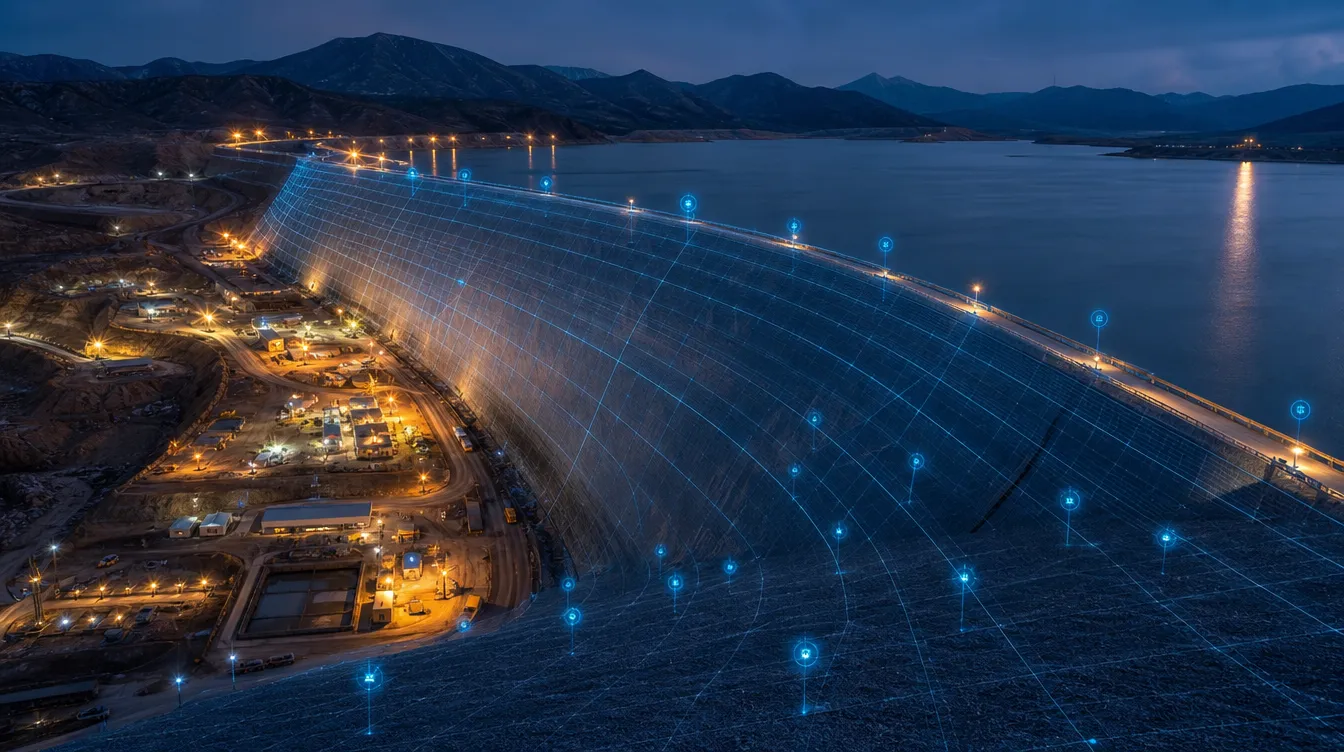
Today, the mining industry's approach to hydraulic structure safety continues to be shaped by the 2019 tailings dam failure at a Western mining company. The disaster prompted a worldwide reassessment of the risks associated with such facilities, whose failure can lead not only to severe environmental damage but also to major financial losses and long-term reputational consequences for mining operators.
The Evolution of Digital Monitoring
Positioning itself as a responsible mining company and a participant in developing global standards for hydraulic structure safety, PJSC Polyus is taking oversight of its hydraulic infrastructure to a new level. The company began developing its monitoring system in 2019, and the platform entered operation in the spring of 2023. The Olimpiadinsky Mining and Processing Plant (GOK) became the pilot site, marking Russia's first implementation of a specialized monitoring and management system for tailings storage facilities.
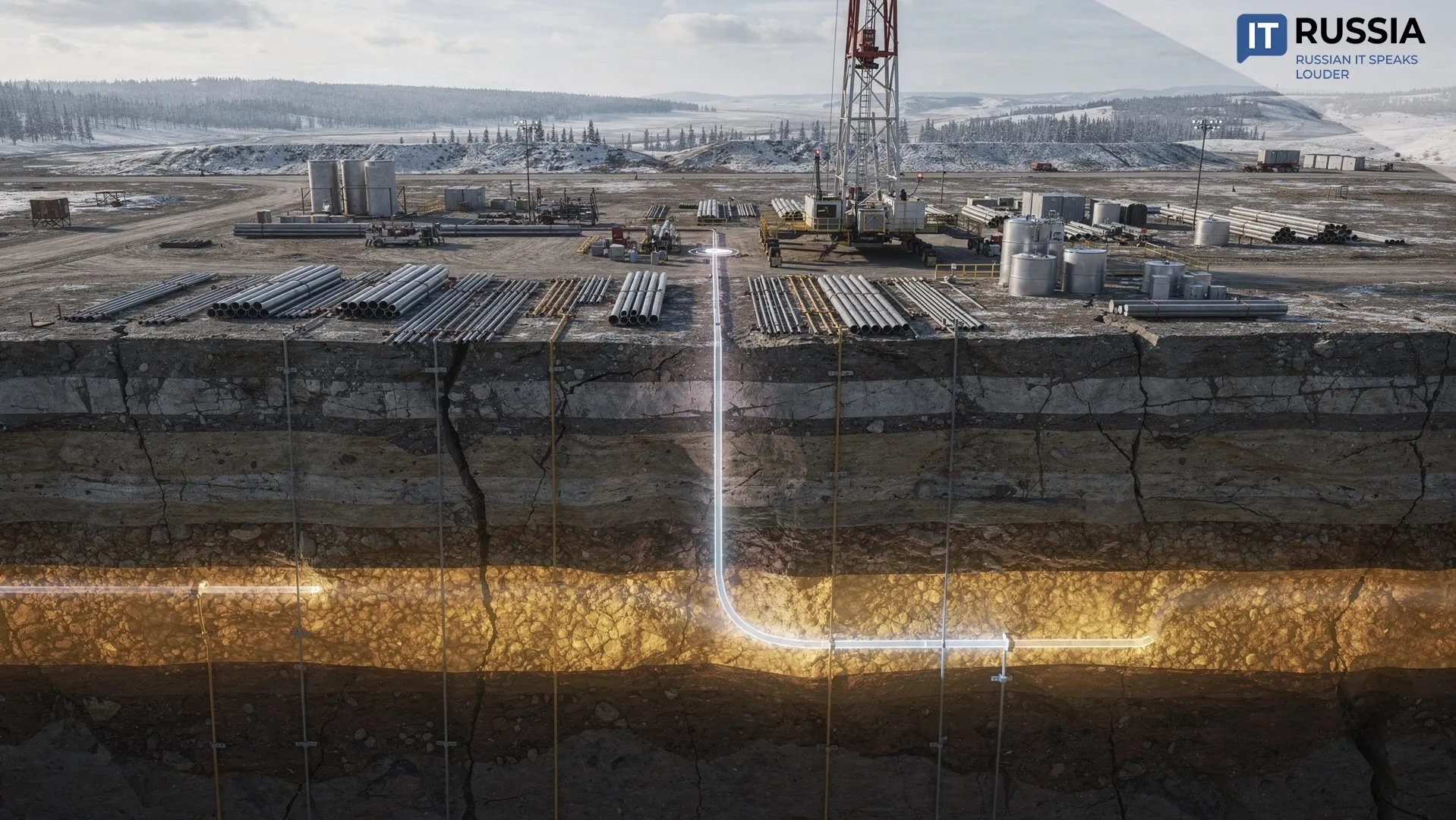
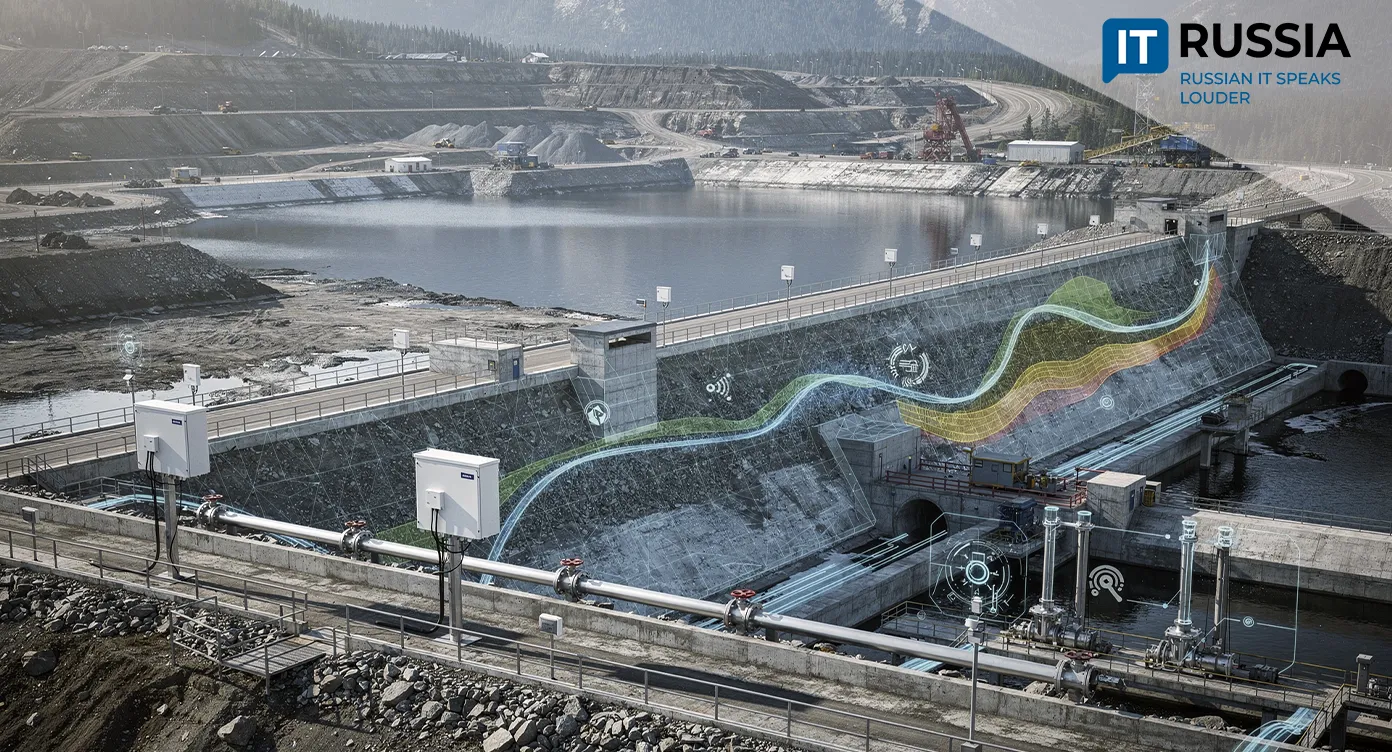
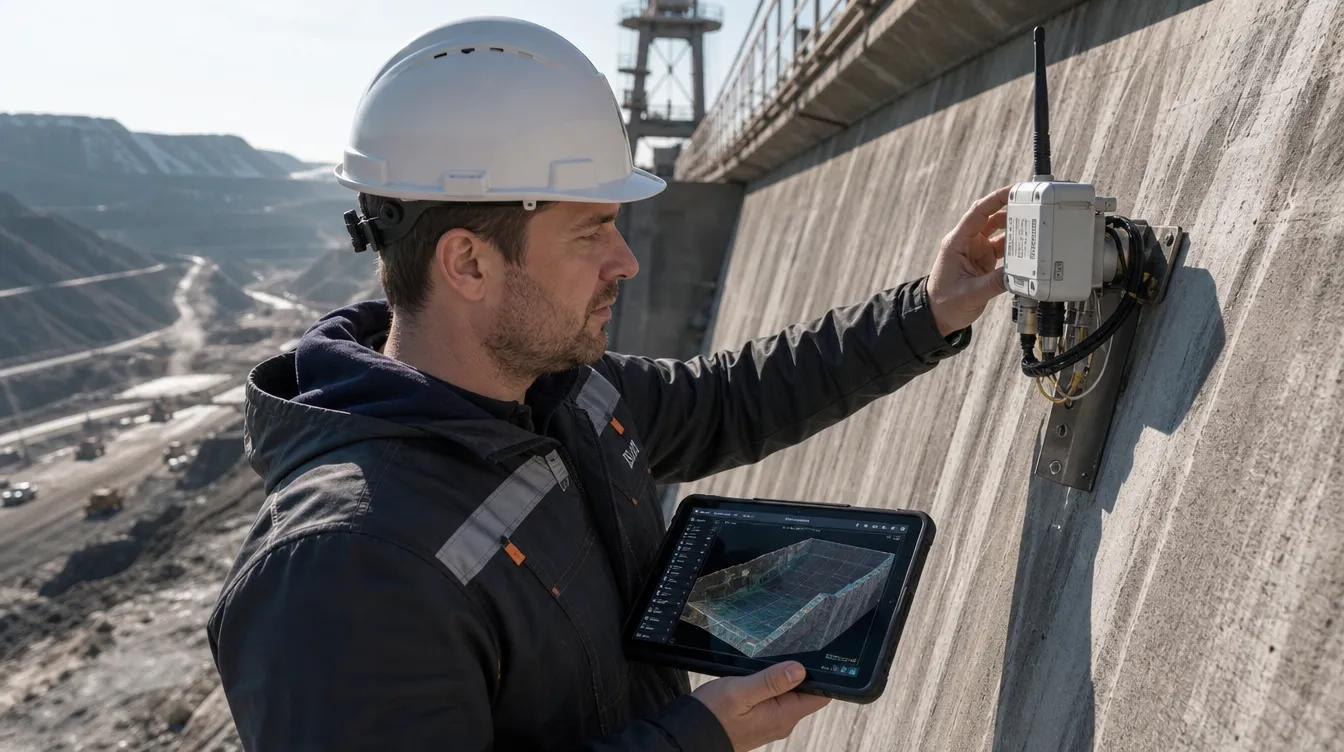
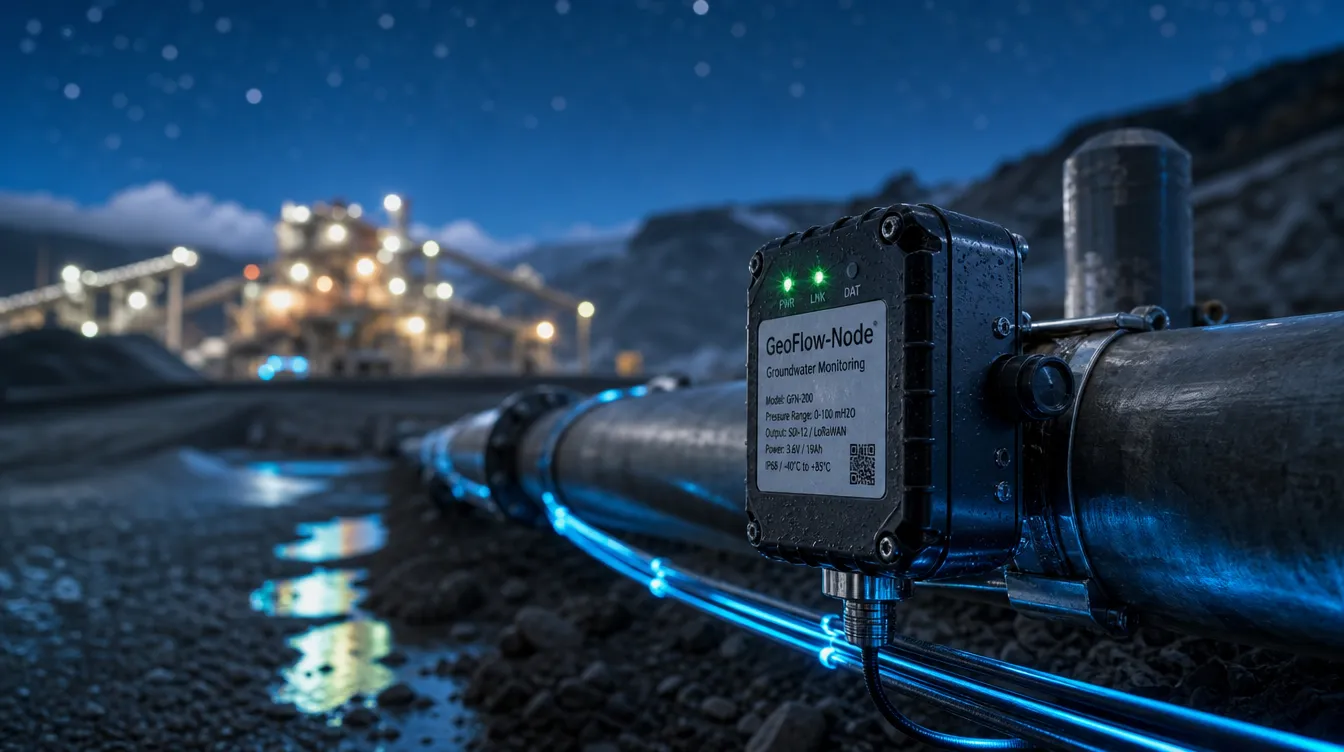
Polyus is now expanding the solution across its operations. In July 2026, the company officially announced the transition of its hydraulic infrastructure to digital management. At the Blagodatnoye deposit in Russia's Krasnoyarsk Territory, engineers are installing a network of intelligent sensors. Operating in real time, they collect data on water levels, including readings from piezometers embedded in dam structures, water composition, the particle-size distribution of tailings, equipment operating conditions, including pulp discharge systems and pipelines, as well as other operational parameters.
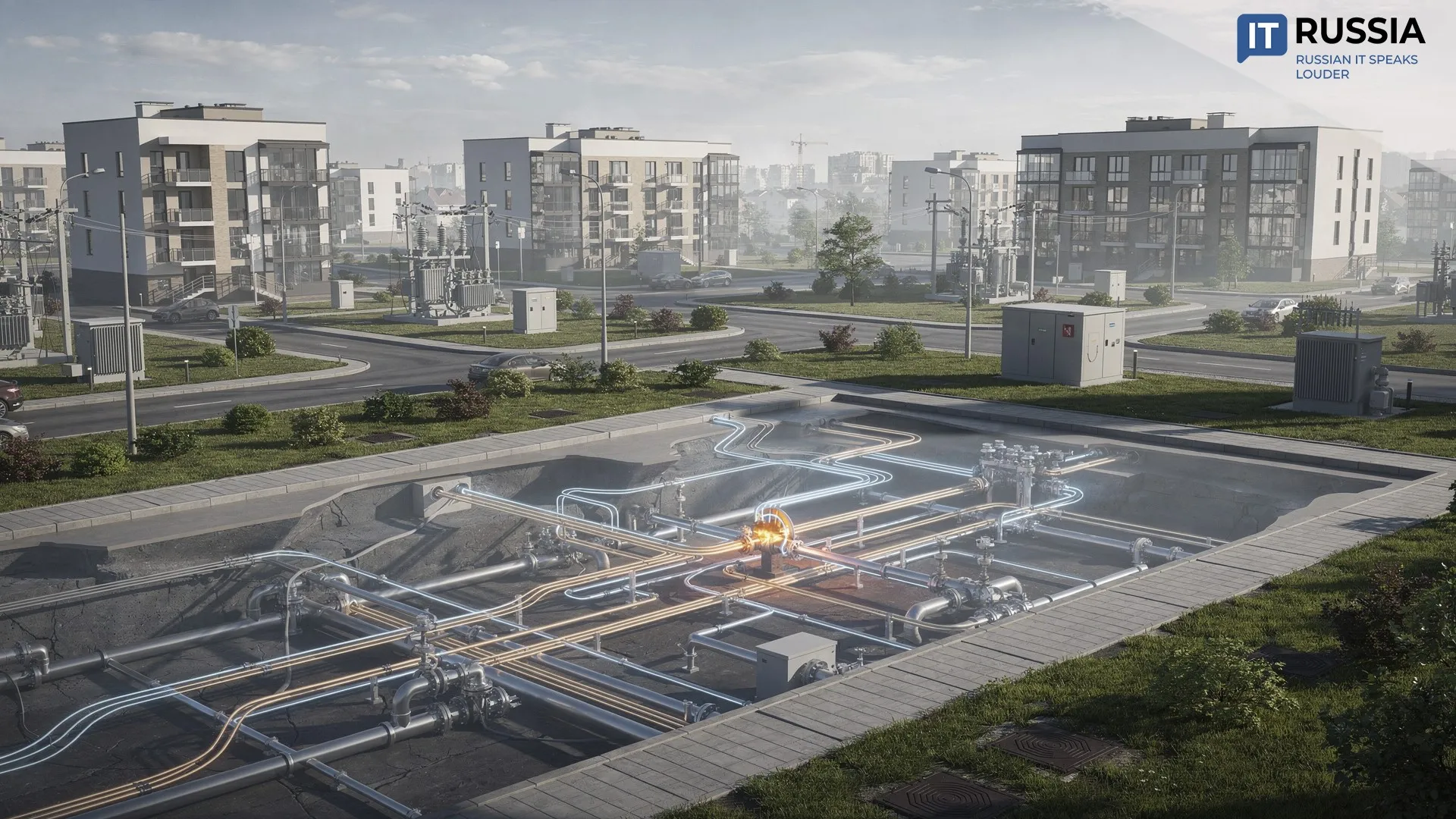
The information is then transmitted to the company's centralized monitoring platform. Using these data, digital twins of hydraulic structures are created. These virtual replicas not only enable continuous real-time monitoring but also allow engineers to model different operating scenarios and perform predictive analytics. This is the essence of predictive management: identifying risks before they develop into incidents. The system also incorporates the results of visual inspections carried out by hydraulic engineering specialists, including records of leaks, cracks, and erosion. Every detected defect is entered into the platform, ranked according to its level of criticality, and assigned a corrective action plan with designated responsibilities and deadlines. The result is a unified information environment in which both hydraulic engineers and company management have access to the latest operational data.
Comparable solutions have already been designed for all of Polyus' mining assets. One of the first scheduled deployments will be at the Sukhoi Log deposit, currently under development and recognized as the world's largest gold deposit by reserves. Digital monitoring will be operational there from the very beginning of production.
A Collaborative Effort
Several Russian technology developers contributed to the project. The pilot deployment at the Olimpiadinsky GOK was carried out with the participation of CROC. Its team conducted a comprehensive assessment of Polyus' infrastructure, analyzed the sensors already in place, built three-dimensional models of the facilities that incorporated geological conditions and sensor locations, and then designed the system's operational logic, determining how data would be collected, processed, and visualized. The software was capable of detecting deviations from normal operating conditions, generating alerts, and sending notifications directly to specialists' mobile devices. Polyus later engaged EKRA Research and Production Enterprise LLC to further develop the platform and create digital twins of its hydraulic structures.
From Pilot Project to Industry Standard
The developers emphasize that the human factor remains indispensable. Visual inspections cannot be fully automated, making the expertise of experienced specialists essential.
Looking ahead, the system is expected to evolve through the deployment of additional sensors, the application of machine learning to identify subtle anomalies, and deeper integration with the company's production, environmental, and dispatch management systems. The platform could be used not only for tailings storage facilities but also for settling ponds, containment dams, drainage pumping stations, slurry pipelines, and recycled-water pipelines. Over the next several years, automated monitoring is likely to become a standard component of major mining projects.