Robot Inspector Safeguards District Heating Networks as Digital Technology Reshapes Irkutsk Utilities
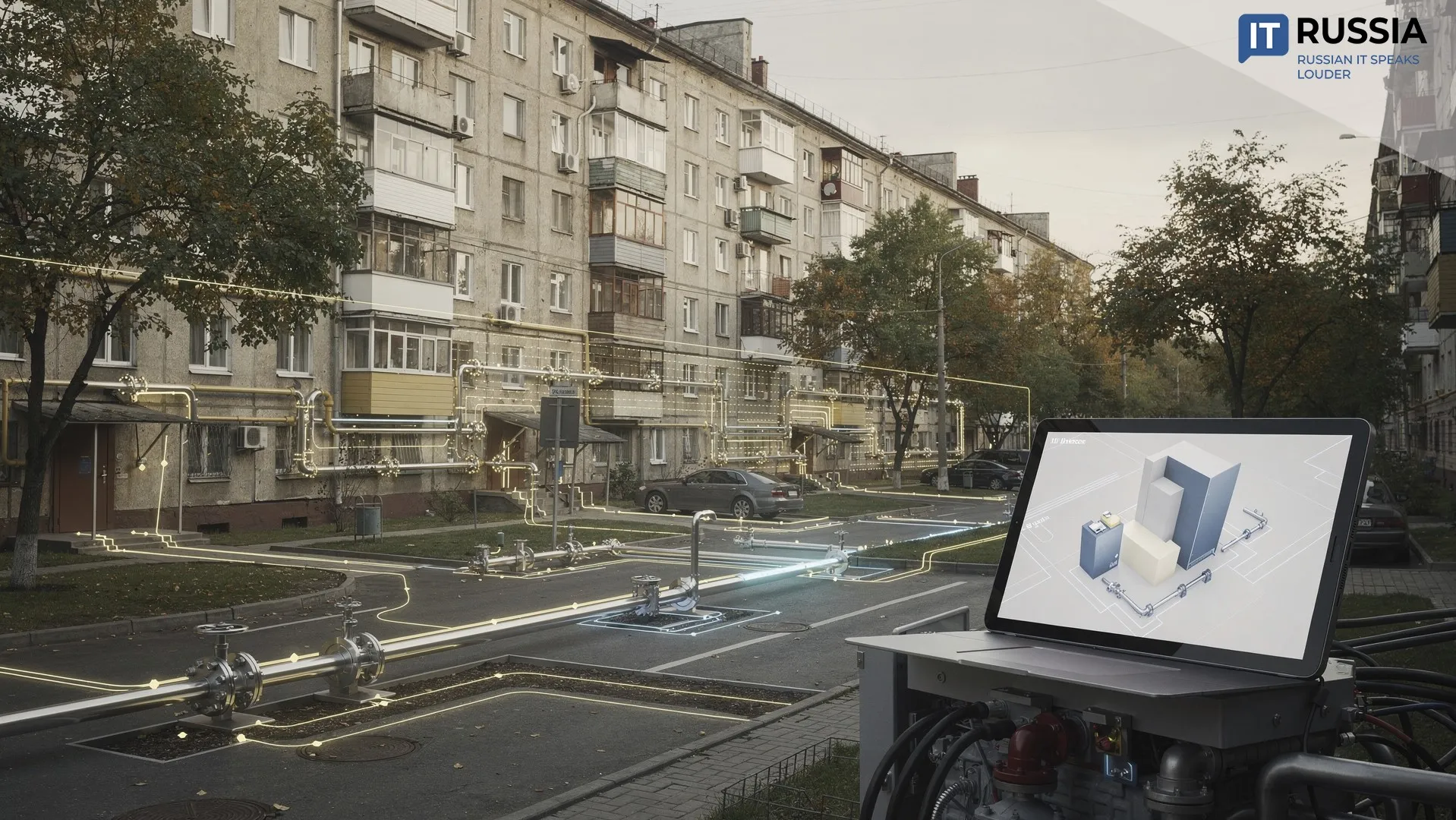
Baikal Energy Company (BEC) is using a Russian-built robotic inspection system to examine Irkutsk's district heating network during its summer maintenance campaign. As part of preparations for the 2026–2027 heating season, the robot will inspect nearly 600 meters of pipelines across three sections in the city's Sverdlovsky and Pravoberezhny districts.

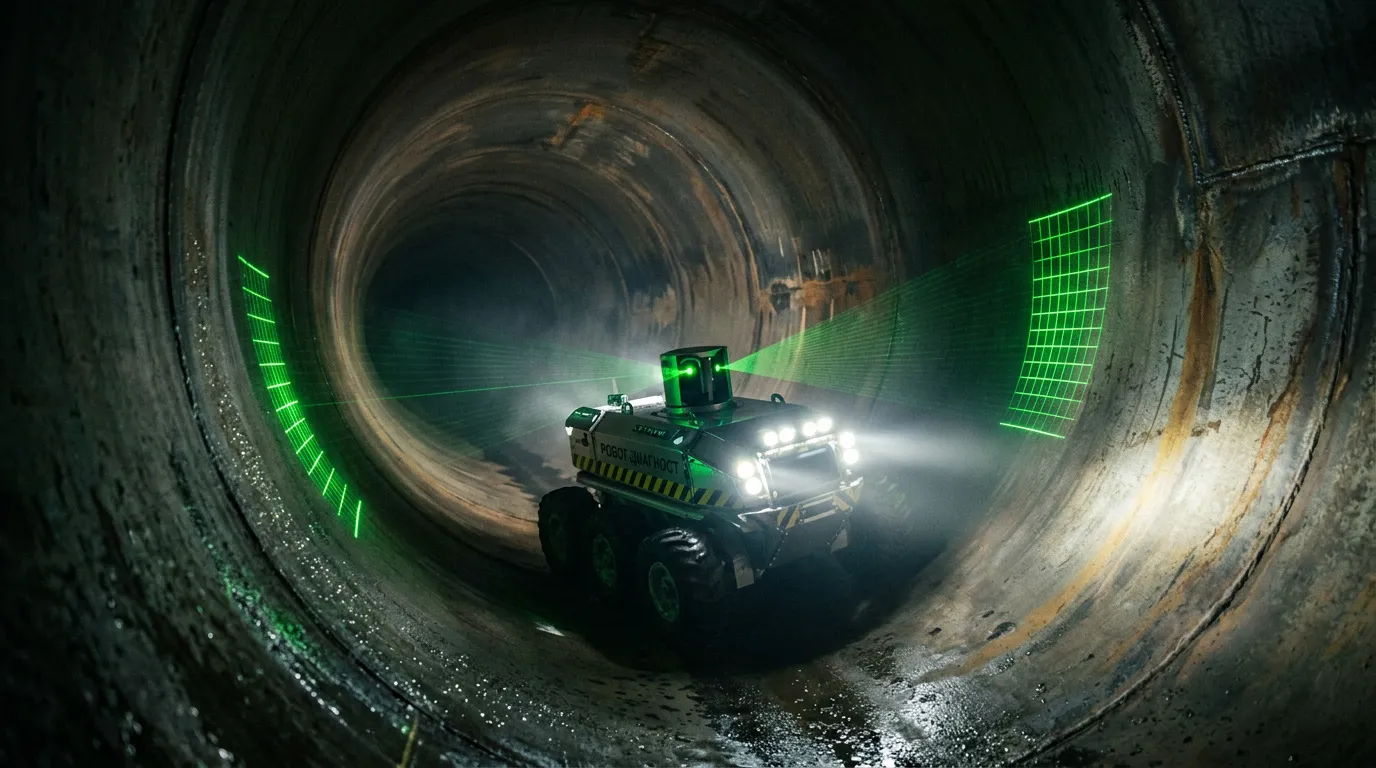
The robot deployed by BEC was developed by the Irkutsk-based company Kompleksnoye Resheniye. It is the fourth generation of the platform, the result of more than six years of development. The robotic system operates inside pipelines ranging from 400 mm to 1,400 mm in diameter and performs inspections at a rate of approximately 50–60 meters per hour.
The robot is equipped with six panoramic cameras that stream live video to the operator throughout the inspection. It also enables a visual assessment of pipeline conditions. Its primary diagnostic tool is a specialized magnetic scanner fitted with four sensors. An alternating electric current is passed through the pipe wall to generate a magnetic field. A proprietary algorithm analyzes fluctuations in that field to calculate the thickness of the metal at each location, allowing defects to be identified. If the inspection detects areas of critical wear, utility engineers can immediately schedule repairs.
According to the company, the robot identified three major pipeline defects in 2025, preventing a potential failure that could have left more than 600 customers – nearly half of Irkutsk's Pravoberezhny District – without heat during the winter.
This year, the robot has already identified four damaged sections beneath Melentyeva Street, where repair crews now need to replace 17 meters of pipeline. By the start of the heating season, the system will have inspected 600 meters of transmission pipelines, significantly improving the reliability of the city's district heating network.
Growing Demand for Robotic Inspection
Robotic inspection of district heating and water distribution pipelines has become one of the most promising areas of modernization in Russia's municipal utilities sector. Every year, more cities adopt the technology. It is particularly valuable for inspecting complex pipeline sections, such as those located beneath major highways. The robot allows utilities to examine those assets without excavation or road closures.
Growing demand is also driving domestic robotics development. Major manufacturers include Tubot and Diakont, while regional companies such as Irkutsk-based Kompleksnoye Resheniye are also bringing new systems to market. Larger vendors have already begun exporting robotic inspection platforms for oil and gas as well as municipal utility applications.
The First Steps Inside the Pipes
Russian companies began developing in-pipe inspection technologies as early as 2005, initially focusing on applications in the oil and gas industry.
Robots designed specifically for district heating inspections entered broader use during the 2020s. In 2021, T Plus deployed the technology at its Samara branch, and that same year robotic inspections also began in Chelyabinsk. Krasnodar joined the list of cities using the technology in 2023, followed by Kemerovo in 2024, where Siberian Generating Company introduced robotic inspections across its district heating network.
Those projects relied on systems produced by major Russian manufacturers. Irkutsk, however, was among the pioneers. The city began using a locally developed inspection robot as early as 2019.

Digital Data Replaces the Shovel – What's Next?
Irkutsk's district heating engineers are following a nationwide trend. The shift is about much more than adding another inspection tool. It represents a transition toward maintenance strategies driven by objective digital data rather than routine excavation and scheduled replacement.
Over the next several years, robots are unlikely to replace traditional hydraulic pressure testing of district heating networks. They will, however, become an effective solution for inspecting transmission pipelines and the most heavily deteriorated sections of underground infrastructure.
In the future, data collected from inspection campaigns, field sensors and robotic diagnostics will be consolidated into a single information system. That integrated approach will enable utilities to prioritize repairs more effectively while significantly improving the reliability of district heating service.