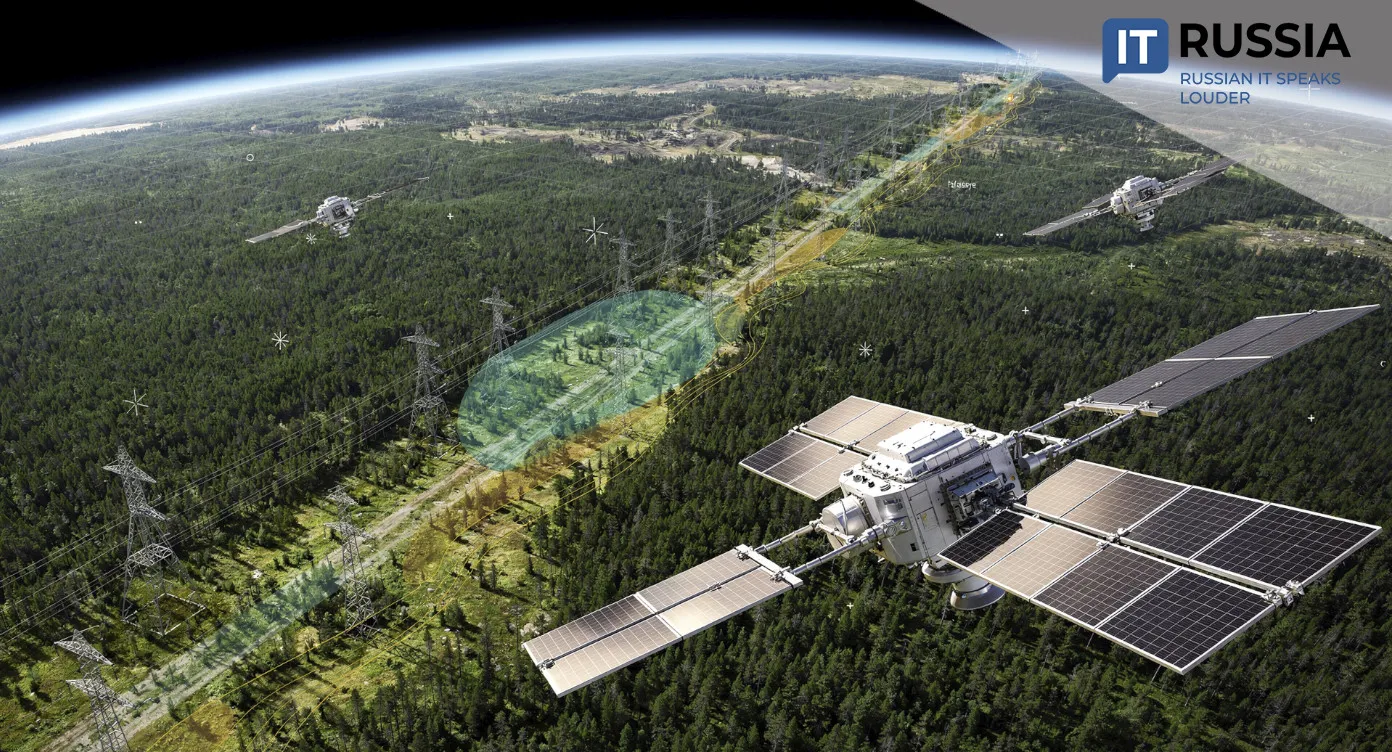
Russia to Build Infrastructure for Managing a National Orbital Station
The project calls for deploying command and communication equipment across Russia to support operations of a future national space station.
A more complex geopolitical environment has pushed Russia to adjust its space program and accelerate plans for independent implementation. One of the key initiatives is preparation for deployment of the Russian Orbital Station, known as ROS.
Building the Ground Infrastructure
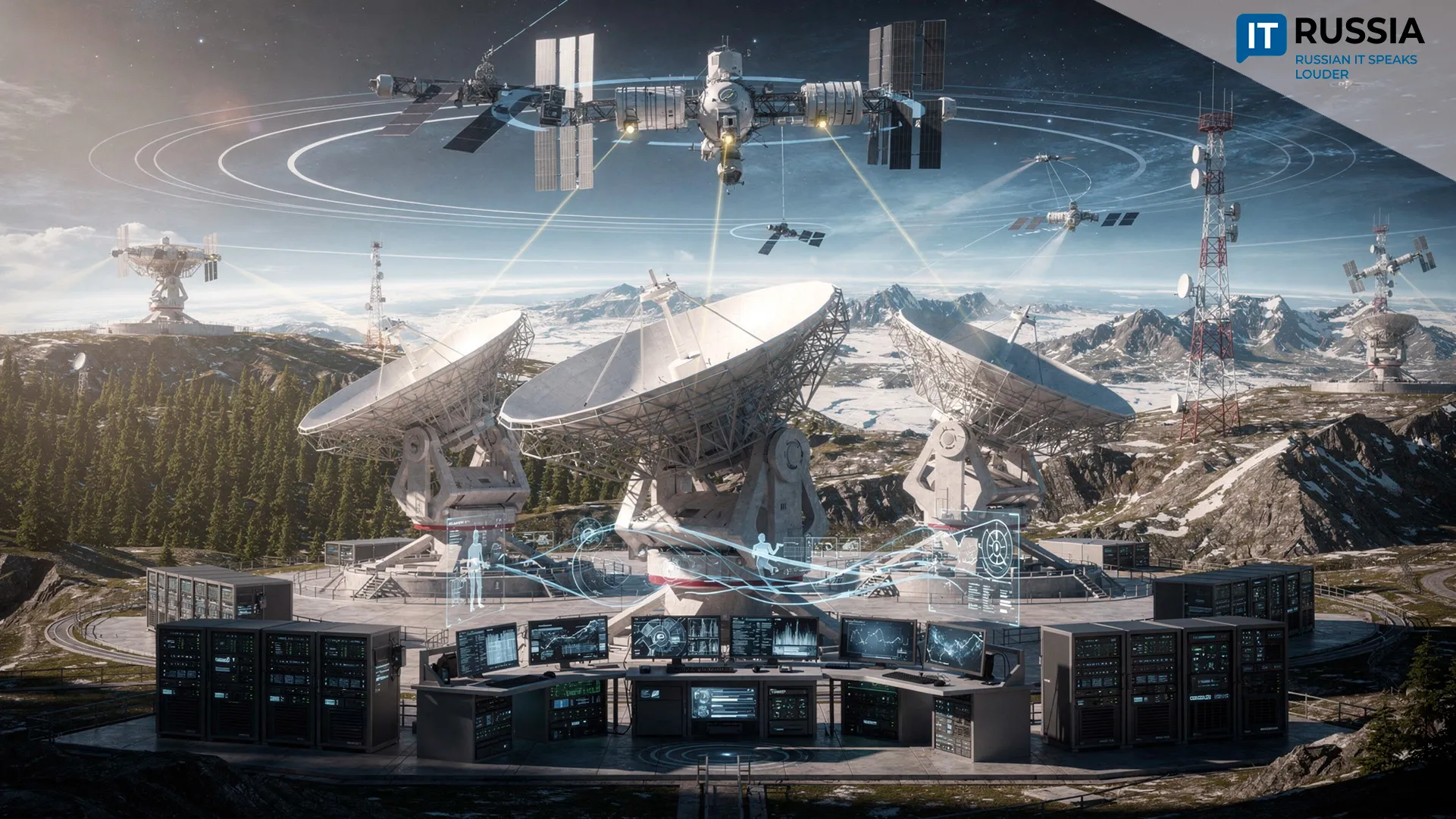
It recently became known that the holding company Rossiyskie Kosmicheskie Sistemy is developing the ground infrastructure required to control the ROS station. Engineers are designing new command-and-measurement stations and other technical systems needed to manage station modules and transport spacecraft. The infrastructure is expected to be distributed across Russia’s territory.
The modernization program will also include upgrades to the existing antenna complex used to communicate with geostationary relay satellites of the Luch multifunctional space relay system. After software updates, these facilities will also be used to support communication and control of the orbital station.

Upgrades are also planned for systems at the Baikonur and Vostochny cosmodromes. The improvements will affect equipment responsible for monitoring launch vehicle parameters and receiving real-time telemetry data.
Systems Designed for Heavy Launch Vehicles
“New measurement, data collection and processing systems will be designed with the characteristics of the onboard intelligent equipment of the prospective Angara-A5M launch vehicle in mind. According to current plans, this rocket will serve as the primary launcher for ROS modules and crewed transport spacecraft. High-tech hardware and software developed by Rossiyskie Kosmicheskie Sistemy and running on domestic software will integrate ground antenna complexes and onboard systems into a unified information support network,” the developer’s press service said.
All preparatory work is expected to be completed by 2028. At that point, deployment of the first modules of the new orbital station in space is planned to begin. By then, engineers must finalize all design documentation and be ready to start construction of the required ground infrastructure.
ROS as a Successor to the ISS
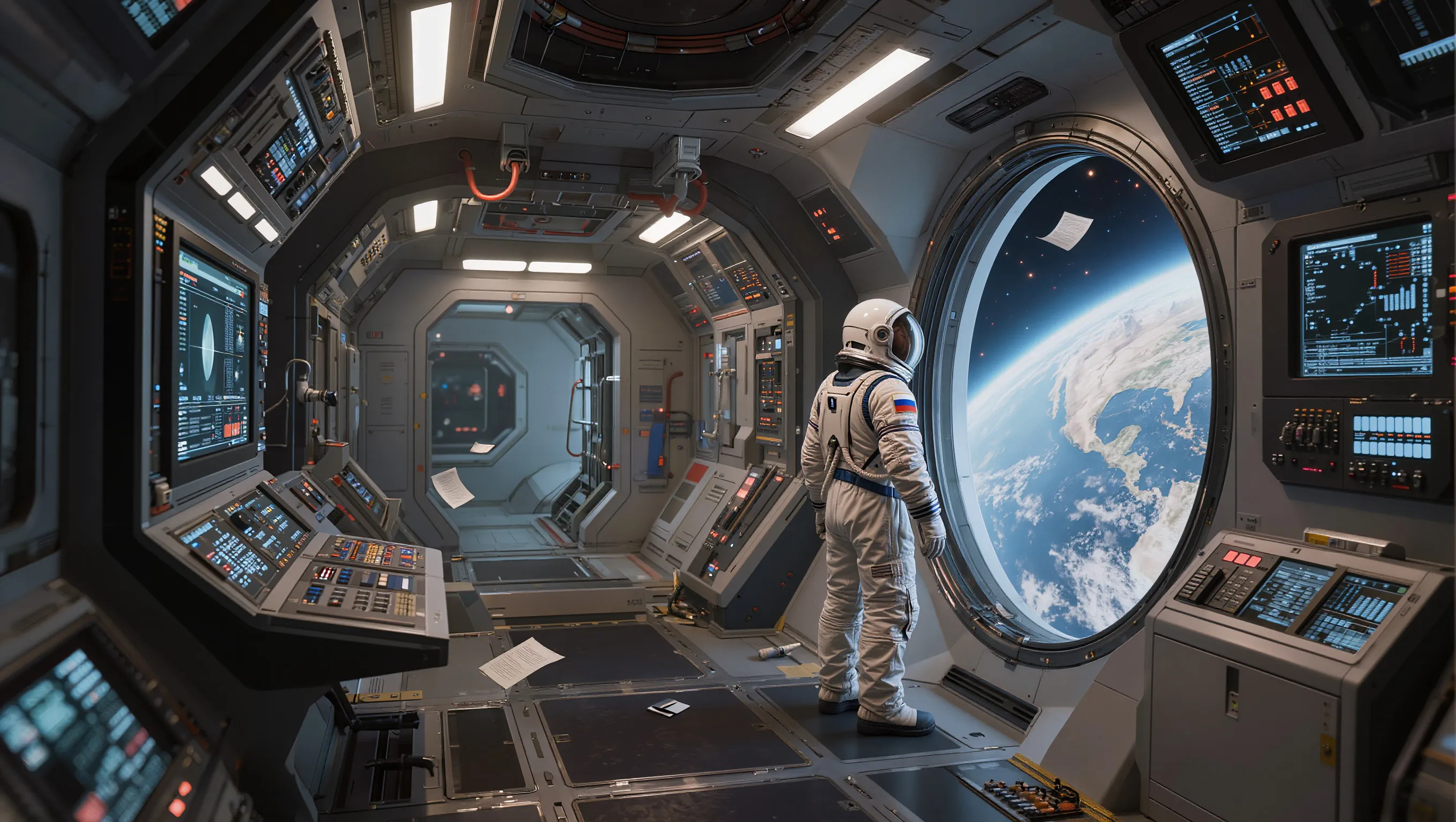
Russia plans to use the national orbital station as the foundation for an independent human spaceflight program following its eventual departure from the International Space Station partnership. The project is being developed by specialists at RKK Energia.
The station will operate in a polar orbit with an inclination of 96.8 degrees, enabling observation of nearly the entire territory of Russia and its Arctic waters.
ROS will orbit at an altitude of 372 km, approximately 48 km lower than the ISS. This orbital configuration is expected to better protect cosmonauts and onboard equipment from radiation exposure. Once construction is complete, the station will be able to host up to four crew members simultaneously.
The platform will serve as a base for a wide range of scientific experiments and Earth observation missions. It will also be used to test technologies intended for future lunar exploration and deep-space missions.

New Technologies for Space Infrastructure
Delivering these ambitious goals requires new engineering approaches. In April of last year, Rossiyskie Kosmicheskie Sistemy announced completion of a technology for assembling and servicing spacecraft directly in orbit. The approach could help accelerate deployment of domestic satellite constellations.
The concept includes the possibility of docking individual spacecraft modules directly in space. Similar engineering solutions could also support construction of a fully operational orbital station.
The ROS program is widely expected to become a major driver of technological development in Russia. Building the station requires unique engineering capabilities and advanced technologies that push the boundaries of current space infrastructure. The effort not only strengthens Russia’s technological sovereignty but also positions the country to expand its role in the next phase of global space exploration.