“Smart FOK”: 300 Sports Facilities in Moscow Region Come Under AI Oversight
The system Umnyy FOK (Smart Sports Complex system) will expand to 100 additional sports facilities in the Moscow Region. Artificial intelligence is being used to optimize operations across fitness and recreation centers, with plans to increase overall facility utilization by 15% within a year.
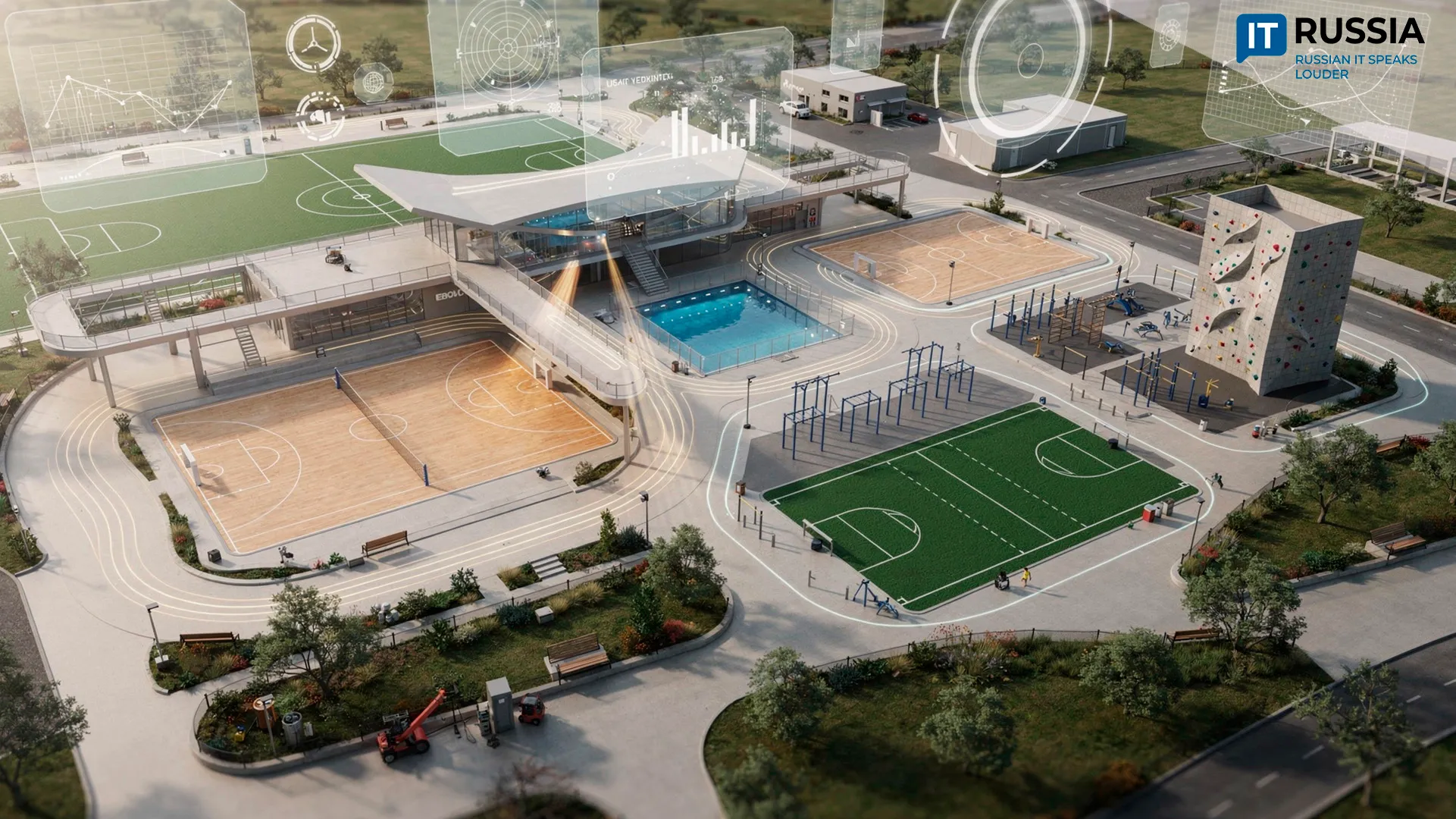
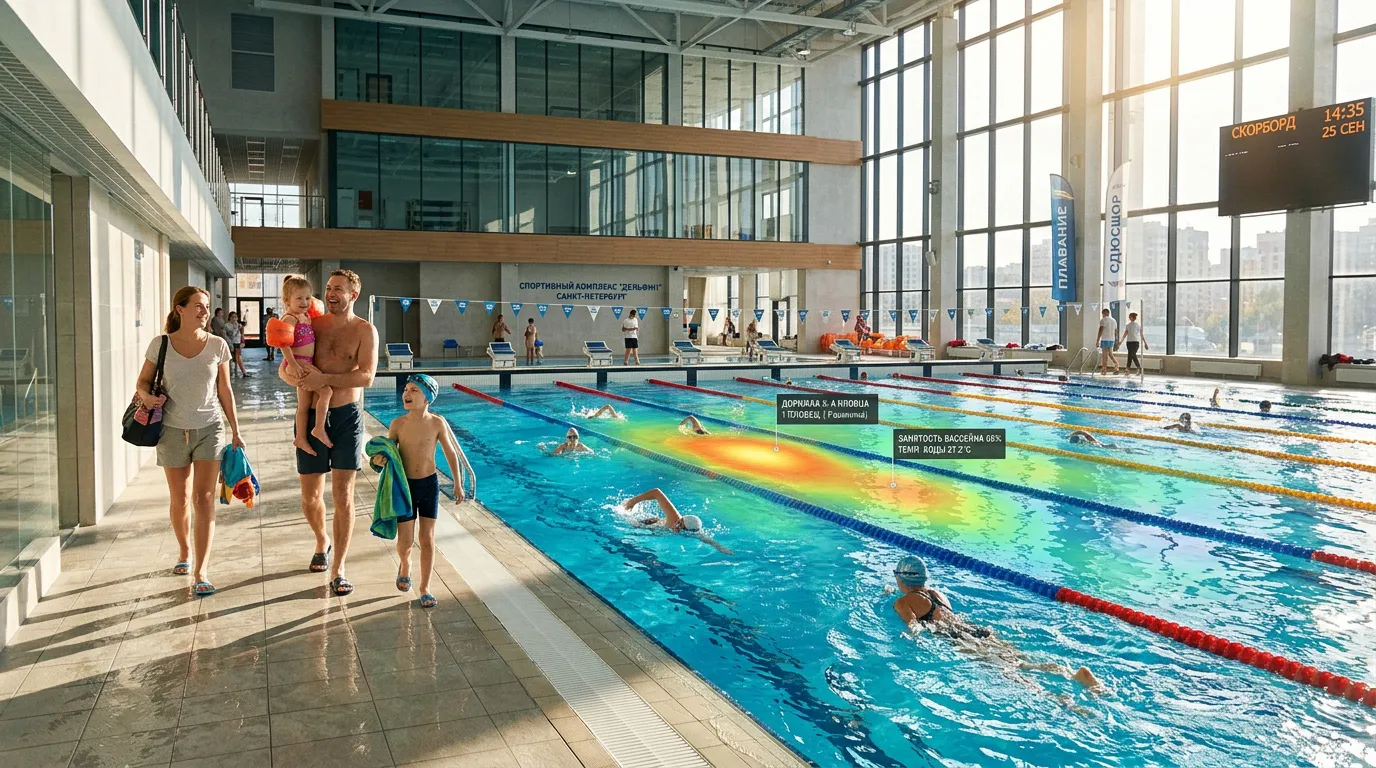
The Umnyy FOK project has been operating in the Moscow Region for a year. The system uses cameras and computer vision to analyze real-world usage of gyms and swimming pools, identifying where infrastructure is in demand and where it sits idle. The core goal is to distribute load across sports facilities more efficiently. Another 100 sites will soon be connected, bringing the total under monitoring to 300 out of the 500 sports complexes currently operating in the region.
AI Reshapes Scheduling
The use of Umnyy FOK has already produced measurable results. Data collected by the system made it possible to assess real occupancy levels and identify hours when specific gyms or pools remain underused. Based on these insights, authorities introduced free training sessions during off-peak hours for veterans of the special military operation and their families. Additional programs for school students and corporate training sessions were also scheduled during these periods.
Over the course of the year, the system is expected to increase overall utilization of sports facilities by 15%.
“ We see that some facilities operate almost around the clock, while others follow a reduced schedule. That is why we developed a universal timetable that we plan to introduce starting in May, ” said Dmitry Abarenov, the region’s Minister of Physical Culture and Sports. The next stage of the digital transformation will involve launching an AI agent designed to recommend optimal management decisions.
A New Management Model
The Moscow Region is demonstrating a new model for managing social and sports infrastructure based on precise data. AI is used not only to track attendance but also to support decision-making, from redistributing demand to assessing whether new facilities need to be built.
This approach is already drawing interest from other regions. It allows authorities to make better use of existing infrastructure and, where necessary, plan new construction based on real demand.
For residents, the benefits are tangible. People gain easier access to sports classes, swimming pools and gyms. Demand is redistributed, reducing idle time slots and making facilities more comfortable even during peak evening hours. Discount programs are used to balance visitor flows, offering reduced rates during off-peak periods. These same hours are also used for free classes for specific groups and corporate memberships.
Digital Maturity in Practice
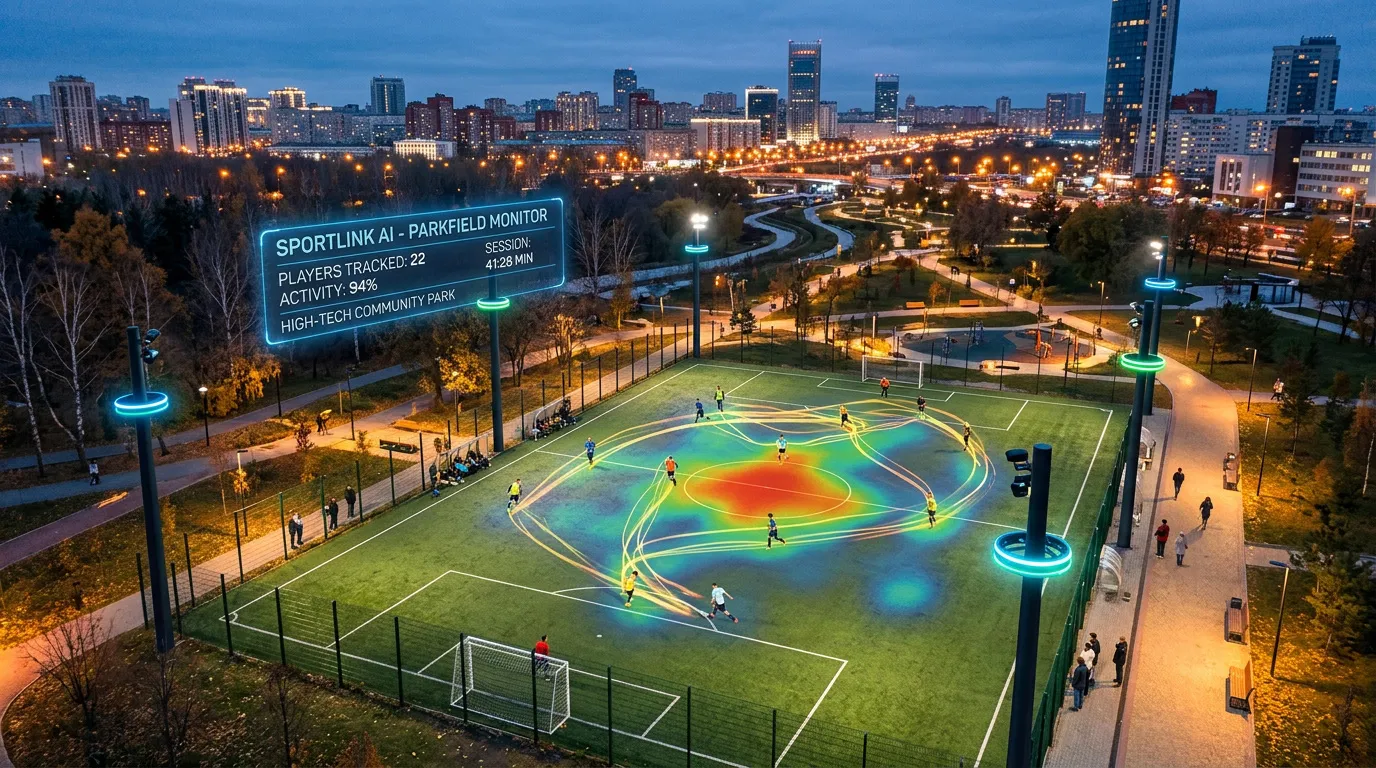
The Umnyy FOK project shows how computer vision and video analytics are moving beyond industrial or security use cases into mass sports and urban management. The shift toward AI-driven management of social infrastructure highlights the growing need for domestic IT solutions in this space.
The Umnyy FOK project will be hosted on the Tsifrovoy region (Digital Region platform), a federal platform where AI and digital governance solutions are published. The technology can be adopted by other regions to redesign how sports infrastructure is managed.
The next phase of Umnyy FOK includes launching an AI agent that will recommend optimal management actions. That means AI will not only detect underused or overloaded time slots but also suggest how to adjust schedules, revise pricing and introduce incentives to improve utilization. This reflects a more advanced stage of digitalization in Russia’s sports sector.