Russia Gets a New Platform for Builders and Designers
Russian company Ekotorg M has presented its new digital product to the leadership of the National Association of Organizations in the Field of Information Modeling Technologies (NOTIM).

Constructiva is an open engineering platform that brings together information on projects, engineering systems and digital models. It covers four macro areas and 36 industries, as well as 25 categories of systems. The IT product is designed to help builders and designers work in a unified digital environment, with key decisions based on engineering data.
It Tracks Every Change and Revision
The platform was presented to NOTIM President Mikhail Viktorov, Chief of Staff Yulia Eremina and NOTIM Head of Special Projects Larisa Malivanova, who is also CEO of Stroitelny Ekspert LLC. Representing the developer were Ekotorg M CEO Feliks Bednenko, Head of Tenders Tatyana Gaponova and Fyutekh LLC CEO Roman Li.
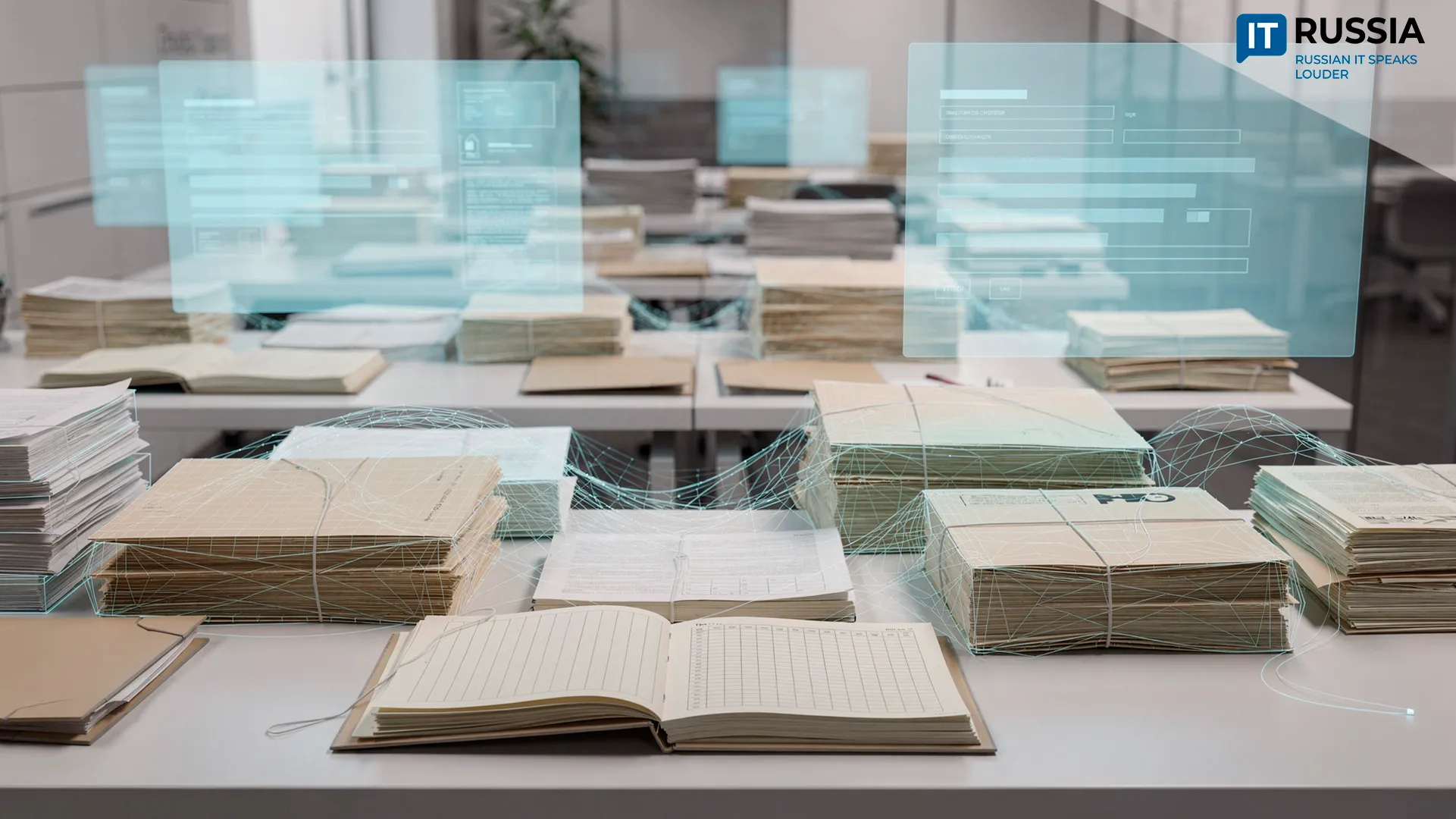
Constructiva’s developers say the platform brings engineering data, documents and different versions together in a verifiable structure for construction and design. As teams work in the platform, every project change is preserved through versioning, making it possible to trace the path from the original data to the final engineering decision.
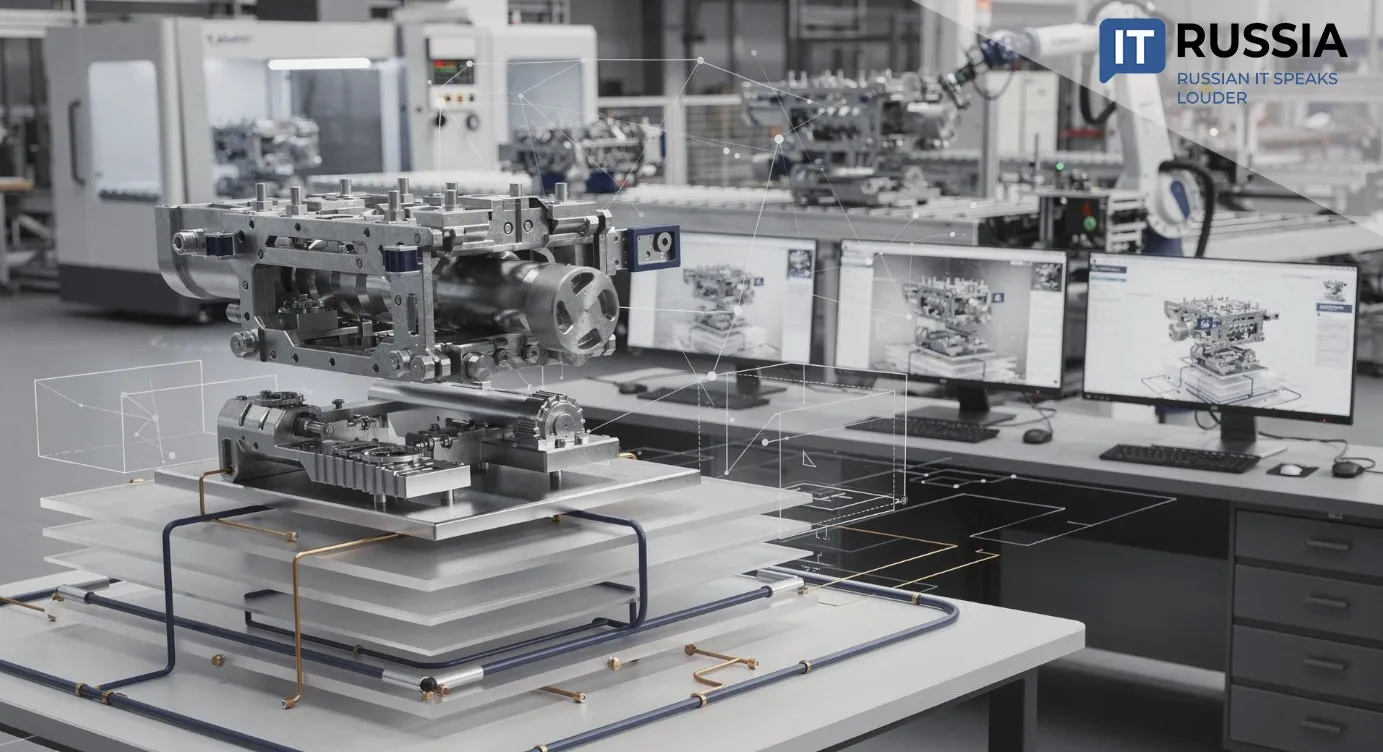
Users first see the current revision – the sheet selected as the reference point. In the conceptual model, revisions are displayed as complete layers of records, with the date, author and source identified. Another key section, Os podshivki (Filing Axis), contains the document version registry. The Sleduyushchee deystvie (Next Action) section can be used to find all changes made, while showing users which data can still be verified. The software identifies materials, products, the construction system and design parameters, along with all relationships, the original record and its versions.
Six Modules Form the Platform’s Foundation
The new platform is aimed at engineers, designers, manufacturers of construction materials and equipment, and their customers. It will allow participants across the construction process to work in the same digital environment using verified data.
Constructiva has six core modules: an engineering center, a construction resources catalog, a BIM/CAD center, a calculation center, a document center and an engineering case database. One of the calculation center’s services is HydroWeb, a previously developed software suite for calculating excavation support systems. HydroWeb took part in Glavgosexpertiza’s Ekspertiza budushchego 7.0 (Expert Review of the Future 7.0) program, supported by Russia’s Ministry of Construction, Housing and Utilities.
Ekotorg M and NOTIM have scheduled a series of working meetings in August and September with member companies of the National Association of Organizations in the Field of Information Modeling Technologies, which includes leading developers, software companies working on information modeling technology (IMT), and construction materials manufacturers. The meetings will focus on a pilot rollout of the platform.

Design Quality and Speed Take Priority
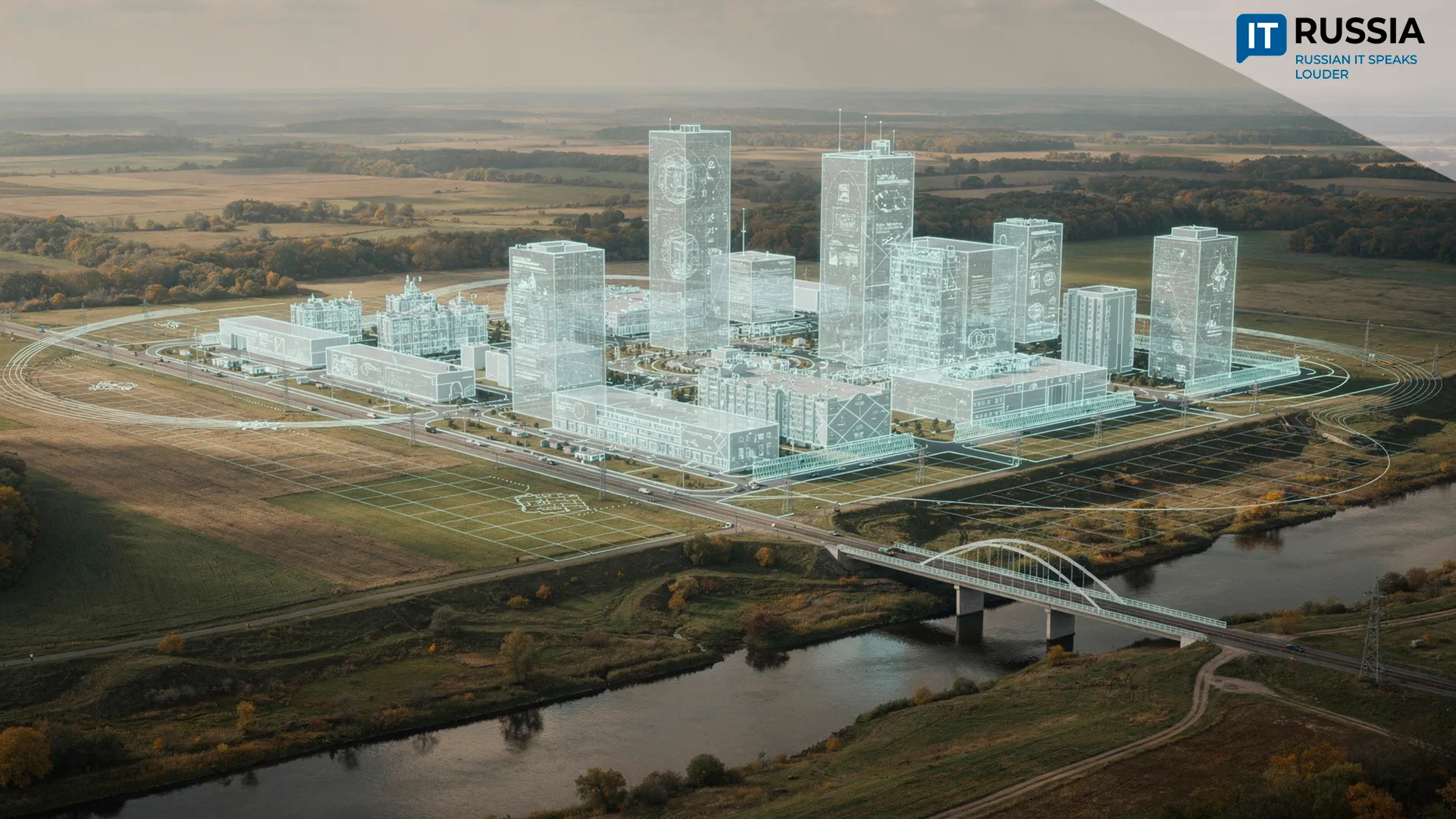
The development and rollout of the Constructiva engineering platform in Russia reflects an industrywide push toward a unified digital environment. In August, representatives of NOTIM and Russia’s Ministry of Construction discussed moving from stand-alone IMT tools – software used to create complex 3D digital models of buildings and projects – toward seamless digital ecosystems spanning an asset’s entire life cycle.
According to the Russian government, 47% of Russian developers were using IMT in the first quarter of 2026. The Cabinet of Ministers has also approved an updated strategic framework for the digital transformation of construction and housing and utilities through 2030, fueling demand for platforms that can bring information models, engineering data and documentation into a single environment.
Constructiva’s developers next plan to move the product beyond its minimum viable product (MVP) stage toward potential testing by construction industry participants. Over time, the new engineering platform could improve design quality, reduce errors and accelerate building construction.

Digital products like these are particularly relevant today: Russian providers of construction IT products are increasing revenue, while import substitution, government support and demand for greater transparency in construction processes are driving market growth. Across Russia, projects of this kind matter both as part of the construction software market and as a contribution to the digital transformation of one of the country’s largest economic sectors.