Ten Million “Hello”: How a Russian AI Operator Eased the Burden on Outpatient Clinics
Artificial intelligence in Russian healthcare has moved beyond the experimental stage and entered large-scale, real-world use. Since early 2025, the virtual assistant Svetlana, deployed in outpatient clinics across the Moscow region, has handled nearly 10 million patient interactions, taking on the bulk of routine phone calls.
Svetlana Listens and Makes Appointments
The voice-based AI assistant Svetlana, which functions as a call center for healthcare institutions in the Moscow region, has reached a major milestone in the number of citizen requests it has processed. Developed by Russian engineers, the system helps patients schedule doctor visits, request home visits, and resolve other common issues without the involvement of a human operator.
Since the beginning of 2025, the intelligent assistant Svetlana has processed nearly 10 million calls in the Moscow region. The system is accessible via the unified hotline number 122 and supports a wide range of tasks, including calling a doctor to a patient’s home, booking, canceling, or rescheduling appointments, and reminding patients to renew prescriptions for subsidized medications.
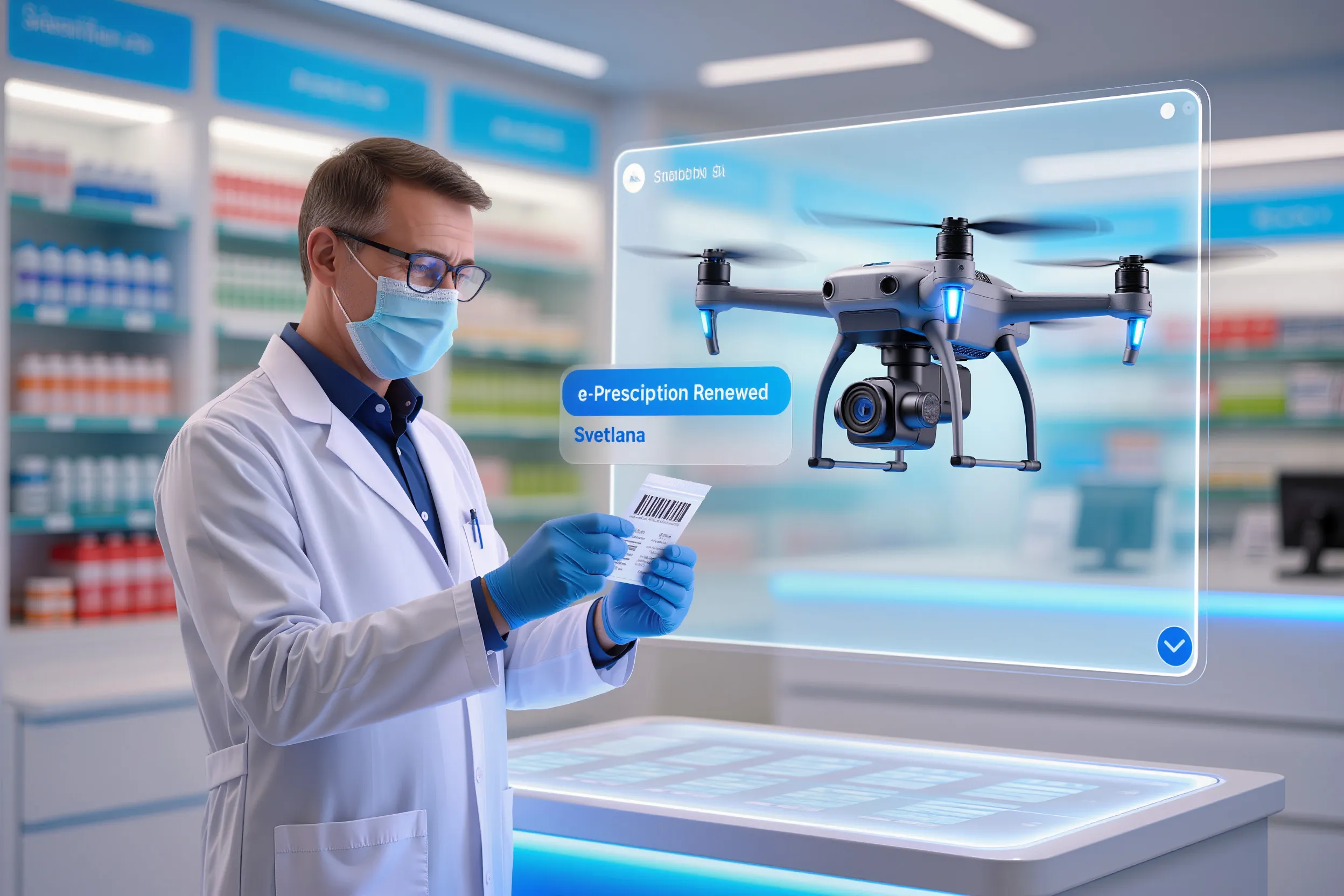
At peak load, the system can handle up to 600 simultaneous calls. In addition to incoming requests, the robot also places outbound calls, reminding patients of upcoming visits and conducting post-appointment surveys at the L.M. Roshal Children’s Center and other medical institutions. Alternative communication channels remain available through the regional Zdorovye portal, information kiosks, and a Telegram bot.
Scale and Significance of the Project
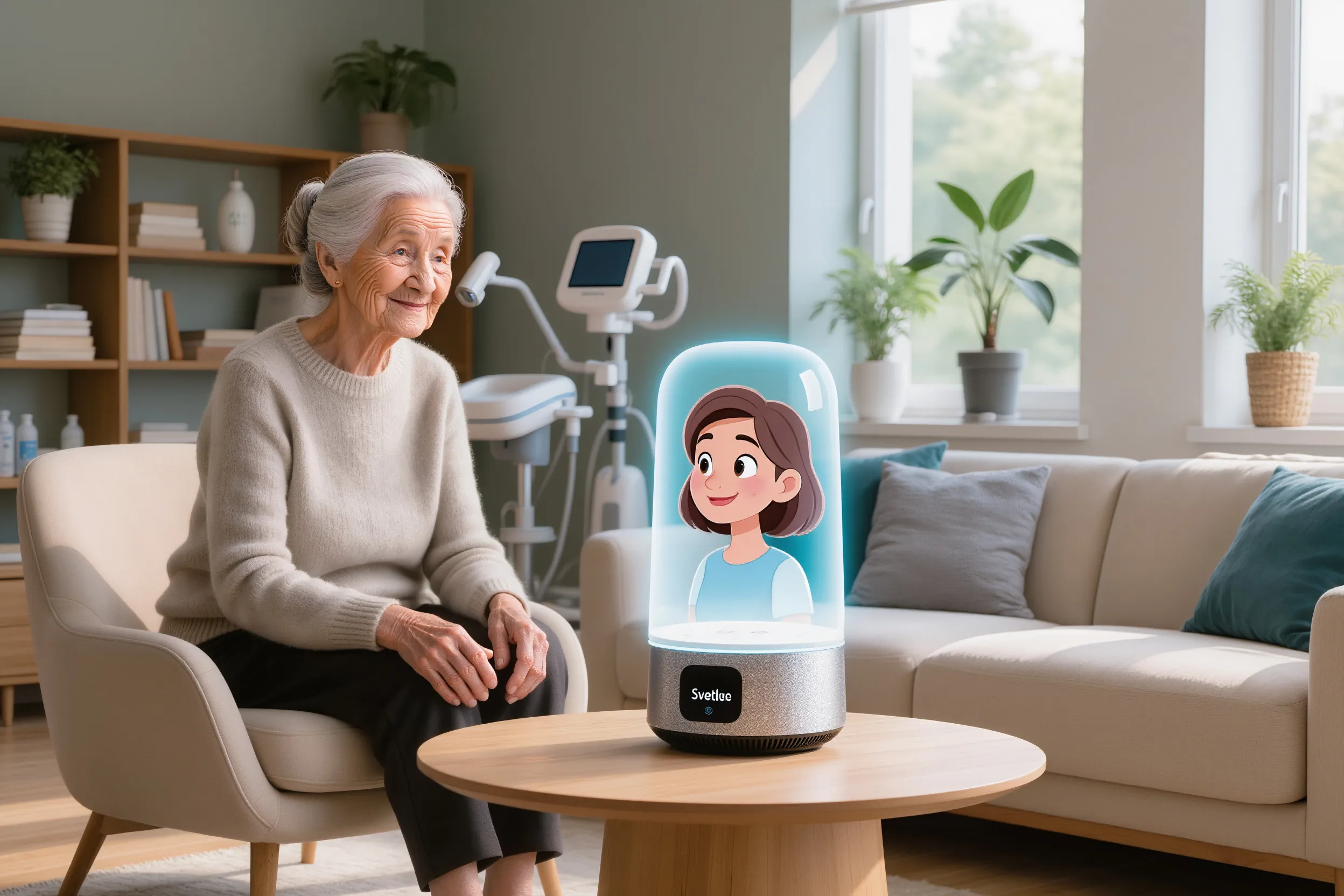
For patients, especially elderly residents, this represents a fundamental simplification of access to healthcare services. The ability to resolve issues with a single phone call, without waiting in long queues or navigating complex web interfaces, significantly improves comfort and reduces the stress traditionally associated with visiting a clinic.

For medical staff, the impact is equally substantial. Doctors and front-desk personnel are relieved of a large share of routine administrative tasks, freeing up time that can be redirected toward direct patient care.
For the healthcare system as a whole, the project improves manageability, resource efficiency, and data-driven planning capabilities. While the system initially focused on reactively handling incoming calls, its role has gradually shifted toward proactive service delivery. By placing outbound calls, the assistant addresses several strategic objectives, including reducing missed appointments, which directly affects the economic efficiency of outpatient clinics and helps lower the workload on physicians.
Scaling and Integration
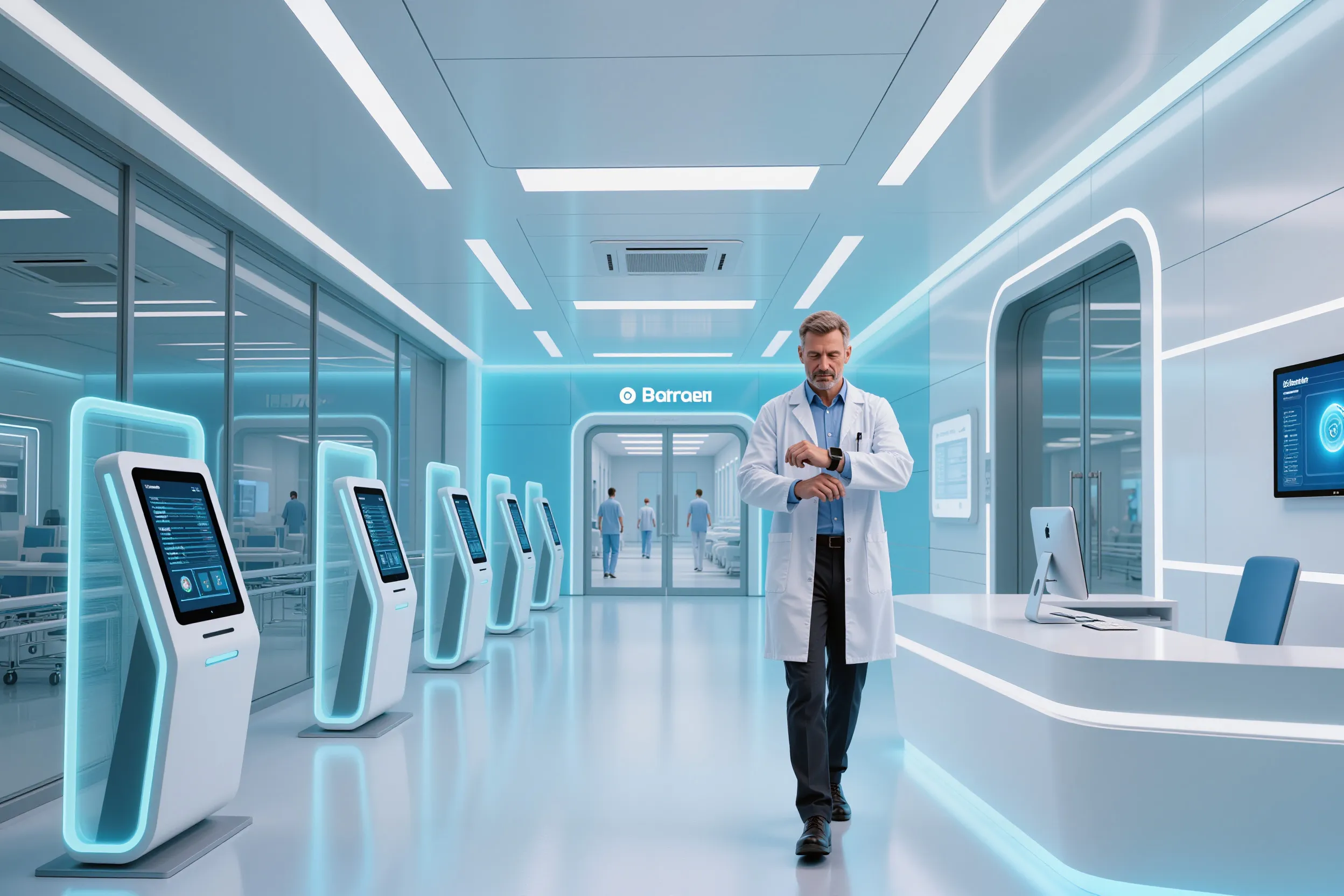
The successful operation of the system in the Moscow region has created a proven digital template that can be replicated nationwide. Technical solutions and architectural principles that have demonstrated resilience under heavy load are already ready for adaptation and deployment in other regions. This is particularly relevant for areas with large territories and shortages of medical personnel, where remote services can help offset disparities in access to care.
The next logical step is deeper integration of regional voice assistants with federal digital platforms such as Gosuslugi and telemedicine services. This could potentially create a single entry point for patients, where, after interacting with the AI, they could immediately receive an appointment slot, connect to a video consultation, or access their electronic medical records.
Another major development path lies in analytics. The accumulated dataset of millions of interactions represents a unique resource for analysis. Algorithms built on this data could forecast disease outbreaks in specific districts, optimize resource allocation among clinics, and identify systemic bottlenecks in healthcare delivery.
International Context
Against the global backdrop, the Russian project stands out for its practical completeness and focus on mass adoption. In many countries, AI healthcare initiatives are concentrated on diagnostics, such as image analysis or genomic data processing, or on administrative tools within private clinics. The Moscow region’s experience demonstrates end-to-end automation of processes within a public, universal healthcare system.
This experience is of direct interest to countries with similarly socially oriented healthcare models and high levels of digital government services, including parts of the CIS, BRICS nations, as well as several countries in the Middle East and Southeast Asia. The potential export product is not merely software, but a full-service solution that includes adaptation of language models to local languages, integration with national information systems, and staff training.