Uncrewed Strannik Completes Sea Trials
An uncrewed boat capable of carrying one ton of cargo at a speed of 50 kilometers per hour has completed trials in the Gulf of Finland.
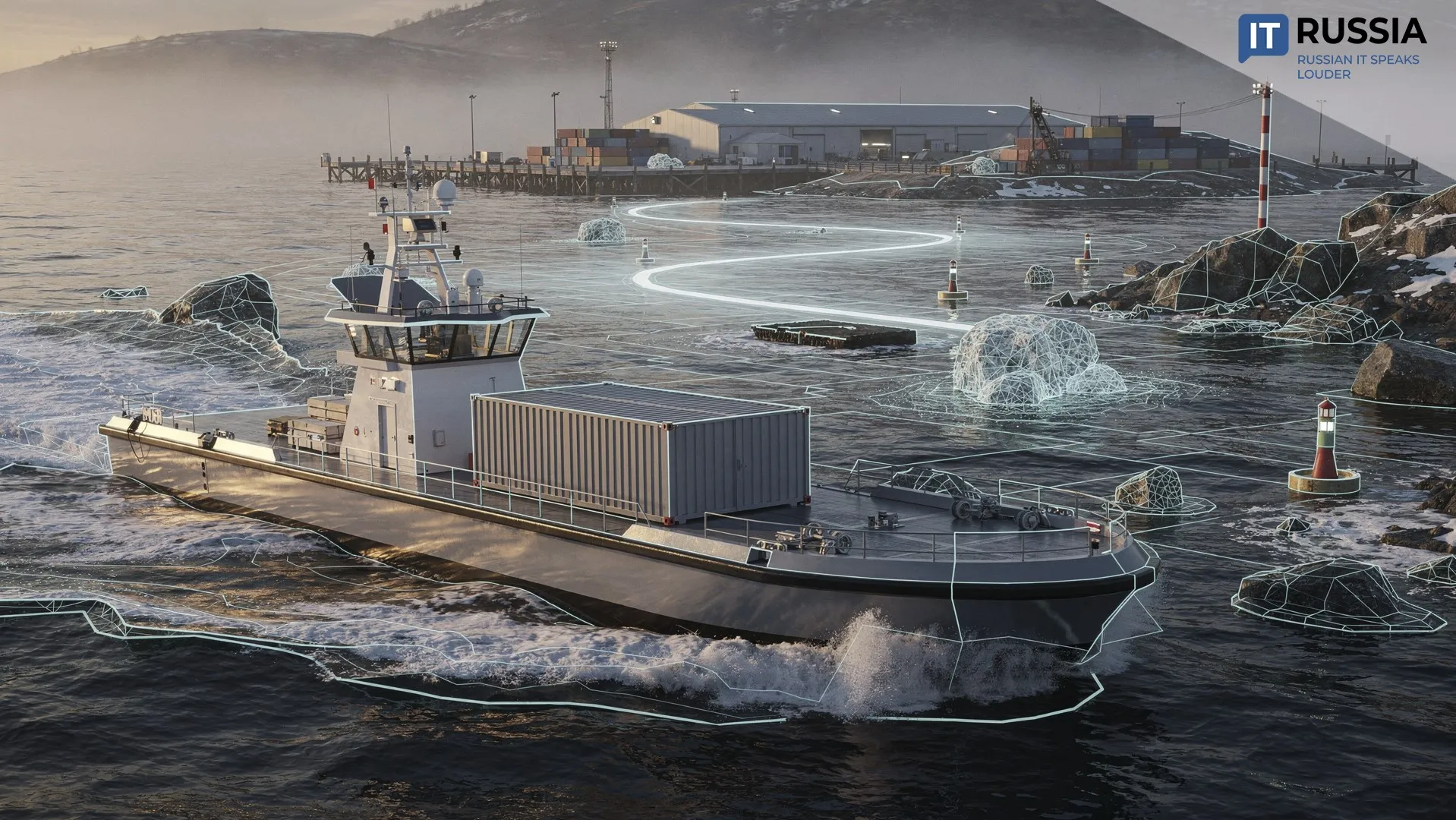
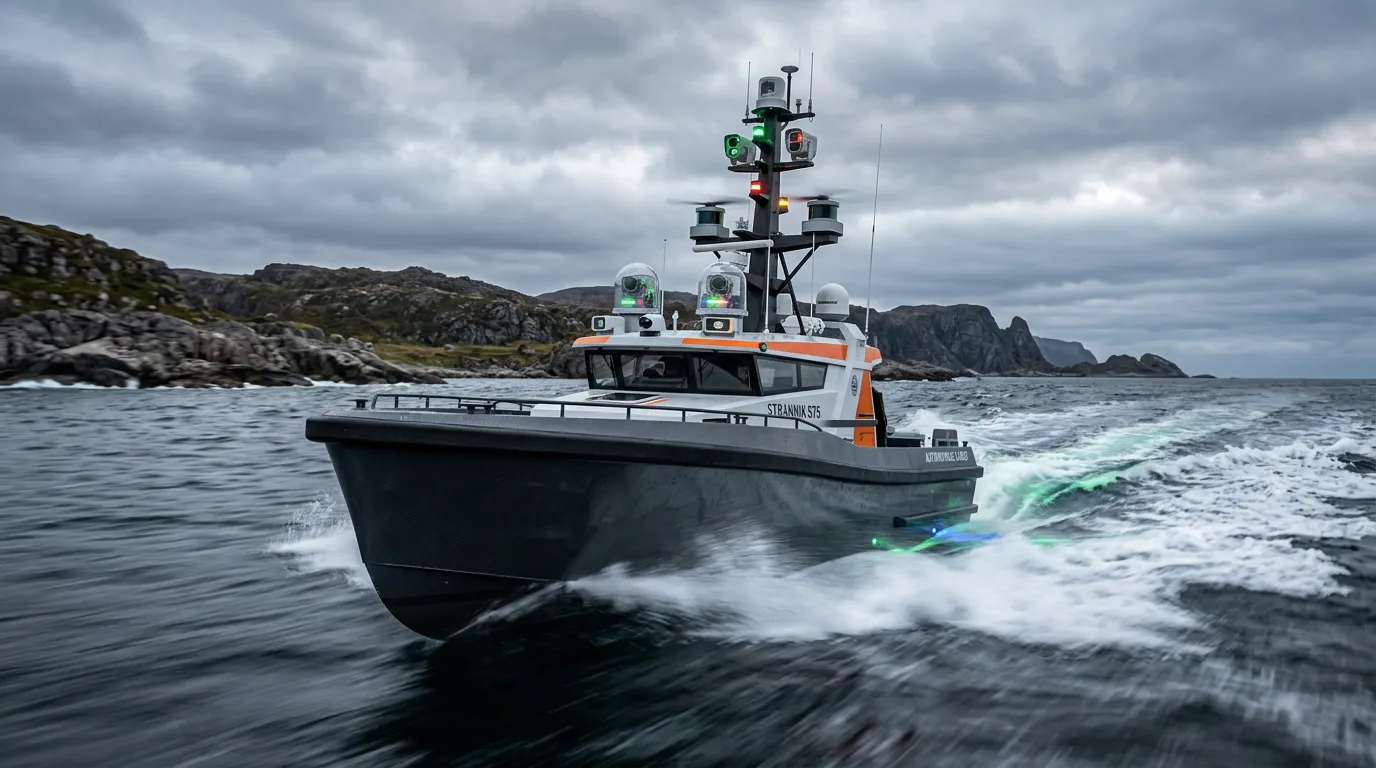
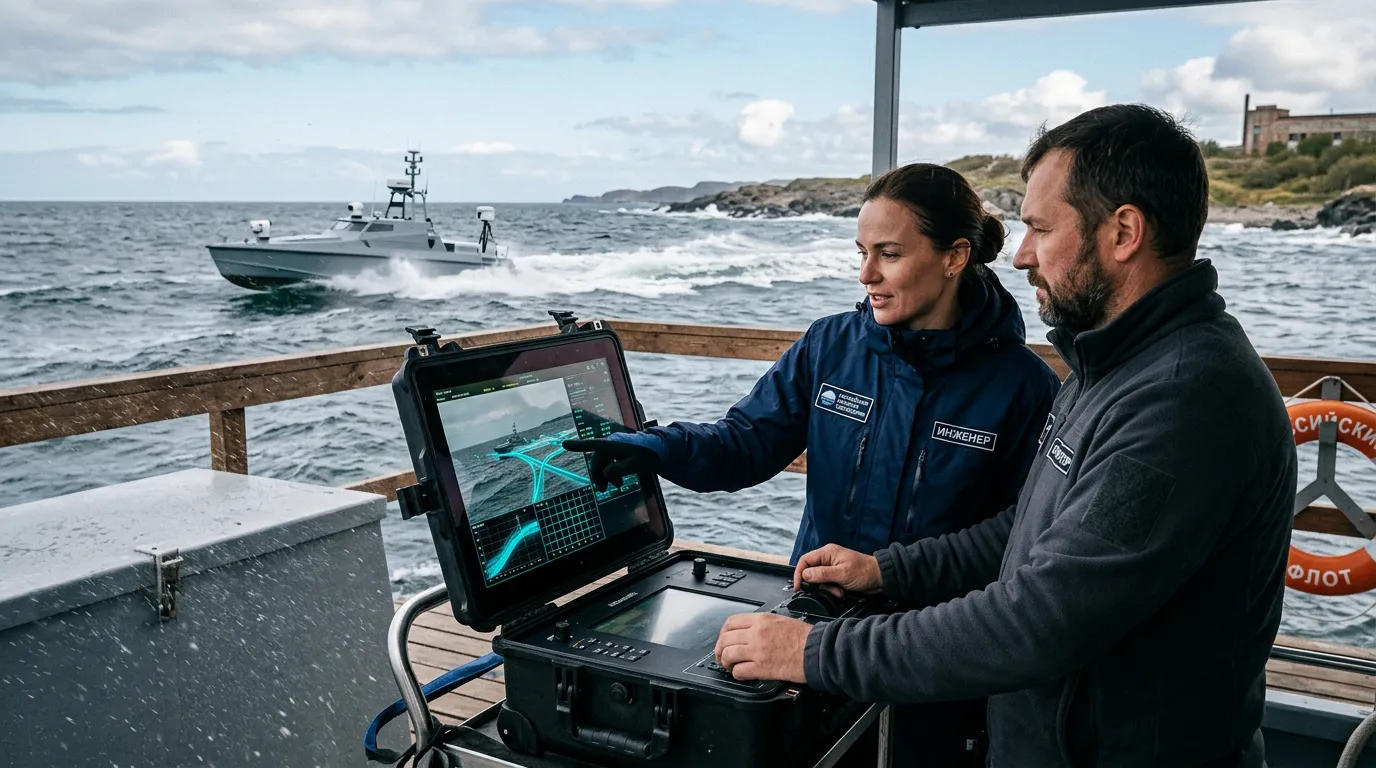
Sitronics KT, part of Sitronics Group, has completed sea trials of the Strannik 575 uncrewed surface vessel (USV), the second vessel in its civilian line of logistics USVs. The tests were conducted in the Gulf of Finland at the Primorsk Training and Research Station of St. Petersburg State Marine Technical University. Engineers tested autonomous navigation, obstacle-avoidance algorithms, optical video analysis, route-following accuracy, vessel behavior under load and the ability to switch to remote control.
The Strannik 575 is 5.7 meters long, can carry up to one ton of cargo and has a cruising speed of up to 50 kilometers per hour. Its key feature is an autonomous navigation system that analyzes its surroundings and adjusts the vessel’s movement without a person on board. The significance of the trials is that Russian autonomous shipping technologies are moving from the experimental stage toward practical use.
For Russia, the project is part of the development of the digital economy and marine robotics, with vessels equipped with their own decision-making systems, computer vision and intelligent algorithms. The project also has a government-use dimension: the Strannik is planned for a joint project by the Central Election Commission of Russia and Sistema to deliver election materials to hard-to-reach areas of the Arkhangelsk region. This shows that uncrewed marine technologies can serve not only commercial operations but also government services.
Routes and Horizons
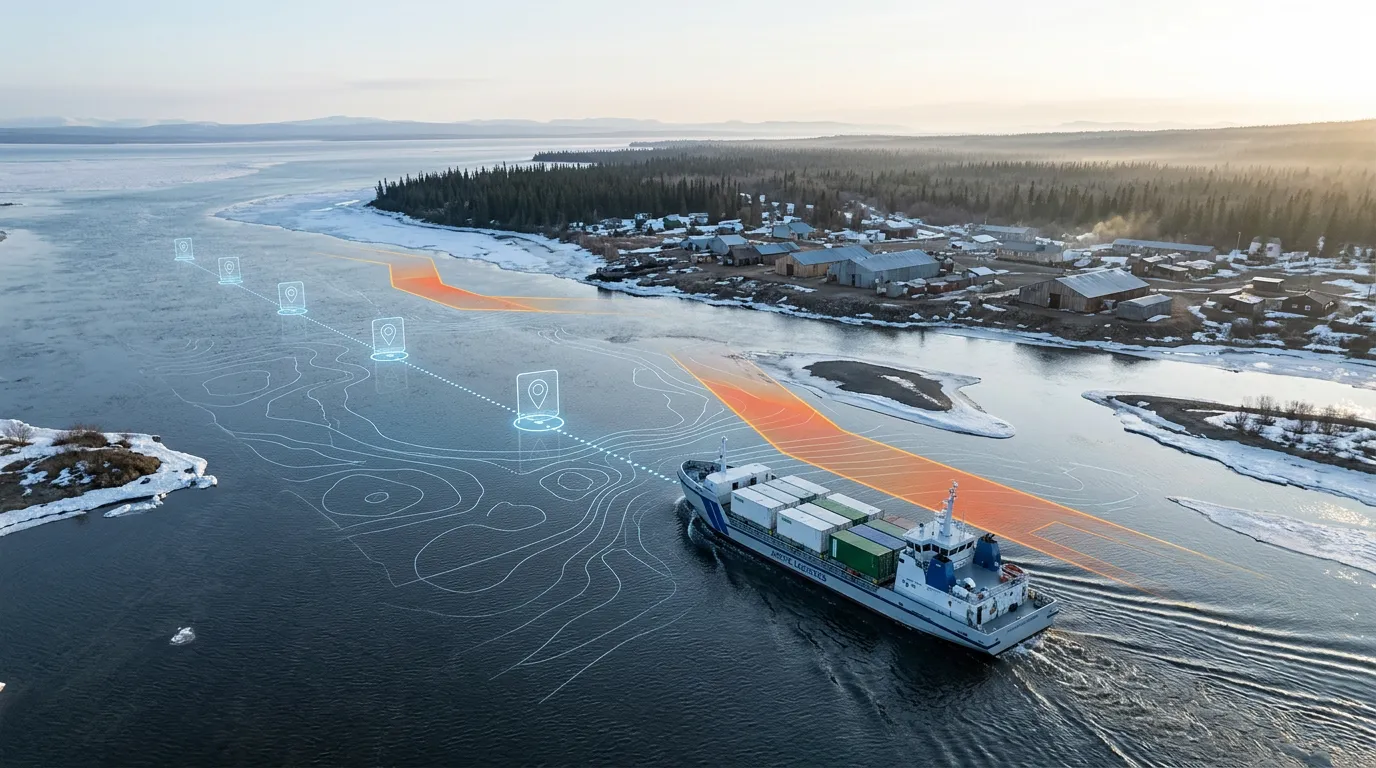
The prospects for uncrewed vessels in Russia are primarily tied to domestic logistics. Obvious applications include delivering cargo between islands and the mainland, servicing remote industrial facilities, transporting equipment for the oil and gas sector, monitoring marine environments, conducting hydrographic surveys and supplying northern territories. Experimental operation of the Strannik has already demonstrated its practical value: in 2025, the boat traveled about 140 kilometers in autonomous mode, delivering medicines, communications equipment and other goods to Moneron Island in the Sakhalin region. Regions with extensive water routes, including the Russian Far East, the Arctic and northern European Russia, are a natural testing ground for broader deployment.
There is also export potential for Russian IT solutions for autonomous navigation, as these technologies could be in demand in countries with long coastlines, developed river infrastructure and challenging logistics for remote territories. However, access to international markets will depend on the ability to obtain certification, adapt solutions to different countries’ standards and compete with foreign manufacturers.
From Support Systems to Autonomous Vessels
In 2022, under the Avtonomnoye sudovozhdeniye (Autonomous Navigation) federal project, the main effort was focused on developing digital control, navigation and communications systems for the commercial fleet. Companies began introducing autonomous capabilities.
By 2023, Russian developers had moved to testing autonomous waterborne transport technologies, while an infrastructure for marine robotics had taken shape, including test sites and cooperation between companies and universities. In 2024, the focus shifted to practical applications, including improvements in computer vision, navigation and control under real-world operating conditions.
In 2025, Sitronics KT introduced the Strannik line and conducted the first practical experiment involving cargo deliveries to Moneron Island. That same year, together with St. Petersburg State Marine Technical University, the company developed an algorithm to improve the navigation accuracy of uncrewed vessels under the effects of wind, waves and currents. By 2026, trials of the Strannik 575 had demonstrated that the solution is ready for regular use.
Technology Takes to the Water
Trials of the Strannik 575 mark an important stage in the development of Russia’s autonomous transportation sector. The project shows that Russian companies can build complex products by combining artificial intelligence, navigation, computer vision and robotics. More broadly, the Strannik 575 can be seen as an example of Russia’s digital economy moving beyond software development toward complex cyber-physical systems, where software serves as the foundation for controlling real-world assets, in this case autonomous vessels.