

“We Are Building a New World”: Sber’s Digital Marathon to Bring Together Talent From Across Russia
The large-scale competition focused on developing IT skills, with a prize pool of up to one million rubles (approximately $12,000), is expected to bring together 110,000 participants from across the country. The contest offers free learning opportunities and practical challenges designed for participants at any skill level.
110,000 Ambitions
“110,000 people is an enormous scale. It is encouraging to see so many people linking their future with digital technologies, skills, and professions,” said Maksut Shadaev, Russia’s Minister of Digital Development, Communications, and Mass Media. The third Tsifrovoy Marafon (Digital Marathon) sets a high bar from the outset. Registration is open until April 3, 2026, and from the very start it is clear that this IT skills competition, run in partnership with Shkola 21 (School 21) and Netologiya (Netology), is designed to operate at national scale.
Any Russian citizen over the age of 18 can take part, regardless of region or professional background. The format is built to accommodate different levels of preparation, while being unified by a single idea – testing practical, real-world digital skills. The competition officially opened at the Shkola 21 campus in SberCity, setting the tone for an event positioned at the intersection of education and applied technology.
“Together, we are building a new world where nothing can be created without digital tools. Take SberCity as an example – the city where we are today. It was first designed virtually and only then implemented in the real world,” said German Gref, President and Chairman of the Management Board of Sberbank.
A Marathon of Ideas
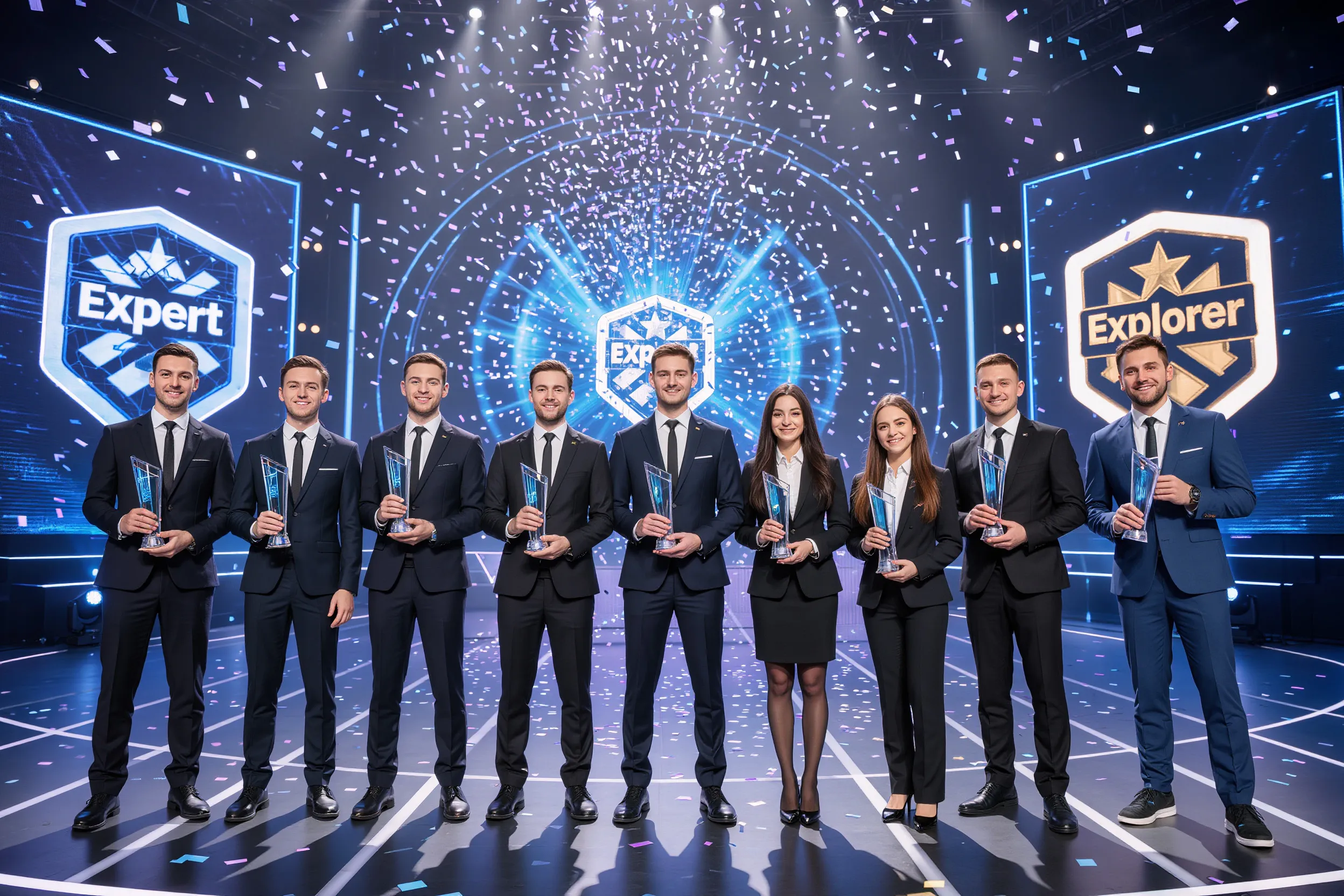
The division into three categories – Beginner, Researcher, and Expert – removes one of the main barriers common to large-scale competitions: the fear of being compared directly with seasoned professionals. Participants compete within their own skill tier, while following a shared set of rules. The contest is structured as a sequence of four stages, three of which take place online, followed by an in-person final.
The educational stage covers areas that currently dominate labor market demand, including artificial intelligence, machine learning, cybersecurity, and algorithms. All courses are available free of charge to registered participants. This is followed by online testing and then a practical stage, where participants develop working code and publish it in a repository on the GitVerse platform.


Tsifrovoy Marafon is open to a broad audience, but it ultimately rewards those who move beyond curiosity about IT and demonstrate the ability to work with concrete tasks and code. In the longer term, the project looks positioned to become a sustainable annual practice, with potential integration into formal education pathways and industry HR tools. Another possible direction is the expansion of thematic tracks – from AI to cybersecurity – where the marathon format has already shown its effectiveness as a learning and assessment model.

Playing the Long Game
Previous seasons of Tsifrovoy Marafon have gradually expanded their reach while increasing structural complexity. Each iteration has strengthened the educational component. One of the competition’s core strengths is the tight linkage between learning and practice. Partnerships with major education platforms make the training applied rather than theoretical, while the marathon itself responds directly to market demand for qualified specialists.
The introduction of a regular final stage and a clear selection system – with 30 finalists each in the Researcher and Expert categories – has turned the marathon into a reproducible model rather than a one-off event.
When the Reward Is the Chance to Be a Driving Force
Each category of Tsifrovoy Marafon offers three prize-winning positions, adding a layer of motivation. The winner at the Expert level receives one million rubles (around $12,000), the Researcher level offers 500,000 rubles (approximately $6,000), and prize winners in the Beginner category receive valuable awards and educational opportunities. Still, the competition is not framed as a race for money alone. For most participants, the real value lies in the assessment process itself – from the first tests to the final tasks, where mistakes become part of learning and forward progress.

Reflecting on this idea, German Gref noted: “No product can be effective if its owner does not understand which system to use to define a task. The role of humans in this process remains enormous. People are the main driving force behind the development of neural networks, because only those who deeply understand how they work can create them.”