Autonomous PipeSense Sensor: A Student-Built Device Could Change Pipeline Diagnostics
An intelligent sensor being developed by a NovSU student could significantly improve pipeline protection against failures. Preliminary estimates suggest that installing the device could cut diagnostic costs by 10 to 15 times.

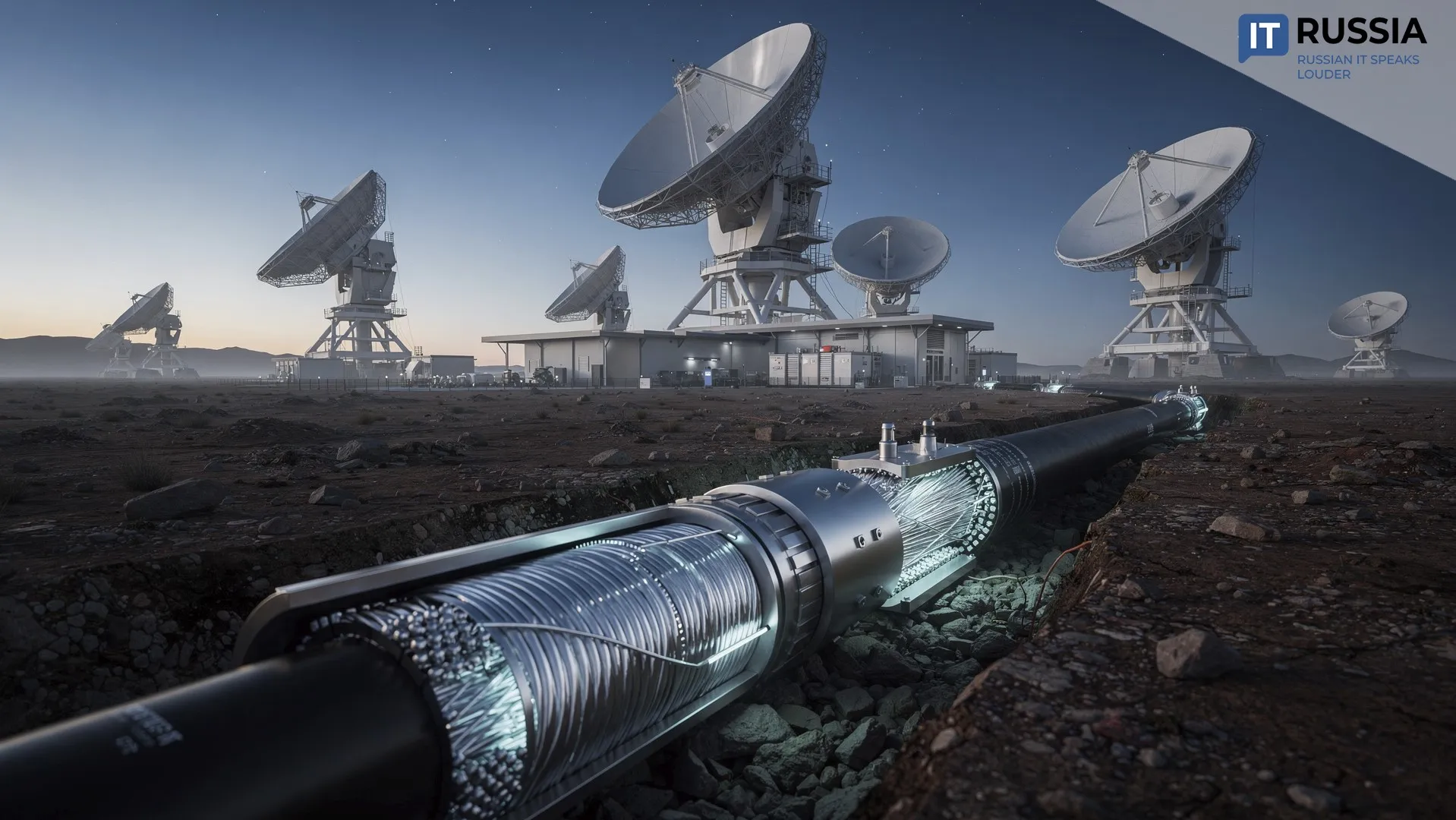
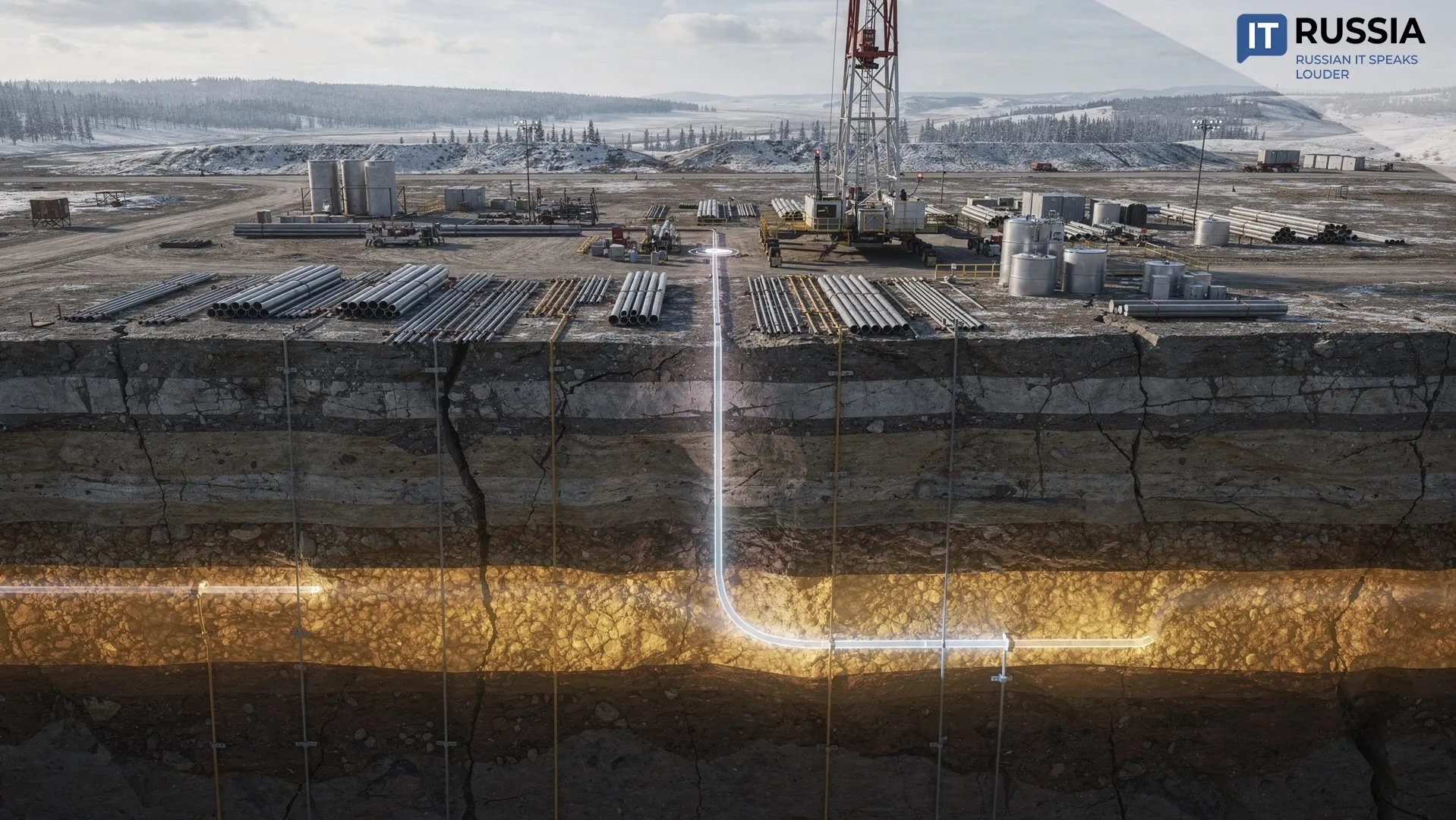
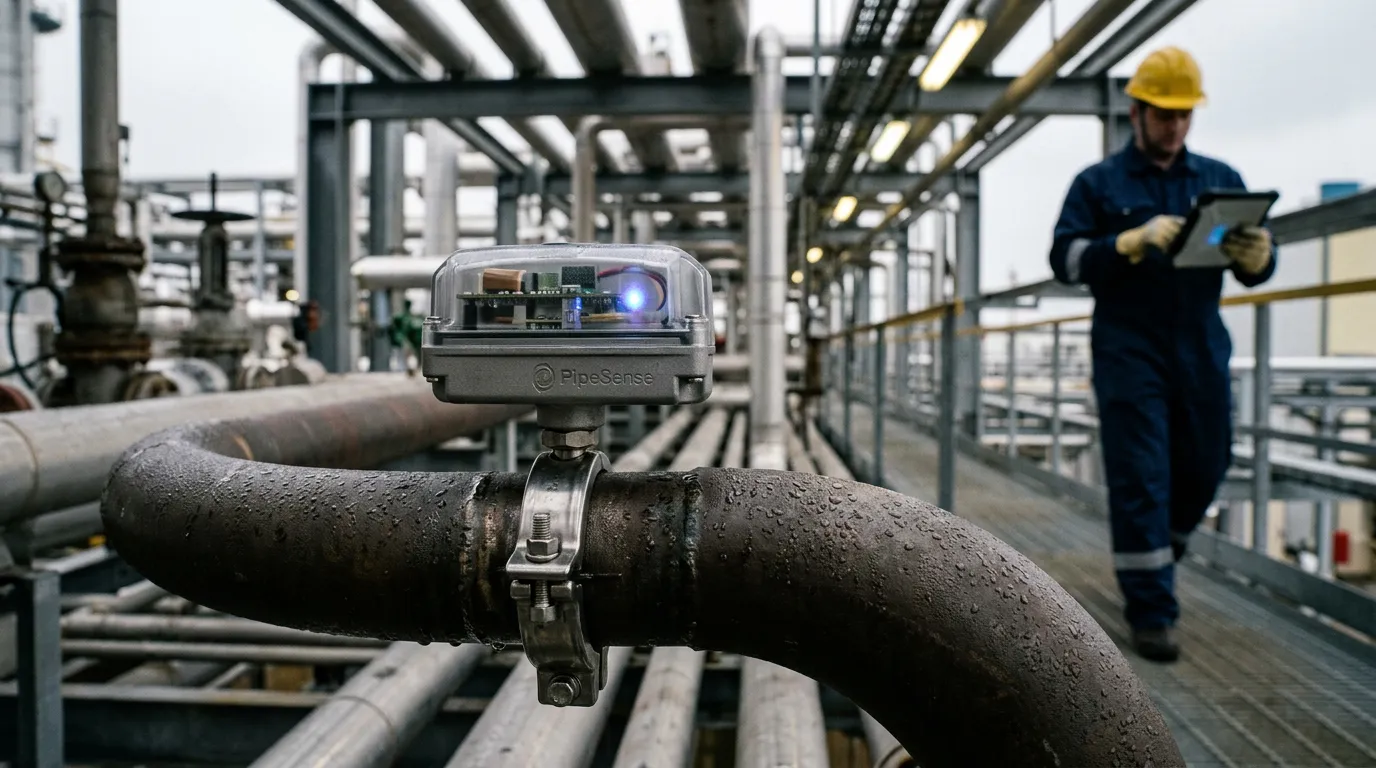
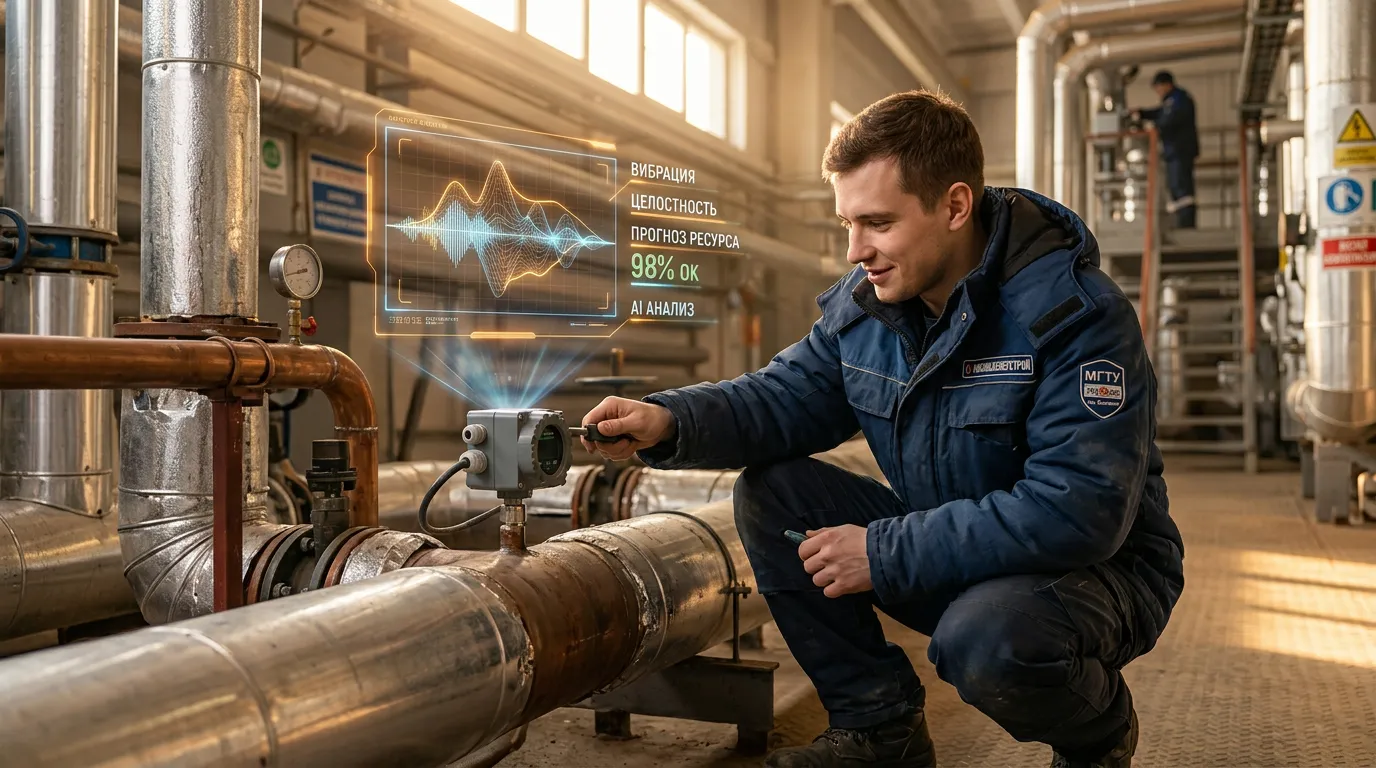
Daniil Averin, a student at the Polytechnic Institute of Novgorod State University, is developing the autonomous PipeSense sensor for pipeline monitoring in utilities, district heating and the oil and gas industry. The smart sensor tracks pipeline conditions and uses the data to detect damage associated with leaks, failures, wear and deformation of the pipe walls. Each of these events has its own vibration profile, which is analyzed by TinyML, an autonomous artificial intelligence model built into the sensor. It identifies abnormal frequencies and can distinguish critical situations from random external effects.
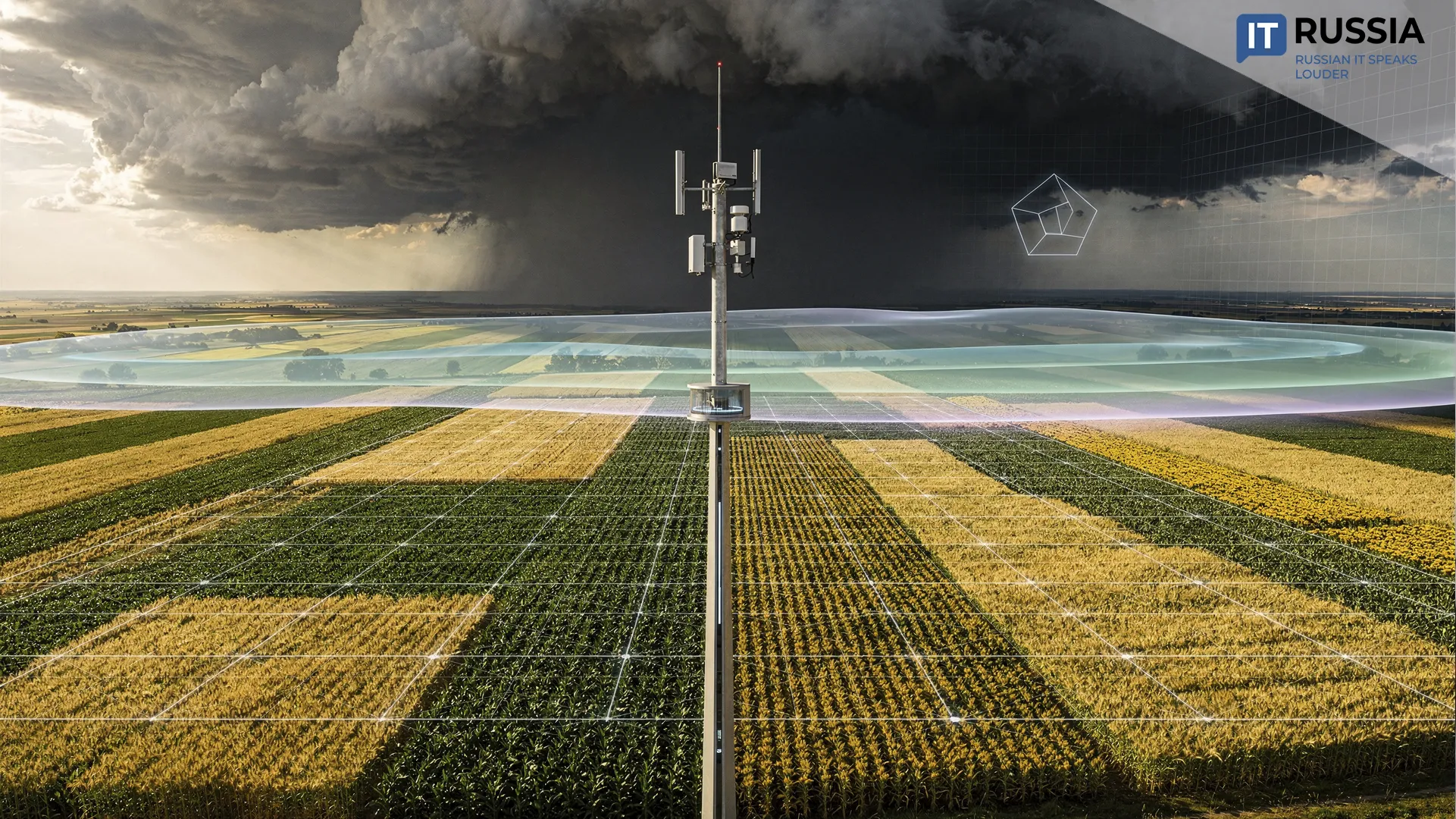
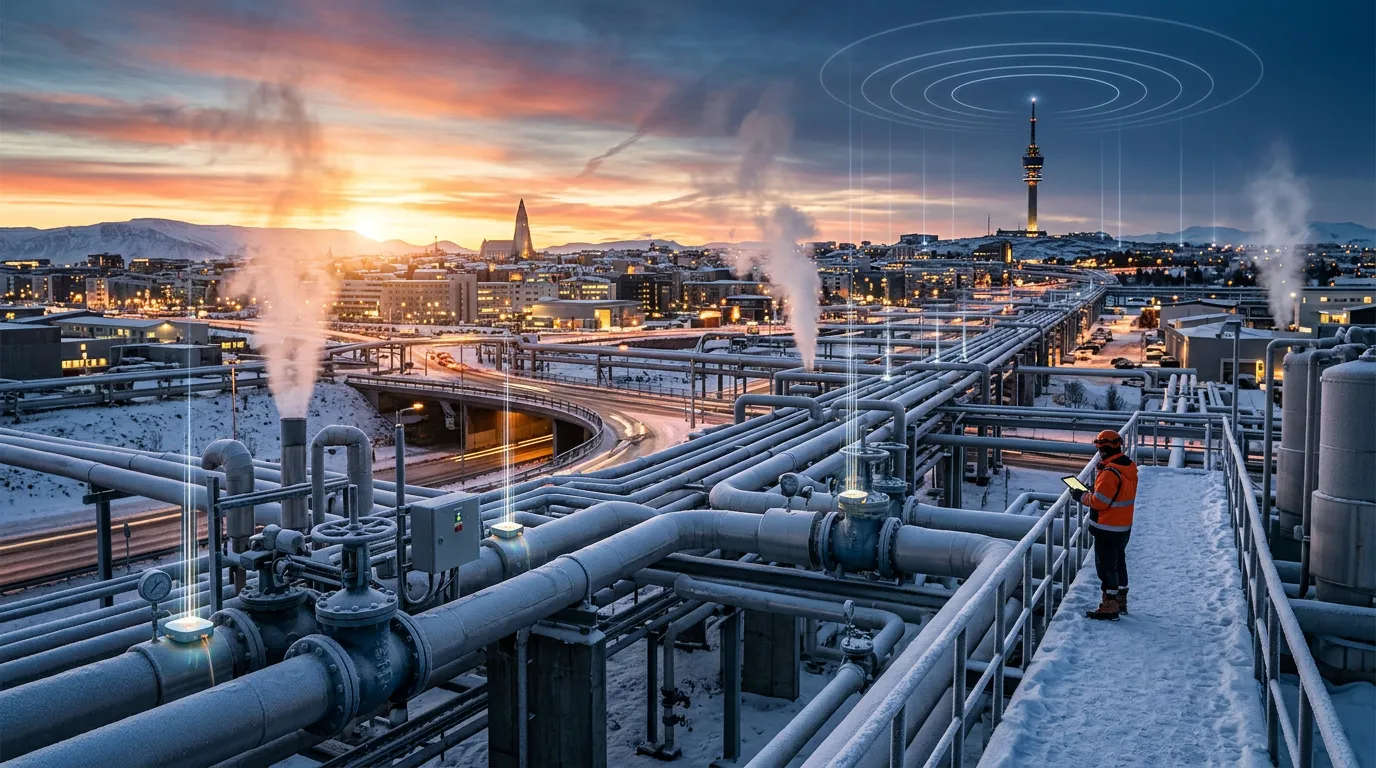
The device operates autonomously and does not require batteries. It transmits data using the energy-efficient LoRaWAN technology, which provides connectivity over distances of up to five kilometers. Multiple sensors can be networked to communicate with a control center. That eliminates the need to build complex infrastructure along long-distance facilities, allowing network operators to make significant savings. It also reduces the need to inspect pipelines with drones or through on-site visits by professionals.
Preliminary estimates put the cost of a single sensor at 10,000 to 20,000 rubles (about $120 to $240), while large-scale deployment could substantially reduce the cost of diagnostics. The project has already received a grant from the Foundation for Assistance to Small Innovative Enterprises through its Umnik-2026 competition.
AI Works From Home
Daniil Averin’s development follows the global trend toward edge AI, or artificial intelligence that runs directly at the network edge. That allows changes in the condition of monitored assets to be detected and addressed more quickly because data does not have to be continuously sent to and processed by centralized systems.
In the near term, among Averin’s priorities is expansion of the database of pipeline vibration profiles, training the AI built into the PipeSense sensor using that data and testing the devices under real-world conditions.
If the project succeeds, it could attract investors. In particular, several major market players established the PARUS Consortium (Predictive Analytics and Robotization of Pipeline Systems) in spring 2026 to pool their resources and build a smart network management system. Companies such as Rosvodokanal Group need solutions like PipeSense for deployment across their infrastructure. If the devices enter industrial operation and demonstrate their effectiveness, they could also have strong export prospects in the markets of friendly countries.
From Energy to Utilities
Russia began actively deploying intelligent systems for monitoring the technical condition of pipelines in the 2020s. For example, RN-BashNIPIneft developed an information monitoring system that not only performed diagnostics but also provided recommendations for planning maintenance work. Its deployment at Rosneft subsidiaries began in 2023.
Since 2020, Mosvodokanal has been using AI to analyze data collected by acoustic leak-detection sensors. In 2025, the company also announced the start of a project to deploy a “digital twin of the water utility” based on neural network technologies.
Overall, the past few years have brought a shift from individual sensors toward networks of connected devices that continuously monitor extensive pipeline infrastructure. Meanwhile, predictive analytics algorithms process the incoming data, allowing operators to respond not only to failures that have already occurred but also to predict critical defects and fix them in advance.
Affordable Monitoring Becomes a Reality
The NovSU student’s development shows that intelligent monitoring can now be accessible not only to large companies. In the coming years, demand for such solutions is expected to grow across virtually every participant in the oil and gas, energy and utilities sectors. According to industry forecasts, by 2030, smart sensors, robots and AI will monitor virtually all pipelines in Russia.