GeoAI From Sber Aims to Transform Land Management
Sber has introduced GeoAI, a suite of AI models designed to support territorial management, from monitoring soil degradation and desertification to controlling invasive plant species.
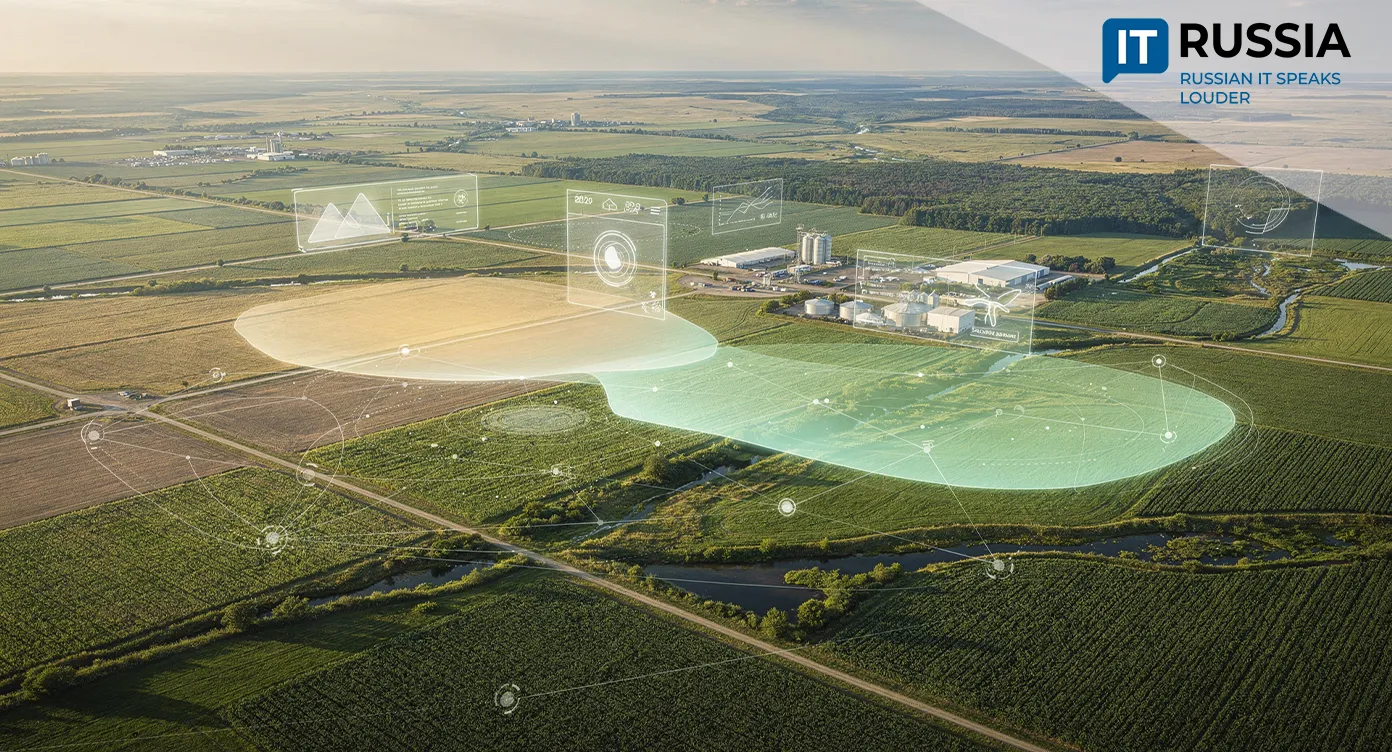
The platform has already been tested in 10 Russian regions. Since February of this year, Sber has also launched 12 pilot projects across the country to help regional governments adapt to environmental and social challenges.
Environmental Balance Modules
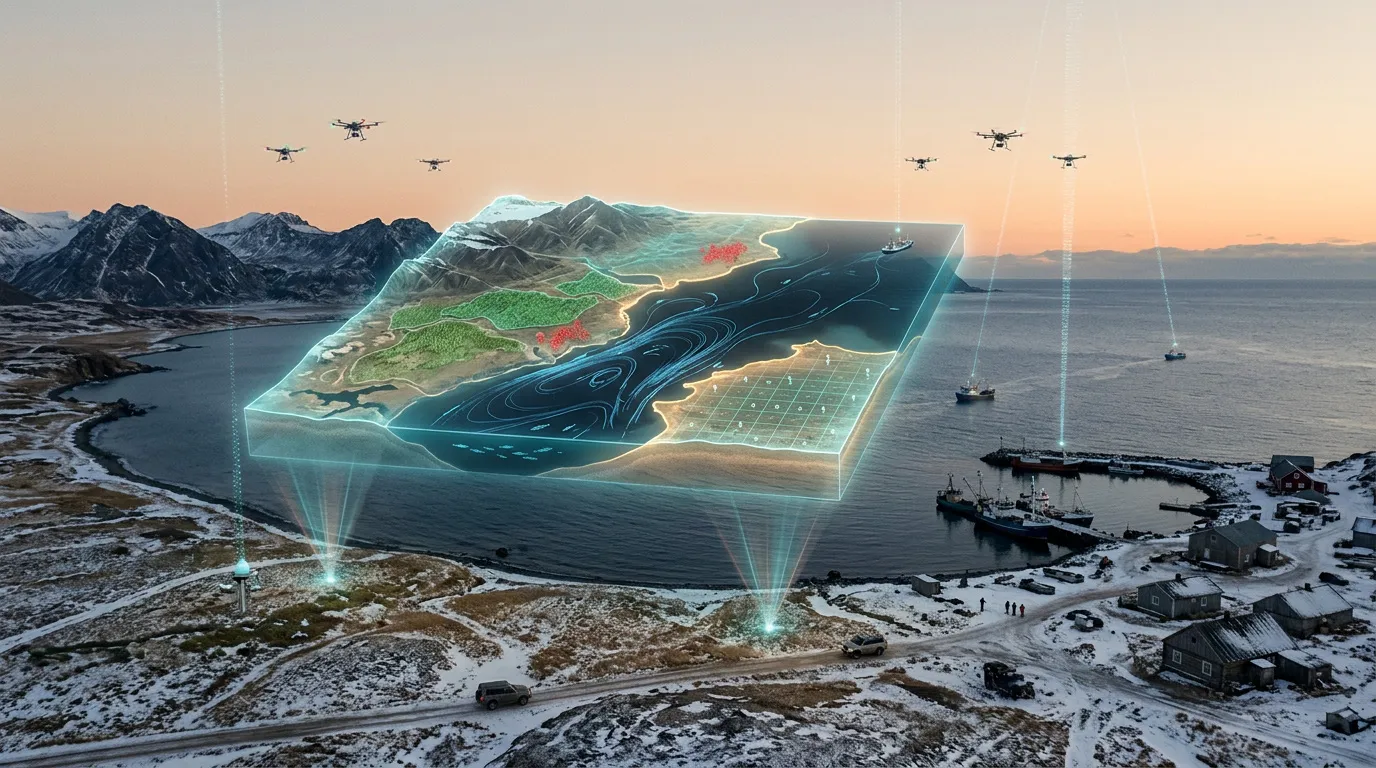
GeoAI is built as a modular platform, allowing users to combine different analytical capabilities as needed. Using geospatial data, its AI models identify idle agricultural land, monitor soil degradation, and detect invasive plant species. Beyond that, the system can model the movement of schooling fish for commercial fisheries and assess forage availability in northern territories to optimize livestock grazing routes.
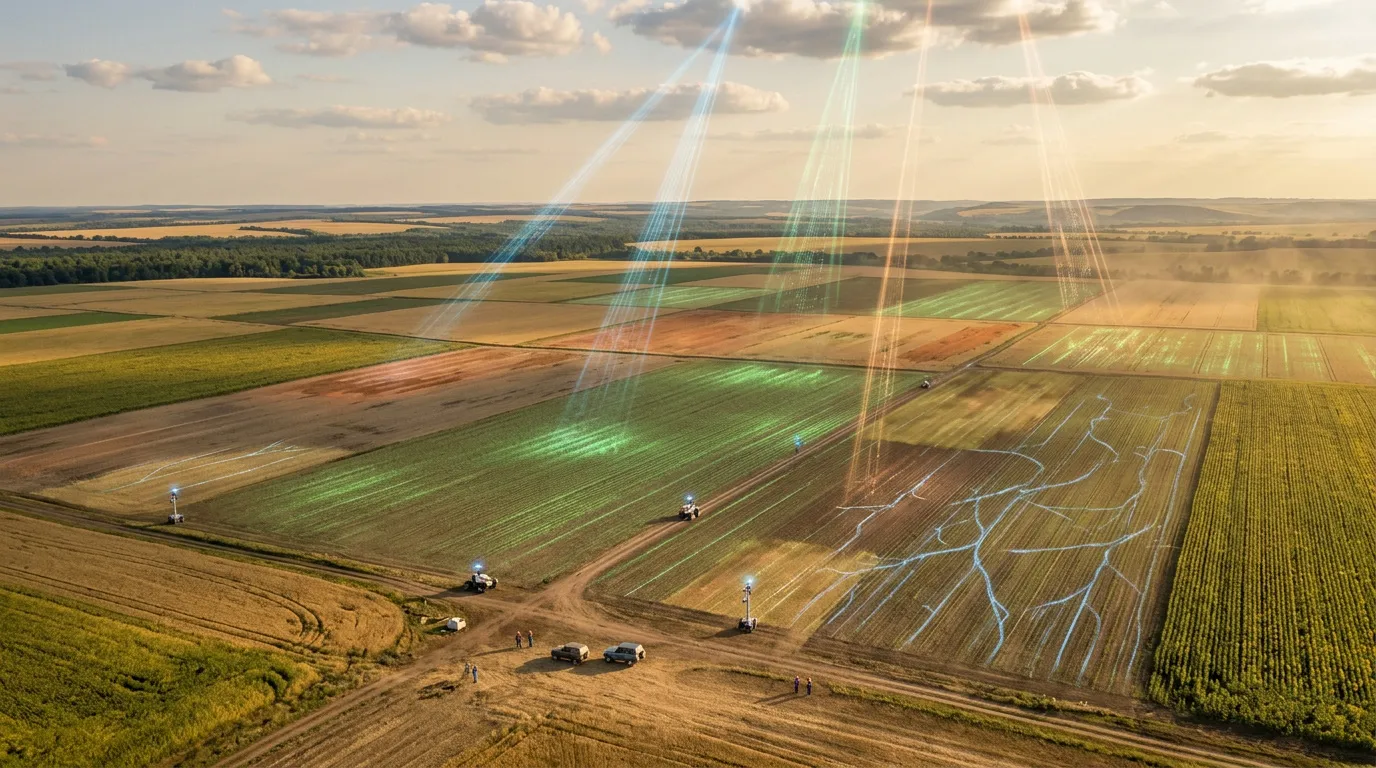
According to Sber, citing data from Rosstat and the Ministry of Agriculture, between 20 million and 40 million hectares of land suitable for farming remain unused in Russia. GeoAI is designed not simply to quantify those idle resources but to help return them to productive use. Even bringing just 10% of that land back into cultivation could increase agricultural GDP by tens of billions of rubles annually (hundreds of millions of U.S. dollars).
More efficient use of agricultural land and greater resilience across the farming sector can strengthen food security. Together with other Russian IT platforms built on big data, satellite imagery, and industry-specific analytics, GeoAI is expected to expand productive farmland while maintaining environmental balance. Some GeoAI modules are already reducing farmers' operating costs by 15% to 20% through comprehensive field monitoring.
Fertile Ground for Growth
In 2021, Sber introduced Agro AI, a platform that used satellite imagery to forecast crop yields for agricultural businesses. The service enabled producers to evaluate how specific management decisions would affect future harvests using real-world data. In 2023, AI analyzed unused farmland in the Moscow Region, identifying nearly 1,000 sites covering approximately 48,000 hectares. A year later, artificial intelligence became part of the FGIS Ekomonitoring (Federal State Information System "Environmental Monitoring") platform, which covers 16 environmental domains ranging from permafrost conditions to air quality.
Last year, Russia's Federal Forestry Agency significantly expanded remote forest monitoring, marking another step in the digital transformation of land resource management. This year, the government updated its Digital Transformation Strategy for Agriculture and the Fisheries Sector through 2030. Among its key priorities are achieving "digital maturity" and enabling centralized analysis of sector-wide performance indicators.
Demand for geospatial analytics platforms continues to grow, and GeoAI could also attract international interest. In 2025, for example, discussions began on using agricultural land monitoring technologies developed by Terra Tech as a foundation for BRICS countries, which together account for more than 30% of the world's agricultural land and produce food for roughly half of the global population.
Toward Digital Maturity
GeoAI has the potential to return millions of hectares to productive use, improve agricultural productivity, and strengthen the digital maturity of sectors that depend on land, water, and biological resources.
The platform transforms fragmented collections of satellite imagery, maps, and sector-specific statistics into actionable management decisions. Following successful pilot deployments, it is likely to be integrated with government information systems. Additional modules are expected to follow, including tools for forestry and water resource management. Sber is building a smarter approach to territorial management, an increasingly important capability as climate change accelerates and countries seek to strengthen domestic food production.