Cow AI System Could Extend Dairy Cows' Productive Lives
Researchers at the Timiryazev Academy have developed an AI-powered system that detects early signs of musculoskeletal disorders in dairy cows with 97% accuracy.
Musculoskeletal disorders rank among the three most significant challenges facing Russia's dairy industry. Holstein cattle, the country's most widely used dairy breed, are particularly sensitive to housing conditions. According to industry estimates, lameness costs a farm with 10,000 cows about 24 million rubles (approximately $310,000) each year. Digital systems capable of identifying disease at an early stage could help farmers preserve herd health by enabling treatment before conditions worsen, extending an animal's productive lifespan severalfold.
Digital Gait Assessment
Researchers at the Project Institute for Digital Transformation of the Russian State Agrarian University - Timiryazev Moscow Agricultural Academy (RSAU - MTAA) have developed an intelligent platform that analyzes biomechanical indicators of animal health together with linear conformation traits to enable early detection of lameness in cattle.
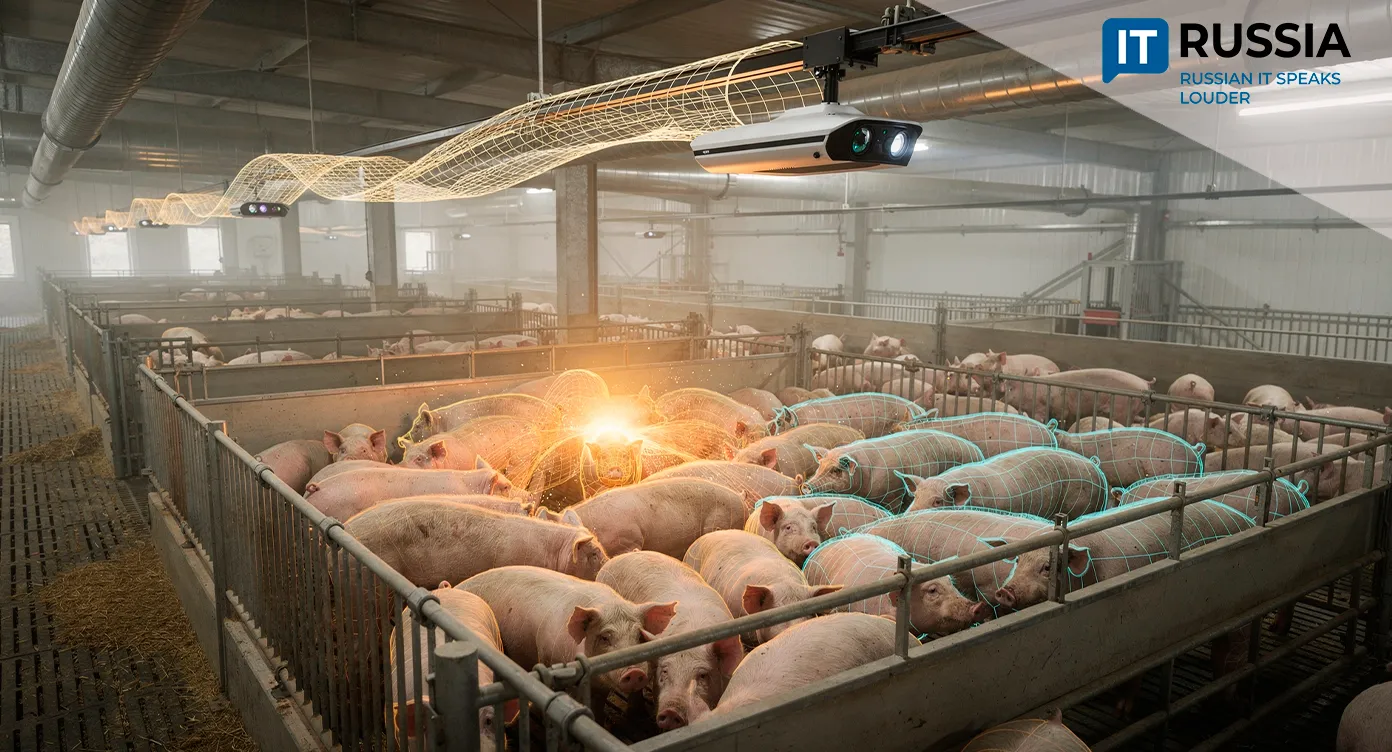
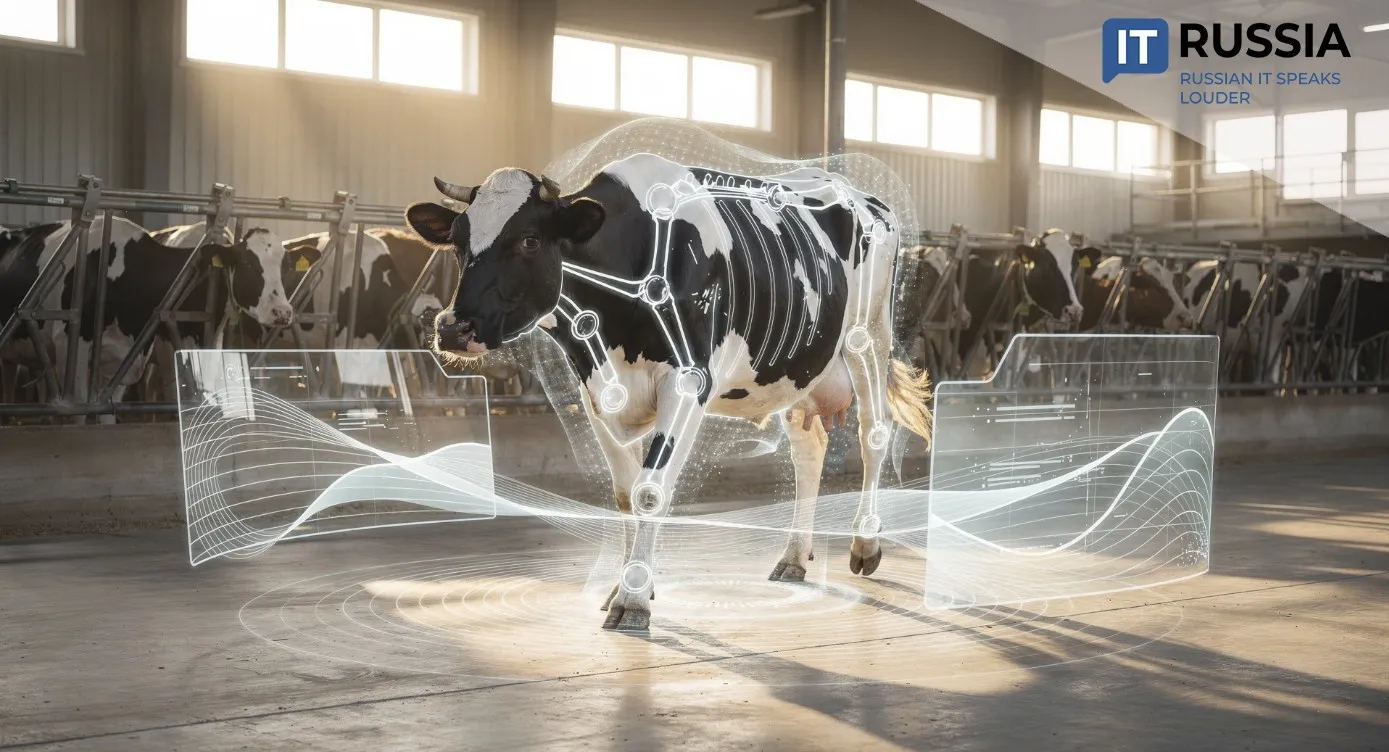
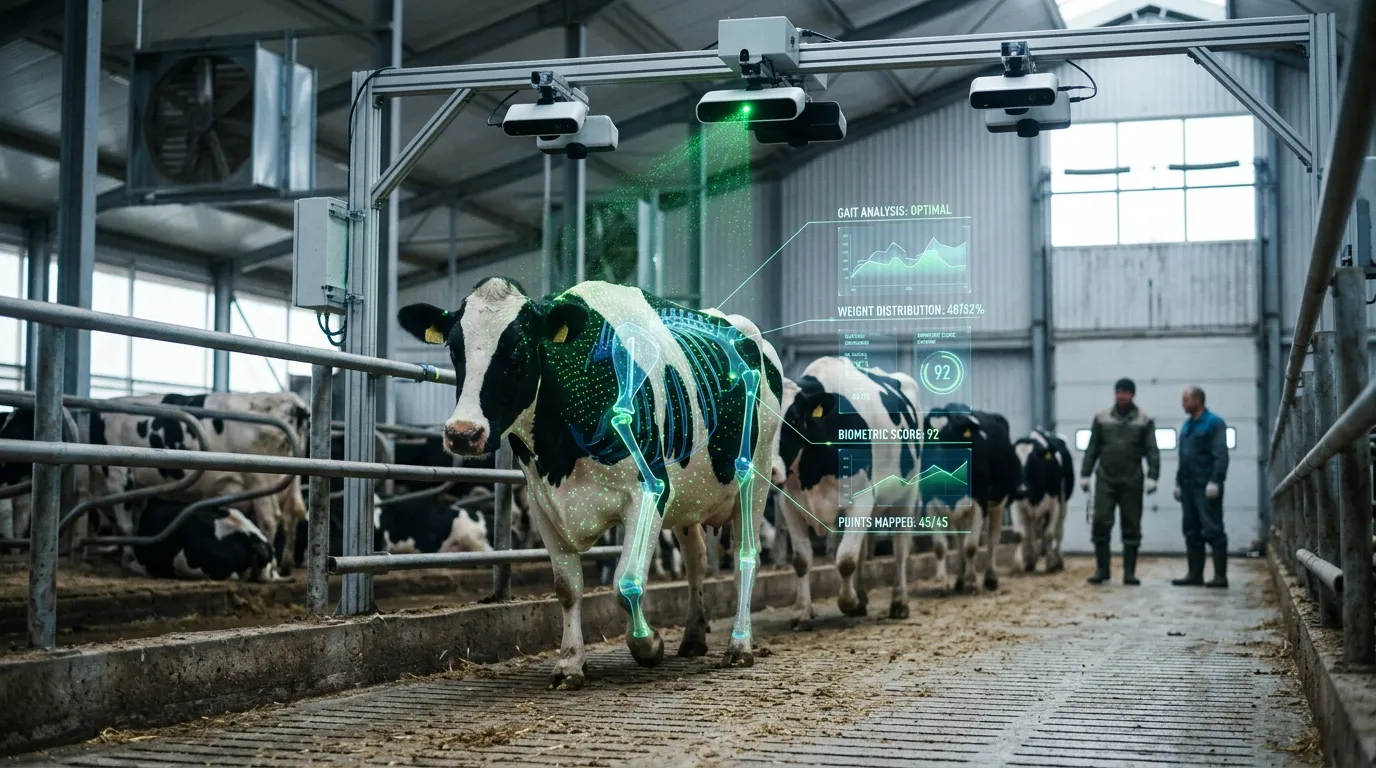
The platform combines computer vision, thermal imaging, 3D video capture and artificial intelligence. Its AI-powered digital phenotyping system records animal movements, analyzes gait using cameras and neural network algorithms, and identifies the earliest signs of lameness. It then creates a digital profile for each animal containing health data along with veterinary and zootechnical assessments. One distinguishing feature of the system is the number of tracking points placed on the animal's body: it analyzes 45 points, while comparable systems typically use 24.
"That allows us to eliminate situations where animals block one another from view. It also improves gait analysis when an animal is not moving in a straight line and gives us a clearer picture of its health parameters. Our model achieves accuracy exceeding 97%," said Sergey Lapshin, the team's lead technologist, programmer and data engineer. Detecting pathology at an early stage makes it possible to treat animals sooner and extend their productive lifespan.
A New Level of Breeding Management
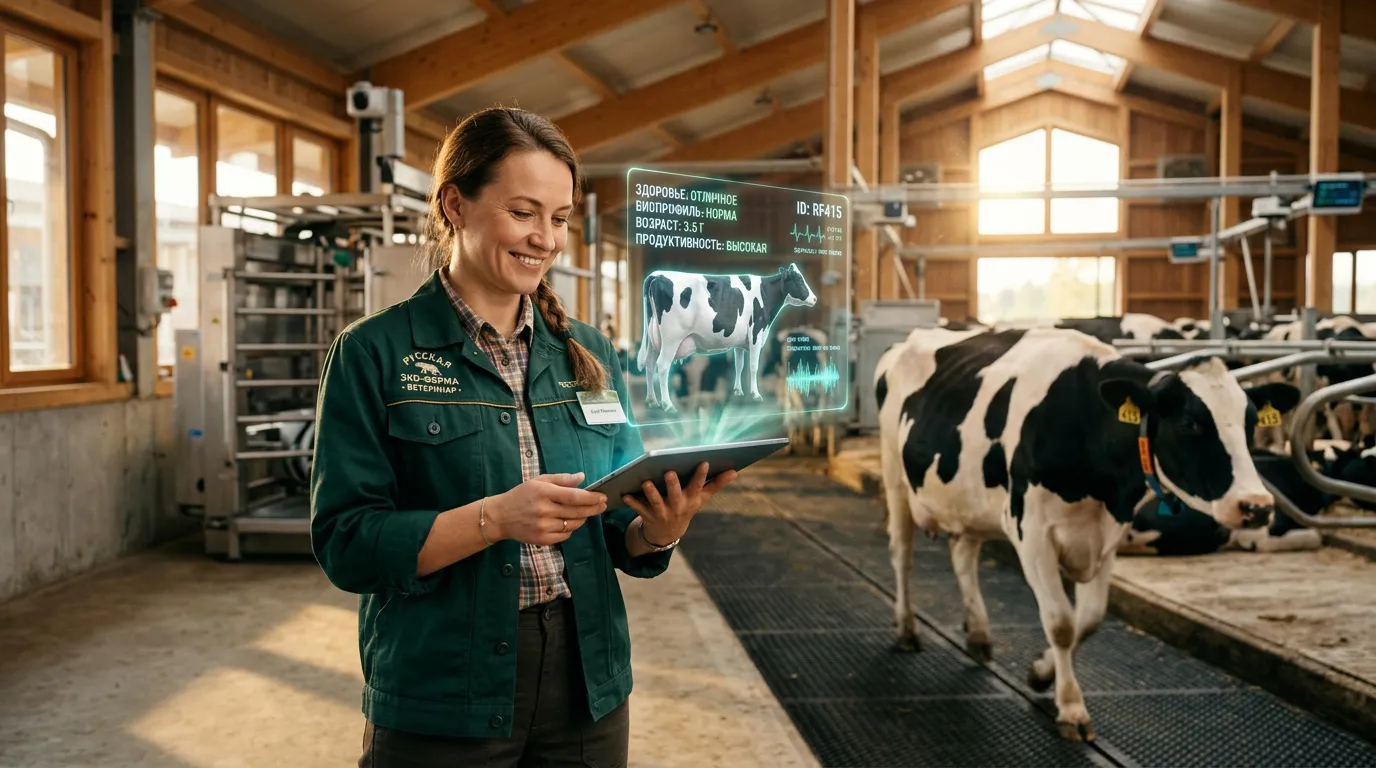
The platform does more than identify musculoskeletal disorders. It also automates the linear conformation assessment process for cattle. Traditionally, that work requires manual measurements, making it highly labor-intensive. Yet those assessments play an important role in breeding programs and management decisions related to herd development. The new platform derives the necessary information from RGB images and depth-camera data. It automatically reconstructs an animal's body geometry, calculates conformation measurements and generates a digital profile for each individual.
"We have developed not only a real-time AI algorithm but also a methodology for camera placement, along with technical requirements for the cameras themselves. In the future, we plan to establish a standardized framework for conformation assessment, phenotyping and animal health evaluation. Other systems seeking widespread deployment will need to comply with this methodology," said Anastasia Grecheneva, Director of the Project Institute for Digital Transformation of the Agro-Industrial Complex at the Timiryazev Academy, Candidate of Technical Sciences and Associate Professor in the Department of Applied Informatics.
The Growth of Smart Farms in Russia
The platform is already attracting interest from the agricultural sector and is effectively being developed in response to requests from livestock producers. "We work closely with major dairy companies including Zalesye, Molvest and EkoNiva, all of which are partners in this project. We also cooperate with Agroeko through its dairy business operating under the Ekopole brand. Livestock specialists and veterinary orthopedists are focused on treating animals, leaving little time for prevention and routine monitoring. That is exactly where AI can make a difference. It does not replace people, but it helps them identify patterns and detect events based on established biological indicators," Grecheneva said.
According to the developers, Russia's agricultural sector loses around 30 billion rubles (approximately $390 million) each year because of cattle health problems. The new platform is expected to improve the productivity of veterinarians and livestock specialists while reducing losses caused by delayed disease detection.
Its greatest advantage is the ability to monitor an entire herd simultaneously using computer vision, automatically identifying animals that require closer attention while generating forecasts for their future health and development.
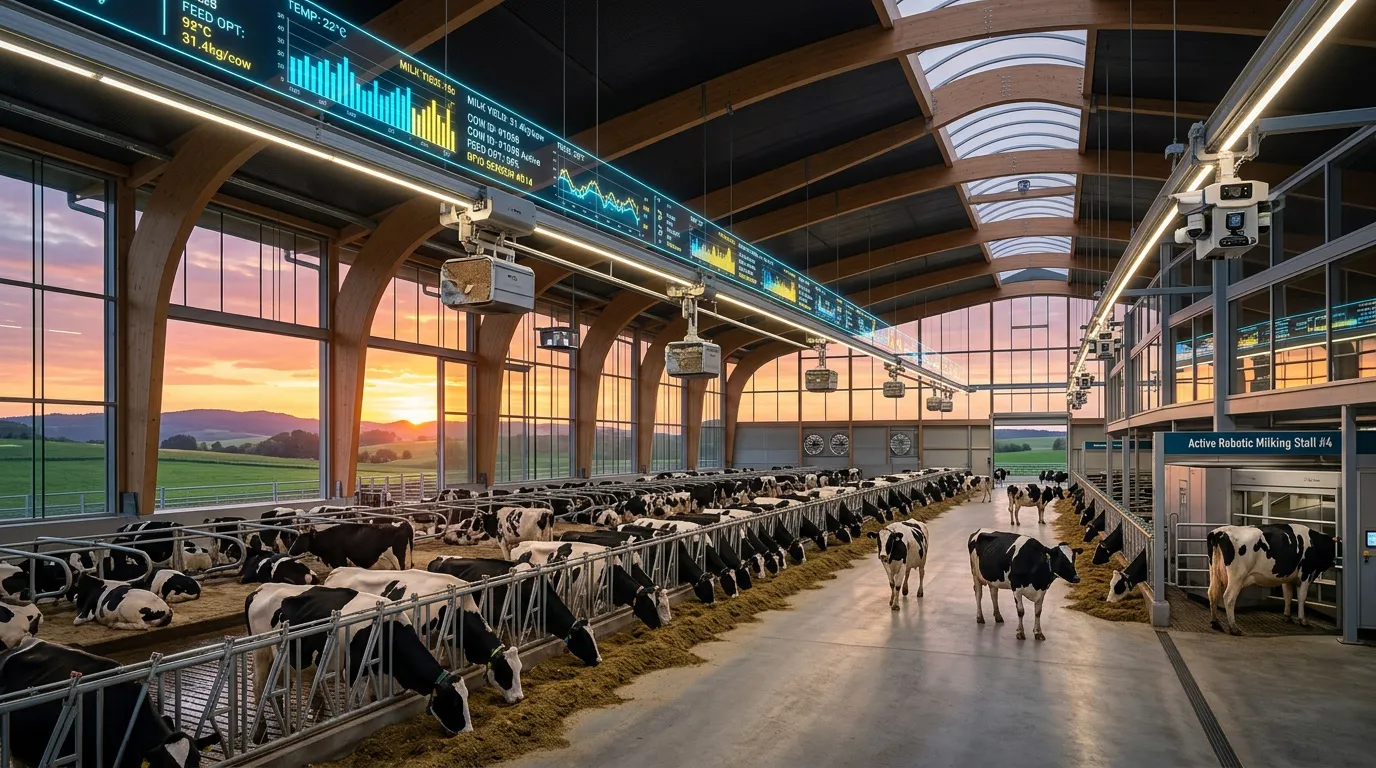
Integrating the Timiryazev Academy platform into smart farm ecosystems that combine feeding systems, veterinary services, farm management, logistics and agricultural insurance platforms could give producers a more effective way to oversee livestock operations as a whole. Agricultural holdings would gain digital tools capable of supporting livestock production based on Industry 4.0 principles.