When Smartphones Become Satellite Phones
The next phase in connectivity is approaching fast. Russian company Sputnix is working to deploy Direct-to-Cell technology, enabling direct links between satellites and smartphones.
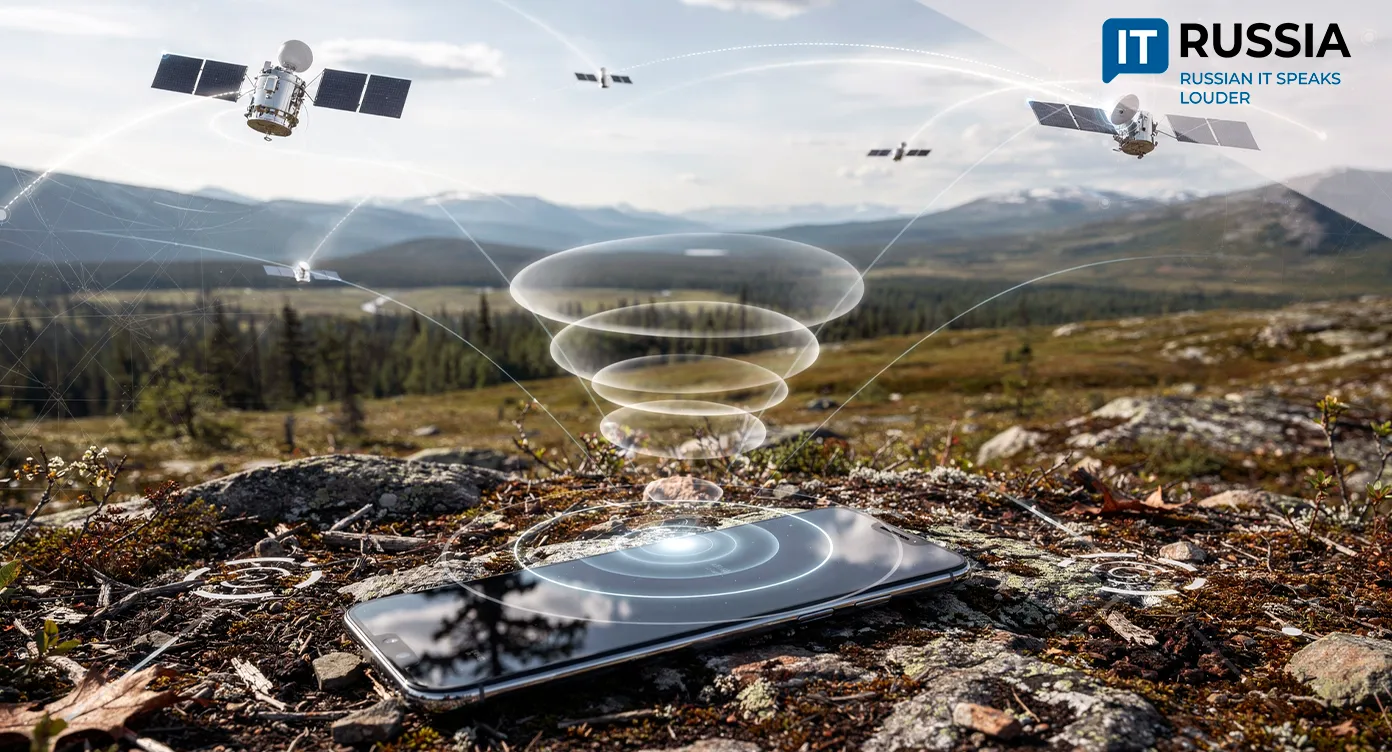
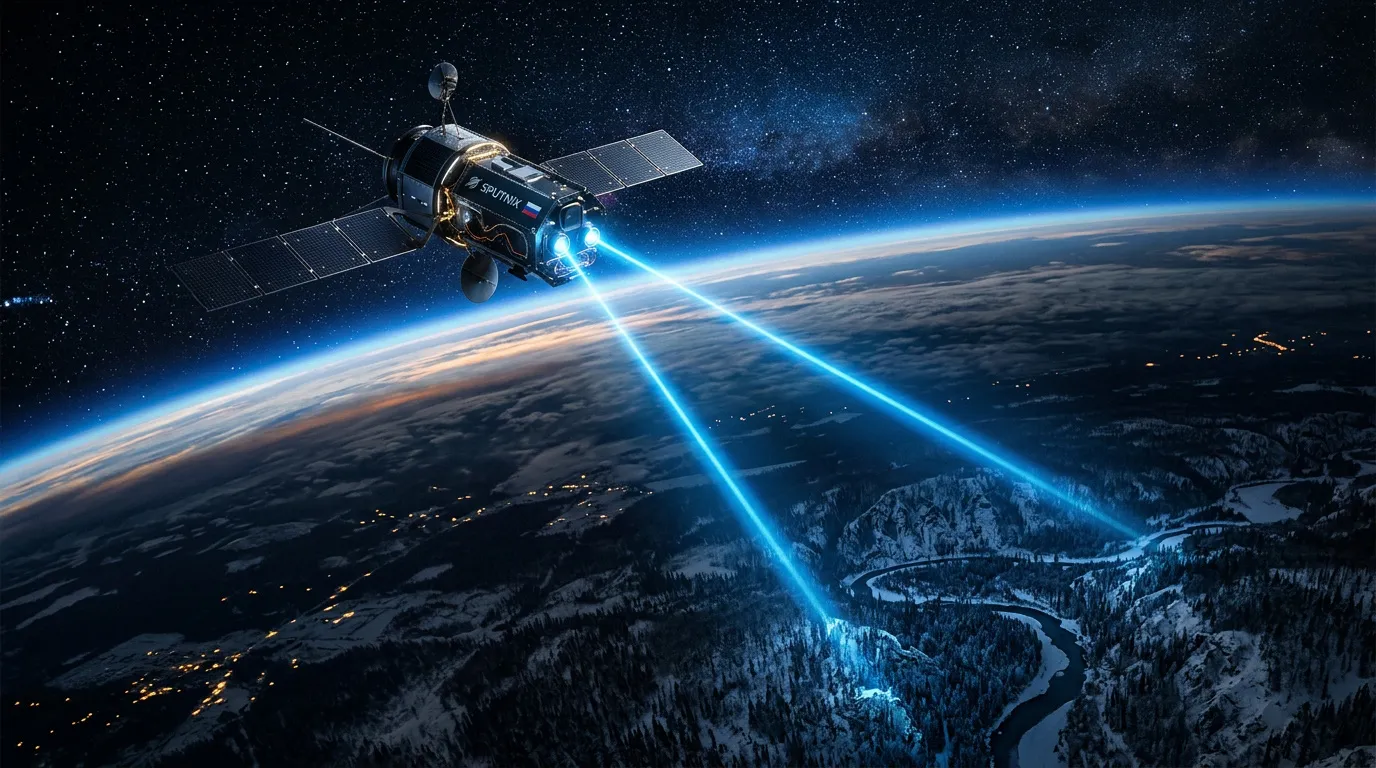
Russia’s space company Sputnix is actively working to deploy an orbital constellation capable of supporting Direct-to-Cell (D2C) communications. With this approach, standard smartphones will be able to connect directly to satellites without requiring additional hardware.
Coverage Anywhere, Even Off the Grid
User location becomes largely irrelevant. Because satellites provide global coverage, connectivity can remain stable even in remote areas, including dense forests. This is particularly important for Russia, given its vast territory and large number of remote regions. Direct-to-Cell connectivity can serve as a practical tool to reduce the digital divide.
Sputnix’s plans are notably ambitious. The company is not limiting the system to a single use case. In addition to voice services, it is designed to support data transmission, messaging, and Internet of Things connectivity. Beyond communications satellites, Sputnix is also developing high-resolution imaging and radar spacecraft, expanding the capabilities of its future orbital infrastructure.

Moving Toward a New Standard
Government support is a key factor. The Ministry of Digital Development has confirmed that Sputnix, along with another space company, Buro 1440, has been allocated the radio frequencies required to operate orbital systems.
The move toward this new connectivity model is well timed. Industry experts expect direct-to-device satellite support to become standard in many smartphone models in the near future. Major chipset vendors such as Qualcomm, MediaTek, and Samsung are already working to integrate satellite modems into mobile processors. This means satellite connectivity will be embedded at the hardware level, similar to how 4G and GPS are implemented today.
Gradual Rollout
Direct-to-Cell technology is already capable of supporting data rates of up to 150 Mbps, roughly 1.5 times the average home internet speed. However, these performance levels will not be available immediately. At early stages, users will likely have access to messaging and emergency services. As the satellite constellation expands, support for higher-bandwidth services will follow.
A similar rollout path can be observed in the US with Starlink. Apple introduced satellite messaging capabilities in its smartphones in 2022, initially focused on communication in areas without cellular or fixed internet coverage.

Parallel Developments
It is also worth noting that Russian company Buro 1440 is actively developing large-scale satellite connectivity through its Rassvet constellation. According to developers, the system is intended to function as “5G in space.” The platform is expected to support not only remote-area connectivity but also transport use cases, including trains and aircraft. In late March, the first 16 satellites were launched as part of a planned constellation of up to 900 spacecraft. Commercial service is expected to begin in 2027.
At this stage, widespread deployment of Direct-to-Cell remains a medium-term prospect. For now, Sputnix can use allocated frequencies only for testing. Even so, the project has moved beyond the conceptual stage and is progressing in practical implementation. Further development will depend on the resolution of regulatory issues and the stability of funding.