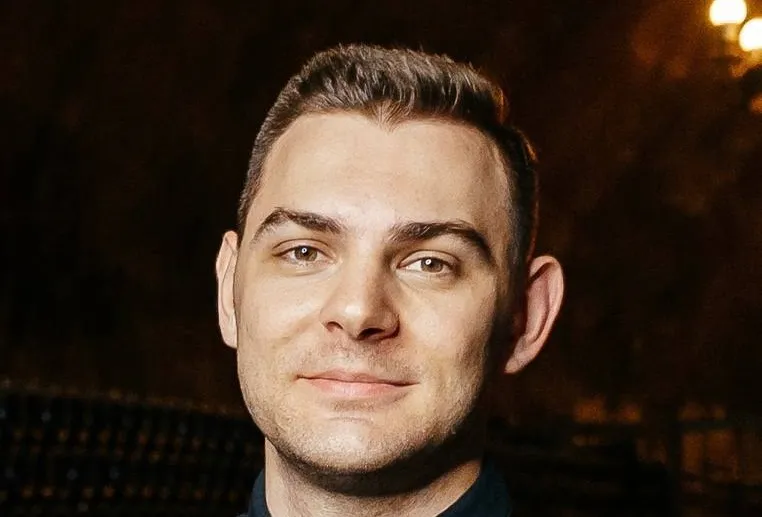
Konstantin Polyanichev: "Technology Doesn't Replace Art – It Opens a New Doorway to It"
AI is turning Russian museums into interactive journeys, adding a new digital layer to the country's cultural landscape.
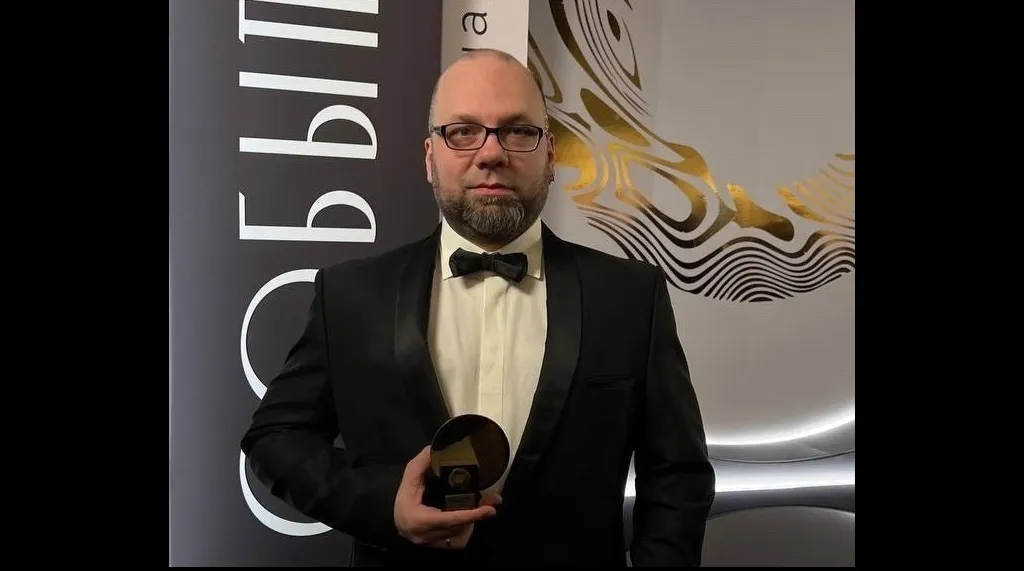
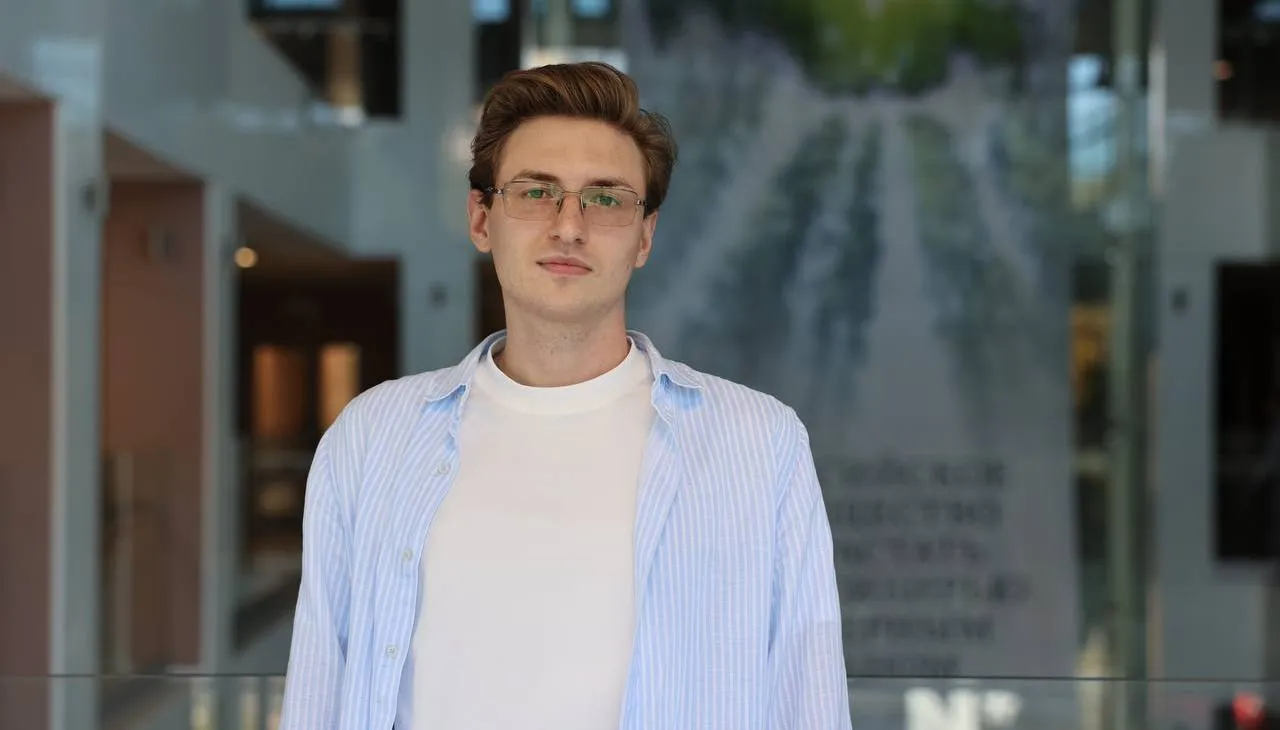
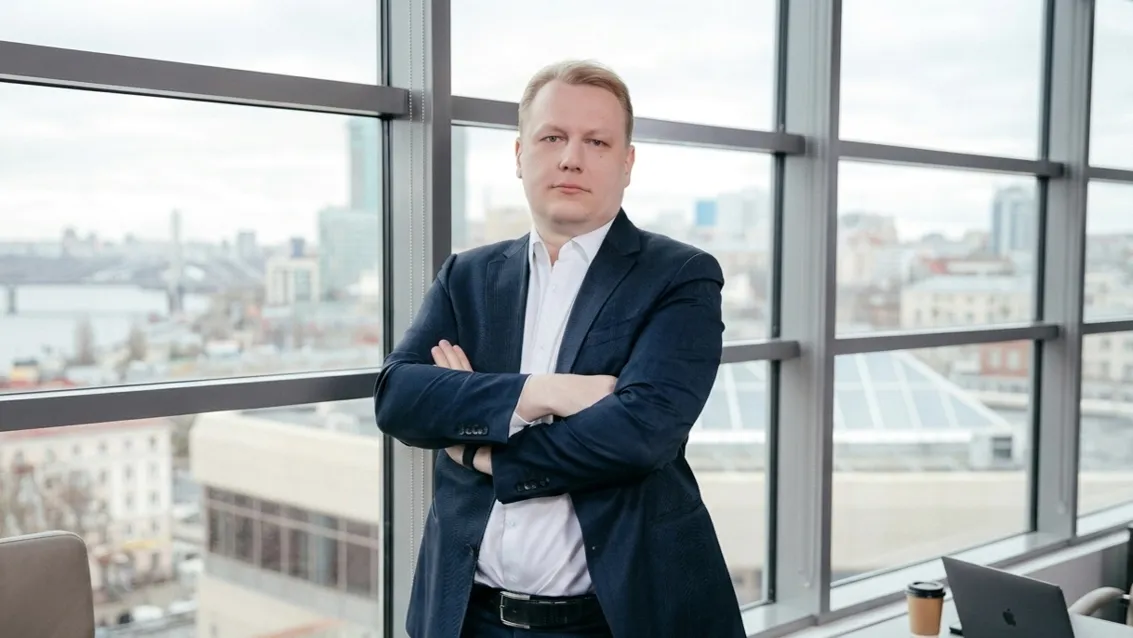
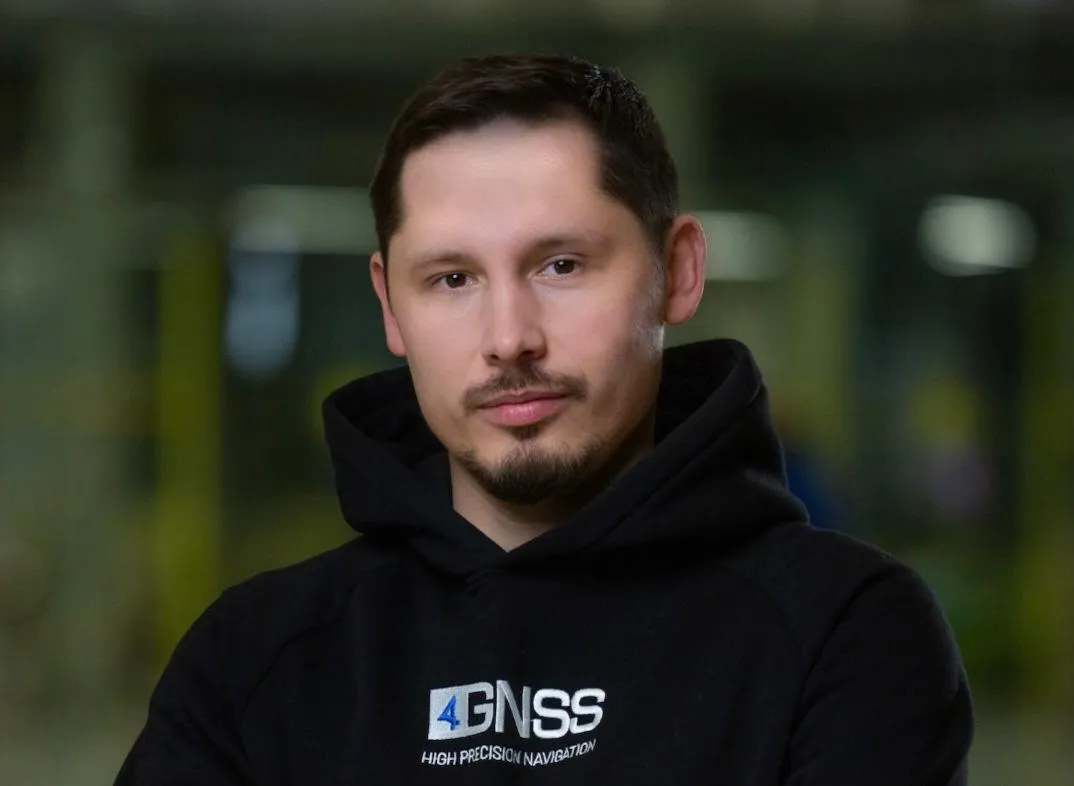
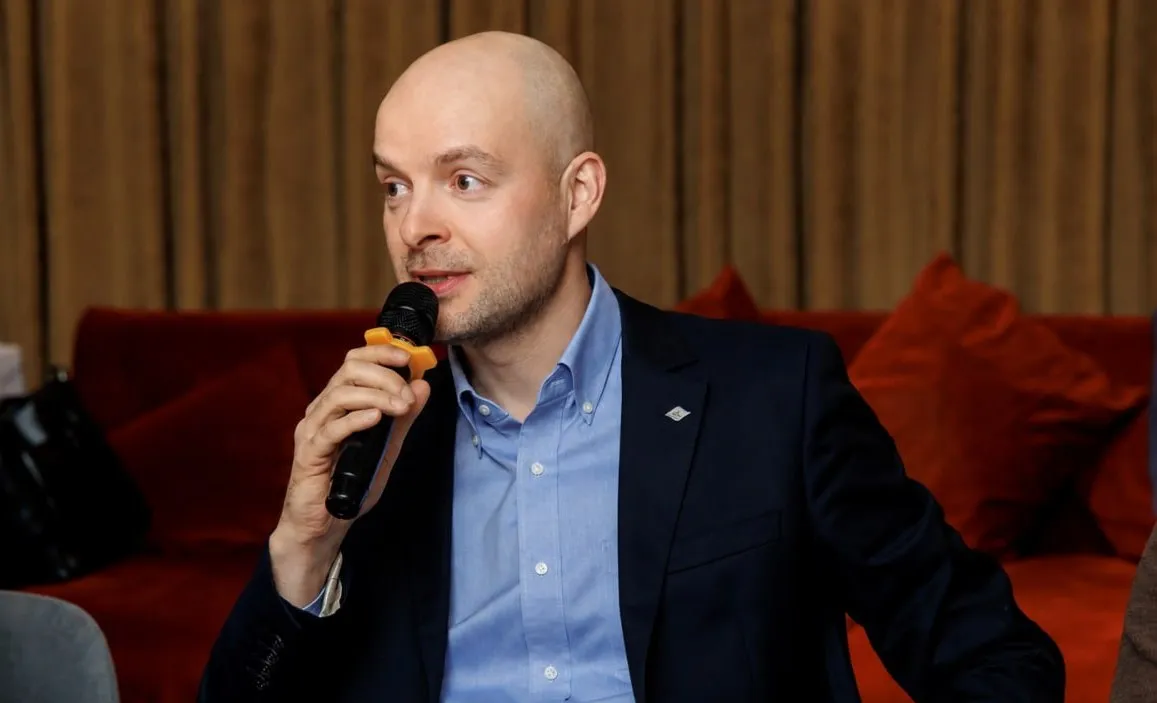
Konstantin Polyanichev, Director of the Technology Center at SberMarketing, spoke with IT Russia about how neural networks are reshaping the way people engage with art and history, why AR guides outperform human tour guides for some audiences but not for others, and how digital technologies are helping museums not only attract new visitors but also restore lost cultural heritage.
Reaching Every Visitor
– How are modern technologies changing the cultural landscape and the tourism industry?
– Fundamentally, they're changing the very logic of how people interact with spaces. In the past, museum visitors and tourists were observers: they looked at exhibits, read information panels, listened to a guide, and then left. Today, technology allows them to become participants. And behind that shift is a measurable change in how people absorb, experience, and remember information.
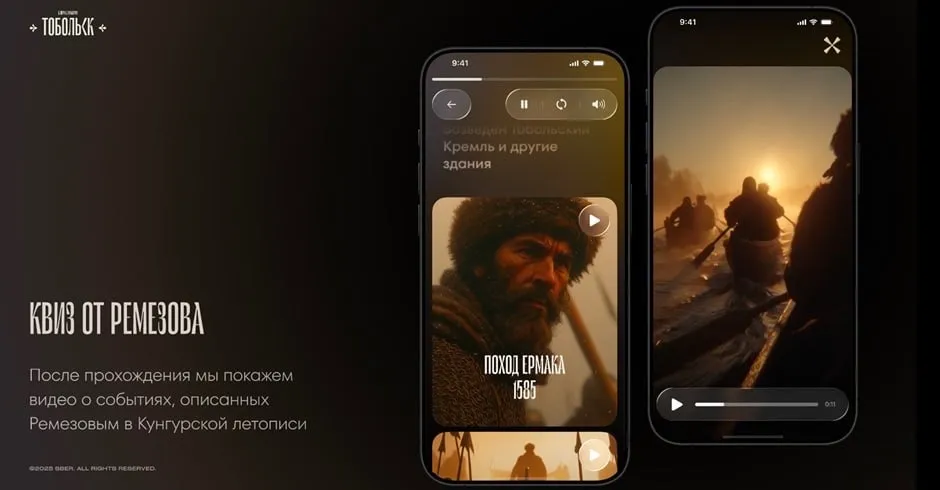
The tourism industry has responded quickly. People are no longer choosing simply "to go and see" – they're choosing "to go and experience." Interactive tours, AR-powered routes, and digital twins of historic sites are no longer novelties; they have become competitive advantages for museums and entire regions. We saw that in Tobolsk, where an AI guide was introduced for visitors. The neural network described city landmarks in real time, answered questions, and suggested personalized routes – and it had a noticeable impact on visitor engagement.
– How can technology help reveal the artistic intent behind a painting or sculpture? Isn't that the job of an art historian?
– Absolutely, it is the art historian's job. Technology simply provides the tools. An art historian can interpret what an artist was trying to express on the level of emotion and meaning. But there is only one art historian, while there are thousands of visitors, each with their own pace, background, and interests. Technology makes it possible to scale that expertise.
We put exactly that approach into practice at the The Image of Moscow in Russian Art From the Collection of the State Russian Museum exhibition at VDNKh. Five paintings became interactive: visitors pointed their smartphones at a QR code and were connected to an AI guide that delivered a personalized tour. They could tap on individual elements of a painting and receive detailed commentary – for example, what a particular gesture means in a Surikov work or why Repin arranged the composition of Ceremonial Meeting of the State Council the way he did.
Those are precisely the kinds of insights that would normally fall outside the scope of a conventional guided tour. More than 4,000 unique visitors used the tool, and the average interaction with the digital layer lasted nearly five minutes – an exceptionally high level of engagement for a museum exhibition.
At the Perm Art Gallery, we took the idea even further. Digital kiosks with QR access points were installed at locations where visitors could look out the gallery windows and see the very landmarks the AI guide was describing. You engage with the interactive experience and then immediately see history reflected in the real world beyond the glass. It creates an experience that is fundamentally different from anything a text panel on the wall can provide.
Museums. Closer than It Seems
– What's the goal of projects like these? And how inclusive are they – can they reach different audiences?
– Their goal is exactly to narrow the gap between people and culture. That may sound like a cliché, but it addresses a very real problem: countless people stay away from museums not because they find them uninteresting, but because they feel they don't belong there. Classical art is often seen as something exclusive, something that demands specialized knowledge, a strong cultural background, and years of visual literacy. To a large extent, that's true. Technology, however, helps lower that barrier.
As for inclusivity, it's one of our top priorities. The interface runs directly in a smartphone browser, with no app installation required. That's essential. Visitors don't need to be technically savvy, and they don't have to download anything. They simply point the camera at a code, and they're in.
At the Perm Art Gallery, mobile interactive experiences are complemented by touchscreen kiosks for visitors who prefer a fixed interface. The AI guide also adapts its communication style to the audience: it speaks one way to children and another to adults. At the Boris Kustodiev exhibition, the GigaChat neural network created an AR guide in the form of the merchant's wife from one of the artist's paintings – a character that resonates equally well with children and older visitors.
– Does all of this genuinely make art more accessible, or is it ultimately just another technological amusement?
– If all it offers is amusement, people enjoy it for a moment and then forget it. Our data show the opposite: steadily increasing engagement. At the Virtual Son of the Regiment AR guide exhibition at the Museum of the Battle of Stalingrad in Volgograd, 85% of visitors said they remembered the material better, while 67% returned for another visit. That's memory shaped through deep emotional engagement.
What's fundamentally important is that the digital layer doesn't replace the artwork itself – it builds a bridge to it. Someone who might otherwise have walked past Apollinary Vasnetsov's Old Moscow. A Street in Kitai-Gorod pauses because they're invited to take a digital journey through that very seventeenth-century lane. Afterward, they look at the original painting differently. That's what accessibility really means: not simplifying art, but expanding the number of ways people can enter into it.
Sometimes technology solves a very literal problem of physical access. At the Polenov and His Students exhibition at the Kremlin Museum Complex of the Vladimir-Suzdal Museum-Reserve, one of the centerpiece exhibits – the book Memoirs of Polenov's Students – is displayed under glass. Visitors can't pick it up or turn its pages. We developed an AR experience that lets visitors point a smartphone at a QR code and see the pages come alive in augmented reality, complete with the memoirs' text. An object that most visitors once walked past without a second glance becomes a place where they can establish a direct connection with history.
Keeping What Matters Most
– Can technology do more than make culture more popular? Can it also help preserve or even restore cultural heritage?
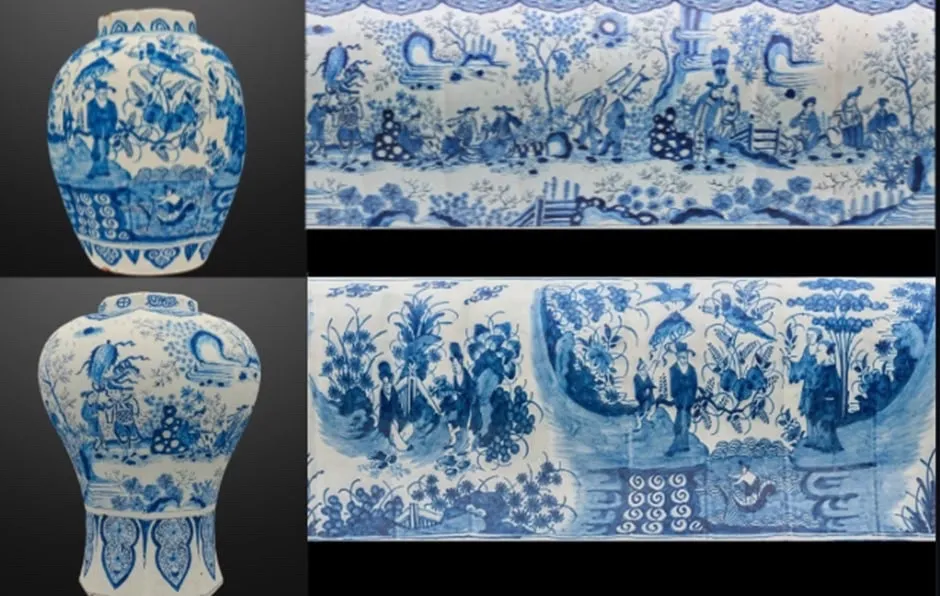
– Yes, and I'd say that's perhaps the most important opportunity technology is creating today. There are several areas where it's making a difference. One is documentation and digitization. We took part in a large-scale digitization project at the Pushkin Museum using Gaussian Splatting technology. Twenty unique artifacts were turned into highly accurate digital replicas, including tactile 3D models. It serves as a safeguard for the original object while allowing researchers around the world to study it without any risk of damage.
Another equally important area is the restoration of what has been lost. In 2023, the GigaChat neural network helped reconstruct images of fourteen paintings from the Kramskoy Museum of Fine Arts in Voronezh that had been destroyed during World War II. The recreated collection was then made available in an interactive 3D gallery, allowing visitors to see works that no longer exist in physical form.
Technology's role here is not to replace the traditional work of museums, but to extend it through new means. Museum professionals and custodians of original works of art naturally have legitimate concerns: what if the digitization process alters the artworks themselves, or what if the digital layer changes the way audiences perceive art? That's why authenticity must remain the guiding principle for the technology stack as well. A neural network doesn't invent history – it helps tell the history that already exists.






![Astra AI [Code] vs. Open Source: Why Deploying an Open Model in a Secure Environment Is Costly and Risky](https://storage.yandexcloud.net/itrussia/uploads/c3b5b6da-1bf7-49cb-817e-0bab1cea8cff.webp)