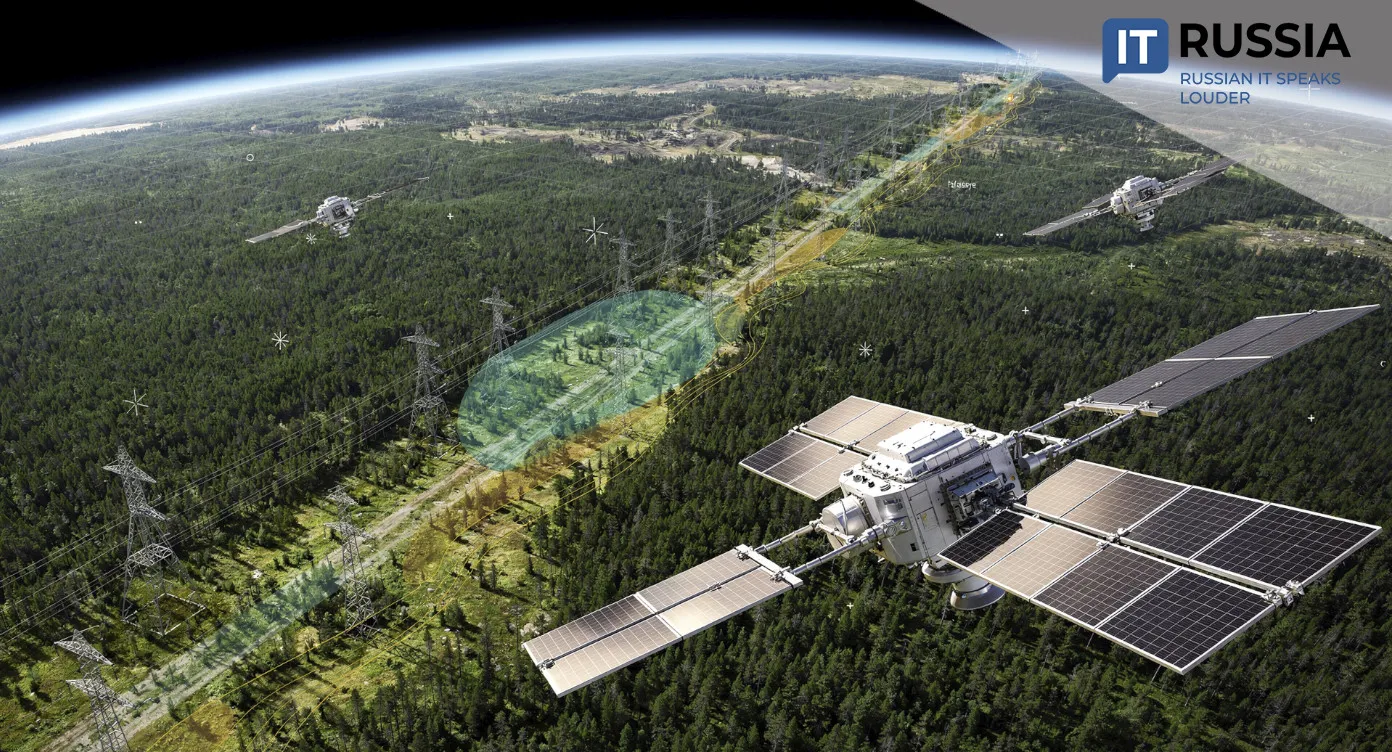
Sky Under Control
Companies Bespilotnye Sistemy and ZALA from Russia’s Udmurt Republic have developed technologies for the remote identification of unmanned aerial vehicles. Data on drones will now be transmitted in real time to airspace monitoring systems.
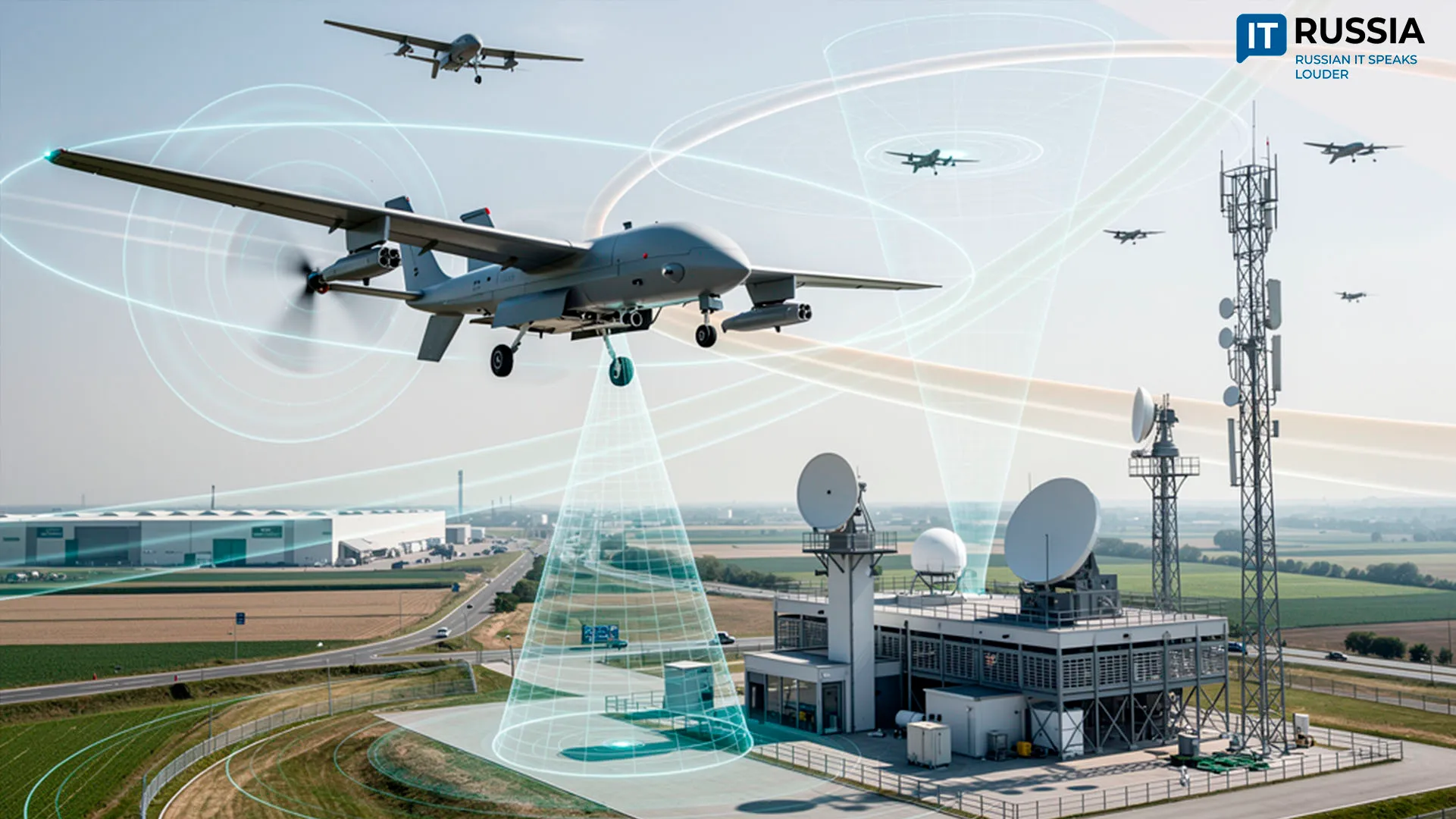
Identification in One Click
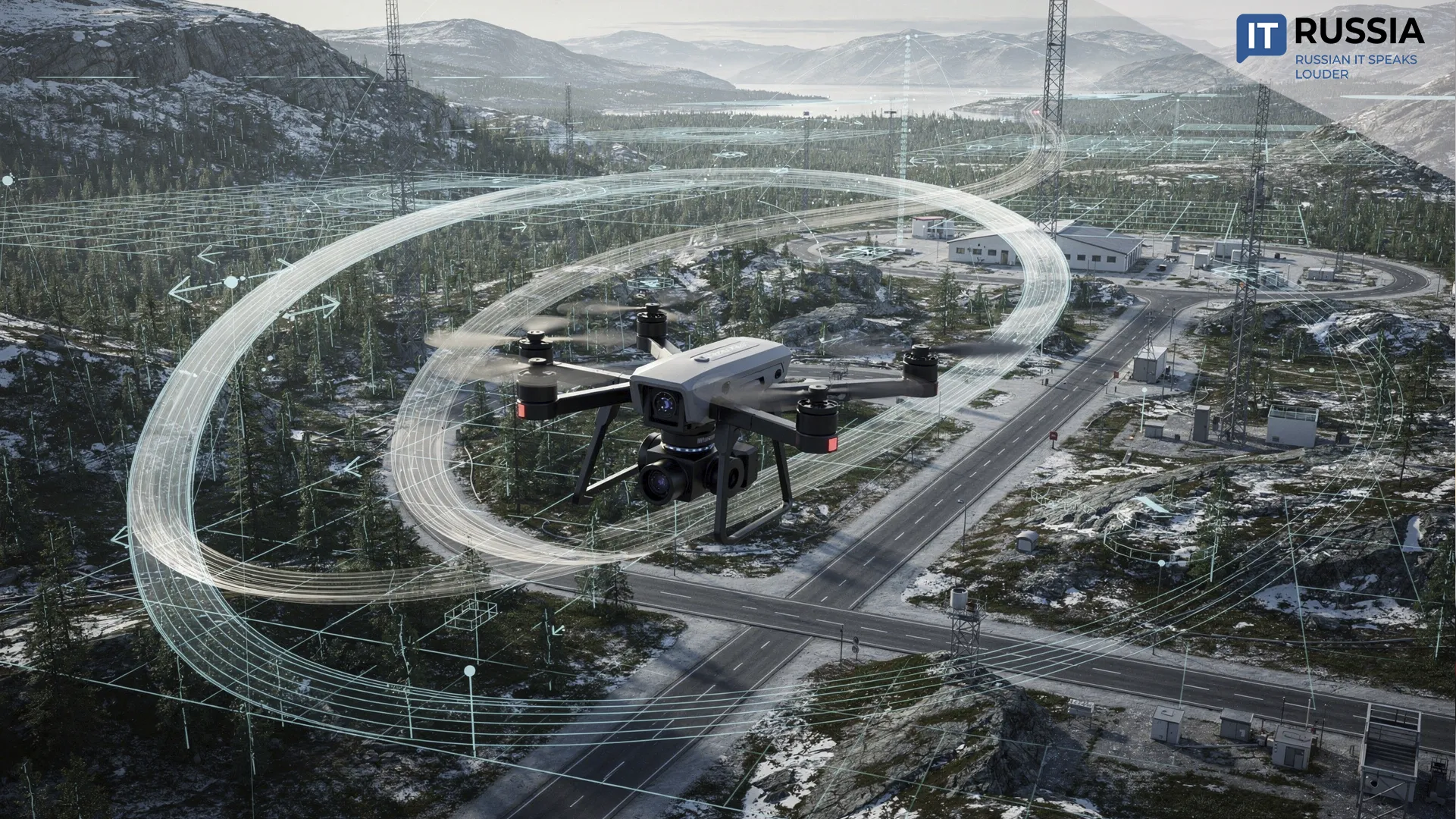
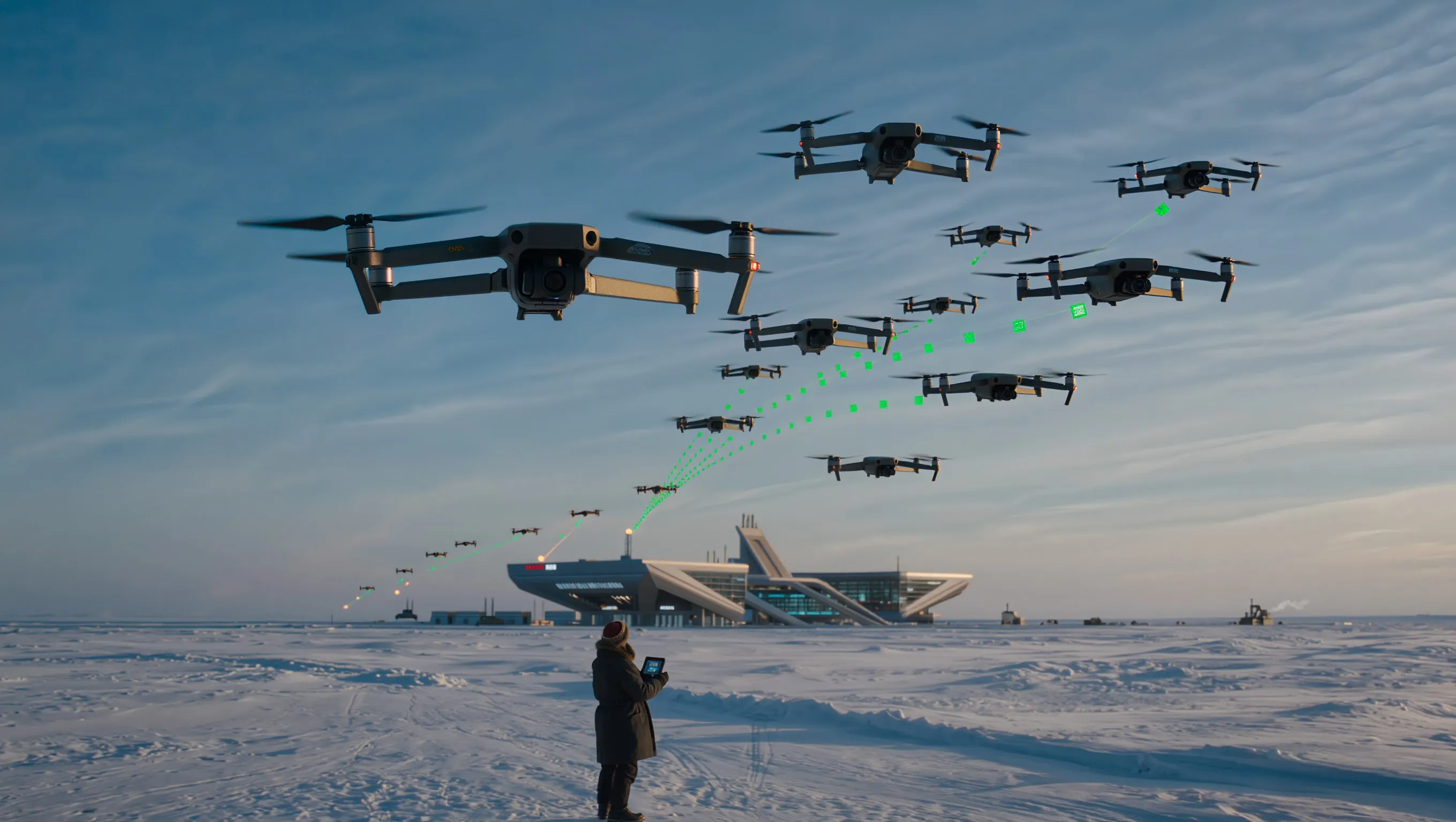
All information about a drone can now be retrieved within seconds. Bespilotnye Sistemy has integrated dedicated software into the Supercam UAV control system and its ground station, while ZALA developed a hardware-software complex that transmits a drone’s coordinates, speed and direction of movement in real time.
The system performs several key functions: it displays the flight route and operational parameters, warns operators about course deviations or potentially dangerous proximity to other objects and helps obtain flight permissions. The development is particularly relevant following recent regulatory changes. Beginning in March 2026, Russia introduced a mandatory requirement for UAVs to transmit flight data to airspace monitoring systems. The project is being developed as part of the creation of a Nauchno-Proizvodstvenny Tsentr Bespilotnykh Aviatsionnykh Sistem (Scientific and Production Center for Unmanned Aviation Systems) in Udmurtia, for which RUB 956 million (about $11.5 million) has been allocated from the federal budget.
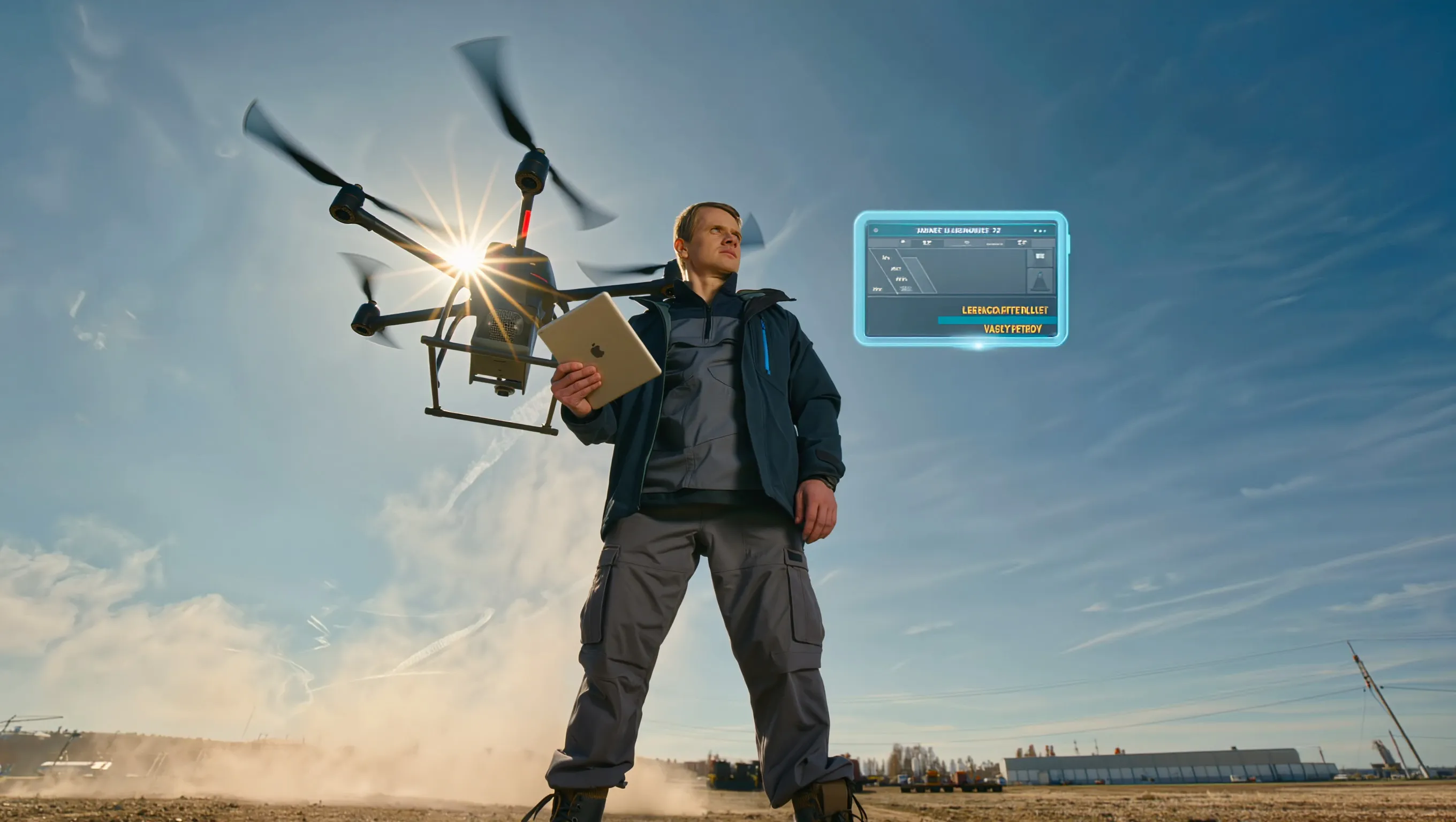
Where Identification Technologies Are Heading
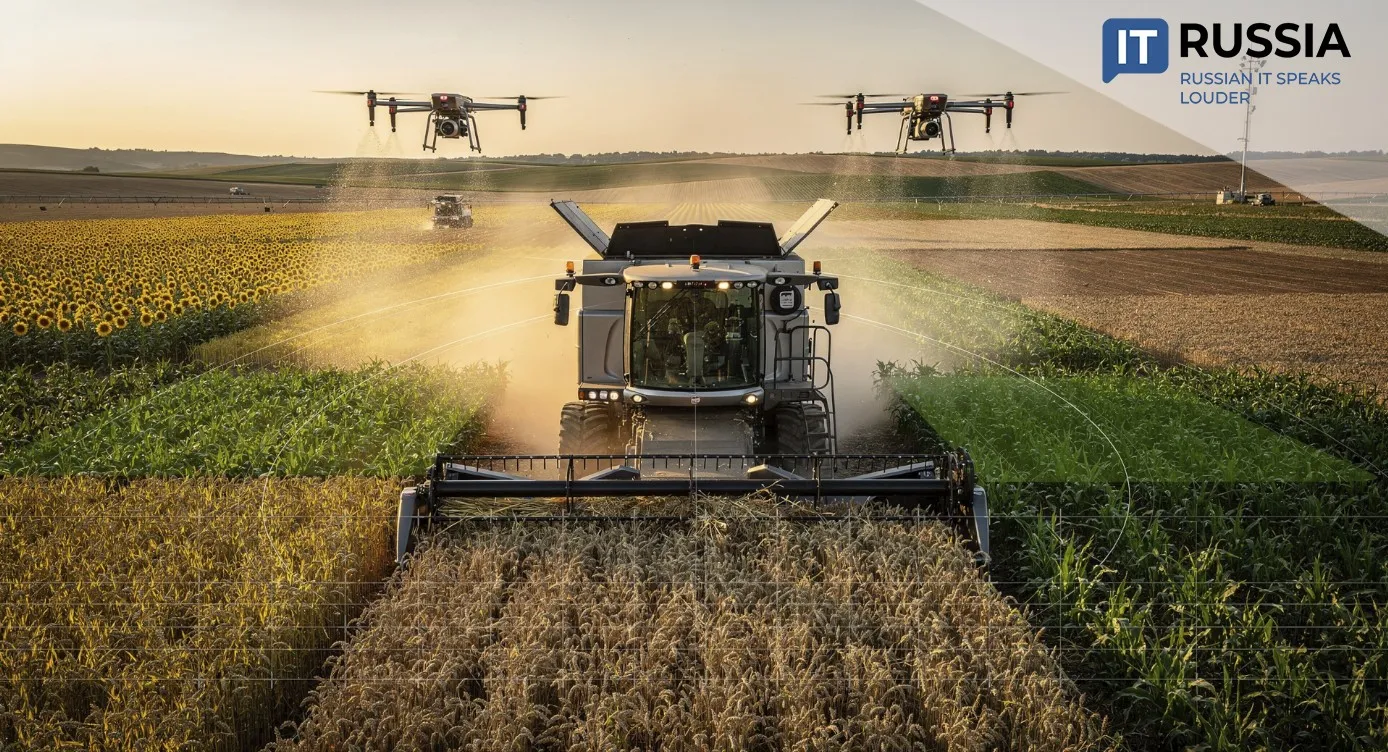
The deployment of remote identification systems marks an important step toward building a digital infrastructure for UAV traffic management in Russia. It will support the legalization of large-scale drone operations in logistics, agriculture and infrastructure monitoring, while enabling unmanned aircraft to integrate into the broader national airspace system. In the long term this could lead to the creation of a national drone monitoring platform – an analogue to international UTM (Unmanned Traffic Management) solutions.
Udmurtia is emerging as one of the centers of Russia’s UAV industry. The new Scientific and Production Center for Unmanned Aviation Systems will serve as a platform for developing and testing new drone components. Russian technologies also have export potential. Countries in Asia, the Middle East and Africa, where the drone market is expanding rapidly, may show interest in monitoring and identification systems. UAV control software platforms can also be integrated into smart city infrastructure and public safety systems.
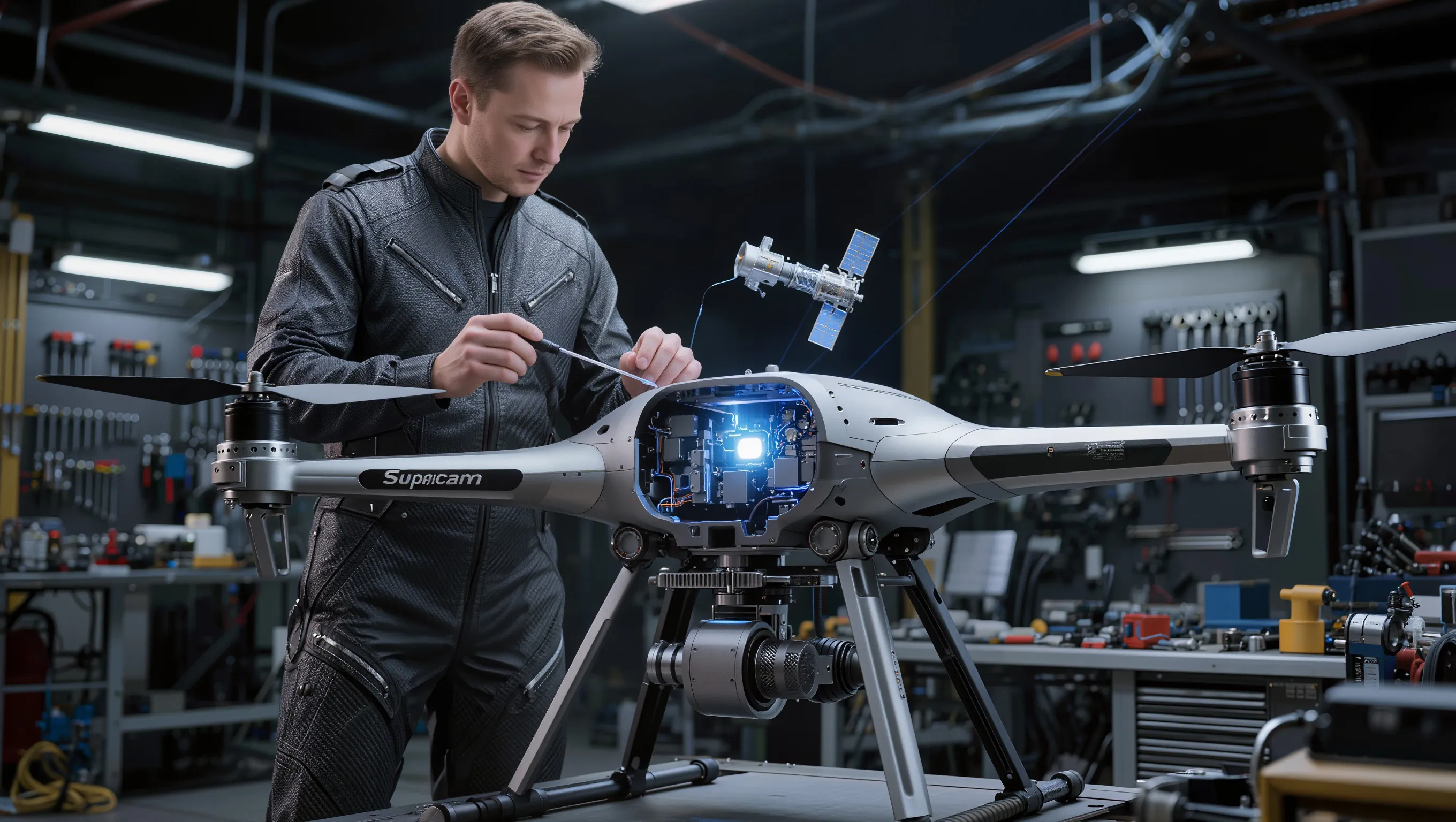
The Path to a Safer Sky
Development of UAV identification systems in Russia has progressed steadily in recent years. In 2023, Sheremetyevo Airport deployed the ENOT SD system, which automatically detects and identifies drones. During 2024–2025, digital monitoring systems began to be introduced to oversee UAV operations and integrate drones into civil airspace. Russian companies, including ZALA, are actively expanding their UAV product lines and advancing control technologies.
These developments indicate that the country is moving toward the creation of a unified UAV traffic management system, with the technologies developed in Udmurtia forming an important element of this emerging national infrastructure.
Forecasts and Opportunities
Remote UAV identification is becoming a mandatory component of the infrastructure supporting unmanned aviation. New requirements for data transmission are effectively shaping a national drone traffic management framework. Within the next three to five years, the deployment of such systems is expected to become standard for most civil UAVs. This will drive significant growth in the market for drone-enabled services and lead to the emergence of new digital platforms for airspace management.
Advances in flight monitoring technologies will accelerate the commercial deployment of drones. Services such as autonomous delivery, infrastructure inspection, agricultural monitoring and search-and-rescue operations are expected to expand rapidly. In the longer term, Russia may develop its own platform for managing unmanned air traffic, strengthening the country’s position in the global drone aviation market.