AI Cuts Utility Chores: Russia Trains Yandex’s Alice to Collect Electricity Meter Readings
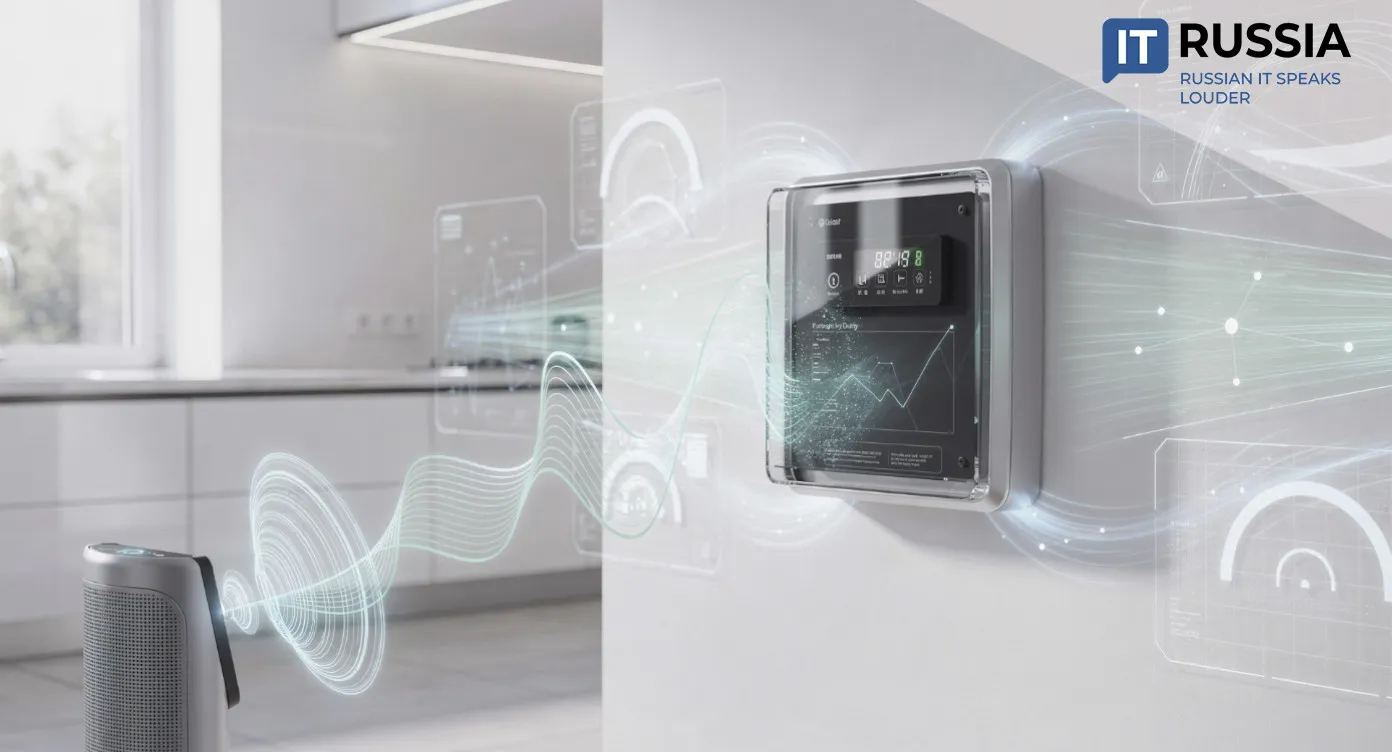
Russia has introduced a new AI-powered way to submit electricity meter readings, allowing households to report usage through the Yandex Alice voice assistant instead of visiting offices or filling out online forms.
Digital Platforms Enter the Utility Workflow
Far Eastern Energy Company (PAO Dalnevostochnaya Energeticheskaya Kompaniya, DEK), a regional power utility operating across Primorsky, Kamchatka, and Khabarovsk territories, as well as Sakhalin, Amur regions, the Jewish Autonomous Region, and Yakutia, has informed customers about a new method for submitting electricity meter readings. Consumers no longer need to visit utility offices in person or manually enter data on the company’s website. Instead, they can use the service “Meter Reading Submission via the Yandex Alice Voice Assistant.” The service has seen the highest adoption among residents of the Amur region.
Simple Enough for Any User
Customers can submit readings via Alice on any device where the assistant is available, including smartphone and desktop apps and smart speakers. To send readings, users issue a spoken command in Alice’s voice interface and follow on-screen or audio prompts. If using text input, they can enter the command directly in the interface. The utility reminds customers that if their apartment or private home is not equipped with a smart electricity meter, the homeowner must manually submit readings each month between the 20th and 25th.

Convenience as a Design Priority
The rollout of a service that helps customers solve everyday tasks through a voice assistant reflects a broader trend toward digitizing utility services and embedding AI tools into routine processes. Its core advantage is ease of use, as many consumers find voice-based interaction more intuitive than traditional digital interfaces. The service improves the customer experience of meter reading submission by simplifying routine actions and lowering access barriers for people with limited digital skills.


If adoption continues to grow, the service could be scaled nationwide. This would increase the efficiency of utility digitalization, reduce pressure on contact centers, and accelerate the adoption of AI assistants in public-facing services.
From Pilot Tools to Sector Strategy
Automation of routine processes has been gaining momentum in Russia for several years. In recent years, new technologies, software platforms, and artificial intelligence have been introduced into the housing and utilities sector. In 2025, the Ministry of Construction presented the “IT Landscape for Housing and Utilities 2025” strategy, which outlines the future transformation of the sector. Planned initiatives include automated utility metering and the deployment of smart systems designed to optimize consumption of electricity, water, heat, and other resources.
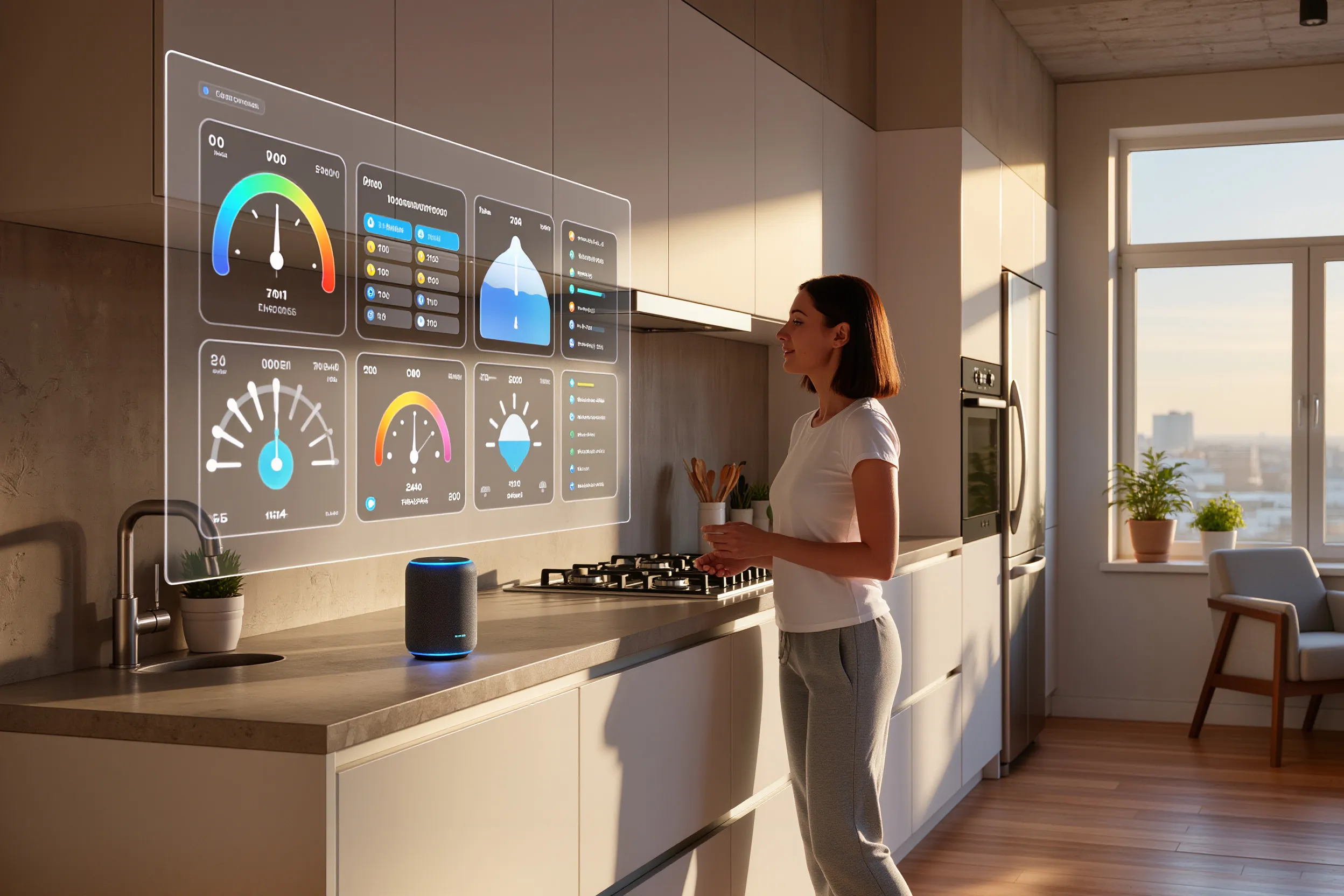
The strategy also includes the introduction of digital twins for buildings, which could fundamentally change how residential infrastructure is operated. These models are expected to reduce operating costs, speed up fault resolution, and prevent downtime in engineering networks. For faster and more efficient communication between property managers and residents, management companies are expected to use the national messaging platform MAX.
The use of Alice for meter reading submission illustrates how Russian voice AI ecosystems are moving into applied utility services. Similar projects are already expanding across the country, including a service launched last year for Moscow residents via the mos.ru portal.
Expanding the Role of Voice Assistants
Voice assistants are now being actively introduced into Russia’s utility sector, improving the accessibility and usability of digital services for consumers. Over time, their functionality could expand to include payment integration, energy consumption reports, and other account services. Voice interfaces are increasingly positioned to become a standard feature of digital utility platforms and smart city services.
Russian voice assistants such as Alice, Marusya, and Oleg could also serve as a foundation for interregional digital solutions for utility management. With proper localization and compliance with foreign regulatory requirements, these platforms could eventually enter international markets.