Independent Hardware for Artificial Intelligence
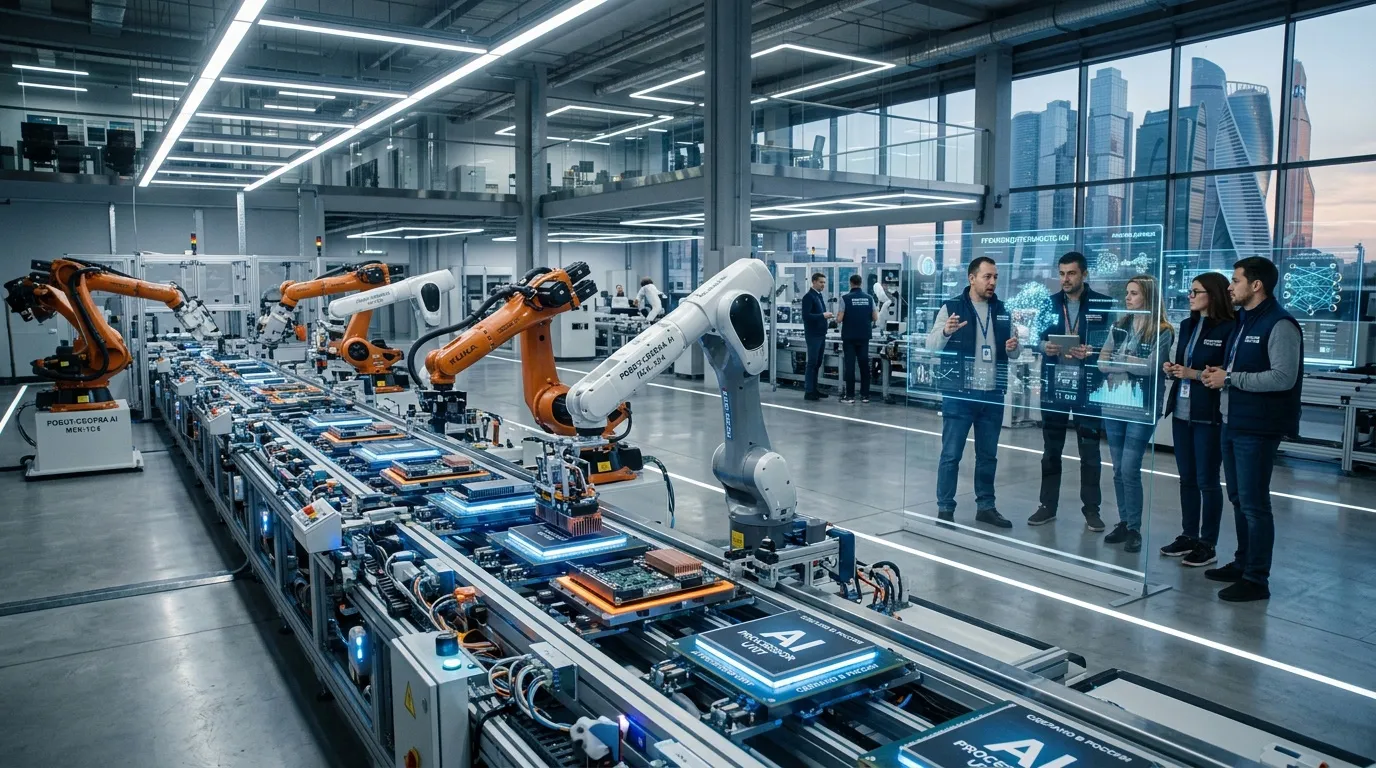
Russian engineers have achieved a breakthrough in artificial intelligence. A resident of the Technopolis Moscow special economic zone – the company KhaiTek – has developed and brought to market the first Russian neural network accelerator built on its own microprocessor architecture.
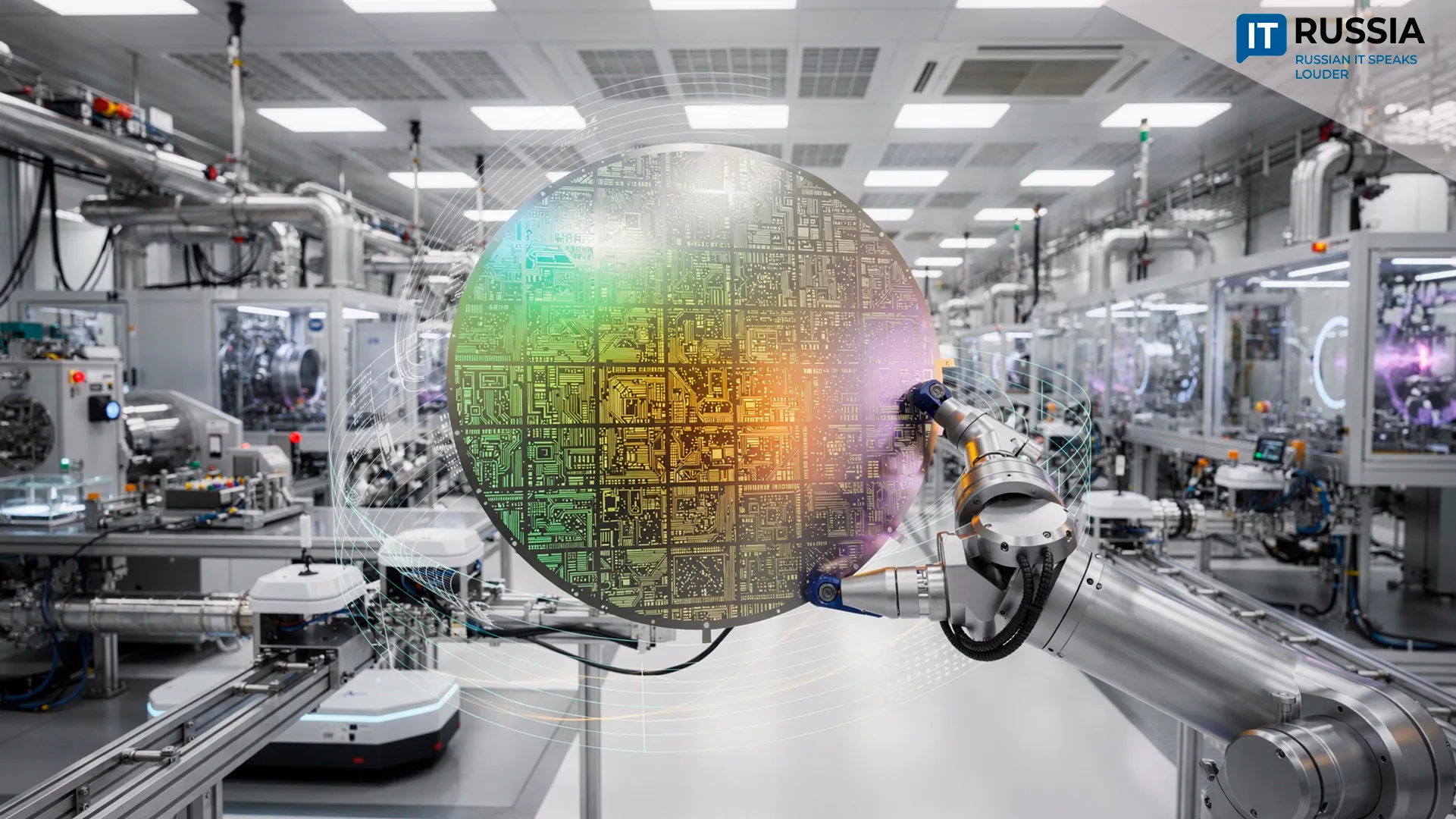
The solution delivers unprecedented computing power for the Russian market when working with artificial intelligence and heavy neural networks in real time. The AI accelerator reaches a record performance of 960 trillion operations per second (TOPS), comparable to leading global counterparts. It supports running more than 100 neural networks simultaneously, which is particularly relevant for high-load data centers.
In 2025, the chip was added to the register of Russian industrial products. In 2026, the development received an international patent valid for 20 years, confirming its global-level uniqueness and protecting Russia’s interests in AI technologies.
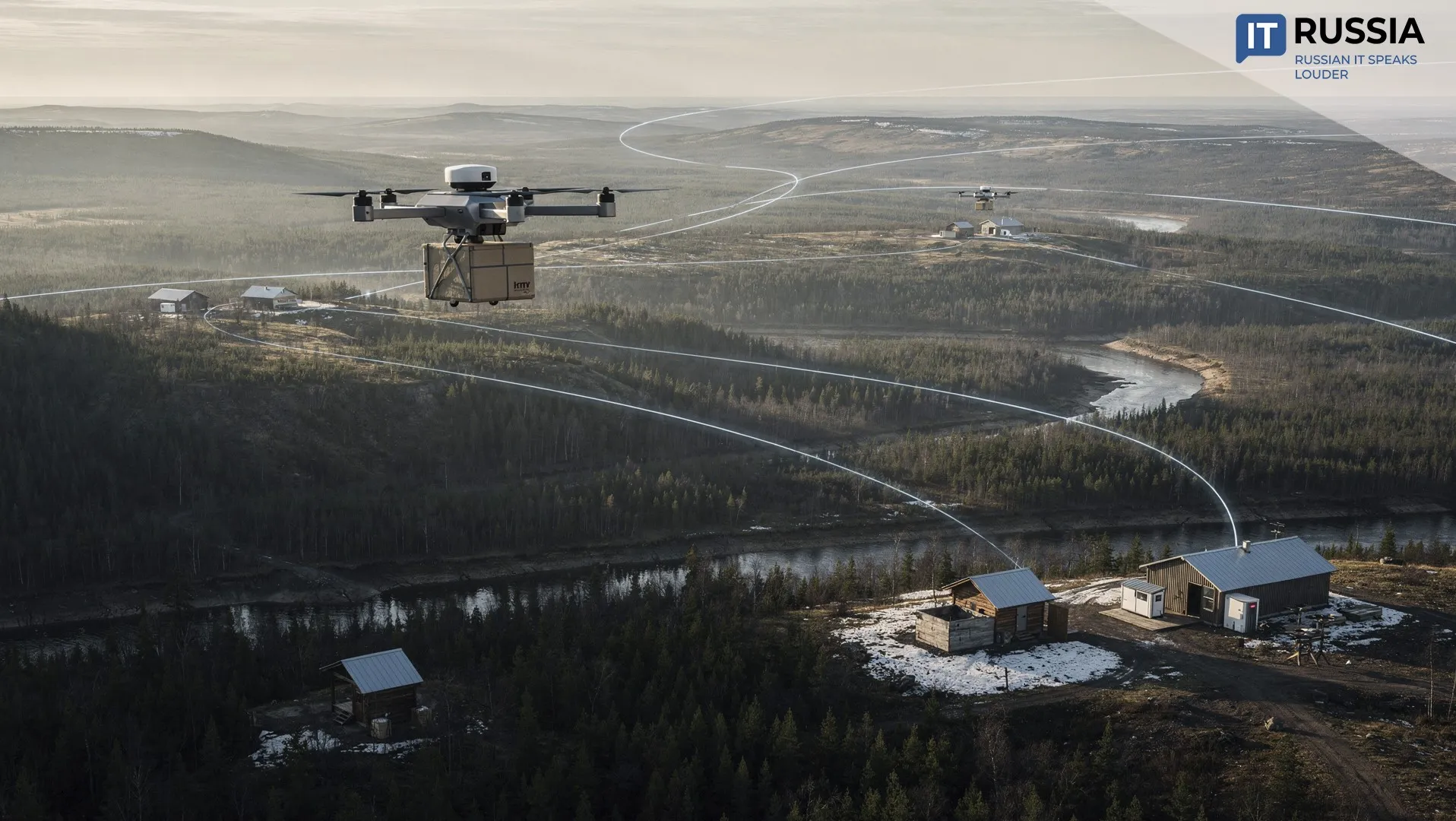
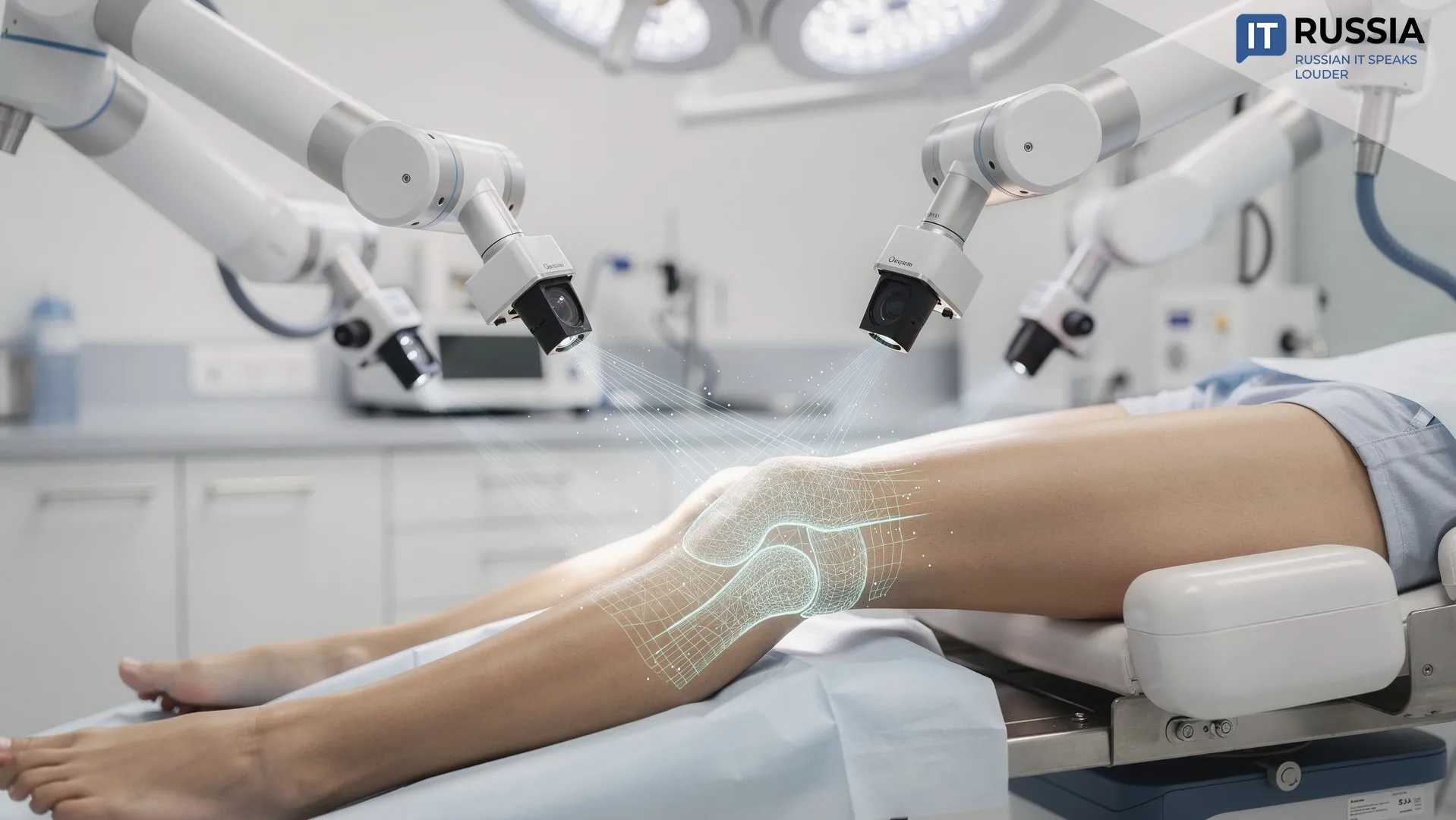
The range of applications for KhaiTek accelerators is broad – from healthcare, where they support CT, MRI, and X-ray analysis as well as genome decoding, to robotics, autonomous transport, onboard computing systems, and security platforms.
The company’s engineers and researchers are pushing further development aimed at optimizing and further increasing the performance of Russian microprocessors for AI workloads.

Russian AI Accelerator Reduces Risks of Technological Isolation
The relevance of KhaiTek’s development is reinforced by large-scale government initiatives. In 2025, Russia adopted a new national project, “Economy of Data and Digital Transformation of the State,” running through 2030 and focused on digitizing public administration, the economy, and social services.
The development of a domestic big data market, along with analytics and data security, is becoming a top priority. According to preliminary estimates, by the end of 2025 the Russian big data and AI market could reach 520 billion rubles (approximately $6.4 billion), with an annual growth rate of around 20% compared to 2024.
Against the backdrop of sanctions and restricted access to foreign chips, having a domestic neural network accelerator reduces the risk of disruptions in critical AI systems, enables the development of national AI models without reliance on foreign platforms, and creates a foundation for exporting technology solutions to partner countries.

A Response to the Digital Era
KhaiTek’s project strengthens the role of Technopolis Moscow as a key hub for Russian microelectronics, where production of more than 200 high-tech enterprises has already been localized. In recent years, Moscow has been developing a cross-industry photonics cluster, bringing together research centers, startups, businesses, and universities to create and industrialize new solutions. In 2025, Moscow launched a photonics center – Russia’s first production facility for photonic integrated circuits – aimed at replacing critical imports in high-speed data transmission and processing, modern telecom and computing infrastructure, and sensor technologies.
Technologies of Tomorrow
In practice, this marks the development of a new industrial niche that is globally recognized as a foundation of the digital economy. The Moscow photonics center, working with leading universities, is already demonstrating breakthrough results that are reshaping the technological landscape. Among them are prototypes of optical neural networks: hardware implementations of neural networks based on photonic chips, which promise dramatic acceleration of AI computations. A component base for photonic chips is also being developed, including nanoheterostructures and planar waveguides that transmit light instead of electrical signals. These underpin photonic integrated circuits (PICs), where light is controlled at micro- and nanoscale levels.
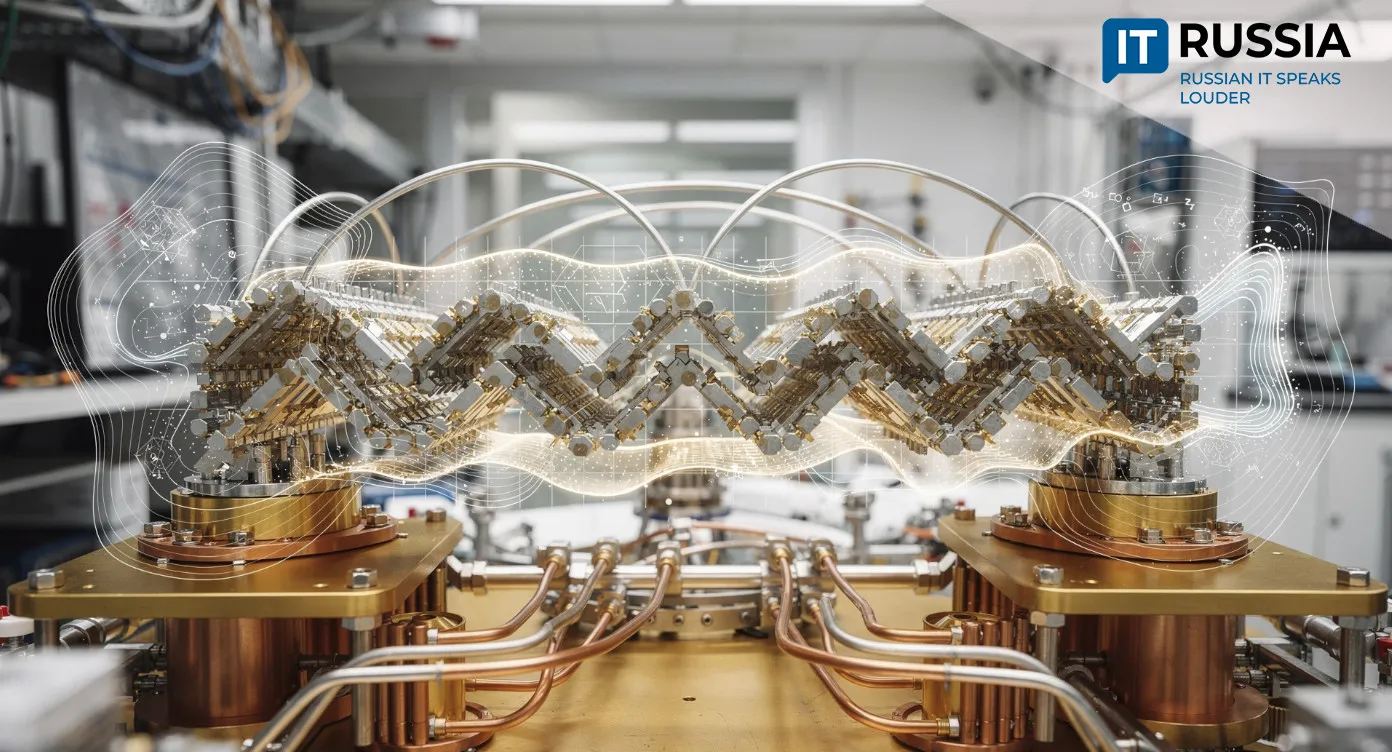
Such circuits are critical for data centers, quantum computing, and sensor systems. One of the most promising directions for scalable quantum computing is research into qubits – the fundamental elements of quantum computers based on photons.
The development of photonic technologies is becoming a nationwide trend. In 2024, researchers at Korolev Samara University created an experimental analog photonic computing system capable of processing video hundreds of times faster than neural networks running on semiconductor-based computers.
In this context, KhaiTek’s accelerator is not just another chip but a step toward building a fully domestic hardware stack. Russia is establishing an end-to-end pipeline – from microarchitecture to industrial deployment. This development becomes a foundation for the next phase of the digital shift, where Russia is positioning itself as a technological contender. Building independent hardware is a major step in advancing AI technologies and securing technological sovereignty.