Researchers in Perm Develop a New Method for Restoring Wooden Heritage Buildings
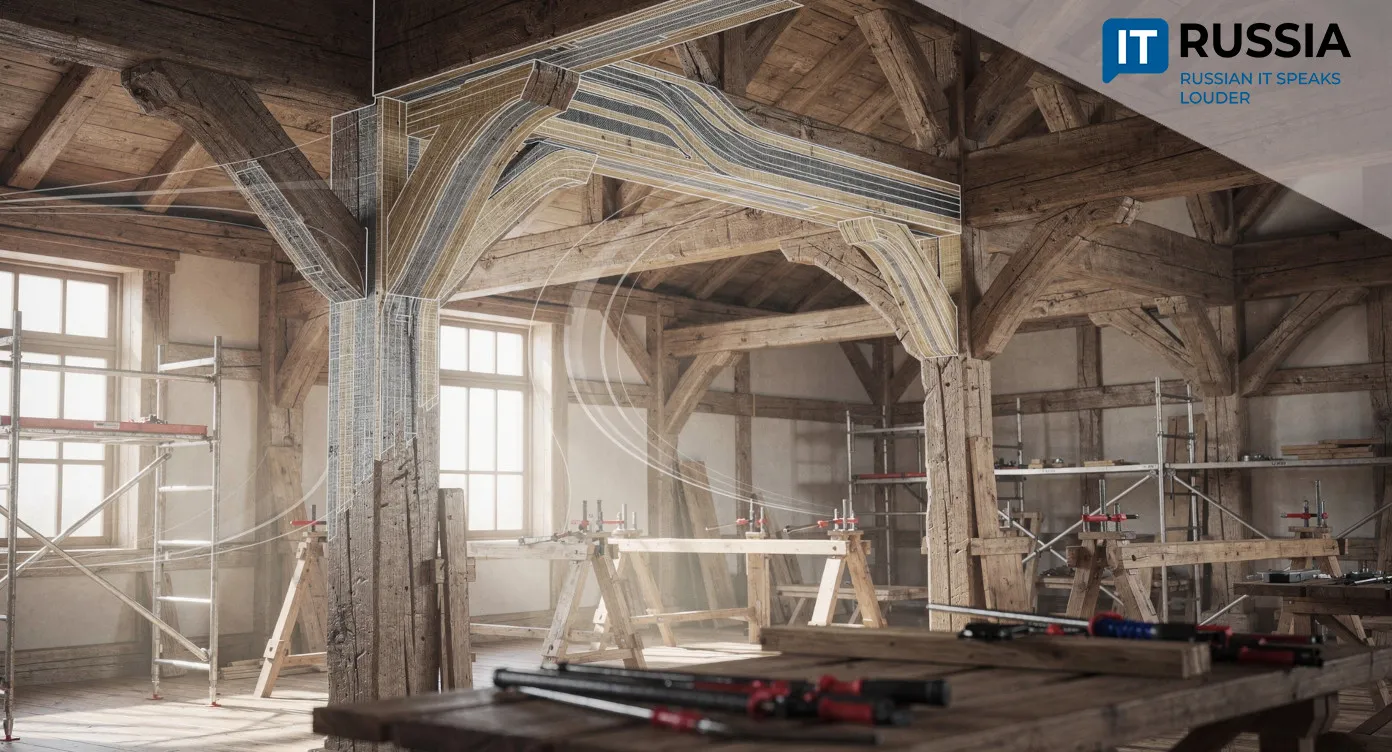
Scientists from Perm National Research Polytechnic University, working together with colleagues from Perm State Agro-Technological University, have developed a new engineering method for reinforcing historic wooden buildings using composite materials.
An Engineering Breakthrough
Wooden architectural landmarks – churches, manor houses, and merchant homes – are an integral part of Russia’s cultural heritage. Over time, however, wood loses its structural strength due to climate exposure, moisture, and biological factors. Traditional restoration techniques often prove either insufficiently effective or intrusive, altering the historic appearance of buildings.
Researchers from Perm National Research Polytechnic University and Perm State Agro-Technological University have introduced a new engineering approach – a modeling method for reinforcing historic wooden structures with composite materials.
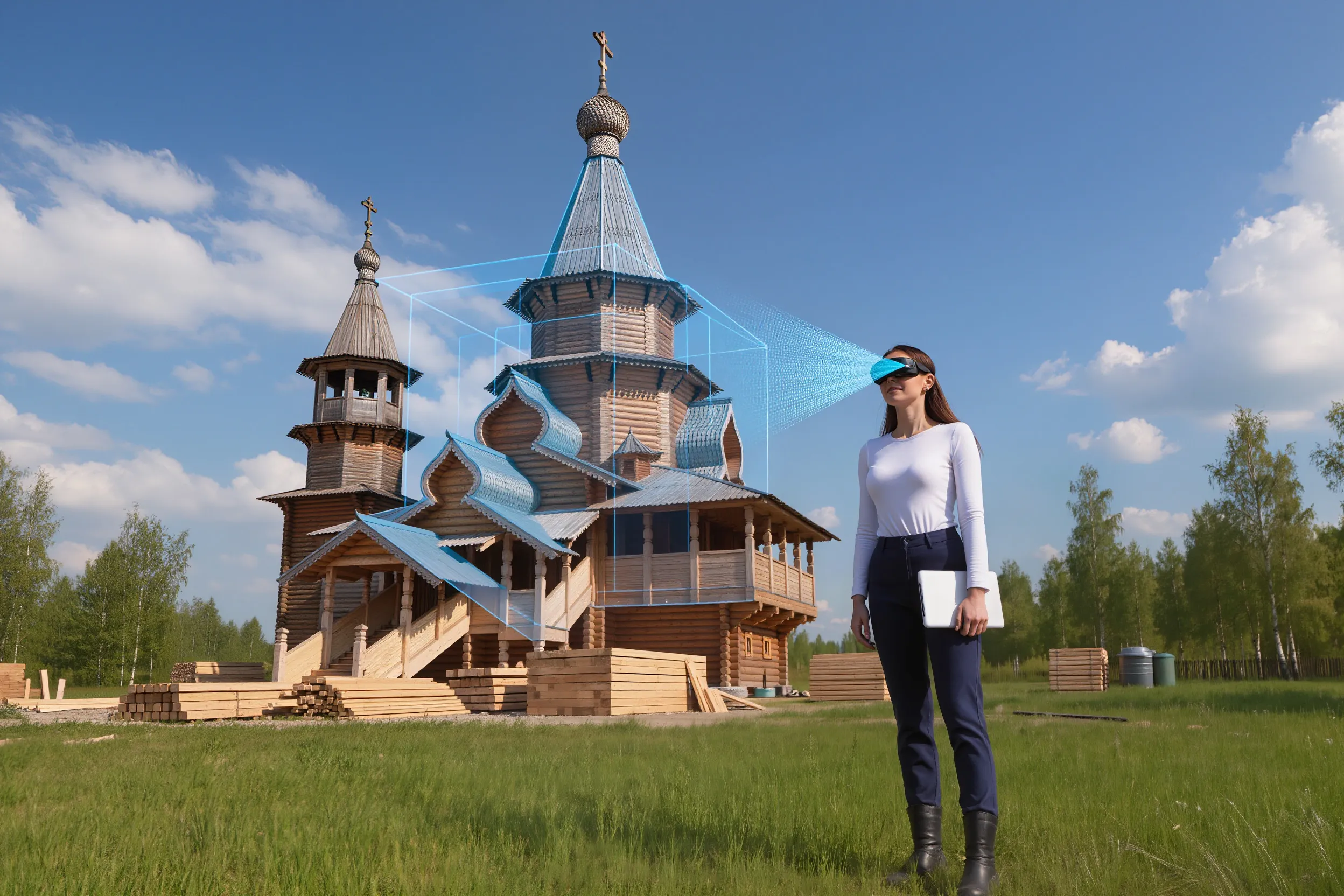
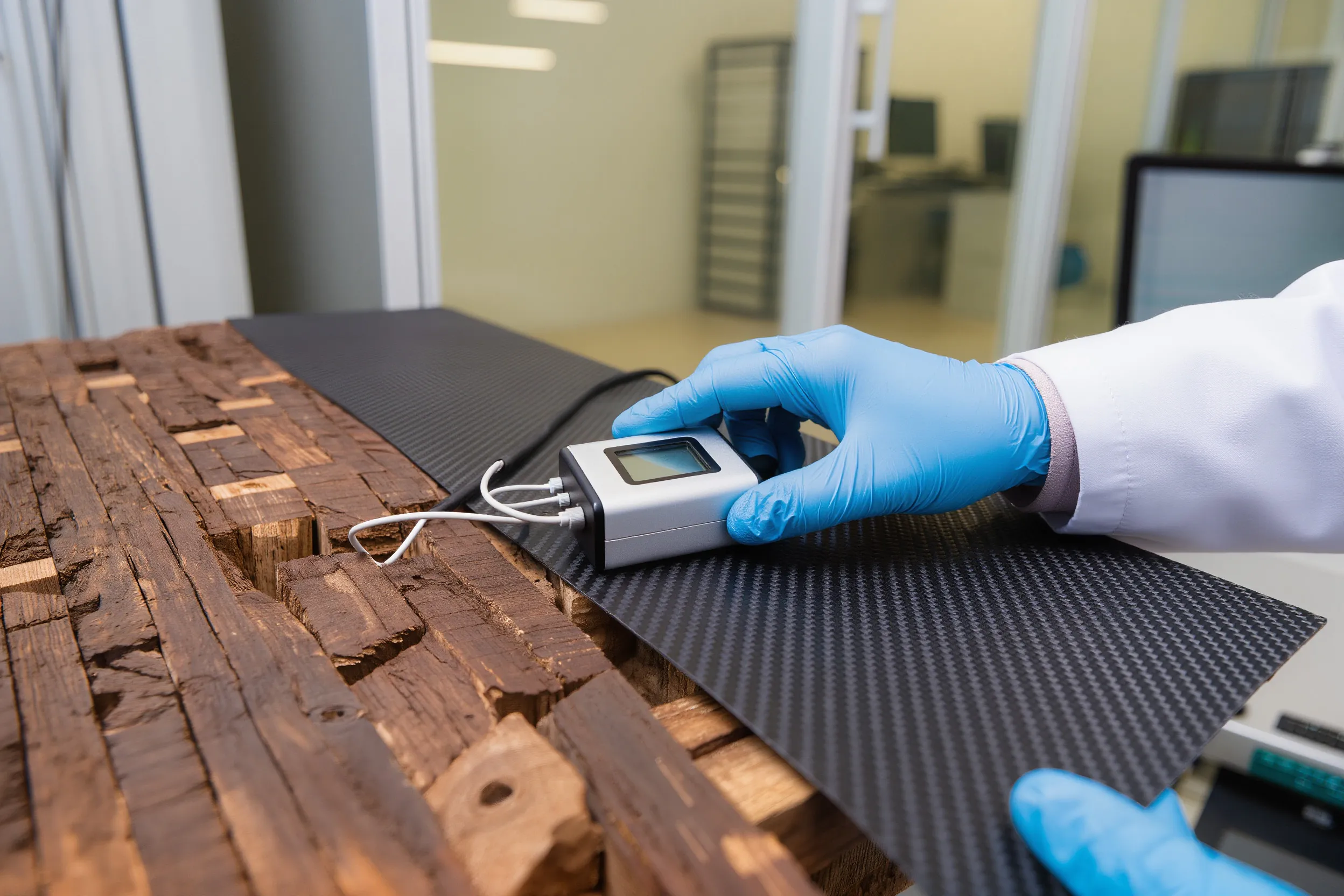
The method allows specialists to calculate precisely how to strengthen beams, columns, or rafters without adding excessive weight or interfering with the building’s exterior. Carbon fiber, which combines low weight with high strength, is particularly well suited for this kind of non-invasive restoration.


Science Meets Technology
The development has systemic significance. Russia is home to thousands of wooden cultural heritage sites, especially in northern regions and along the Volga River. The new method increases the reliability of restoration work, reduces the risk of design errors, and makes projects more cost-effective. It could also be incorporated into academic curricula at architecture and construction universities, helping train a new generation of specialists who work at the intersection of science, engineering, and heritage preservation.
Knowledge Export and a Digital Future
Preserving wooden heritage is a challenge faced worldwide. The Russian methodology has export potential and could be adapted for restoring wooden structures in Europe and North America.
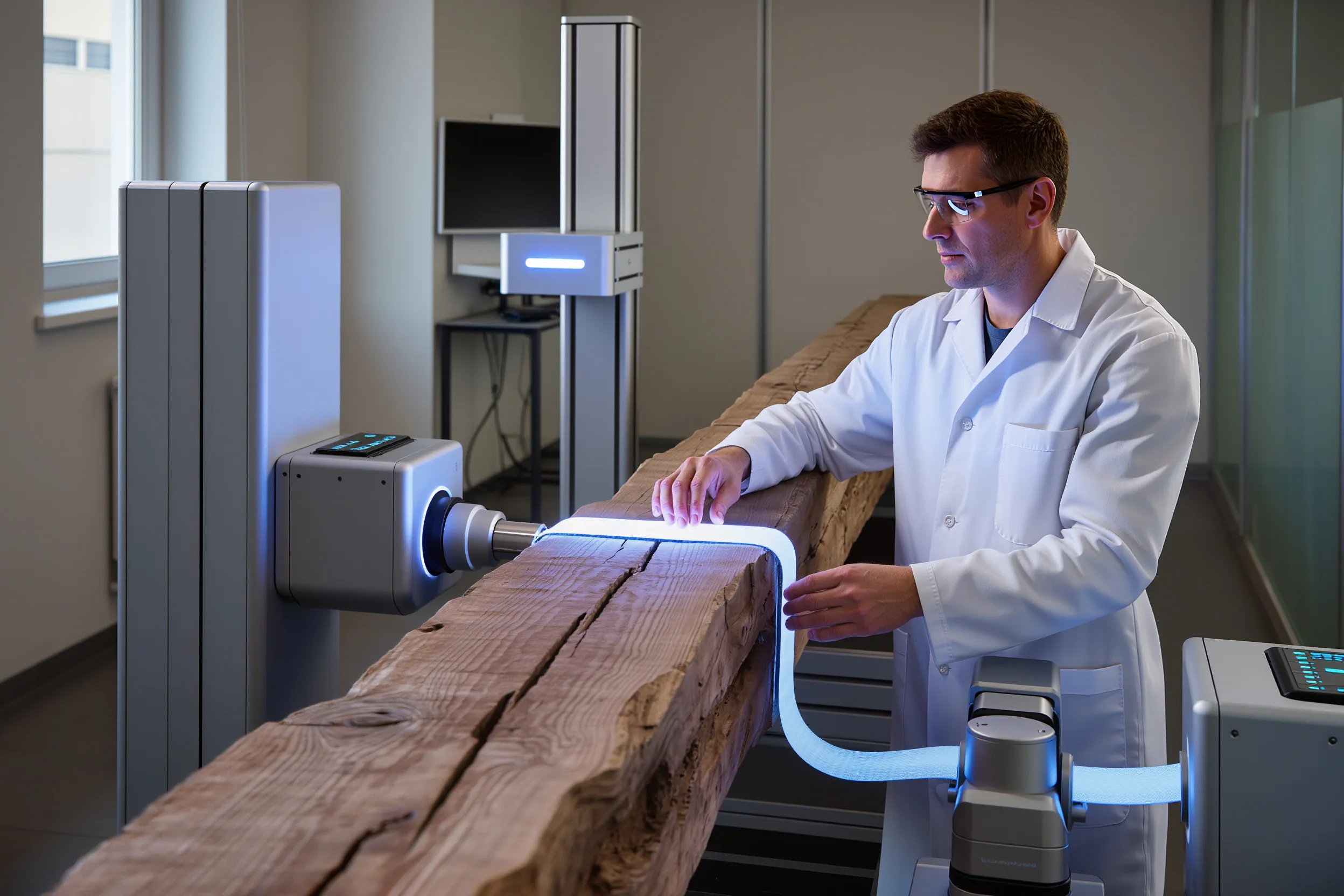
Looking ahead, the method could be integrated with 3D scanning, building information modeling, and IoT sensors, enabling a shift from one-time repairs to continuous, “smart” monitoring of building conditions. In the future, artificial intelligence could further optimize structural calculations by recommending the most efficient reinforcement strategies.
The scientific work carried out by the Perm researchers is more than a technical achievement – it serves as a bridge between past and future. It demonstrates how modern engineering tools can support historical preservation while ensuring the long-term stability of unique architectural monuments. Projects like this highlight the role of science and innovation in responsible and effective stewardship of cultural heritage.