Russia’s Rivers Are Going Digital
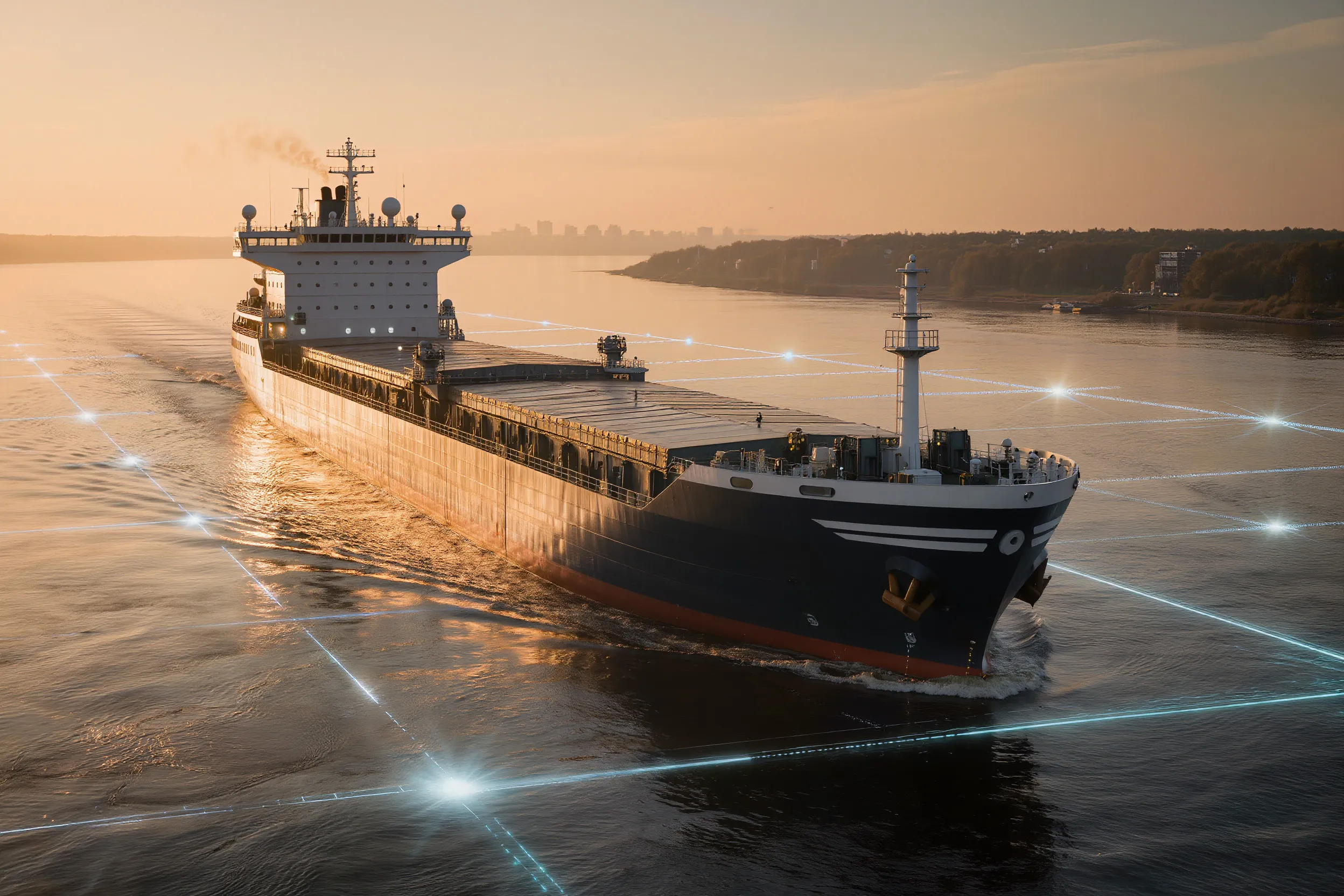
In Russia, IT professionals are developing a unified information system known as Tsifrovaya Reka (Digital River), designed to transform inland waterways into a modern, transparent, and efficient segment of the country’s logistics system.

What Tsifrovaya Reka Is
The project envisages the creation of a digital service for cargo transportation along Russia’s inland waterways, primarily across the Ob–Irtysh and Yenisei river basins. The core idea is to bring together previously fragmented processes on a single digital platform.
The system is intended to address several key objectives. It is expected to simplify interaction between government authorities and carriers, accelerate document flows, increase the attractiveness of river freight transport, and integrate inland waterways into international logistics chains. The project fits organically into a broader effort to build a National Digital Transport and Logistics Platform, known as GosLog.
For Russia’s IT sector and the broader economy, this represents a shift from fragmented digital support toward a unified platform, setting a course for standardisation and harmonisation of transport data. For the transport sector, the project strengthens the role of inland water transport within freight chains and increases the throughput of logistics corridors. At the international level, the system may attract interest from CIS and Eurasian countries, where river routes remain strategically important.

Which Way Will the River Flow
The project’s primary focus is domestic transport infrastructure. However, it also has export potential, particularly in the integration of data exchange standards for inland water transport. In this context, European solutions can serve as benchmarks, such as Inland Electronic Navigational Charts, which have already demonstrated their effectiveness.
In addition, the platform’s components could be replicated across CIS countries, where river transport continues to play a significant role, including regions adjacent to the Danube basin and the South Caucasus.


Over time, the system could evolve along several lines. First, through the enhancement of its information architecture, including the integration of AIS data, schedule management services, tariffing, and cargo flow monitoring. Second, by raising its scientific and technological level through the introduction of digital twins, automated dispatching systems, and mechanisms for forecasting waterway utilisation. Third, through integration with external platforms, including export logistics systems, transport hubs, and intermodal transport chains linking river and rail.
At the same time, the project faces a number of risks. These include the complexity of integrating heterogeneous transport databases and the need to harmonise navigational, hydrological, and shipping parameters.
Experience in Digitising Inland Waterways
Research shows that comprehensive river information systems can significantly improve the efficiency of inland water transport by consolidating data from operators and government agencies.
Within the research community, solutions for digitising fleet dispatch and traffic management already exist. These systems replace traditional radio-based communication, improving coordination and reducing operational costs.
Similar approaches have long been applied in Europe. On the Danube and the Rhine, digital navigational charts have become standard, enabling safe navigation and rapid data exchange among market participants. These examples demonstrate how technology can transform river transport from a conservative sector into a dynamic component of global logistics.
In Russia, work is proceeding in parallel on national transport and logistics platforms. The GosLog project and the Tsifrovaya Reka initiative complement each other, forming a unified digital ecosystem across all modes of transport.
The Future of River Freight Transport
Tsifrovaya Reka is not just another IT project but a strategic step toward the full digitalisation of Russia’s inland water transport. The system creates the conditions for integrating river freight into state-level and international logistics networks and, over time, could increase the share of waterways in total cargo volumes.
Over the next one to three years, the development of core system modules and the launch of pilot implementations are expected. At this stage, it will be essential to refine interaction mechanisms among market participants and to test technological solutions under real operating conditions.
In the medium term, integration with national transport and logistics platforms is planned, enabling synchronisation across different transport modes and improving the overall efficiency of supply chains.
Looking ahead five to ten years, the project could reach the international level. Participation in the development of logistics data exchange standards, along with cooperation with the European Union and CIS countries, would open new opportunities for Russian carriers and strengthen Russia’s position within the global transport system.
In this way, Tsifrovaya Reka does more than modernise inland water transport. It sets a new development vector for the entire transport sector, making it more technologically advanced, transparent, and competitive.