Student-Run Fields Get a Boost From Agricultural Drones
Penza State Agrarian University is using unmanned aerial systems to apply crop protection products across its agricultural fields, giving students hands-on experience with technologies that are becoming central to modern farming.
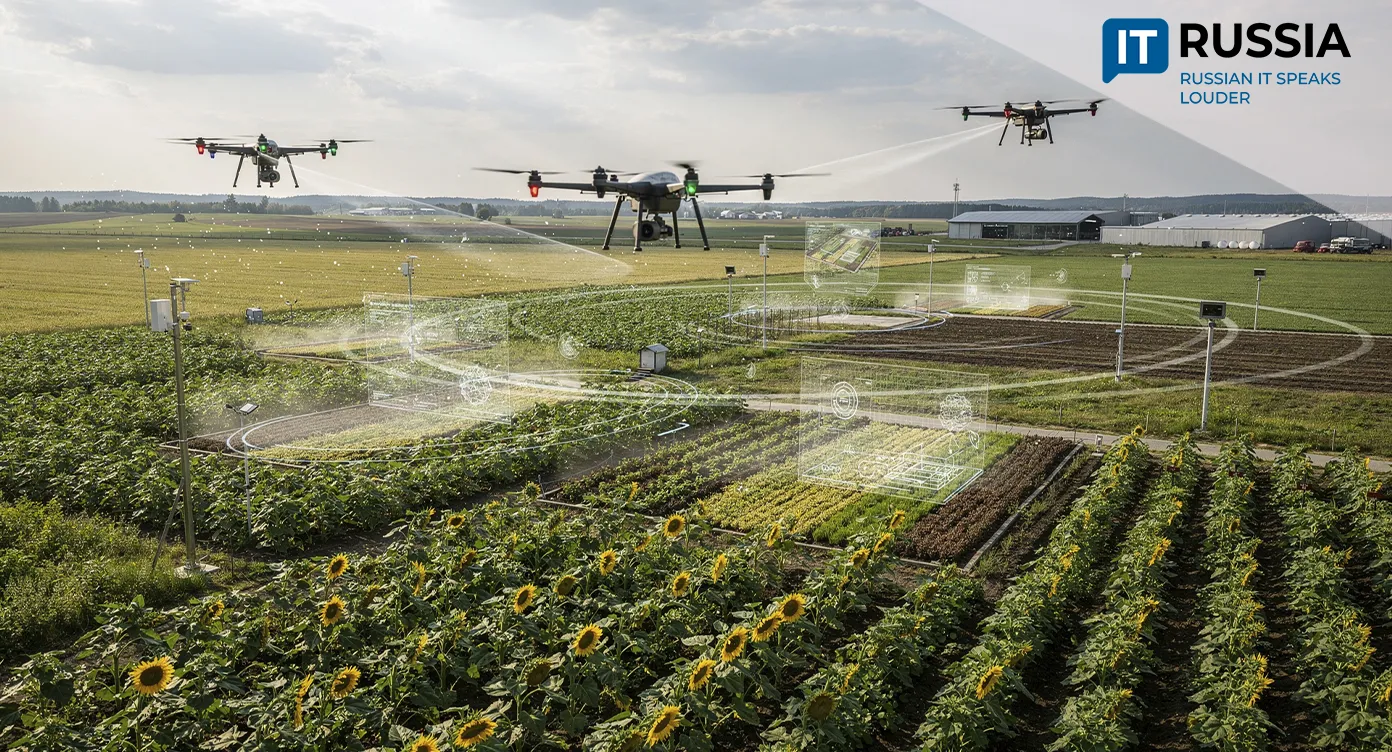
Industry experts consider unmanned aerial vehicles (UAVs) one of the most promising technologies for the future of agriculture. They play a key role in agricultural robotics, geographic information systems, precision farming platforms, agricultural analytics, and the application of fertilizers and crop protection products. That is why UAV technologies are already part of the standard curriculum at Russian agricultural universities.
From Fertilizer Application to Crop Protection
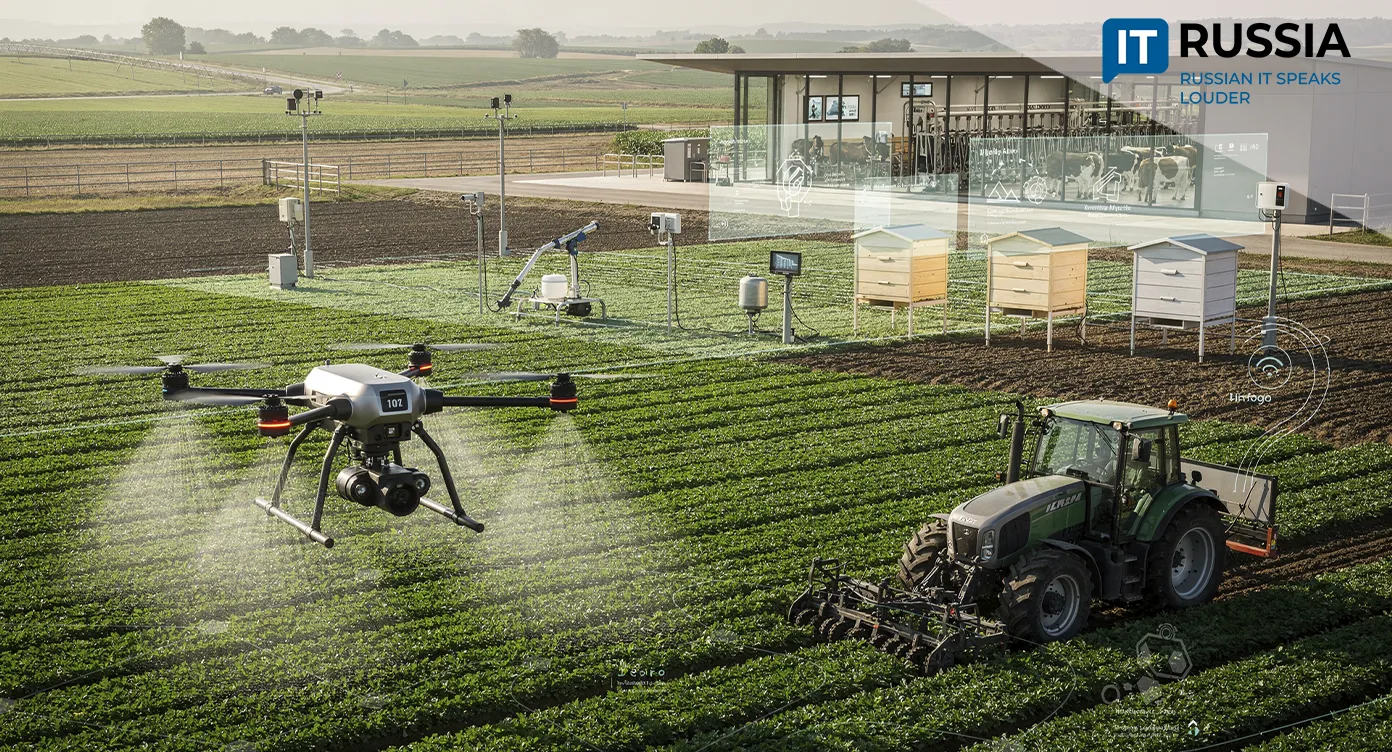
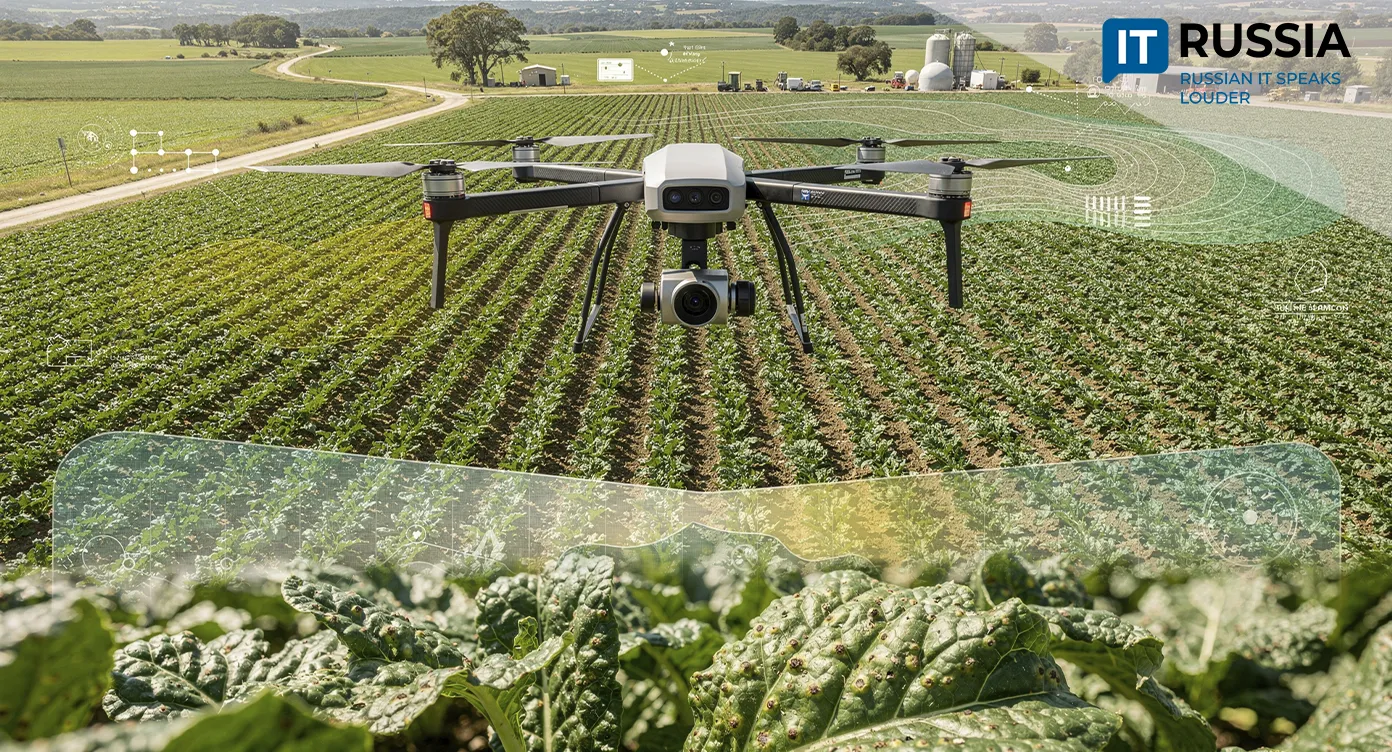
Penza State Agrarian University is actively deploying unmanned aircraft systems (UAS) across its training fields. Students use the platforms to apply fertilizers, sow seeds, and later protect crops through precision application of plant protection products.
This year, under the national Bespilotnye aviatsionnye sistemy (Unmanned Aircraft Systems) project and the federal Stimulirovaniye sprosa na otechestvennye bespilotnye aviatsionnye sistemy (Stimulating Demand for Domestic Unmanned Aircraft Systems) initiative, the university signed a contract with Uniload-Agro. Working alongside students, the company will carry out crop protection treatments using agricultural drones.
The program is to cover 610 hectares of fallow fields with herbicides, 676 hectares of sunflower crops with fungicides, 264 hectares with organic fertilizers, and 1,094 hectares with desiccants. The approach is expected to reduce operating costs while accelerating field operations. According to agricultural producers, drone-based crop treatment can reduce chemical use by as much as 25%, while allowing work to continue even when fields remain too wet for conventional machinery.
"When we talk about agricultural drones, they are like a fire hydrant," says Dmitry Ageyev, Head of Agronomy at ROSA. "After heavy rainfall, ground equipment often cannot enter the fields for quite some time. With drones, we can begin treatment as soon as the crop canopy has dried, reducing the time pests or diseases have to spread. That helps preserve the crop's yield potential."
UAS Become Part of Agricultural Production
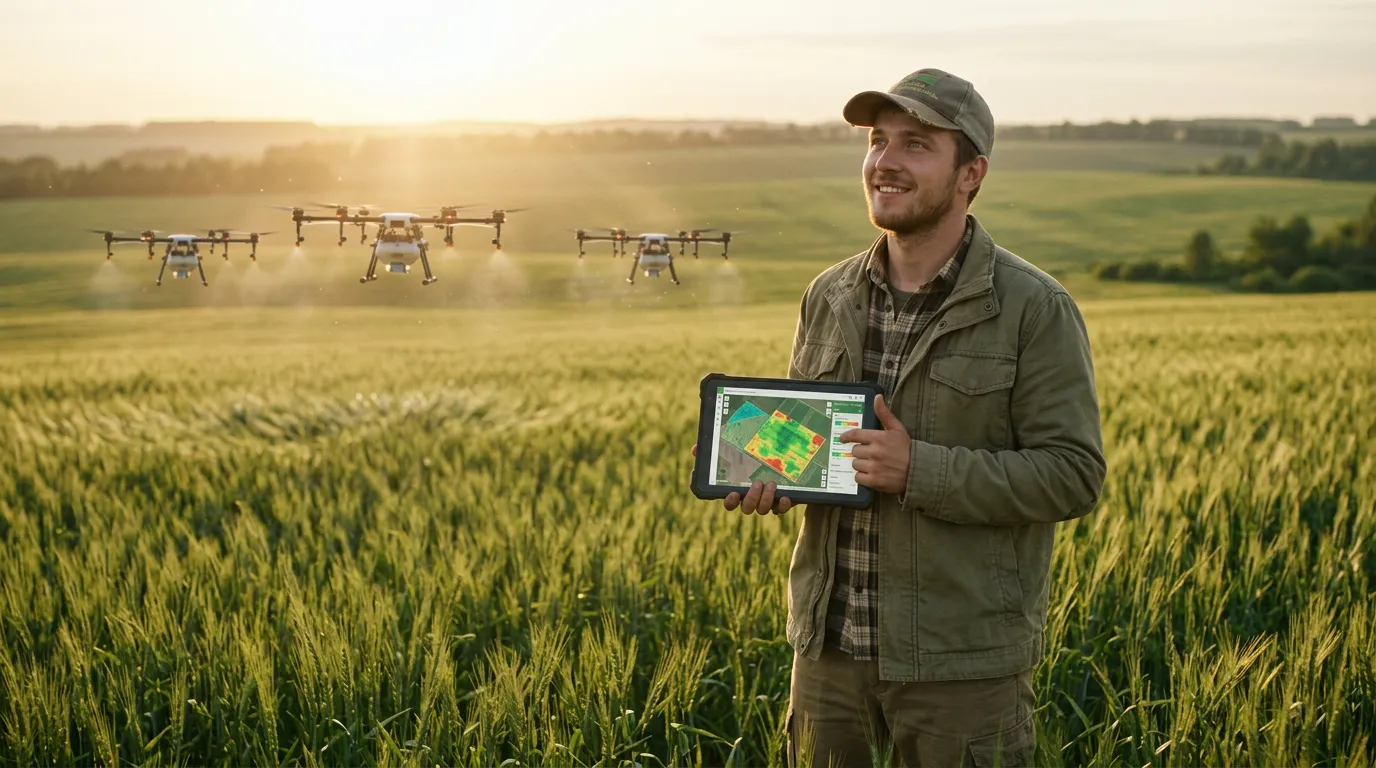
Students will improve yields on the university's training fields by automating pesticide application and other operations essential to efficient crop production. That means future agronomists in Penza begin working with unmanned systems in real agricultural production while they are still at university.
The use of digital technologies at Russia's agricultural universities is becoming a systematic process. During the nationwide conference Modern Directions in the Development of Agricultural Education and Science, held in Stavropol Territory in 2025, Russian Agriculture Minister Oksana Lut said agricultural universities are evolving into innovation hubs where students, faculty members, and early-career researchers have access to advanced laboratories and conduct research that directly addresses industry needs.
Agriculture in the 21st century has become a data-driven science. Agricultural universities are establishing centers focused on smart farming, digital technologies, and services for the agricultural sector. Today, virtually all new developments in these areas incorporate artificial intelligence technologies.
"Agricultural universities are at the center of our industry," Oksana Lut said. "Science and education must advance together to cultivate the talent and develop the technologies the industry genuinely needs. Our primary objective is for at least 70% of graduates to begin careers in the agricultural sector."
Demand for UAS Continues to Grow
The experience of Penza State Agrarian University contributes both to Russia's technological sovereignty and to greater efficiency across the agricultural sector. Today, about 60% of the country's large agricultural holdings already use precision farming systems, with unmanned aircraft systems forming an integral part of those operations. Among small and medium-sized agricultural businesses, approximately 30% have completed digital transformation projects. Investment in digital agriculture is growing by about 13% annually.
Zakhar Zavyalov, Founder and Chief Executive Officer of GeosAero, which uses UAVs for agricultural monitoring, says the long-term outlook for these technologies is also driven by labor shortages. Many farming operations will increasingly require automation.
Demand for drones in agriculture is therefore expected to continue rising. In the updated draft Strategy for the Development of Unmanned Aviation in Russia Through 2030 and Looking Ahead to 2035, prepared by the Ministry of Industry and Trade, agriculture is identified as one of the principal markets for unmanned aircraft systems. The reason is straightforward: Russia has approximately 380 million hectares of agricultural land. Over the next several years, UAS are expected to become standard equipment on farms, helping increase production across the agricultural sector.