Working Side by Side With Oncologists: Russia Trains AI to Read Scans and Support Diagnoses
In Russia, physicians are testing an AI-based clinical assistant designed to analyze patient data and suggest evidence-backed diagnostic options. Known as Doktor Pirogov, the system aims to reduce the risk of medical error and could set a new operational standard for oncology care nationwide.
A Hybrid Approach
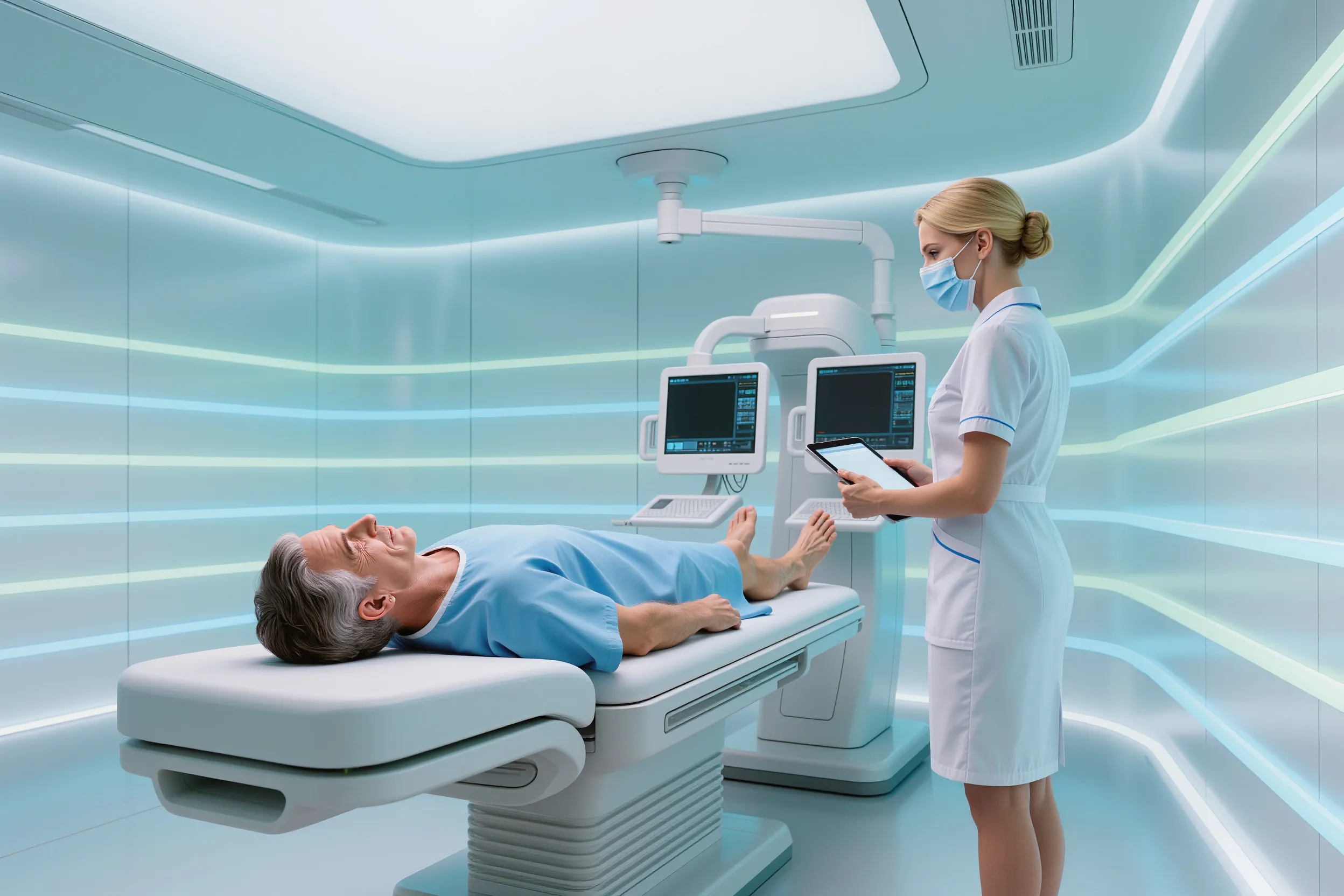
In January 2026, an unusual working group convened at the Novosibirsk Regional Oncology Center. It brought together oncologists, radiologists and IT specialists with a practical and complex goal – embedding artificial intelligence algorithms into everyday clinical workflows.
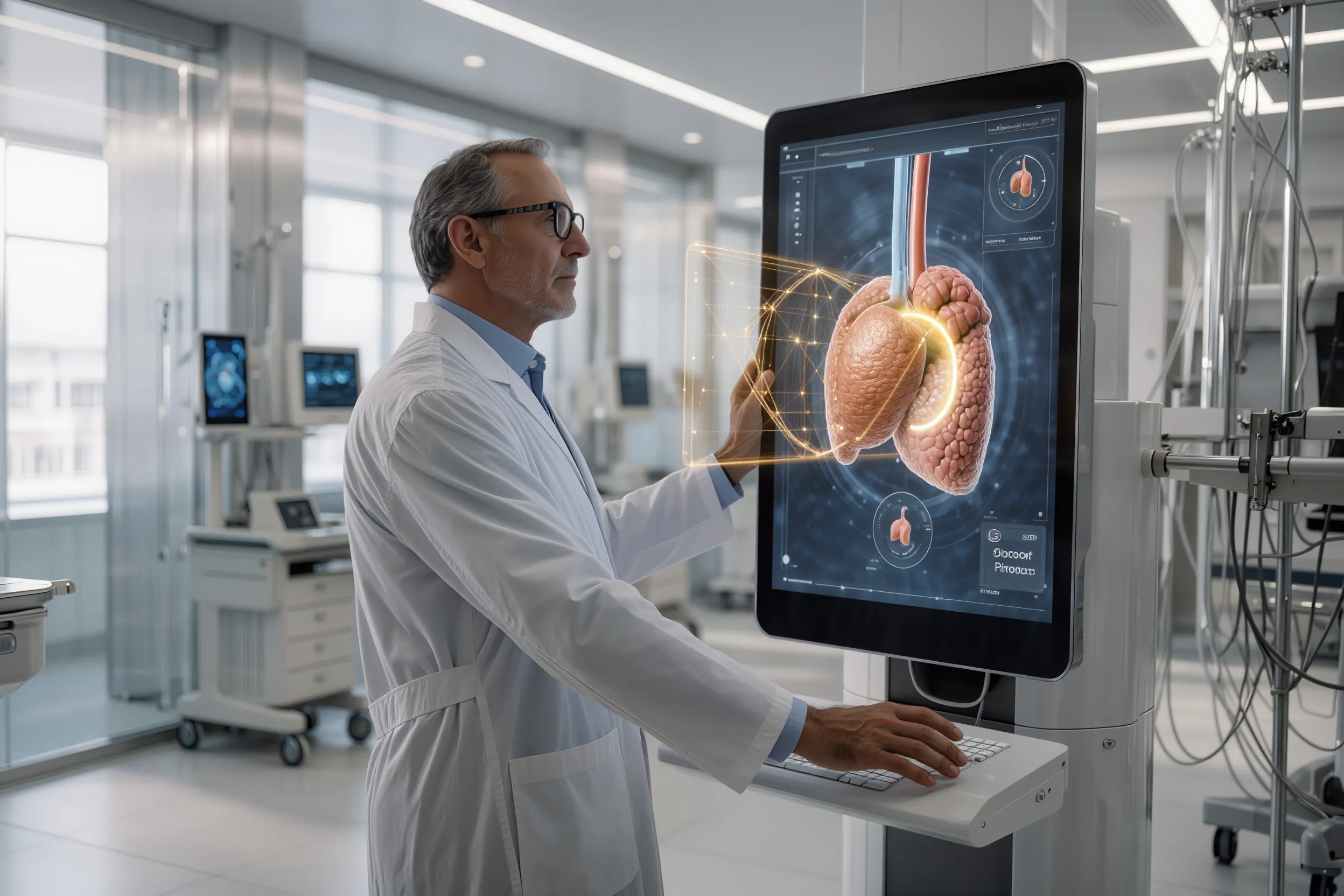
The core tool being tested under real patient loads is the clinical decision support system Doktor Pirogov. It was developed by researchers at the Artificial Intelligence Research Center of Novosibirsk State University. The system’s knowledge base contains structured information on 250 major diseases and is continuously updated.
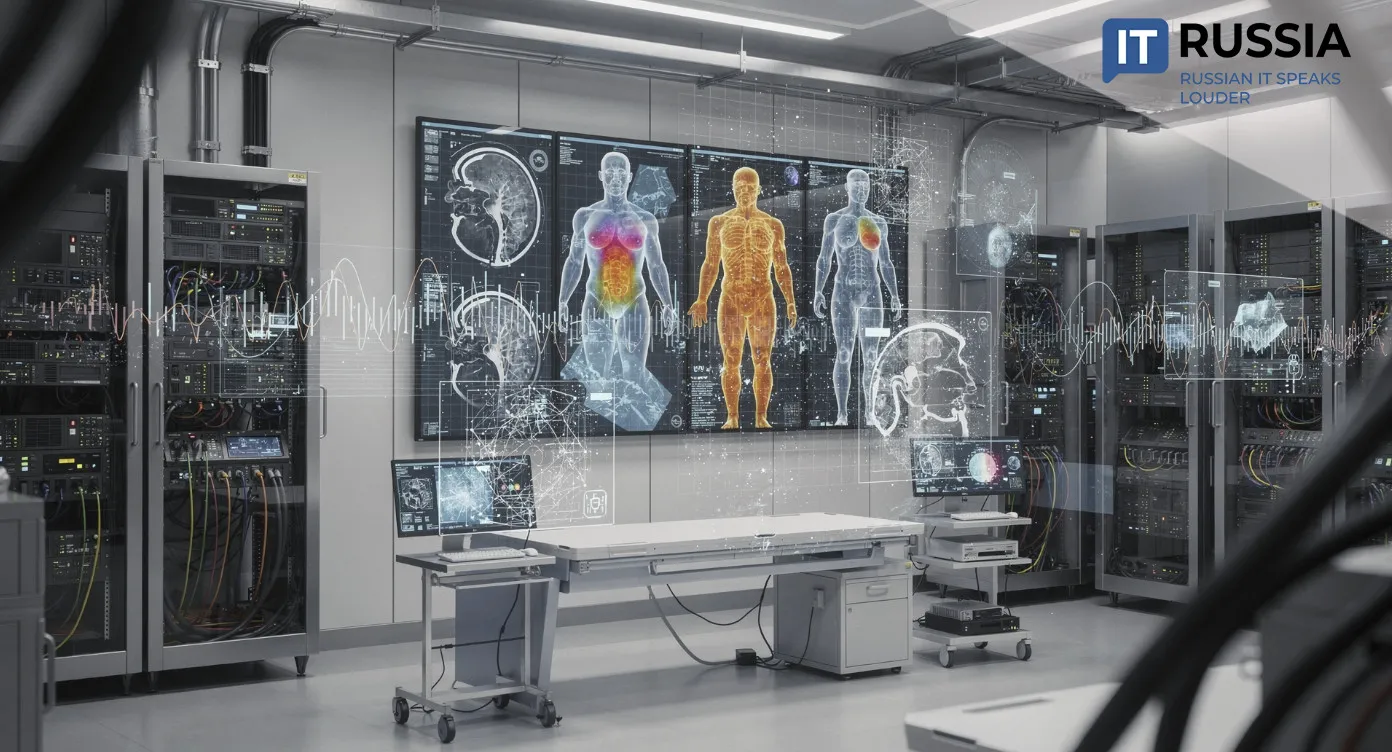
What sets the platform apart is its operating principle. Instead of a “black box” neural network that produces answers without explanation, Doktor Pirogov relies on a hybrid model. Machine learning algorithms operate in tandem with a specialized knowledge graph known as ANDSystem. In practice, the system does not merely suggest a possible diagnosis or treatment pathway – it also shows the physician the logical chain behind the recommendation. This includes which symptoms, medical history elements and test results led to the conclusion. Doctors receive a detailed analytical brief that they can critically assess. In this setup, AI acts not as an oracle but as an exceptionally well-read colleague that can instantly sift through terabytes of medical literature and clinical guidelines.
What This Means for Patients
Other developments are being tested in parallel. One example is a service for automated MRI image analysis that can identify and preliminarily assess pathological findings, reducing the time burden on radiologists. Separately, work is underway on a hardware solution called AI-Povodyr, commissioned by the Fyodorov Eye Microsurgery Center, to assist people with visual impairments.

For patients visiting clinics that use such systems, the primary benefit is a reduced risk of diagnostic error caused by fatigue, human factors or a lack of narrow specialist experience. Oncology is a field where the stakes are often life and death and where clinical knowledge evolves rapidly.
Speed Matters in Oncology
The system can correlate a specific patient’s symptoms with thousands of similar cases documented worldwide, paying particular attention to atypical or rare combinations. This can accelerate accurate diagnosis at early stages, when treatment is most effective.
Another key effect is quality standardization. Regardless of where a patient lives within the region, their case can be analyzed using a single, continuously updated intelligent tool. This represents a step toward making advanced diagnostic expertise more accessible beyond major federal medical centers.
Data Over Intuition
For the Novosibirsk region, the project strengthens its oncology service through digitalization. It reflects a shift toward precision medicine, where clinical decisions increasingly rely on large-scale data analysis. AI deployment reshapes internal processes by requiring the digitization and standardization of medical records and the creation of new protocols for physician-system interaction. This is a complex organizational effort.
However, the potential impact extends nationwide. If the technological and clinical model proves effective in Novosibirsk, it could form the basis for sector-wide standards under national digital health programs. Doktor Pirogov and similar platforms are infrastructure-level solutions that can be scaled to other regions, creating a unified digital environment for oncology care.
Export Potential
Russia’s domestic AI-in-healthcare market is expanding rapidly, but the global market is far larger. After refinement and clinical validation at home, such systems could be offered internationally.
In the oncologist’s office, a new digital participant has effectively joined the medical consult. Its role is to process information, identify patterns and reduce the risk of missing critical signals. The final decision – grounded in experience, professional judgment and direct patient communication – remains firmly in human hands.