Russia Develops a New Digital Model for the Mining Industry
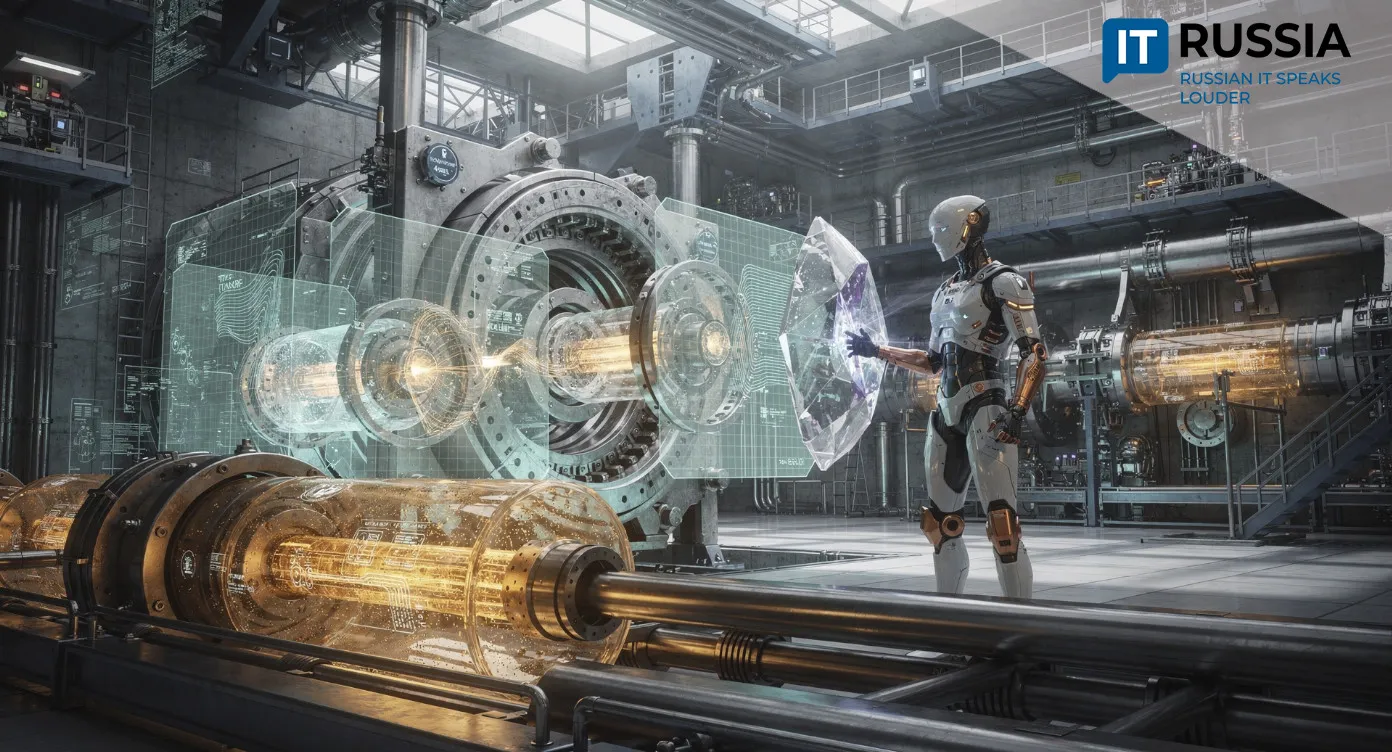
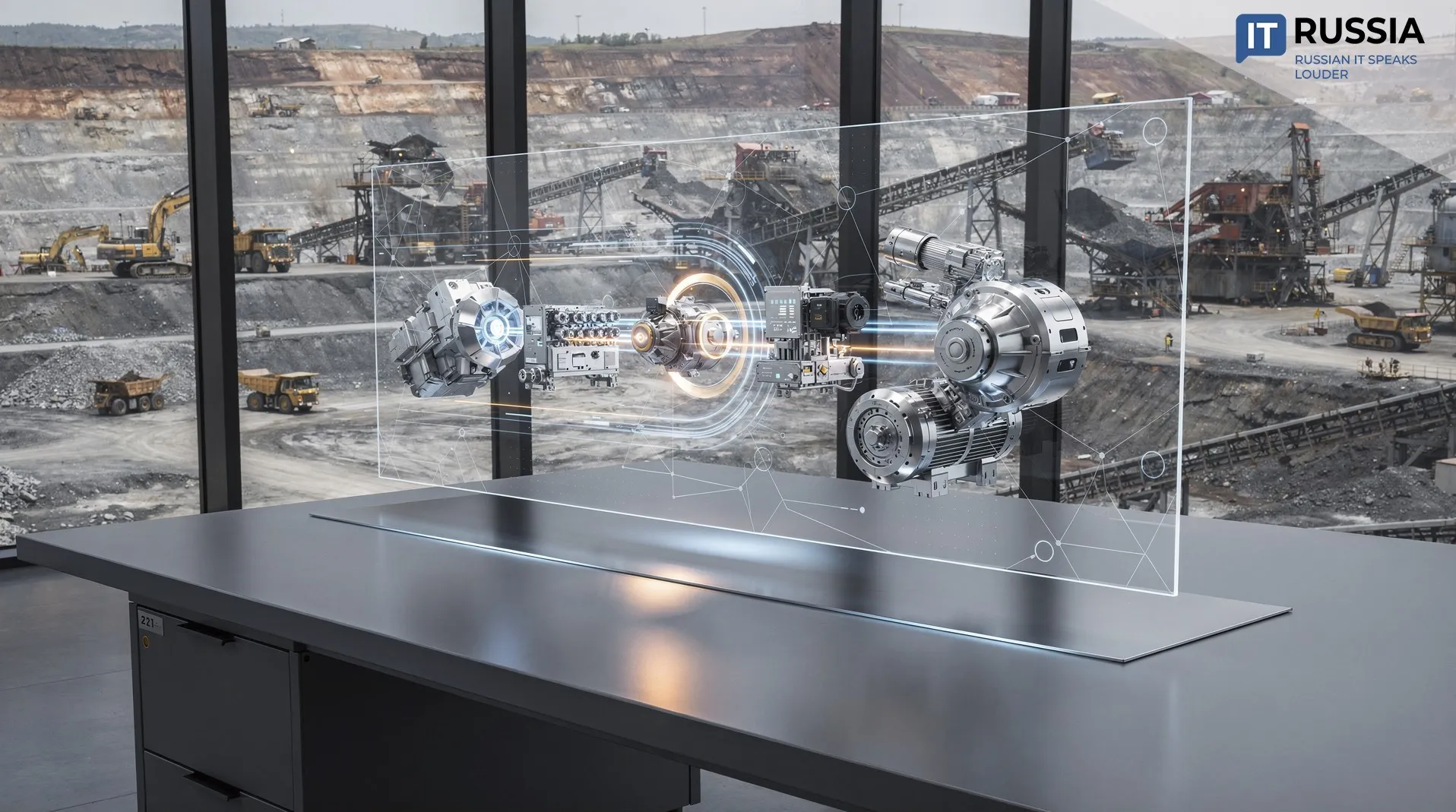
Researchers at NITU MISIS have proposed a new logic for the digital modeling of mining enterprises. Their development links equipment, technological processes, software control and information flows into a single system.
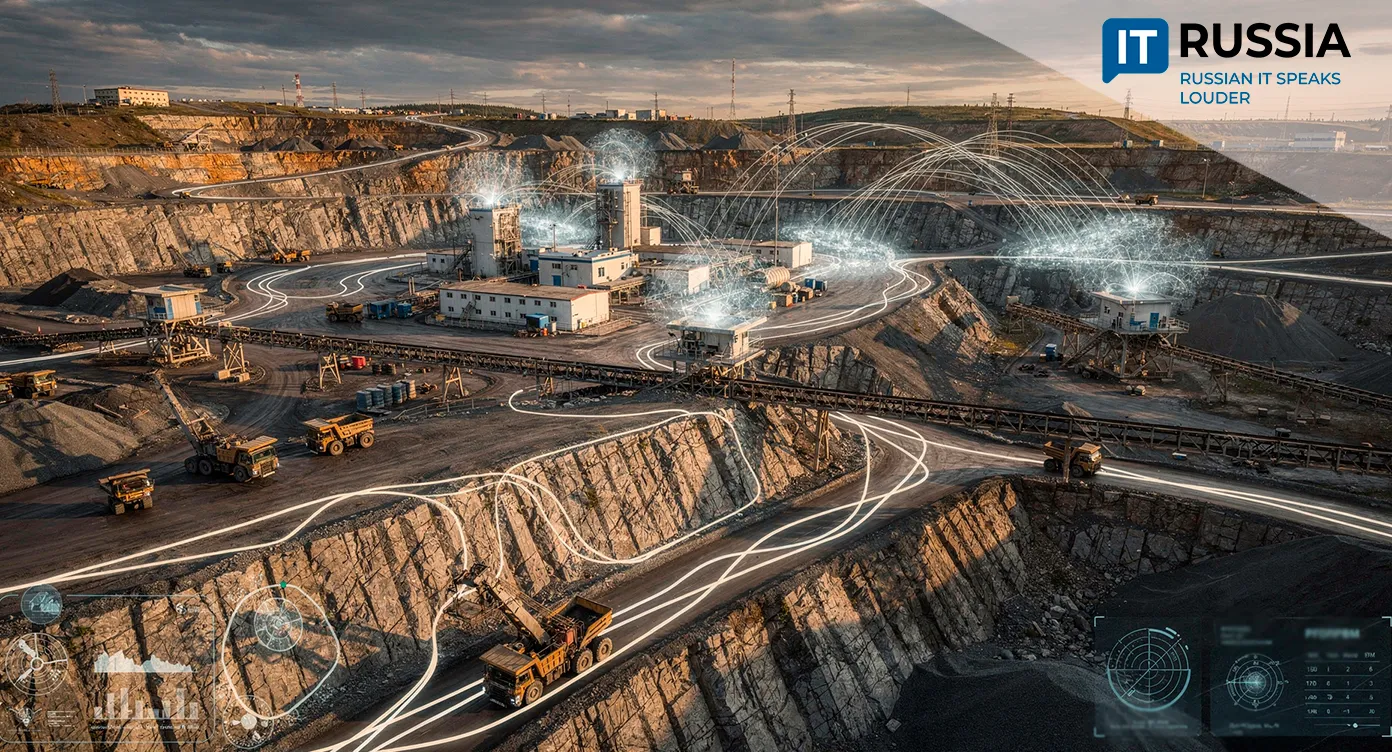
The model tracks the execution of technological operations without human involvement and performs effectively even at sites with numerous incoming information channels. Its key feature, however, lies in the use of ontological modeling. In practice, that means the enterprise is described not as a collection of tables, sensors and production assets, but as a system of interconnected entities: machinery, operating processes, personnel, software agents, complete data arrays and the industrial environment itself. Such an approach is critical for the creation of digital twins and intelligent management systems.
The project is not yet moving toward large-scale industrial deployment. At this stage, the development is primarily important from a scientific and technological perspective. Even so, the architectural foundation of future digital solutions matters greatly. Russia’s mining sector, which for years depended heavily on foreign mining and geological information systems – imported MGIS platforms accounted for roughly 90% - 95% of the Russian market – is showing understandable interest in the MISIS development.
A Bid for Technological Leadership
The Russian market needs more than domestic replacements for foreign MGIS platforms. It also requires its own data models, management logic, integration tools and intelligent software layers.
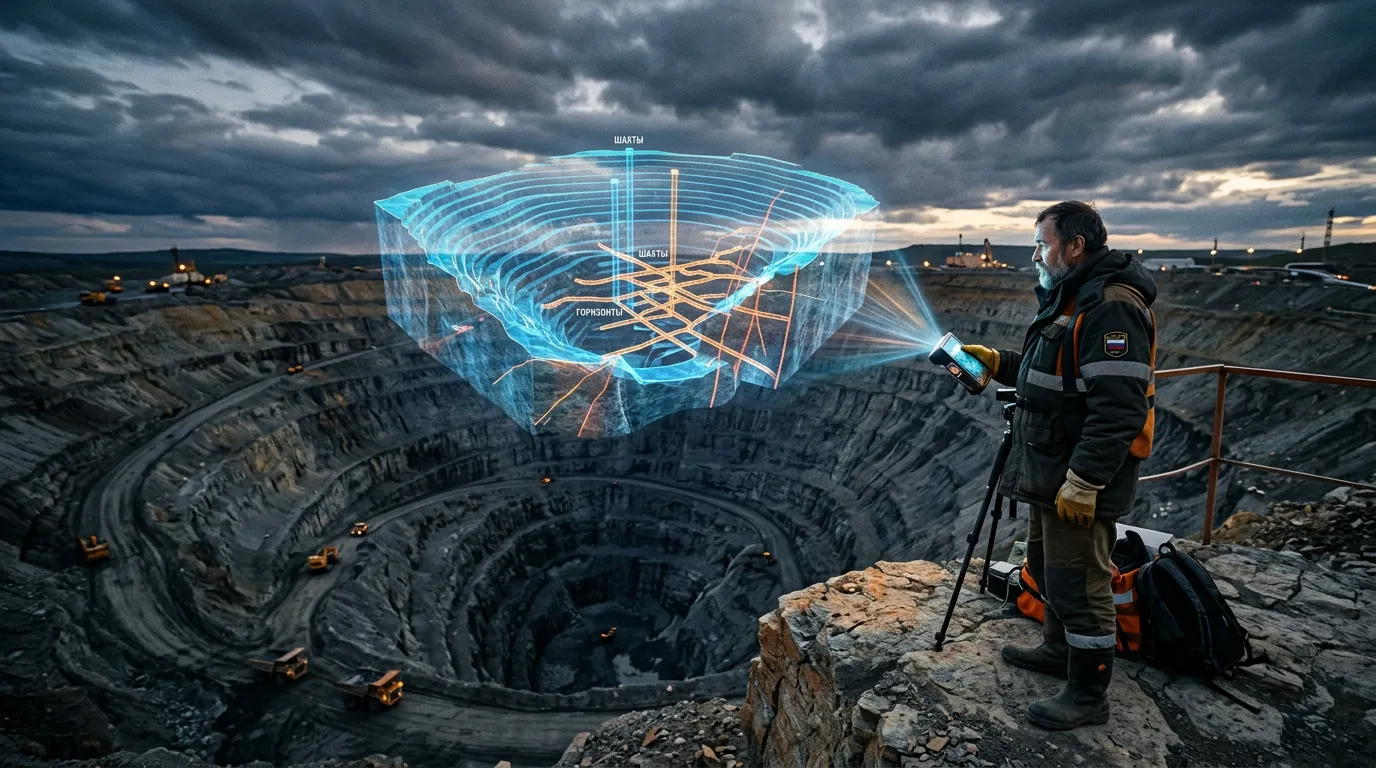
The MISIS development could be used to build digital twins for open-pit mines, underground mines and mining-and-processing plants; automate mining-work planning; evaluate processes suitable for autonomous or semi-autonomous operation; coordinate equipment, industrial infrastructure and software systems; and improve the manageability of highly complex industrial sites.
Russia is already developing a foundation for such systems. The Russian Academy of Sciences, for example, has reported on the use of the domestic MGIS platform MINEFRAME to create digital workspaces for geologists, mine surveyors and process engineers. That system is based on unified models of mining and geological assets. Industry experts note that the mining sector’s heavy dependence on imported MGIS software has slowed digital transformation under sanctions pressure. Against that backdrop, the MISIS logical model could become an important methodological layer for future domestic software ecosystems.
The Missing Link
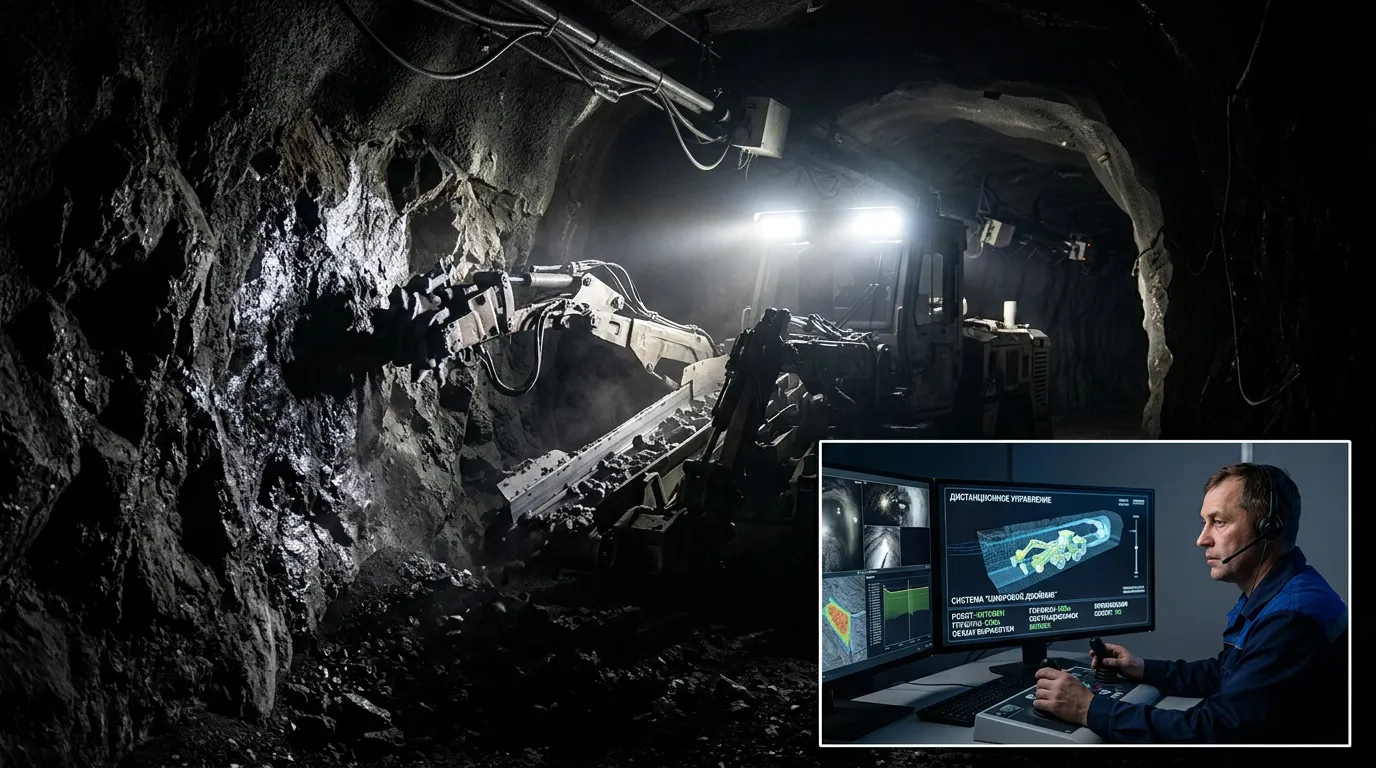
One defining characteristic of mining enterprises is the absence of closed and repetitive processes. Operating conditions constantly change because production depends on a combination of natural and technological factors.
Unlike mechanical engineering and many other industries where workflows are cyclical and predictable, mining requires significantly more complex models with a much larger number of variables. That is why describing an enterprise as a system of interconnected concepts and processes represented through a knowledge base amounts to a fundamentally new approach for the sector.
The MISIS development makes it possible to describe enterprises not through loosely structured information, but as a logical model understandable to both humans and machines. This is a necessary step toward creating truly autonomous industrial systems in which software agents can interact, analyze data and independently regulate production processes.
Comparable Industry Developments
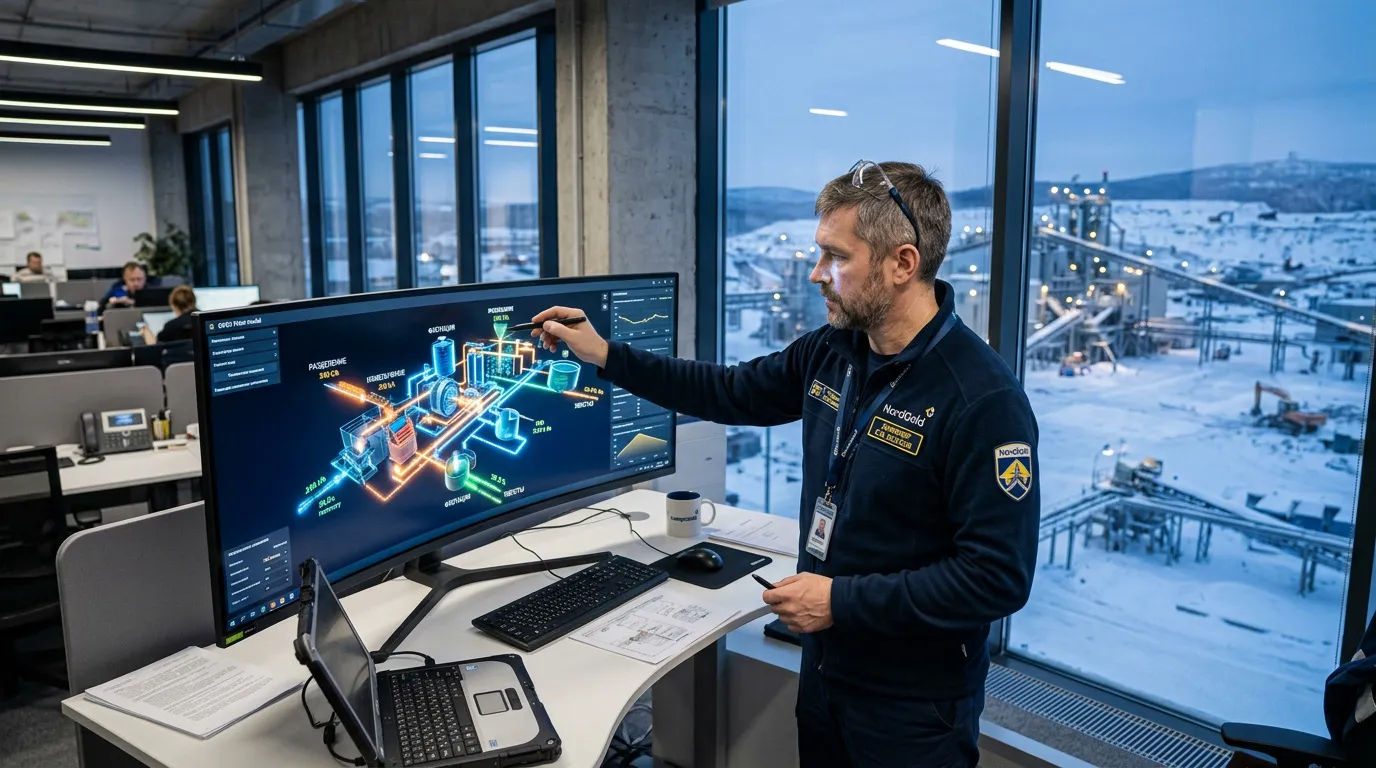
In 2024, MISIS also announced the development of a digital modeling system for mining waste. The platform was designed to improve mineral extraction from various forms of slurry and increase the economic efficiency of secondary-resource processing. In other words, digital models were already being created two years ago not only for extraction itself, but also for deeper processing of mineral resources.
Then, in 2025, the Russian Academy of Sciences introduced MINEFRAME, a domestic MGIS platform intended for digital workplaces used by geologists, mine surveyors and process engineers. The system operates using unified models that reflect both design solutions and the real condition of mining and geological assets. In practice, that means the Russian mining sector is moving toward a single digital picture of mining production.
The latest MISIS development shifts the focus away from isolated tasks such as geology, waste management or energy efficiency and toward a holistic description of the mining enterprise itself. It proposes a logical foundation for autonomous management. That represents a clear attempt by Russia’s mining industry to move beyond fragmented digitalization toward the creation of integrated digital platforms.