A 3D-Printed Aortic Prosthesis Saves a Patient in Ufa in Just 10 Hours
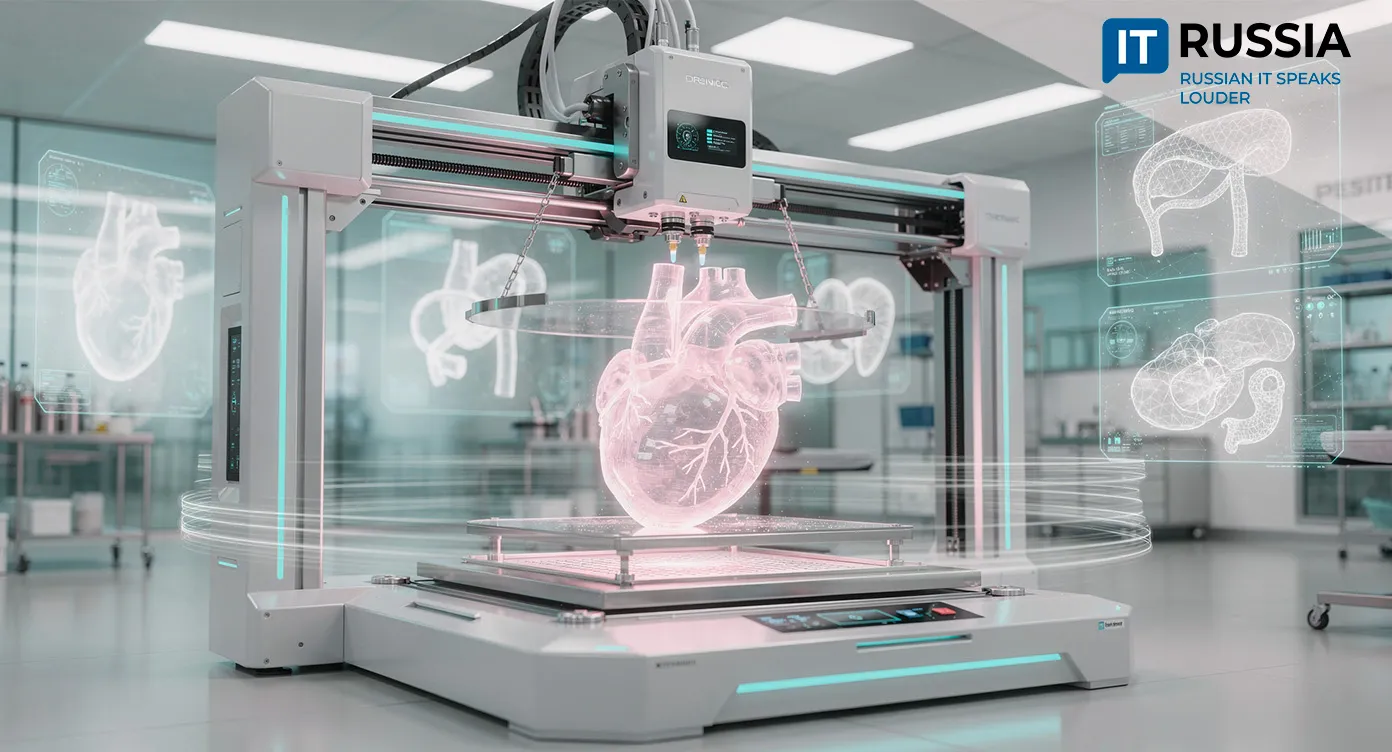
Russian physicians and scientists raced against time. In Ufa, a patient-specific aortic prosthesis was 3D-printed within 10 hours, enabling a life-saving surgery.
When Time Is Running Out
On the first day of 2026, a 53-year-old woman from the Tuymazy District of Bashkortostan was admitted to the Republican Cardiology Center in Ufa in what doctors described as a near-terminal condition. A rupture of the thoracic aorta – one of the body’s main blood vessels – threatened catastrophic internal bleeding. Blood pressure was falling, vital organs were beginning to fail, and the chances of survival were rapidly diminishing.
What would have been nearly impossible just a few years ago became feasible through the convergence of medicine and digital technology. Surgeons did not simply perform a complex operation. They implanted a patient-specific aortic endoprosthesis designed for her unique anatomy. Most critically, the prosthesis was produced not in weeks or months, as was previously standard, but in just 10 hours.
How the Rescue System Worked
The procedure became possible thanks to a tightly coordinated workflow in which every participant – from clinicians to engineers – functioned as part of a single system. Upon admission, the patient immediately underwent contrast-enhanced computed tomography, which revealed not only the rupture site but also the precise structure of her vascular system.
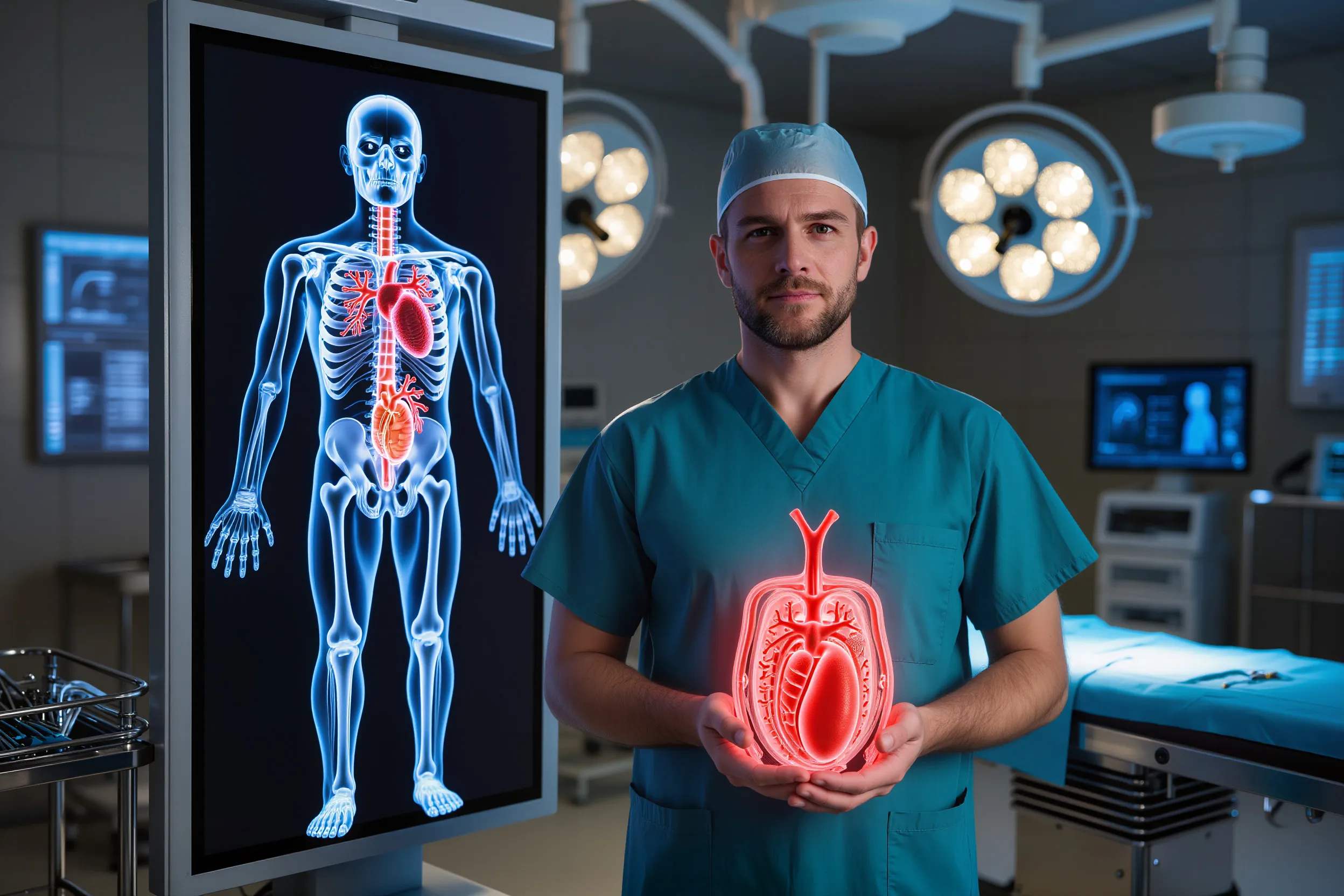
The CT data was instantly transferred to the additive manufacturing laboratory at the Inter-University Campus of the Eurasian Scientific and Educational Center. Specialists created an exact 3D model of the damaged section of the aorta, taking into account all arterial branches, which vary from person to person.
Based on this model, a physical replica of the future prosthesis was produced on a 3D printer using a specialized medical-grade resin. Remarkably, the entire preparation process – from data acquisition to sterilization of the finished device – took less than 24 hours.
Cardiac surgeons implanted the customized endoprosthesis, excluding the damaged segment from blood circulation and restoring the integrity of the aorta. Additional stents were placed in the renal arteries to reestablish blood flow to the kidneys.
A Matter of Life and Death
Cardiovascular disease remains the leading cause of mortality worldwide. In Russia, sustained public health policy has contributed to a gradual decline in cardiovascular mortality, but each case still demands the fastest and most precise intervention possible.
Aortic rupture is particularly dangerous. Without immediate surgical treatment, it leads to massive internal bleeding and almost instantaneous death. Even when patients reach a hospital in time, every hour of delay sharply reduces survival odds.
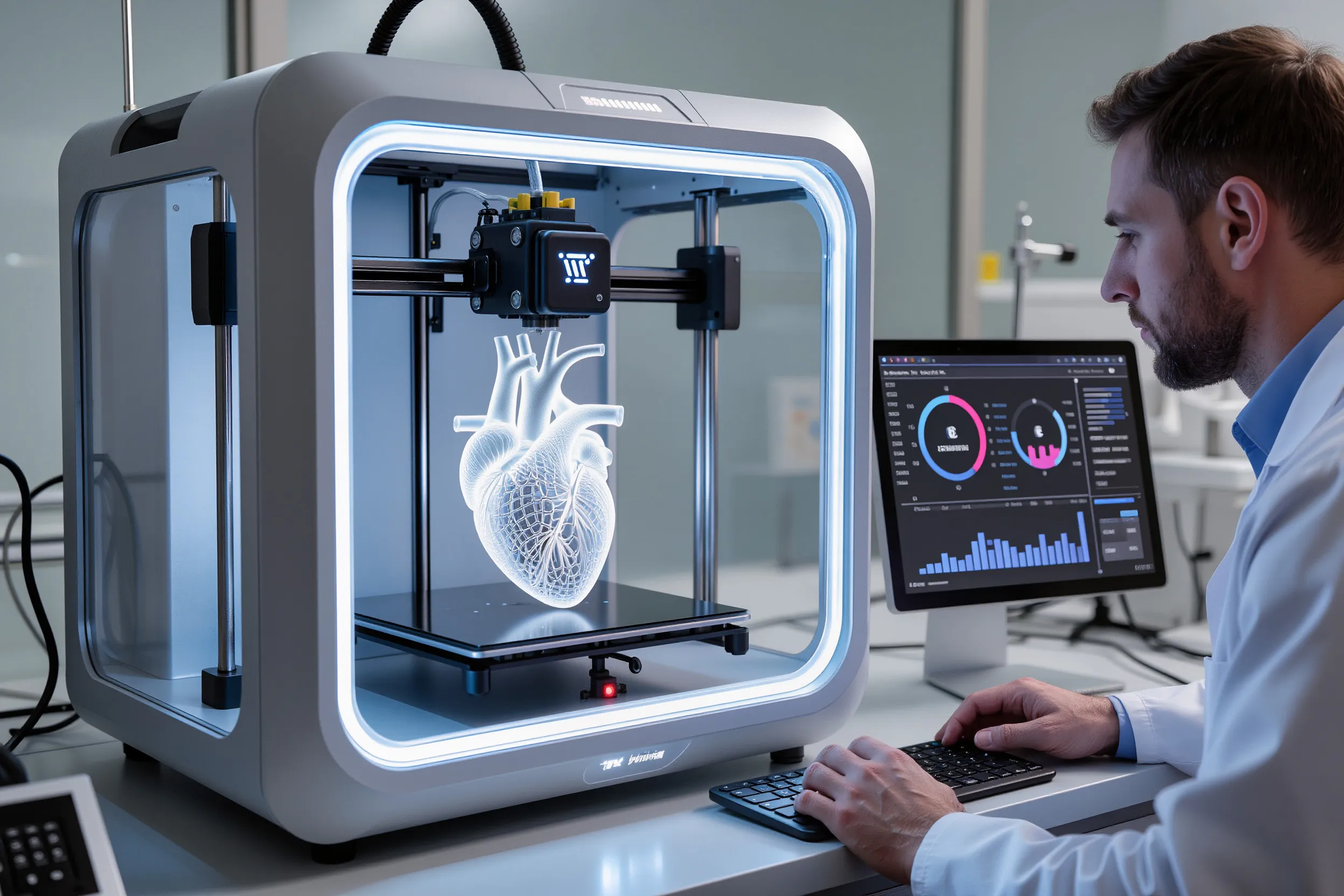
Patient-specific prostheses produced using 3D printing address several critical challenges at once. The first is speed – on-site manufacturing replaces months-long procurement cycles. The second is anatomical precision. These prostheses are tailored to the exact vascular geometry of each patient, reducing procedural risk.

A Laboratory Where the Future Takes Shape
The additive manufacturing laboratory at Bashkir State Medical University in Ufa is a research hub focused on projects that until recently seemed futuristic. One of its core research goals is the development of smart implants capable of interacting with the body throughout their lifecycle, from implantation to full biological integration.
The laboratory is part of the Inter-University Student Campus of the Eurasian Scientific and Educational Center, built under a federal mandate as part of the national Science and Universities initiative. The campus is designed as a collaborative environment where students, researchers, and physicians work side by side, accelerating the translation of scientific advances into clinical practice.
Russian Technologies for Global Healthcare
The Ufa patient’s recovery is not an isolated case, but part of a broader, systematic effort. Russian advances in medical 3D modeling and additive manufacturing are now competitive at the global level.
The success achieved by physicians and engineers in Ufa opens new horizons. One is the expansion of implant portfolios, allowing the technology to be applied not only to aortic prostheses but also to other blood vessels, bones, and cartilage.
Another direction is telemedicine. Remote implant design could support patients in geographically isolated regions. At the same time, 3D models are increasingly used for surgical training, enabling doctors to rehearse complex procedures on precise replicas of individual patients’ organs.
The life-saving intervention in Ufa demonstrates how digital technologies developed by Russian specialists are becoming practical tools for preserving human life. In a world where time often separates survival from fatality, the ability to produce a customized medical implant within hours represents a new standard of patient care – one in which Russia is playing an active role.