AI as a Second Opinion Source: Russia Deploys Machine Learning for Diagnosis
In outpatient clinics across the Moscow Region, an AI assistant is analyzing medical records and suggesting diagnoses. In just a few months, the system has supported more than 175,000 diagnoses across 95 socially significant diseases. Here is how it works.
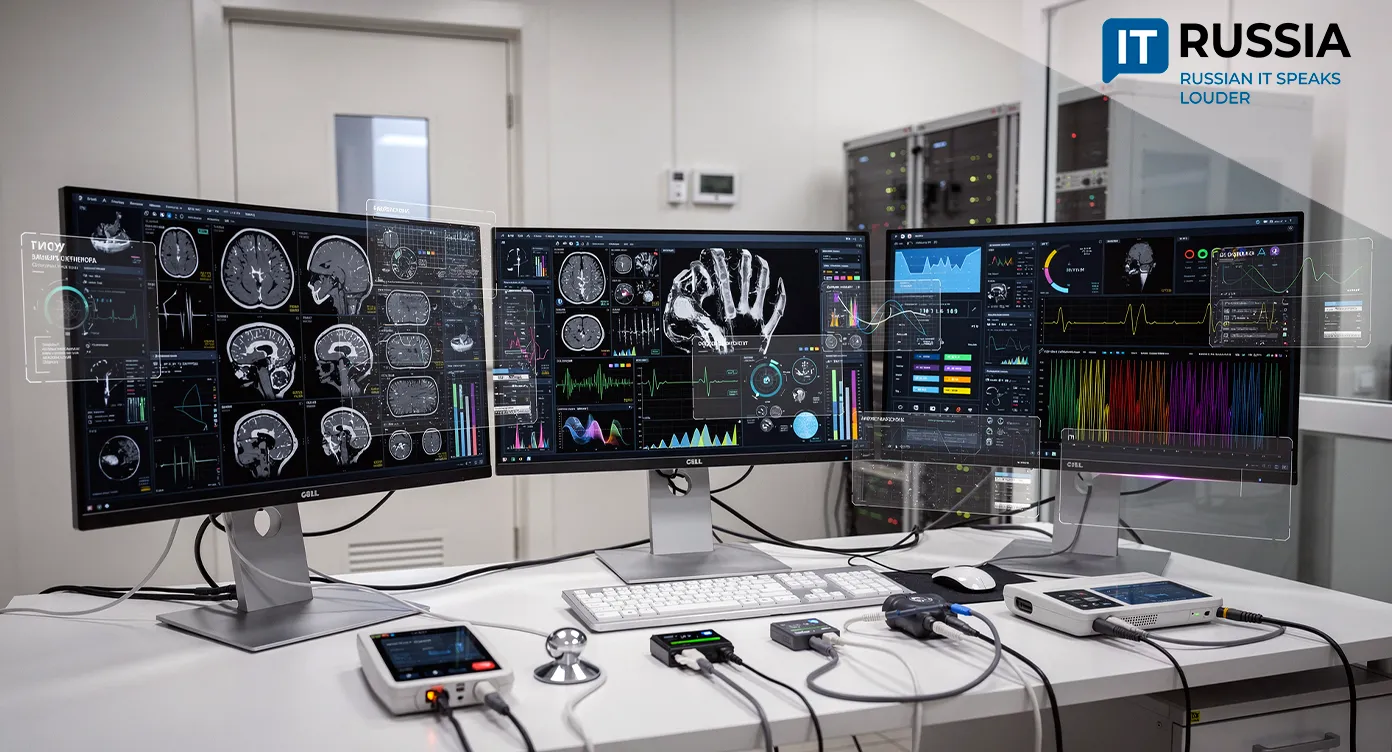
In February 2026, healthcare facilities in the Moscow Region launched a pilot version of the AIDA diagnostic assistant. The AI-based service was designed to support primary care physicians. After several months in operation, early results show that the assistant has helped clinicians make more than 175,000 diagnoses. Each case represents a patient who did not have to wait for symptoms to worsen before a condition was identified.
Fills Records and Suggests a Diagnosis
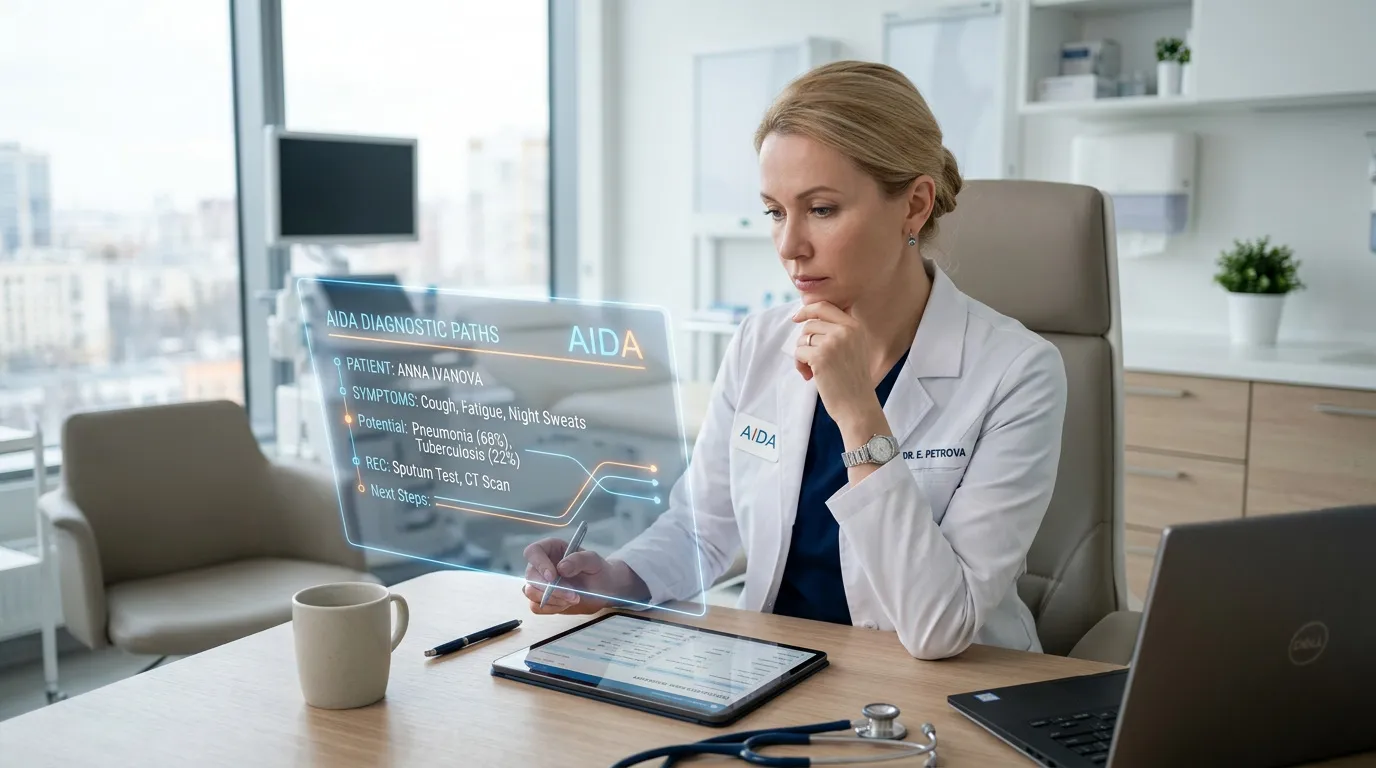
The digital assistant analyzes data from electronic health records, including patient complaints, medical history, and diagnostic results. Based on this information, it generates a hypothesis about the presence of one of 95 socially significant conditions. AIDA does not replace the physician. Instead, it runs its algorithm in parallel. When its assessment aligns with the clinician’s, it reinforces the decision. When it differs, it suggests an alternative. In practice, this provides a safeguard against fatigue and human error.
Maxim Zabelin, Deputy Chairman of the Government of the Moscow Region and Minister of Health, emphasized that final clinical decisions always remain with the physician. However, with AI support, the likelihood of diagnostic error is significantly reduced.
High-Impact Conditions
What qualifies as a socially significant disease, and why is early detection critical, even before symptoms become apparent? The list includes diabetes, hypertension, cancer, hepatitis, and tuberculosis. These conditions remain leading causes of mortality and disability.
In this context, the cost of diagnostic error is particularly high. The AI has been trained on large volumes of anonymized clinical data to identify patterns even at early stages, when symptoms are subtle. The figure of 175,000 matches reflects the number of times the system either confirmed a physician’s assessment or prompted a second look.
Supporting Services Across the Care Continuum
AIDA is part of a broader digital healthcare ecosystem in the region. Additional tools are already supporting clinicians. For example, the voice assistant Svetlana can handle peak demand periods by replacing up to 600 call center operators, scheduling appointments and dispatching medical staff for home visits. Routine administrative workflows can be delegated to the system.
Since 2023, physicians have also been using Voice2Med, a speech recognition solution that understands medical terminology in Russian and Latin, reducing documentation time by nearly half. In the Dobrodel Zdorovye app, patients can independently interpret test results, with AI highlighting potential abnormalities. These services streamline workflows and reduce administrative burden.
Significance for Russia and Patients
In a healthcare system where primary care is under sustained pressure, the introduction of digital tools represents a step change in operations. Previously, clinicians relied primarily on their own expertise and judgment. Now, machine analysis complements clinical decision-making, unaffected by fatigue or workload. This is particularly relevant for the Moscow Region, a geographically large area where AIDA delivers consistent performance across both major centers and smaller cities.
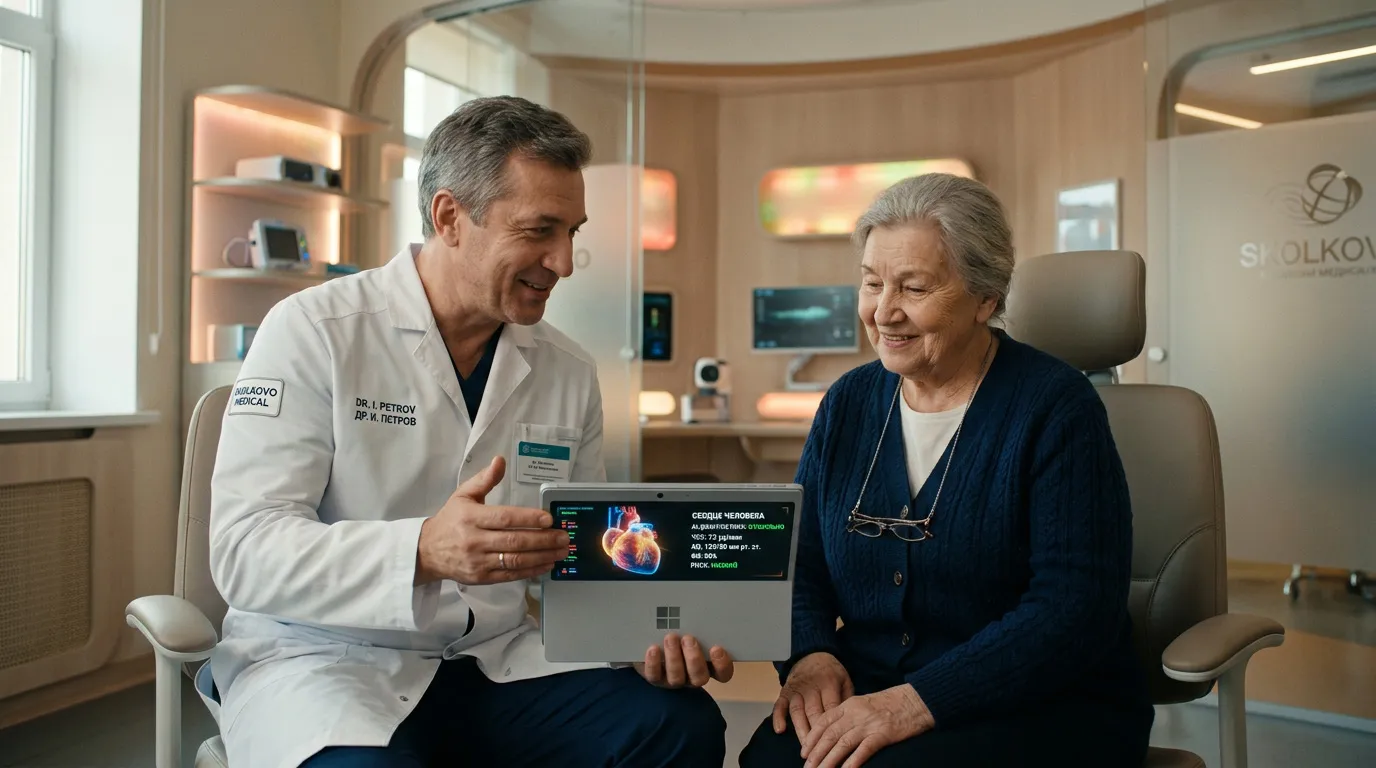
For patients, the benefit is immediate. It means more accurate diagnoses at the first visit. The 175,000 confirmed cases represent real-world scenarios in which the AI assistant acted as a reliable checkpoint. The outcome is saved time, reduced costs, and improved health outcomes.
Global Implications
Globally, healthcare software has often been polarized between high-cost expert systems for private clinics in countries like the United States and Germany, and low-cost, fragmented solutions in developing markets that struggle with reliability and integration. AIDA represents a different model. It is designed for large-scale, publicly funded healthcare systems operating under high patient loads, similar to those in Asia, Africa, Latin America, and former Soviet states.
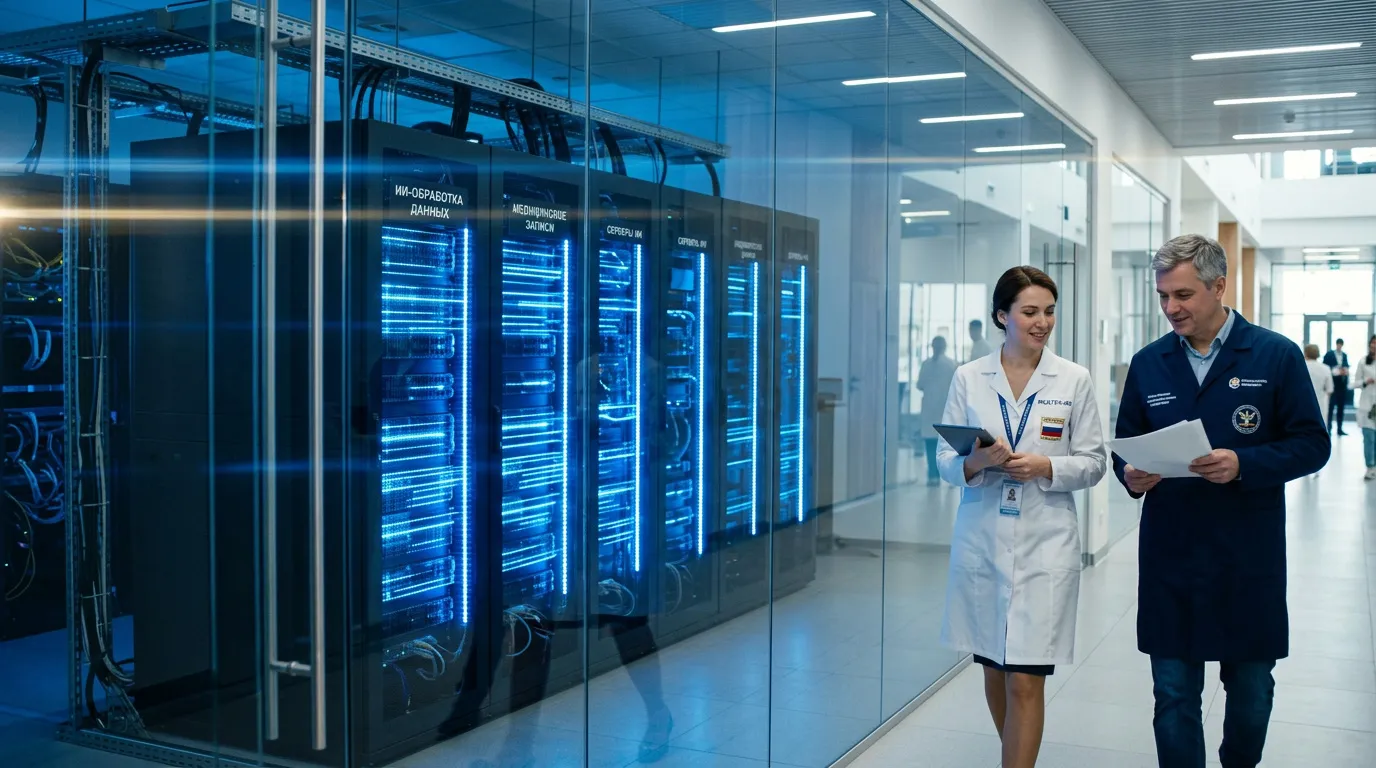
Russia has built a comprehensive digital healthcare infrastructure, including electronic health records, centralized laboratory services, and unified call centers. The addition of AI creates a new intelligent layer on top of this foundation. For international markets, this represents a deployable, field-tested solution that can be adapted to local clinical protocols and languages at a significantly lower cost than building a system from scratch.
Prospects for further development within the country are also clear. The next step is to expand the range of supported diagnoses beyond socially significant diseases to include pediatric conditions, rare diseases, and psychiatric screening.