A Bet on Technology: AI to Join the Search for a Missing Family
In the spring of 2026, the volunteer search-and-rescue group LizaAlert will resume active efforts to find the Usoltsev family, who went missing in Russia’s Krasnoyarsk Territory in the fall of 2025. This time, the operation will gain a powerful technological ally – artificial intelligence.
Covering Vast Data Landscapes
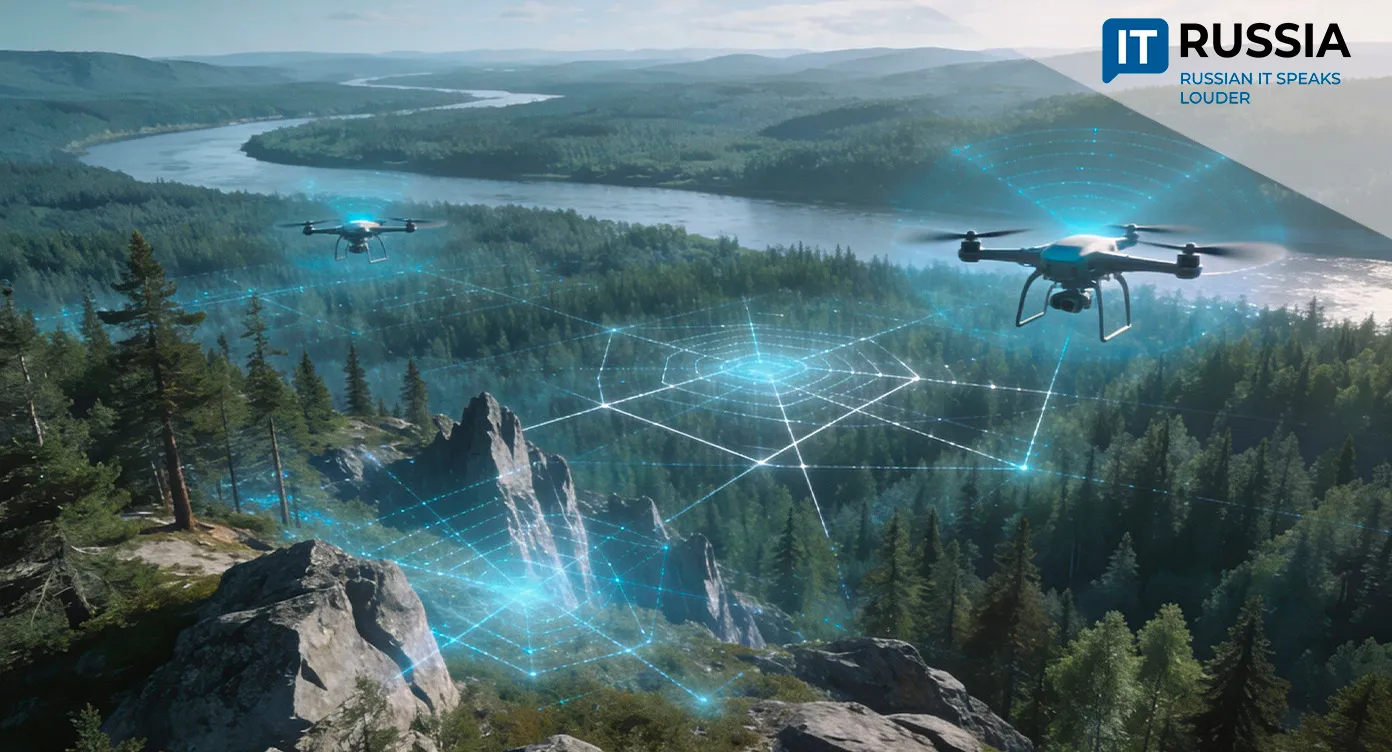
The disappearance of the Usoltsev family has become one of the most high-profile and tragic missing-person cases in modern Russia. Months of searches involving thousands of volunteers have so far failed to produce results. At present, investigators consider an accident the most likely scenario. In this context, bringing AI into the operation represents both a major source of hope and a qualitative shift in methodology. Neural networks will be used to analyze photo and video materials, including footage captured by drones, with the goal of recognizing people in challenging natural environments.
The technology can process enormous volumes of visual data far faster than the human eye, scanning for anomalies in dense forest, rocky scree, or across bodies of water. Where people are limited by fatigue and the sheer scale of the task, algorithms operate continuously and without bias.
Making Search Operations More Effective
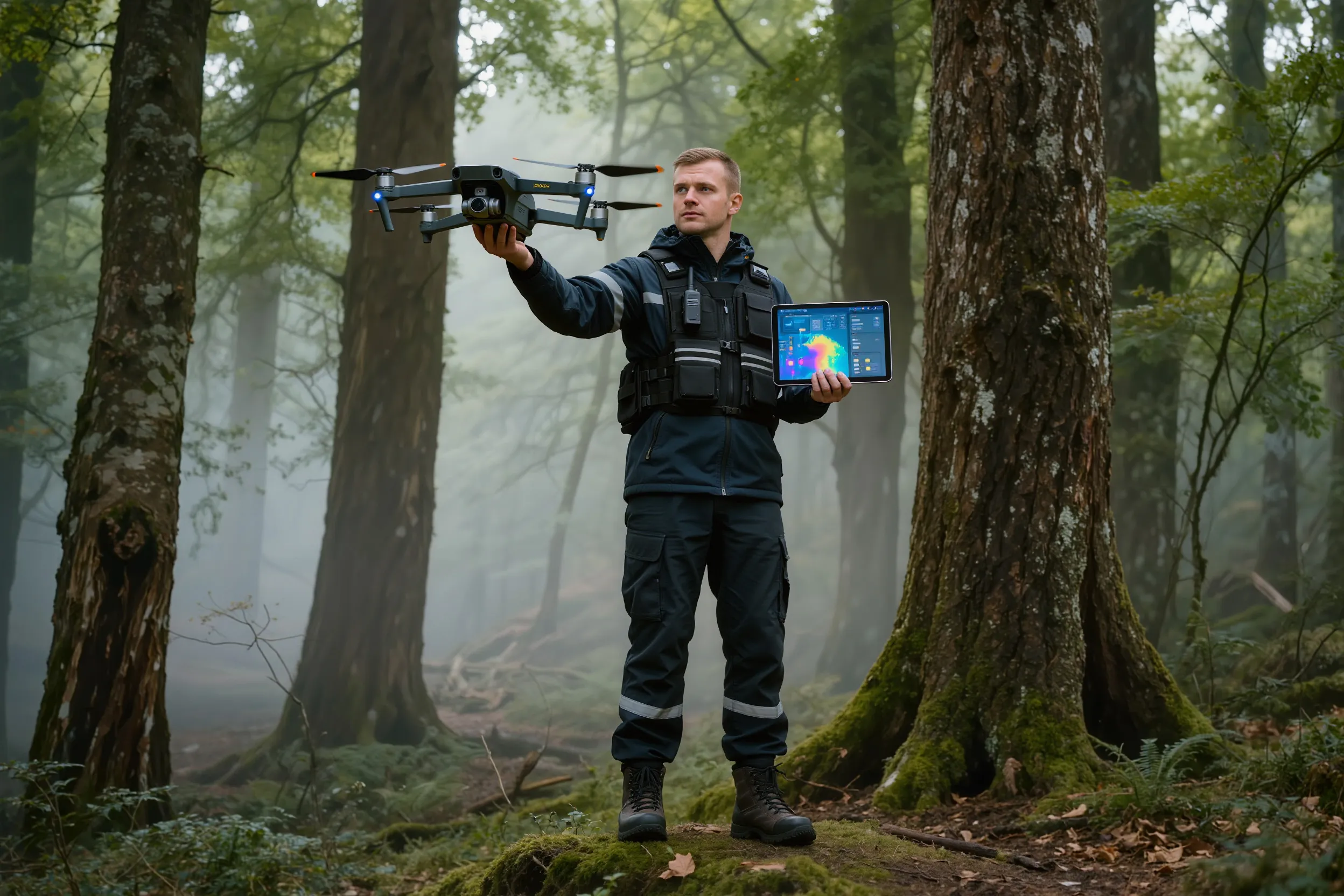
Experience with AI-assisted search operations is already accumulating in Russia and abroad. In Karelia, police became the first in the country to use neural networks together with drones to locate missing persons, and that experience is now being scaled. The first rescues have already been recorded. Meanwhile, the Novosibirsk Region has deployed an AI service dedicated to finding missing children. In the Moscow Region, the Autonomous Search competition showcased UAV systems equipped with AI that can operate even without radio communication or satellite signals. At the same time, Sber is running a project that analyzes landscape photographs to support volunteer search teams.

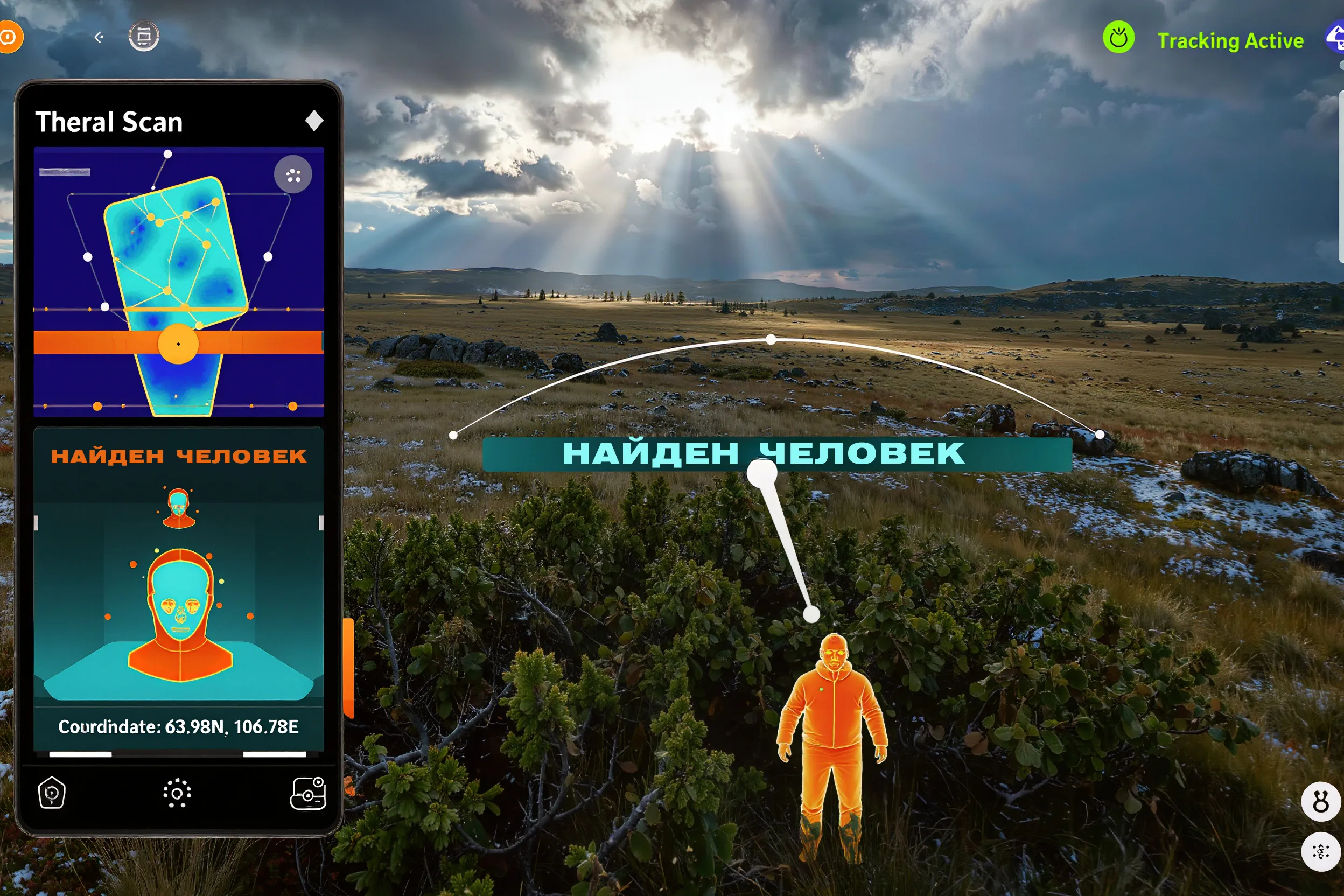
Internationally, systems such as SEA.AI use computer vision and thermal imaging to detect people at sea. One widely cited example involved the Alps, where AI analyzing drone footage quickly identified a missing climber by a brightly colored piece of gear.
A New Stage for Russia’s Search-and-Rescue Movement
The upcoming operation to locate the Usoltsev spouses and their child will serve as an important real-world test. If the technology proves effective in the extreme conditions of Siberia, it could pave the way for broader adoption. Interest from agencies such as EMERCOM of Russia, the Interior Ministry, and regional rescue services would be likely to increase. In practical terms, this could lay the groundwork for a domestic, industry-grade solution designed to operate in taiga forests, mountains, or tundra.
Success, or even measurable progress achieved with the help of AI, could significantly strengthen public trust in these technologies by demonstrating their role as concrete tools for saving lives. At the same time, the case once again raises urgent questions about safety in wilderness tourism and the need for systematic modernization of the country’s entire search-and-rescue infrastructure.

In the spring, not only volunteers with backpacks and GPS devices will head onto the taiga trails of the Krasnoyarsk Territory. Drones equipped with cameras will also take to the air, streaming data to servers where neural networks will analyze it. AI will complement the experience of coordinators, canine teams, and ground search groups. Its role is to act as a powerful filter and analyst, narrowing search areas and generating hypotheses for humans to verify.