A Neural Network Earned a Degree at the Kuban State Agrarian University
A Russian-developed AI system, GigaChat, has successfully passed a full bachelor-level examination in Agrobiotechnology and Sustainable Agriculture, becoming one of the first generative models in the world to receive a formal academic assessment

Smart Assistant
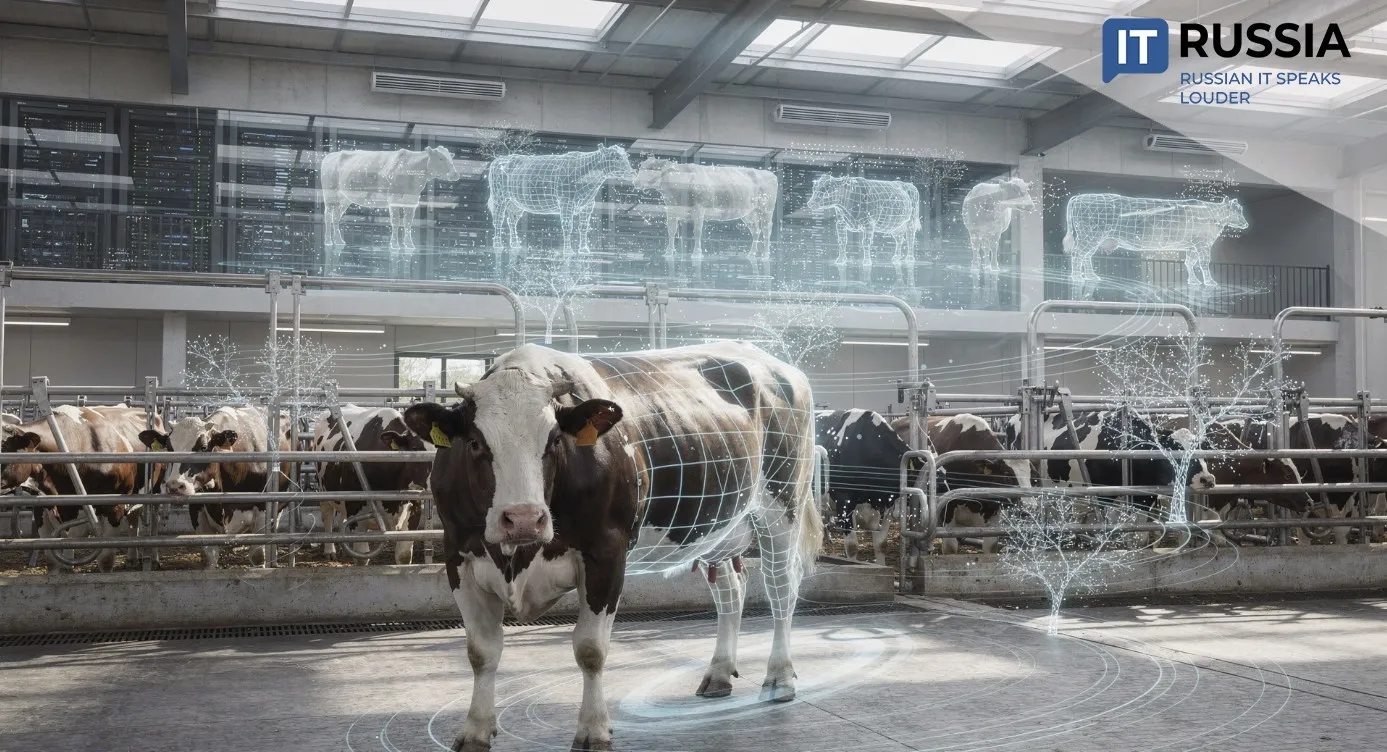
High‑quality AI training is essential for preparing intelligent systems for real‑world deployment. As neural networks become increasingly common in agriculture — from animal health monitoring to crop diagnostics — they must be trained on extensive, domain‑specific datasets and then adapted to real production environments.
Developers of GigaChat took an unconventional approach: they enrolled the model in a full higher‑education program at Kuban State Agrarian University (KubSAU). More than 90 experts participated in creating training materials.
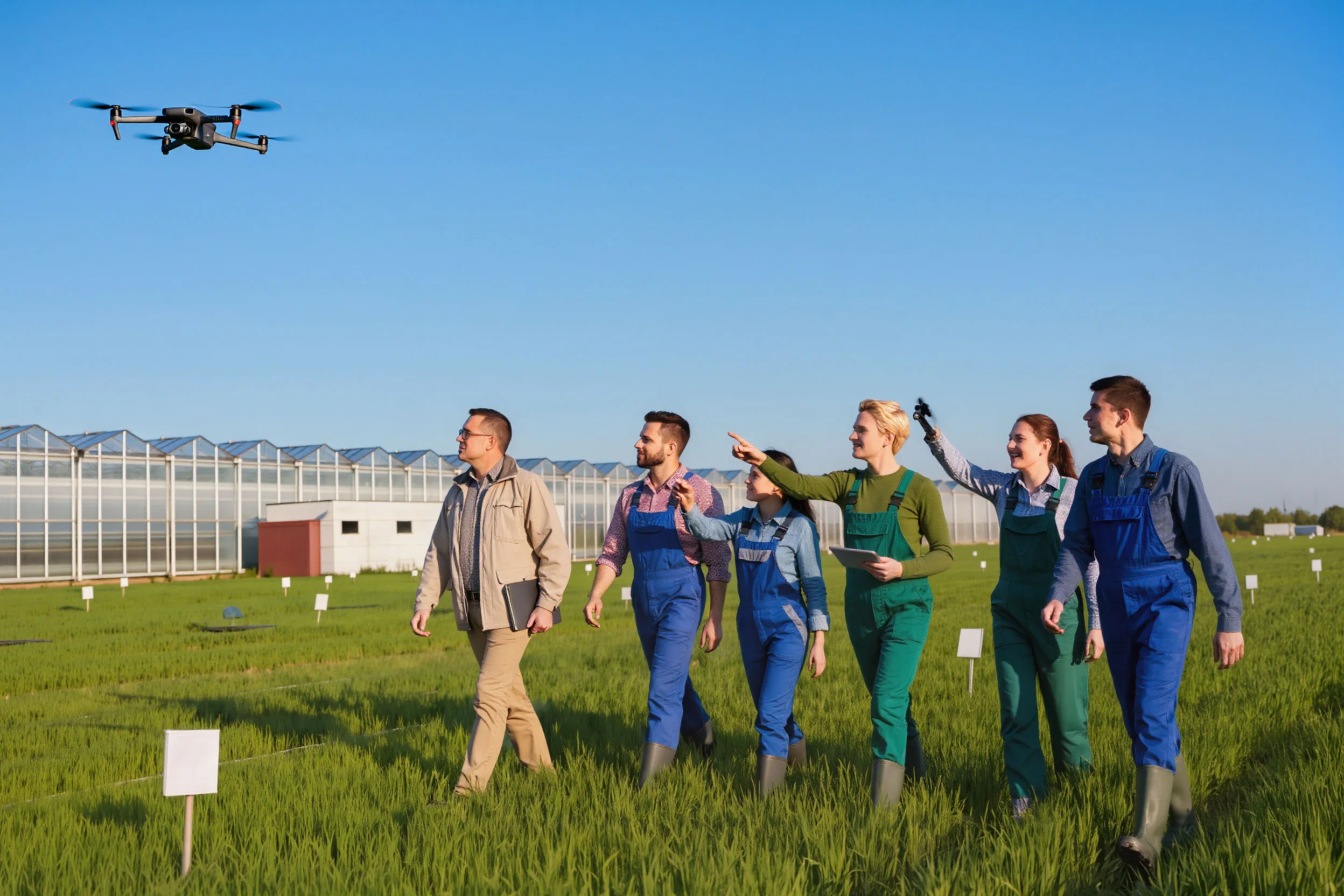
Over the course of study, the model mastered eight core areas of the agro‑industrial sector: agronomy, agrochemistry and plant protection, aquaculture, veterinary science, animal husbandry, forestry, food production, and horticulture.
A comprehensive final exam followed, covering the discipline ‘Agrobiotechnology and Sustainable Agriculture’. The examination board included prominent agricultural scientists, among them Vyacheslav Lukomets — Director of the National Grain Center and Academician of the Russian Academy of Sciences. The committee was chaired by KubSAU Rector Alexander Trubilin, also an Academician of the Russian Academy of Sciences.


AI as a Qualified Specialist
The exam procedure fully matched the standards used for human bachelor students. It consisted of two parts: a 15‑question multiple‑choice test and 10 open practical questions requiring detailed written responses. GigaChat performed confidently on both sections, demonstrating strong theoretical and applied knowledge. The model received the overall grade of ‘good’.
As a result, Russian agricultural specialists now have access to a qualified digital assistant — a generative AI model capable of solving complex tasks across the agri‑food sector and supporting experts with reliable domain knowledge.

New Tools for the Agrifood Sector
In the future, this approach to AI education will support the development of advanced tools for farmers and agricultural enterprises. AI‑driven systems will help agronomists, veterinarians, plant protection experts, livestock managers, foresters, and food‑processing specialists perform critical tasks faster, more accurately, and with fewer errors. This is especially valuable amid workforce shortages.
At the same time, artificial intelligence is not expected to replace human specialists. Instead, it will take on repetitive tasks, reduce operational mistakes, and provide data‑driven recommendations — while strategic decision‑making will remain firmly in human hands.

For the national economy, digitalization and automation of the agro‑industrial complex reduce dependence on foreign technologies and increase the competitiveness of Russia’s food production — both domestically and internationally.
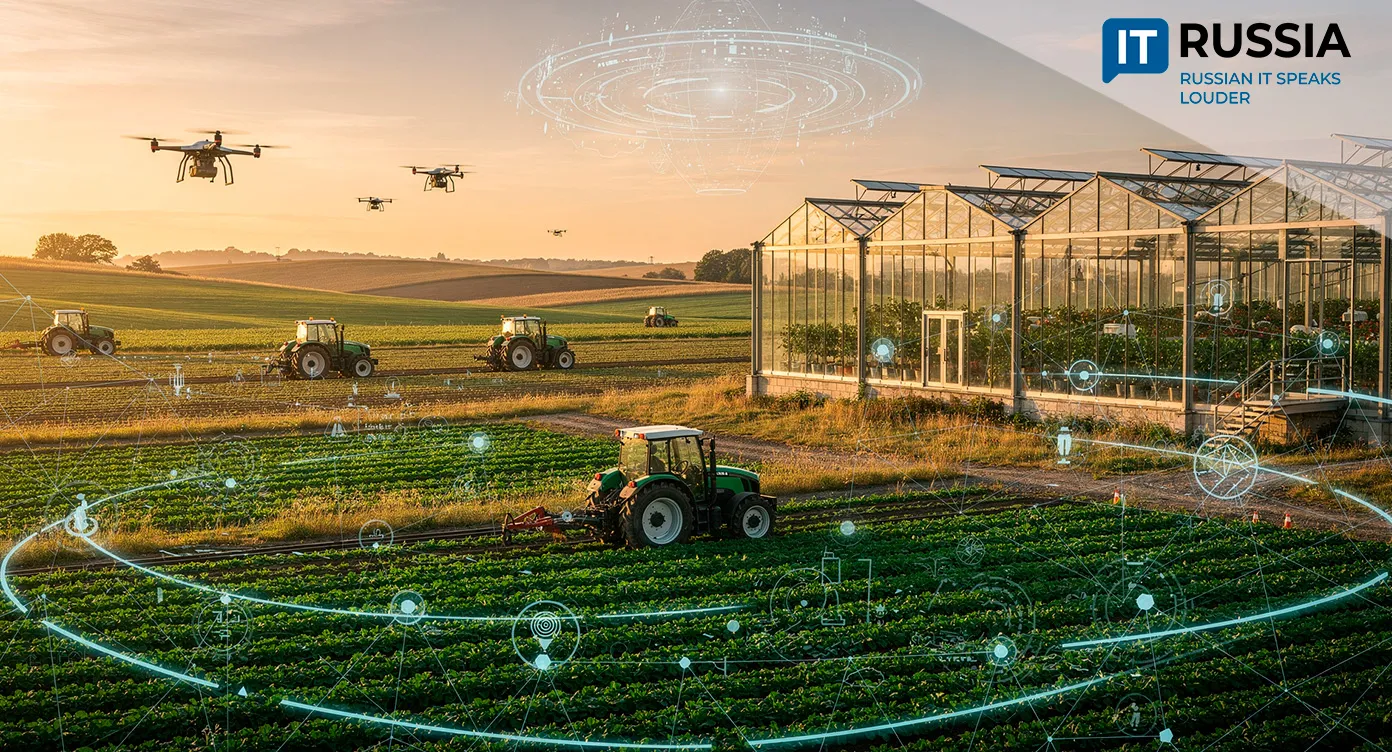
Russian universities are already shaping an emerging ecosystem of agricultural AI. Scientists at Pacific State University have developed a model capable of forecasting crop yields, while Buryat State Agricultural Academy trains neural networks to detect plant pests and diseases. These initiatives form the foundation for ‘smart farms’, precision agriculture, bio‑technology platforms, and integrated IoT‑AI solutions.
This creates export potential: countries across the CIS and the Global South seeking technological sovereignty in food production are likely to adopt ready‑to‑deploy Russian AI platforms.