A New Era of Arctic Forecasting: How a Neural Network Predicts Storms
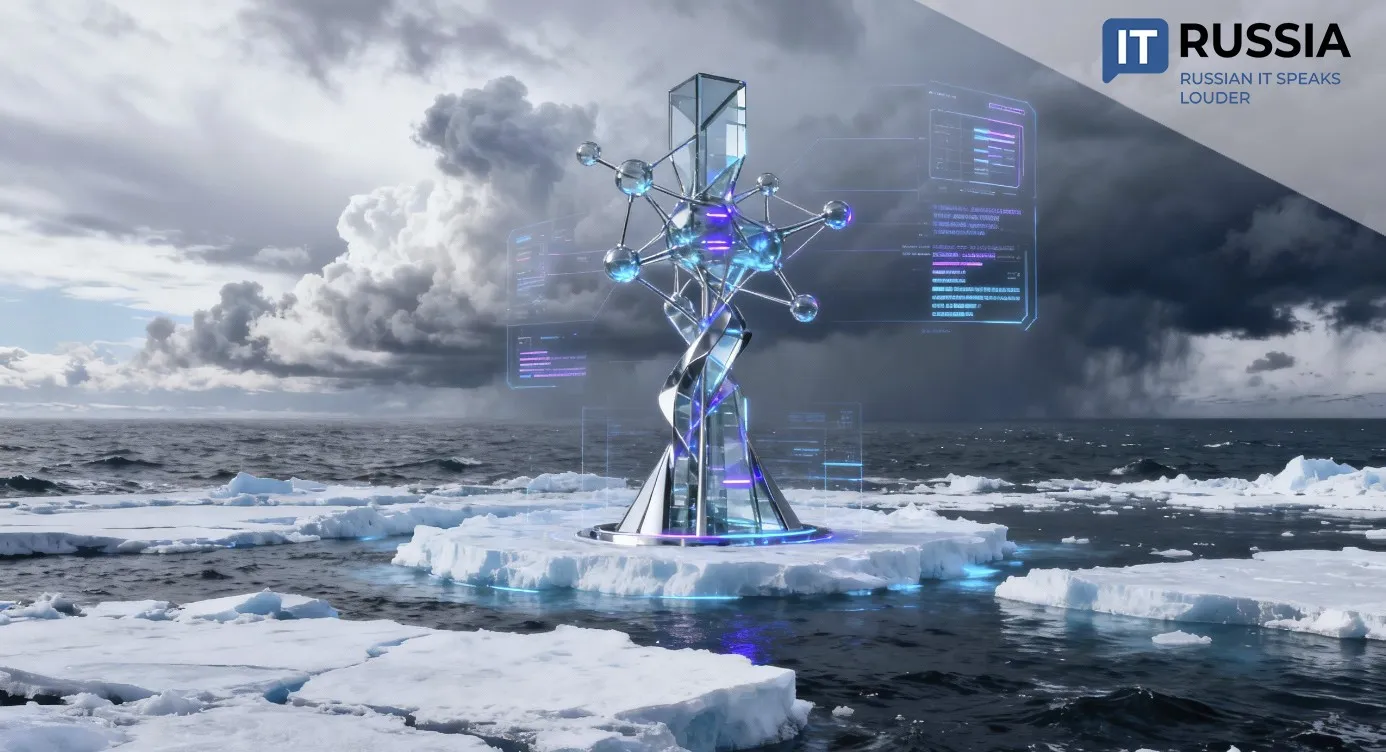
Russian researchers have developed a neural network capable of predicting extreme winds, storms, and vortex structures across the Barents and Kara Seas, offering unprecedented speed and precision
Speed in the Service of Safety
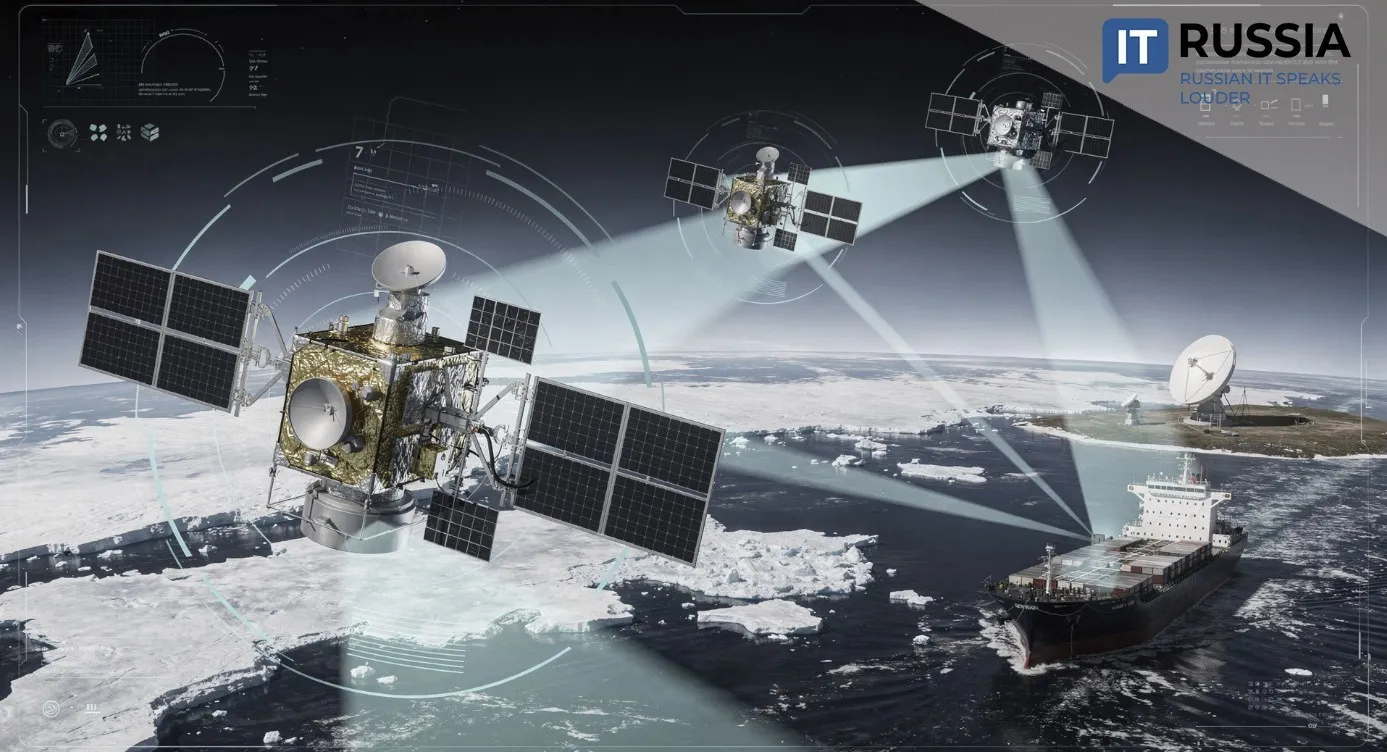
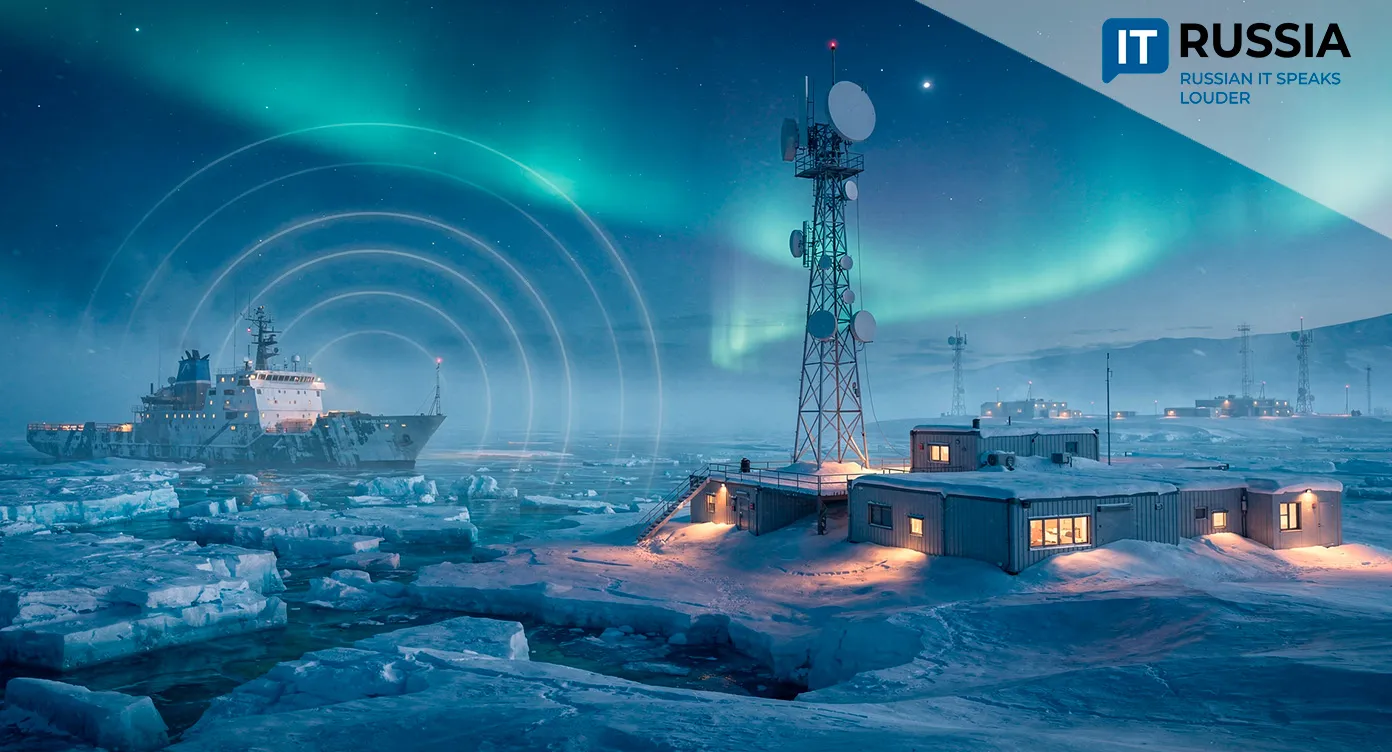
As Russia accelerates the development of the Arctic, operational safety is becoming increasingly critical. Shipping, resource extraction, and logistics all depend on precise meteorological information. Researchers from the Moscow Institute of Physics and Technology (MIPT) and the Shirshov Institute of Oceanology have created a neural network that predicts extreme Arctic weather events with high accuracy.
The key advantage of the system is its speed: it produces high‑resolution forecasts roughly 50 times faster than conventional physical and hydrodynamic models, which require massive computational power.
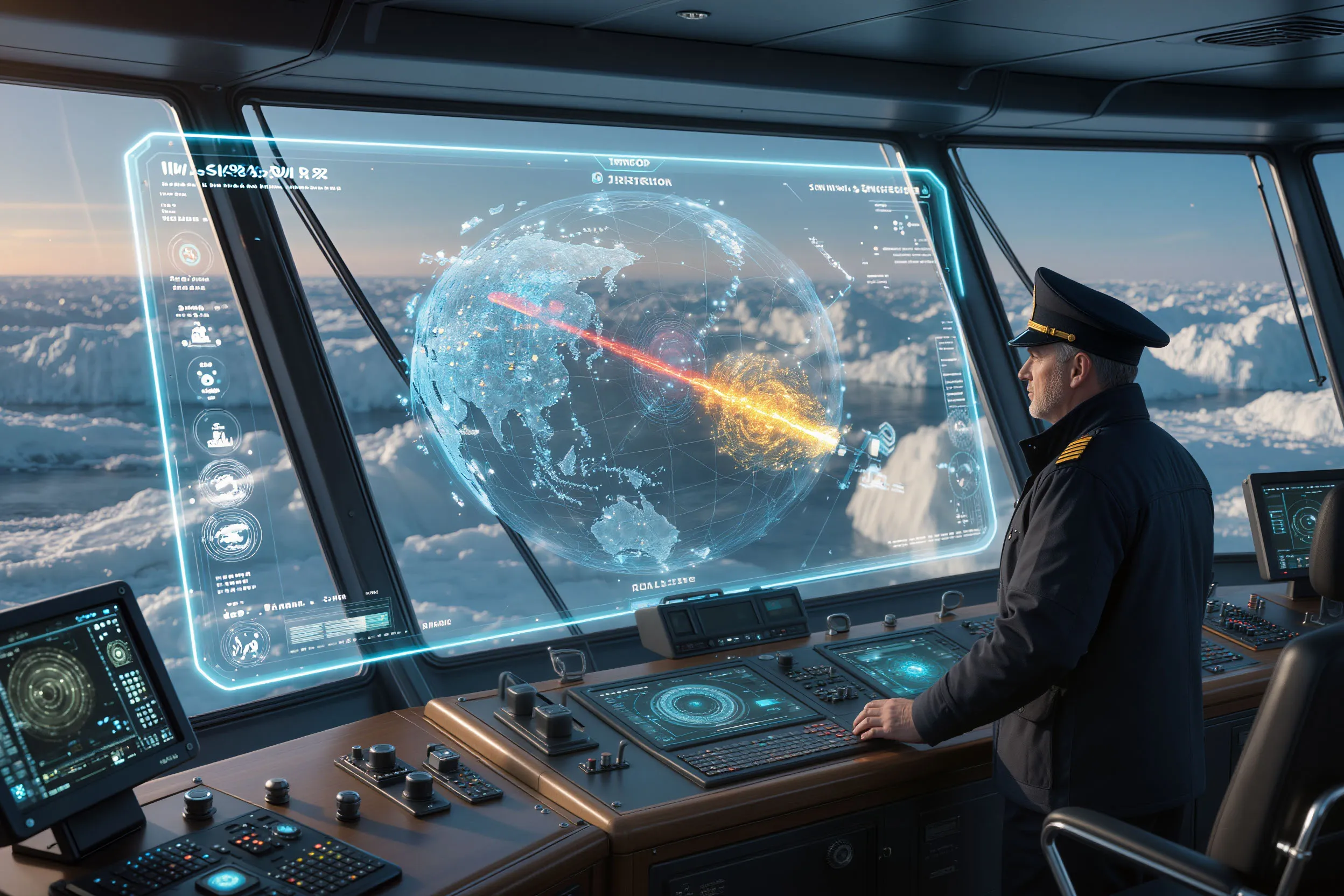
Tests covering 2022–2023 showed that the model not only captured general weather patterns but also reproduced complex phenomena — including the well‑known Novaya Zemlya bora, a powerful cold downslope wind that poses serious risks to vessels.
From Science to Practice
The solution is ready for real‑world deployment. For ports, offshore oil and gas platforms, icebreakers, and fishing fleets, accurate short‑term forecasts can be a matter of survival, enabling rapid changes to routes, work schedules, and safety procedures.

The reduced computational load also means lower operational costs: instead of supercomputers, forecasts can be generated on modest server hardware.
Russia’s Place in the Global Landscape
The project aligns with global research trends: AI is increasingly used for marine and atmospheric forecasting worldwide. In 2023, Skoltech introduced an AI‑powered sea‑ice prediction system, while international teams are actively exploring deep‑learning models for waves, currents, and ice concentration.
What sets the MIPT–IO RAS system apart is its focus on extreme events and the speed of its predictions — essential qualities for the harsh and rapidly changing Arctic environment.
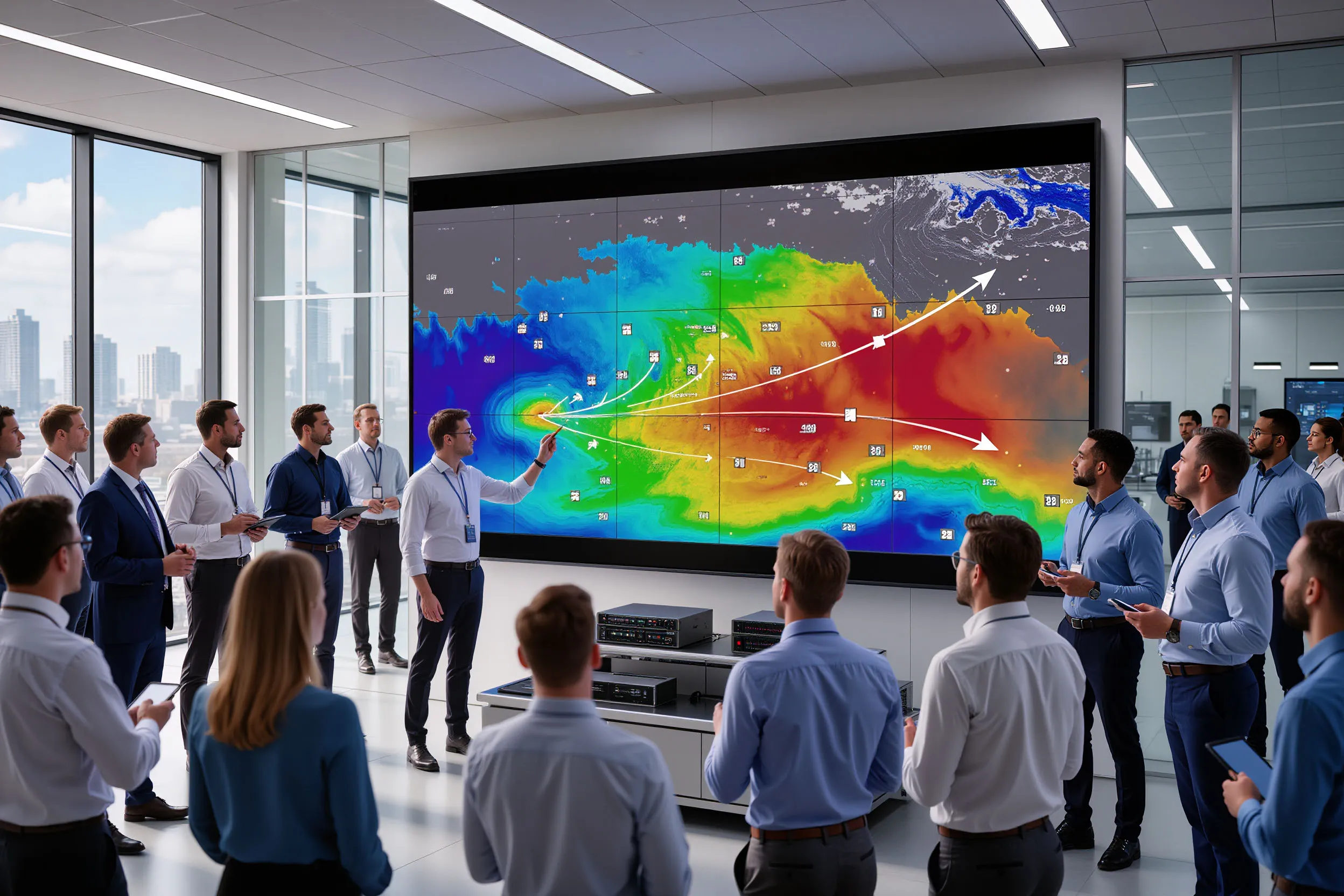
Perspectives: From the Arctic to the World
The platform may eventually evolve into a unified Arctic monitoring system integrated into national maritime and energy‑sector operations. This would improve both safety and economic efficiency across Arctic projects.
Once industrial reliability is achieved, the technology could gain export demand — particularly in other Arctic regions such as Canada, Norway, and Alaska.
Future development plans include adding wave forecasts, ice‑cover modeling, and even long‑term climate‑change projections.
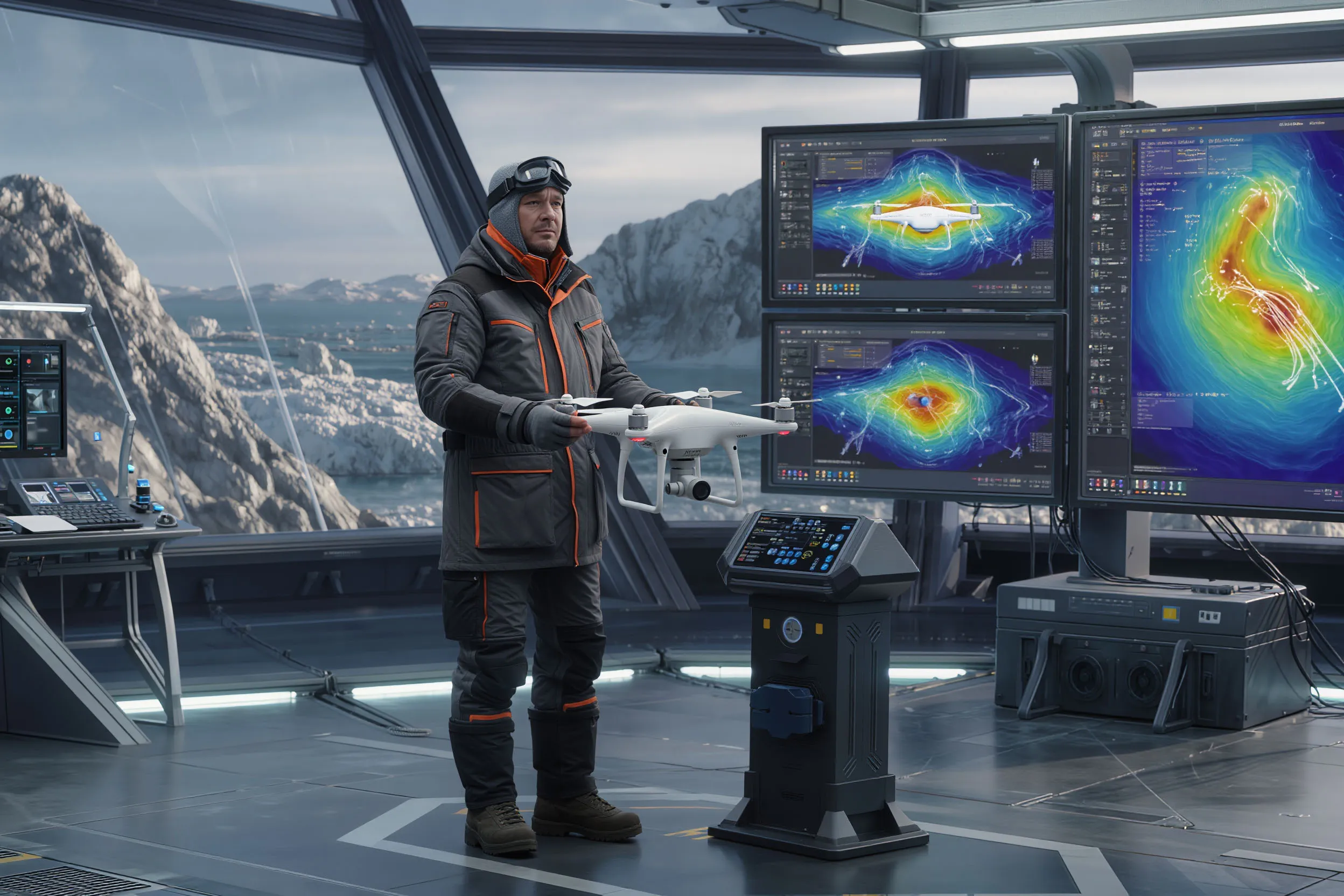
Technological Sovereignty in Action
The project illustrates how advanced AI solutions can address pressing real‑world challenges. As the Arctic becomes a focal point of global economic and political interest, such technologies strengthen Russia’s technological sovereignty and competitiveness. Here, AI is not an abstract concept but a practical tool for safety, efficiency, and sustainable development.