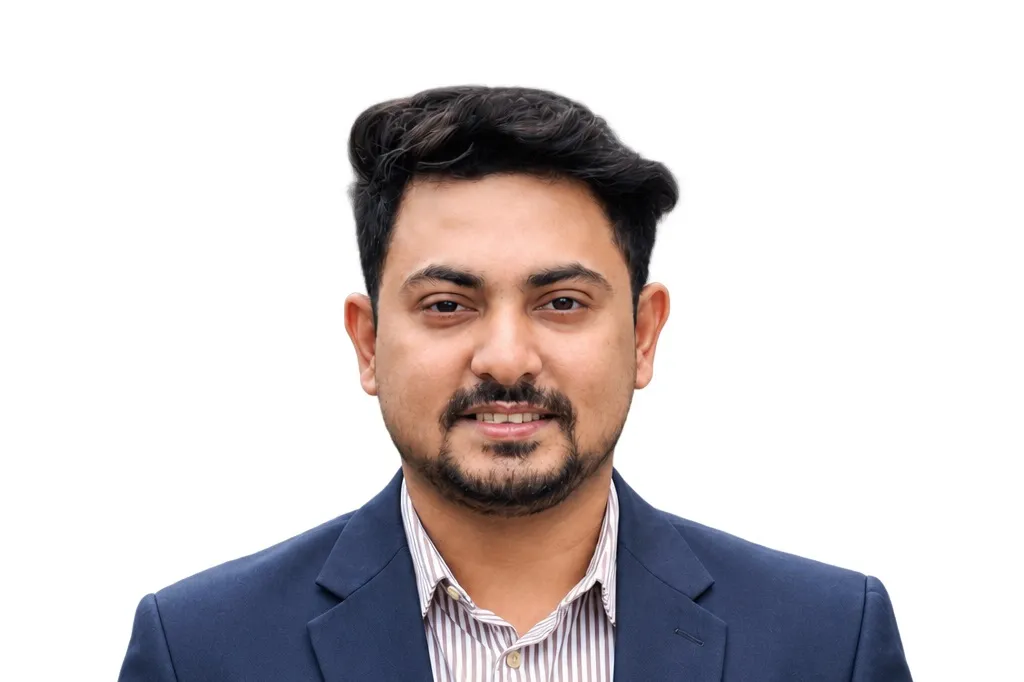
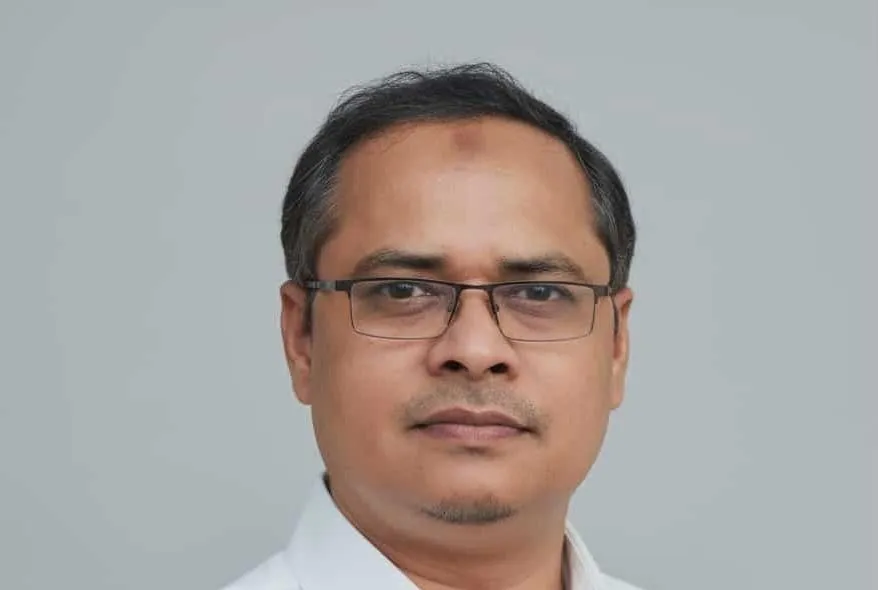
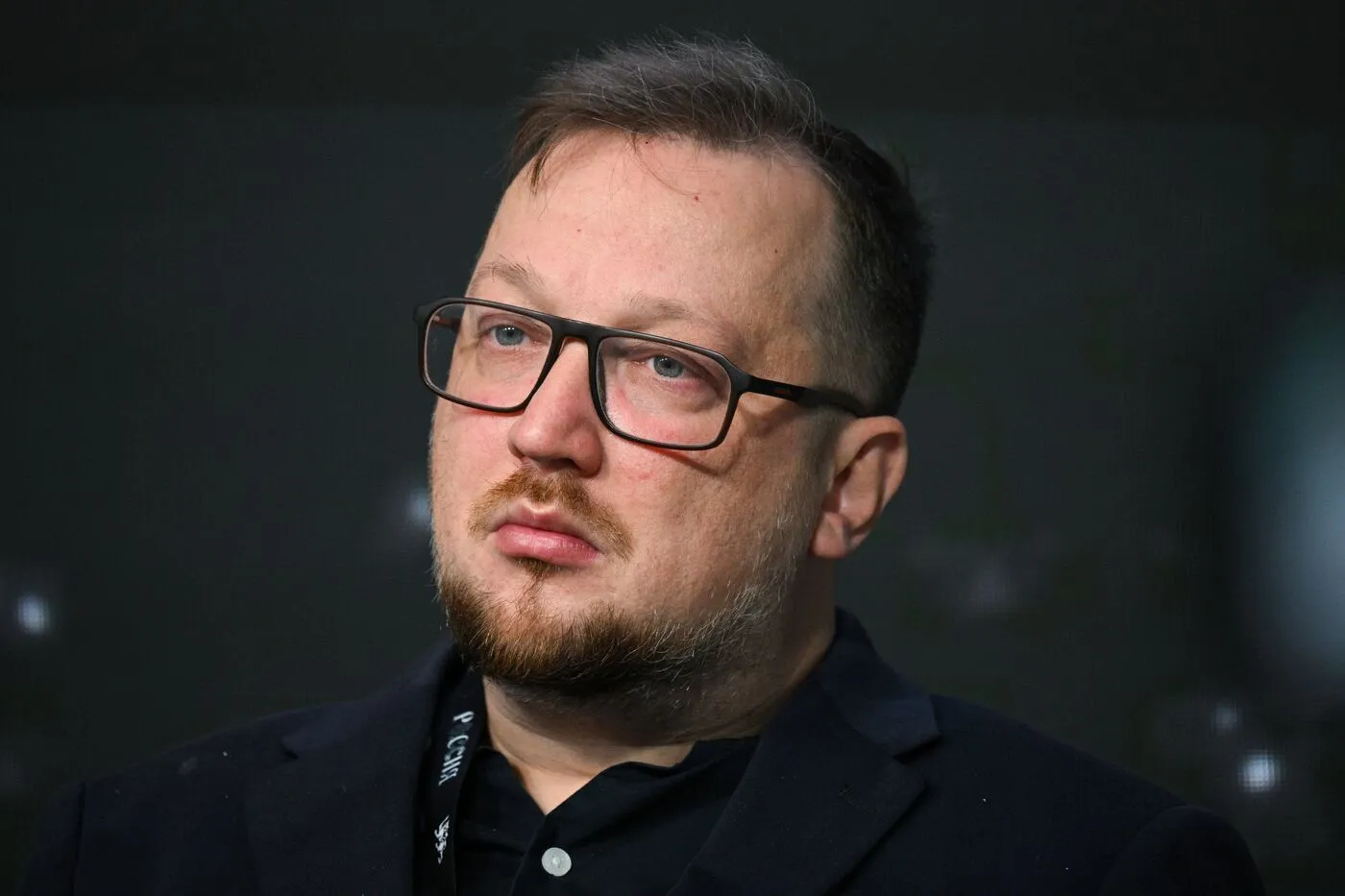
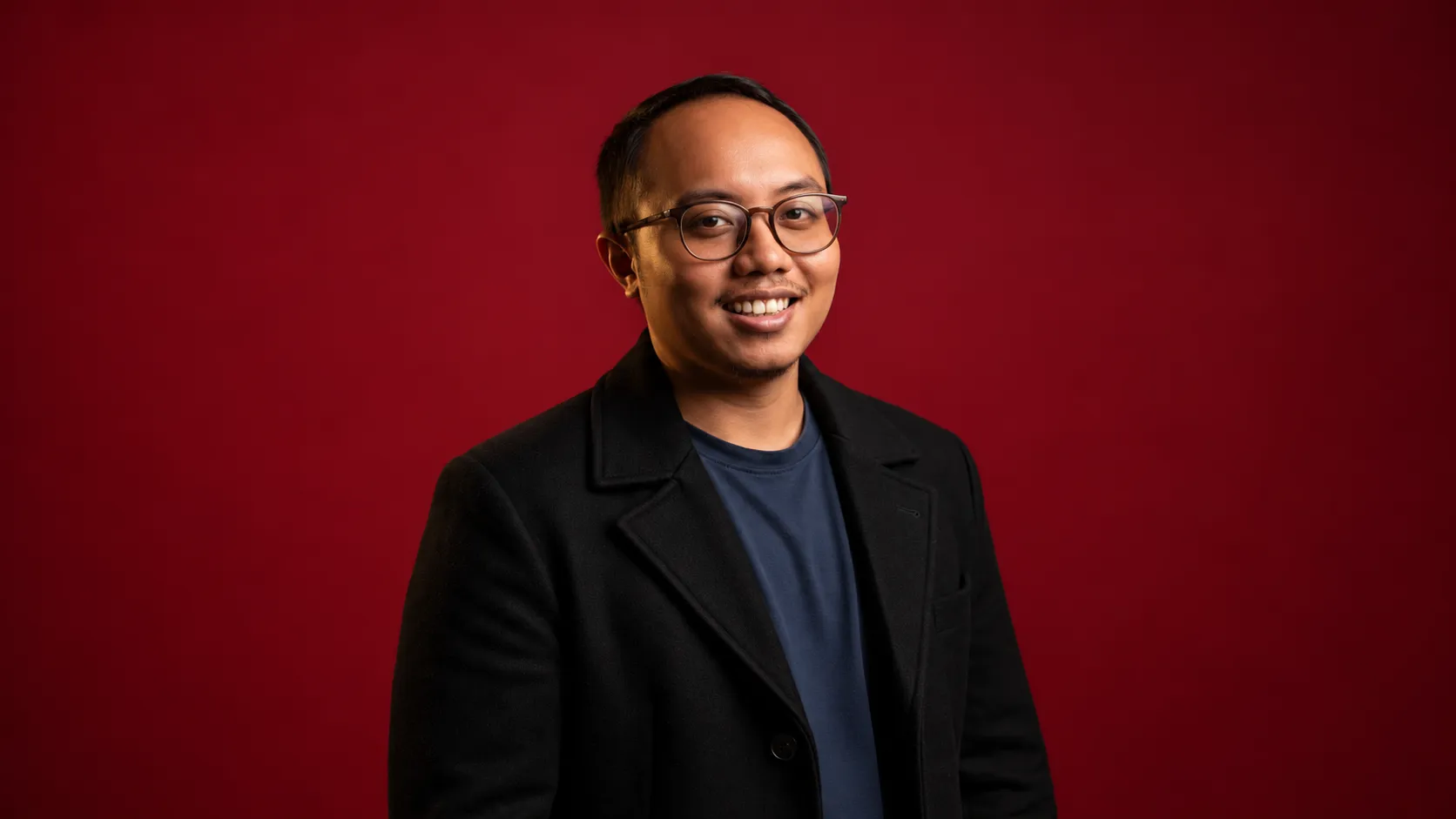
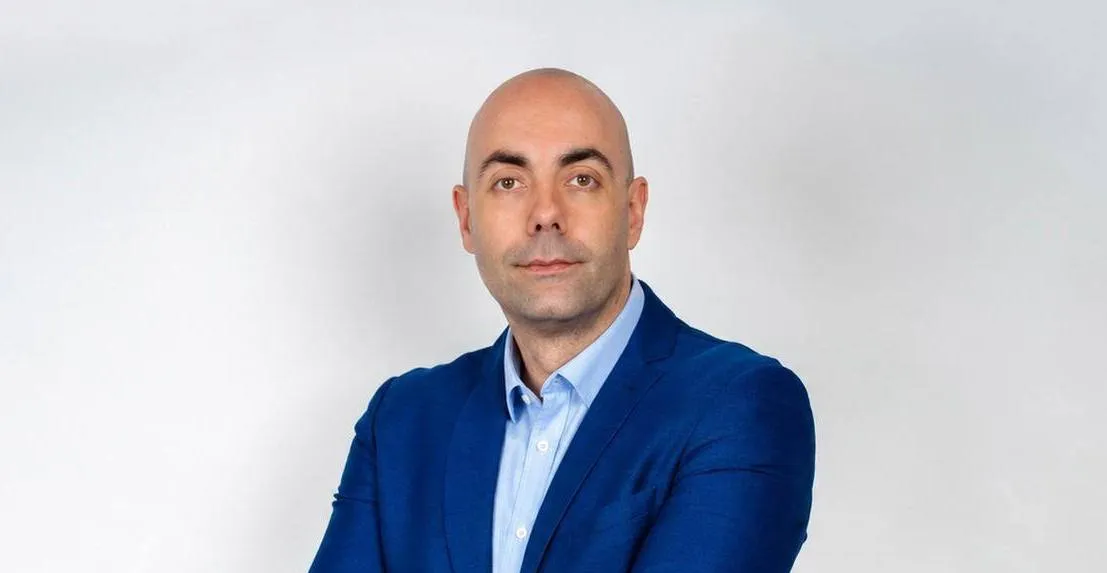
Abdullah Al Araf: Bangladesh’s Youth Are Not Waiting for Solutions to Come From Outside
Bangladeshi innovators are turning university research into tools for farmers and local communities and are looking to develop joint projects with Russia in energy, agricultural technology and education.
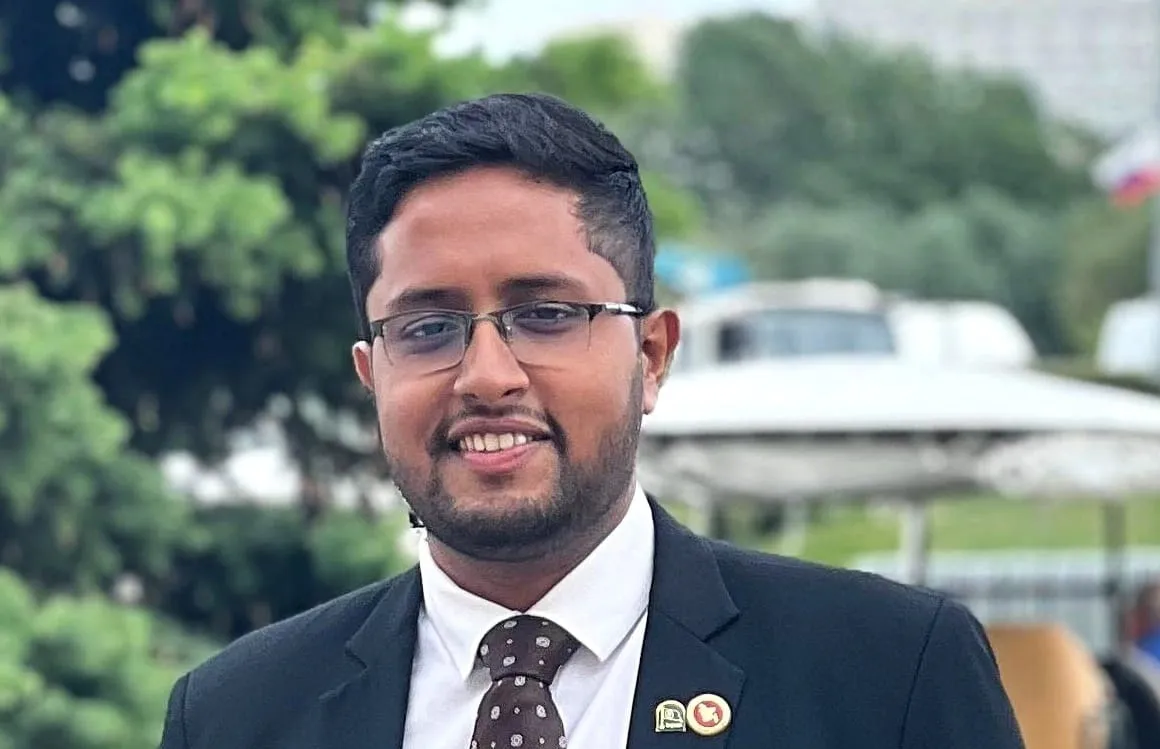
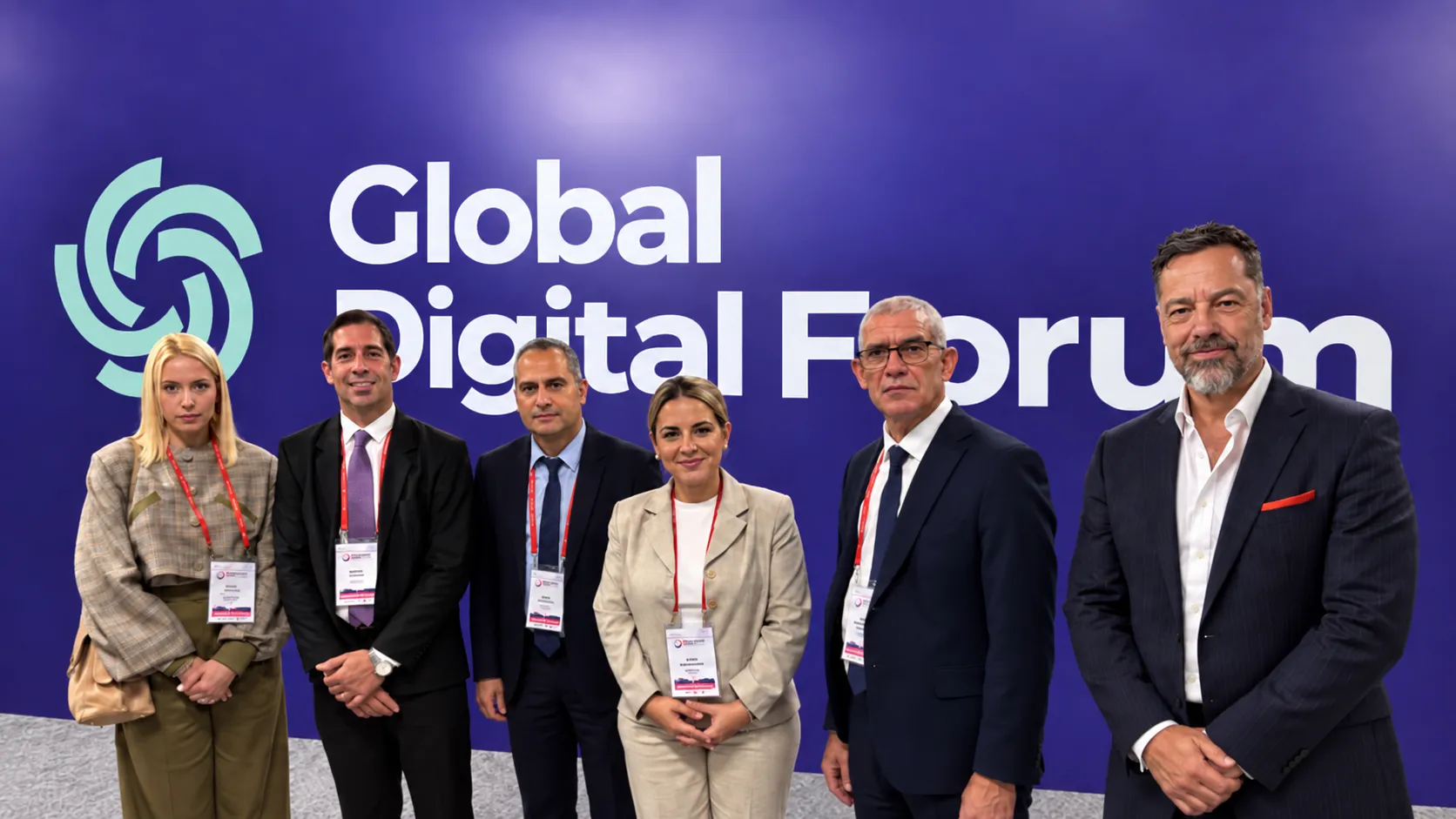
Russia will offer foreign partners new formats for technology cooperation at the 2nd Global Digital Forum. It will take place from Oct. 8 to 10 at the Mechta venue in Moscow’s Gorky Park. Abdullah Al Araf, CEO and co-founder of EcoTech Innovation, Lecturer and R&D Officer at ZNRF University of Management Sciences in Dhaka, told IT Russia what his team is working on and how cooperation with international partners benefits its work. The expert called the forum’s topics important and noted that such meetings help ideas find people who can turn them into reality.
– Bangladesh is one of the most densely populated and climate-vulnerable countries in the world. Its challenges, from unreliable energy access to fragile agricultural supply chains, are also where digital technology can make the biggest difference. As CEO and Co-Founder of EcoTech Innovation, a youth-led renewable energy and agricultural technology startup, I have seen how a new generation of young innovators is starting to treat these challenges as an opportunity to build.
Since we founded EcoTech Innovation in 2024, our work has followed a simple idea: technology should be practical, locally rooted, and measurable. Leading the company as CEO, I have focused on turning university-level research into tools that farmers and communities can actually use.
Clean energy from everyday infrastructure. Our flagship innovation, the BD Highway Turbine, is a smart vertical-axis wind turbine that generates electricity from the airflow created by passing highway traffic. The research behind it was published in IJEATS (Vol. 10, No. 4, 2022), and the work has been recognized by UNICEF and Generation Unlimited. I also presented it at the OIC Youth Scientific Congress in Kazan in 2022.
Smart tools for the field. Our second product, Matir Pran, is an AI-powered soil testing device that measures pH, nutrients (NPK), and moisture and sends crop recommendations to a farmer's mobile phone. It was piloted across three agricultural districts, reached 88% accuracy against laboratory results, and attracted 18 early adopters. Through the Matir Pran project we are now working directly with farmers in the Dacope region of Khulna, providing technology, running training sessions, and supporting around 200 people on an ongoing basis. We work closely with institutions such as the Bangladesh Agriculture Research Institute (BARI) and the Department of Agricultural Extension.
Digital platforms and policy. Beyond hardware, we are building digital platforms for agriculture. One example is AgriPulse, which we are developing to make farm supply chains more transparent and efficient. My research on blockchain-based food traceability as a digital policy instrument, which looks at internet governance, public trust, and food systems, was published in the RIGF 2026 proceedings.
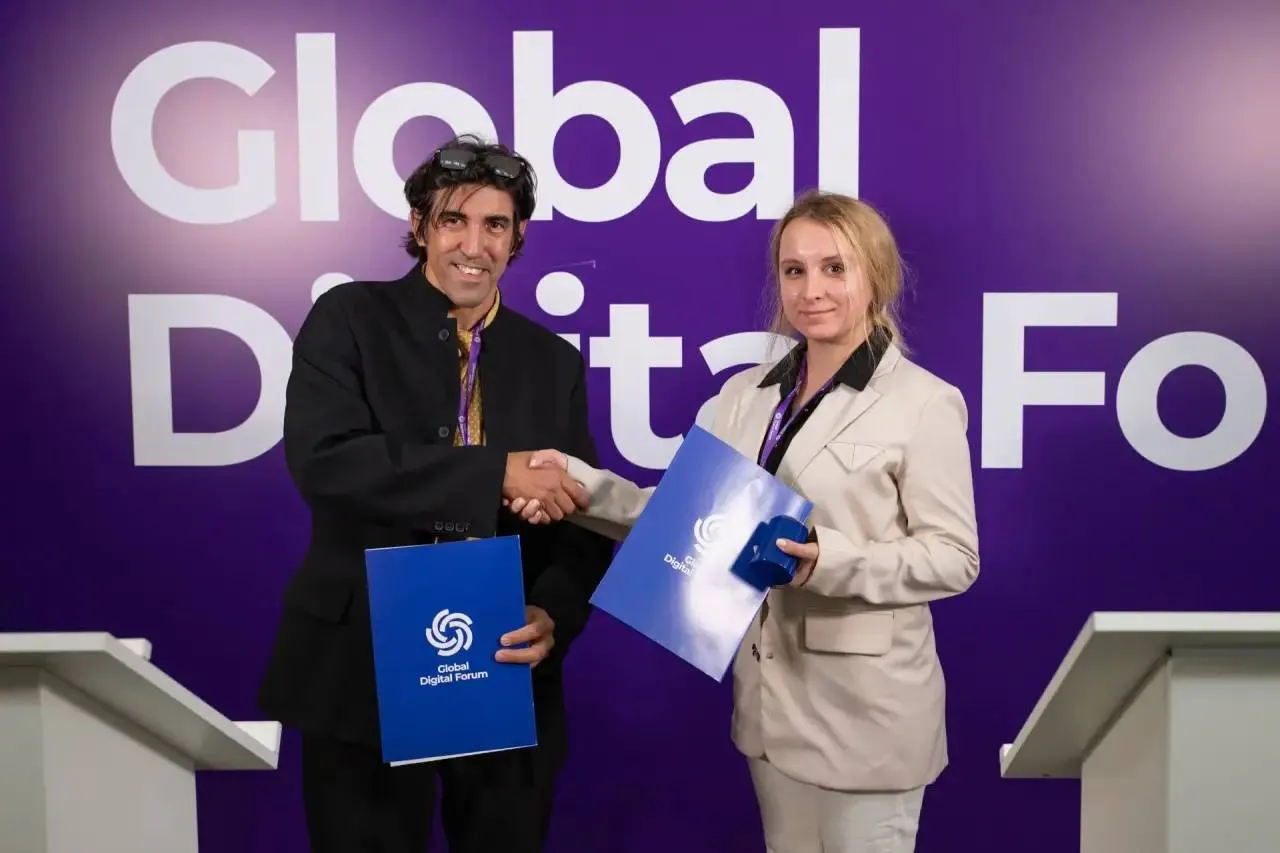
Why international cooperation matters. Young people in Bangladesh are not waiting for solutions to arrive from elsewhere, but they gain a great deal from partnership. At the Global Digital Forum in Nizhny Novgorod in 2025, our team signed a Memorandum of Cooperation with the Alliance for the Protection of Children in the Digital Space. This year, through ZUMS, I have also taken part in academic programs in Russia, including nuclear energy training at MEPhI/Rosatom Technical Academy and a program at ETU "LETI."
As the 2nd Global Digital Forum opens in Moscow, I see real room for joint work between Bangladeshi and Russian partners in renewable energy, agri-tech, digital education, and youth entrepreneurship. Forums like this one matter because they connect ideas to people who can help carry them forward.