AGROECO to Accelerate Meat Processing With AI
An AI-driven video analytics system and software platform are being deployed to reduce employee workload, eliminate accounting errors and curb losses linked to raw-material handling in meat processing operations.
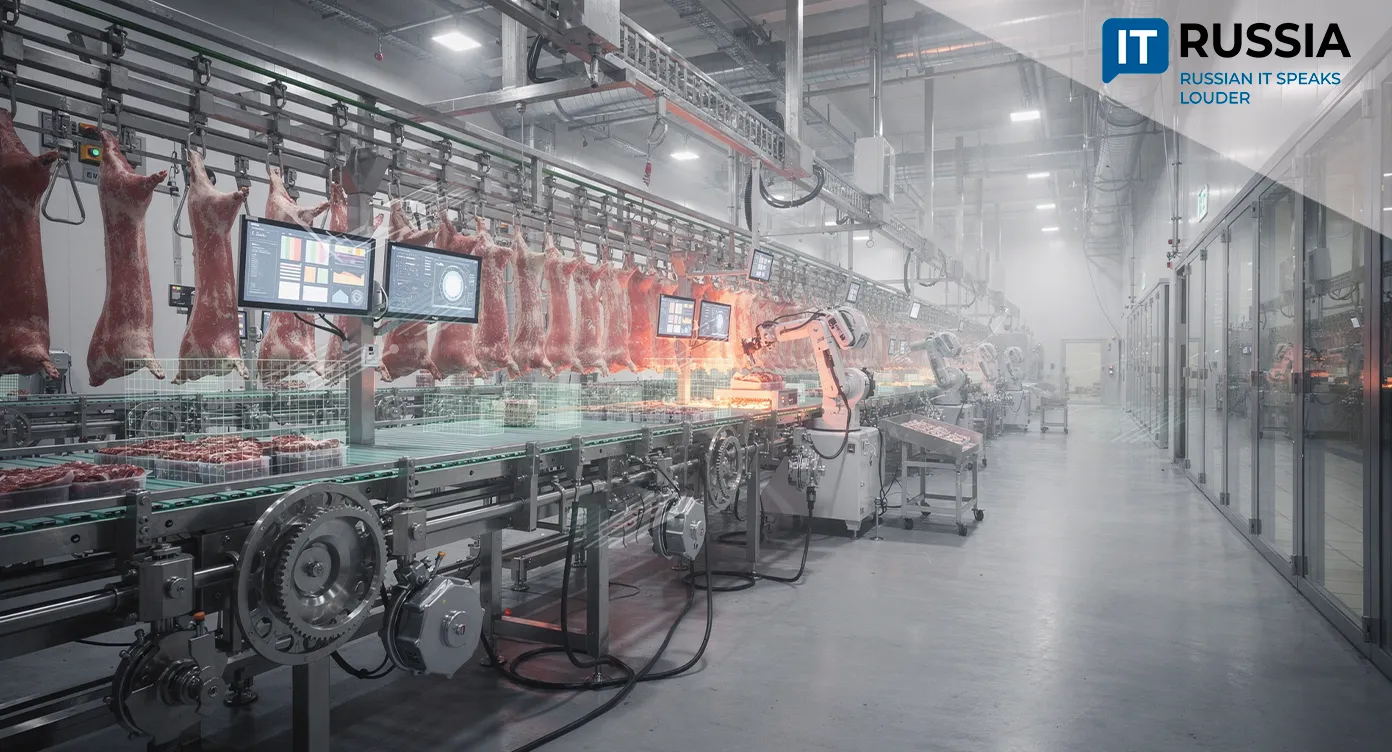
Work at meat-processing facilities places heavy demands on employees, increasing the risk of mistakes and declines in product quality. That can create both reputational damage and financial losses. To address the issue, Russian producers have begun deploying AI infrastructure across meat-processing operations.
Video Analytics and AI-Based Accounting
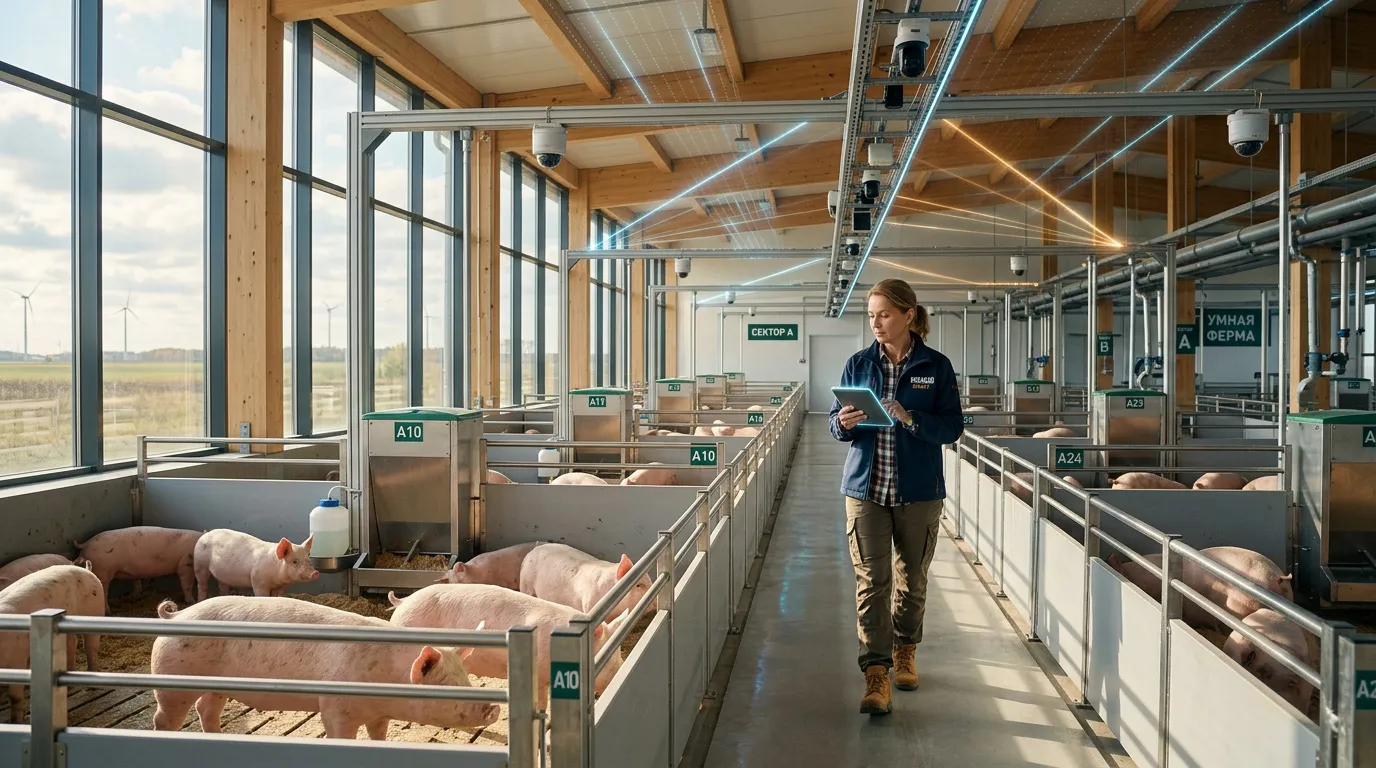
AGROECO Group has officially launched a smart video analytics system at its meat-processing plant in the Pavlovsky district of Russia’s Voronezh Region. Development of the system took five months. The platform combines cameras, computer-vision technologies and software built around AI algorithms.
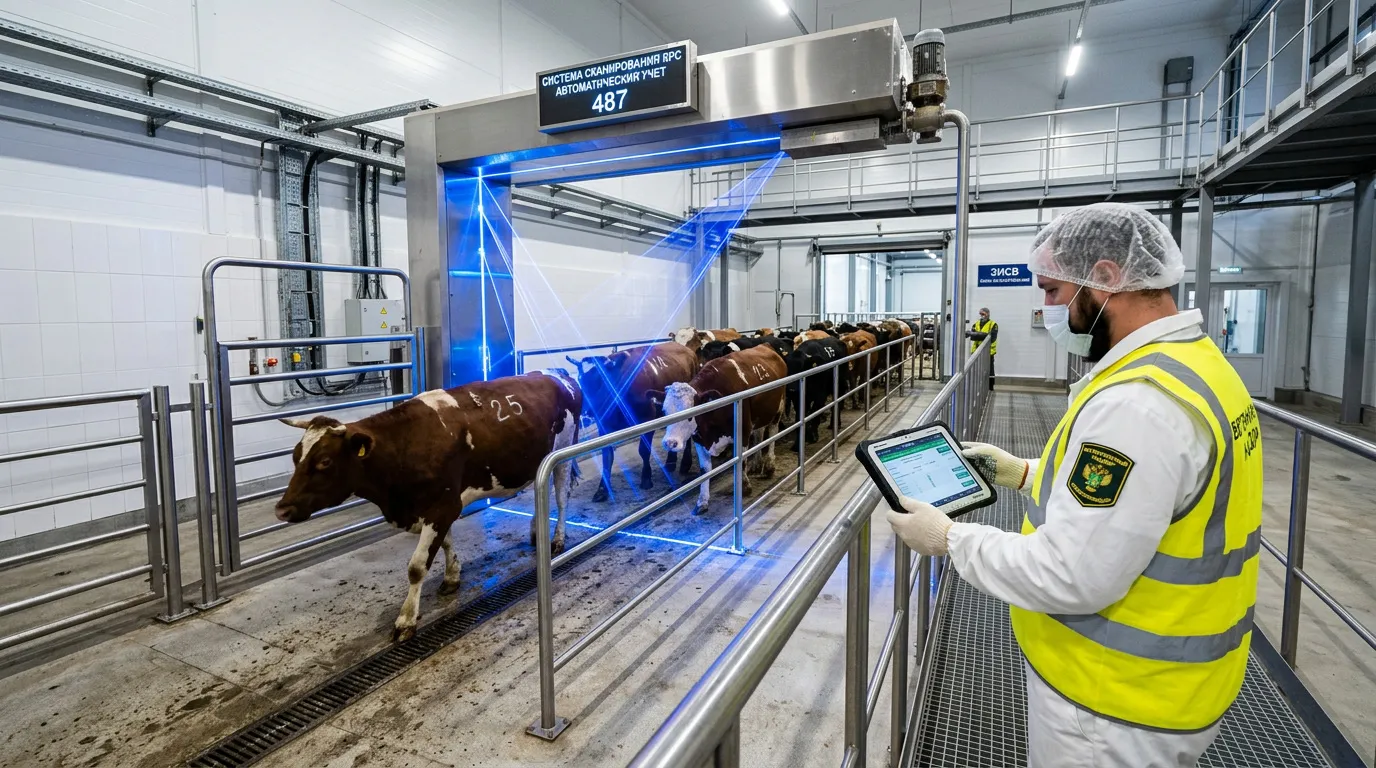
In real time, the system evaluates all incoming production data related to livestock intake, animal movement, shipping operations and other processing workflows. Employees responsible for production monitoring now only need to manually review disputed situations. That has significantly reduced workload pressure, with such cases accounting for less than 4% of the overall data stream.
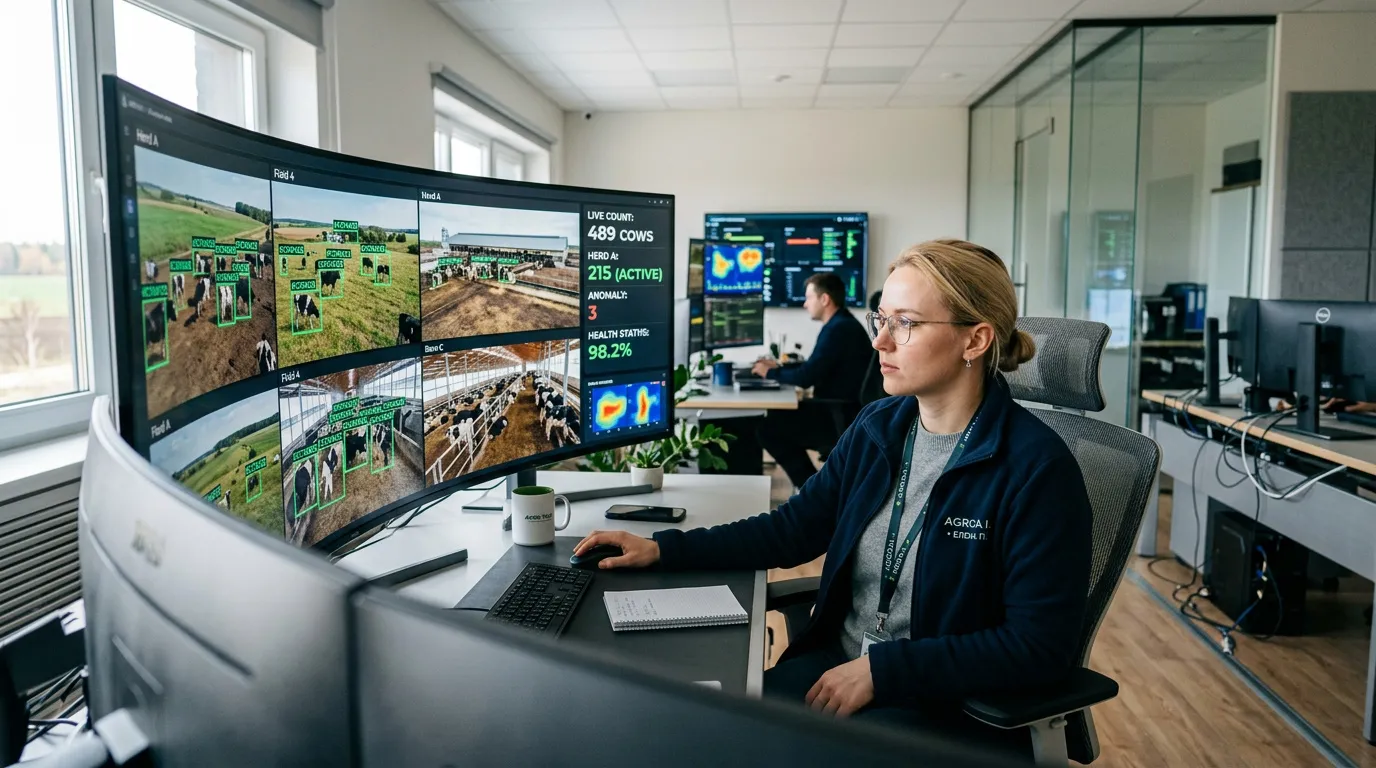
The platform also eliminates manual data entry and, with it, the risk of human-error-related mistakes. According to the company, the AI system produces only one error per 5,000 tracked animals. Measured by batch-processing standards, that is 100 times more accurate than average market indicators.
“The economic impact of deployment comes from three factors: eliminating theft, minimizing errors caused by the human factor and optimizing the time spent on accounting operations,” said Yevgeny Kiyatkin, AGROECO board member for meat processing.
A Unified Digital Production System
The smart video analytics platform is designed to simplify plant management and has already been integrated with the company’s existing IT infrastructure, including 1C, MES and ERP corporate systems. Real-time information on animal movement, shipping operations and production workflows is automatically transmitted into existing accounting systems. In practice, the effectiveness of AI-driven management systems has already been demonstrated.
“The company plans to continue deploying artificial-intelligence technologies in meat-processing operations for carcass and half-carcass accounting,” Yevgeny Kiyatkin added.
The new platform is only one part of AGROECO’s broader digital-transformation strategy. The agricultural holding operates crop-production assets and manufactures feed at its own facilities for vertically integrated pig farms. The group is one of Russia’s largest pork producers, with annual output exceeding 300,000 metric tons. The company is currently implementing a digital transformation roadmap running through 2030. Around 100 technology projects are expected to be launched across all business segments.
AI-powered video analytics and manufacturing automation are especially effective in environments with high volumes of repetitive operations and a high cost of error. Similar modernization efforts are now underway at other major Russian food manufacturers. Health & Nutrition (H&N, formerly Danone Russia), one of the country’s largest dairy producers and a leading manufacturer of plant-based beverages, is also carrying out a large-scale digital transformation of production operations. The program will cover 10 plants and 40 production lines.
Digital Transformation Across Food Manufacturing
Demand is growing across the food industry for practical technologies such as computer vision, video analytics, automated production accounting and integration with ERP and MES systems. That has created a promising niche for Russian IT companies developing digital platforms capable of delivering measurable economic results by reducing manual labor, improving process control and increasing accounting accuracy and operational transparency. The modernization potential of these technologies remains wide open.
By reducing errors and stabilizing finished-product quality, food manufacturers can improve margins. Meanwhile, integration between corporate AI systems and the Unified Digital Platform for the Agro-Industrial and Fisheries Complex (ETsP) could eventually make it possible to trace food production from fields and livestock facilities all the way to retail shelves.
That could strengthen international consumer confidence in Russian food products. AGROECO already exports products to India and Serbia and plans to expand into African and Southeast Asian markets. IT solutions that prove their economic value in industrial production may themselves become an export product.