Tomsk Researchers to Receive Grant for Satellite Development
The project will be carried out by a team from Tomsk State University of Control Systems and Radioelectronics (TUSUR). Students and postgraduate researchers there will gain hands-on experience in building orbital spacecraft.
For Russia to successfully advance its space technologies, the country needs a new generation of specialists with practical experience in developing cutting-edge systems. That is why Russia is actively supporting satellite construction programs based at universities.
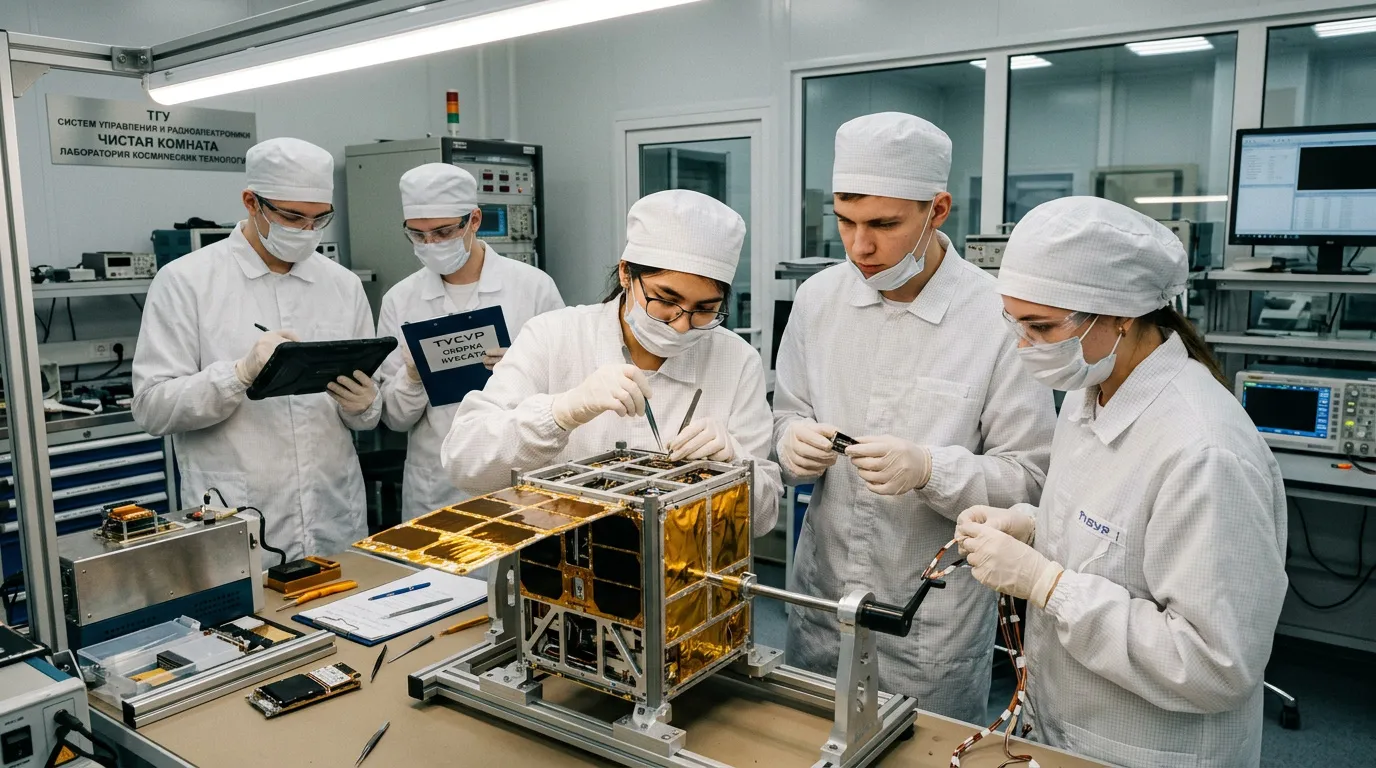
This year, students and postgraduate researchers from Tomsk State University of Control Systems and Radioelectronics (TUSUR) will build a new spacecraft. The university won a competitive selection process under the Russian Ministry of Science and Higher Education’s federal project Kadry dlya kosmosa (Personnel for Space – ed. note), which is being implemented as part of the national project Kosmos (Space – ed. note).
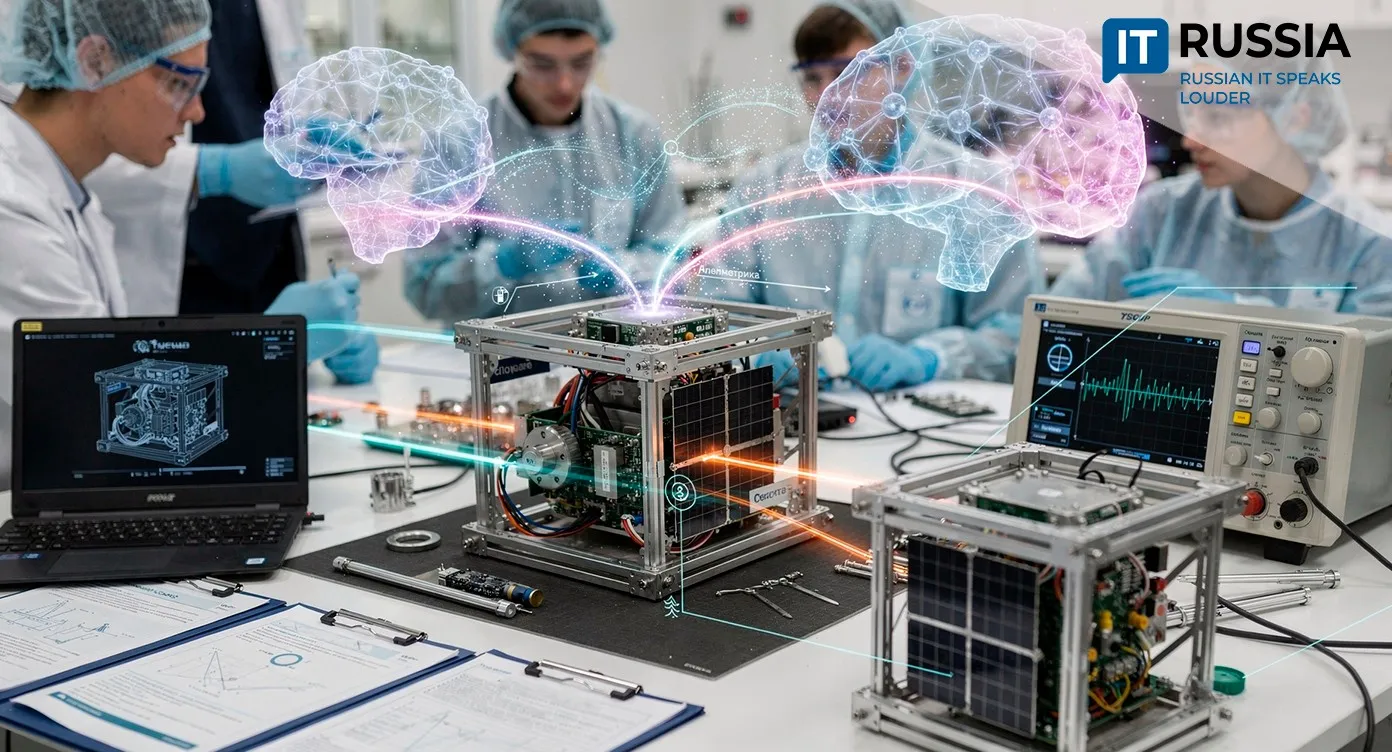
The university will receive a grant worth 26 million rubles (about $330,000). The funding will be used to build a CubeSat 3U small satellite. A large interdisciplinary team made up of students, postgraduate researchers and young specialists will work on the project. They will also receive support from experienced mentors and employees of manufacturing enterprises.
The team is expected to develop a complete set of engineering documentation, manufacture and conduct standalone tests of the key components of an advanced power-supply system, and integrate that system into the satellite platform while ensuring compatibility with other onboard systems.
Hands-On Experience
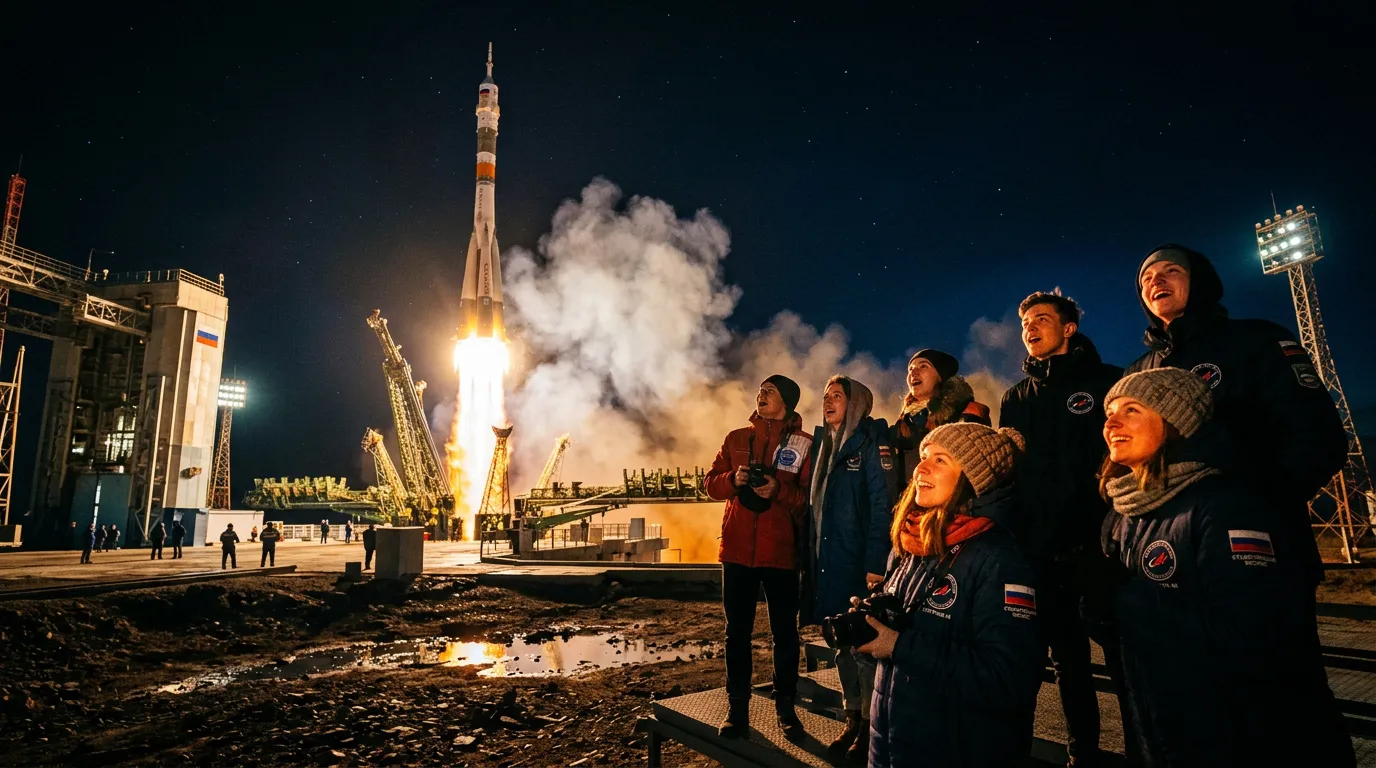
Project participants will also complete a specialized professional training program titled “Systems Engineering of Nanosatellites.” The course includes involvement in the full lifecycle of small spacecraft creation, from documentation design to physical manufacturing.
The initiative will be carried out in cooperation with leading companies in Russia’s space industry: Geoscan JSC from St. Petersburg, RESHETNYOV JSC from Zheleznogorsk and Polyus Research and Production Center JSC from Tomsk. The project is also supported by the Council of the Electronics and Unmanned Technologies Industrial Cluster of Tomsk Region, which brings together high-tech companies in the region and focuses on workforce development and expanding the technological base.
According to the developers themselves, the new satellite project is aimed specifically at training qualified personnel for Russia’s IT sector. Young researchers will gain practical experience in creating software, telemetry systems, communications technologies and power systems. Those skills are expected to help them later work on larger spacecraft.
Eighteen Months in Orbit
It is important to note that this is far from TUSUR’s first experience building small spacecraft. The university’s TUSUR GO satellite has already been operating in orbit for roughly a year and a half. It was launched as part of the Space-π scientific and educational project run by the Foundation for Assistance to Innovations.
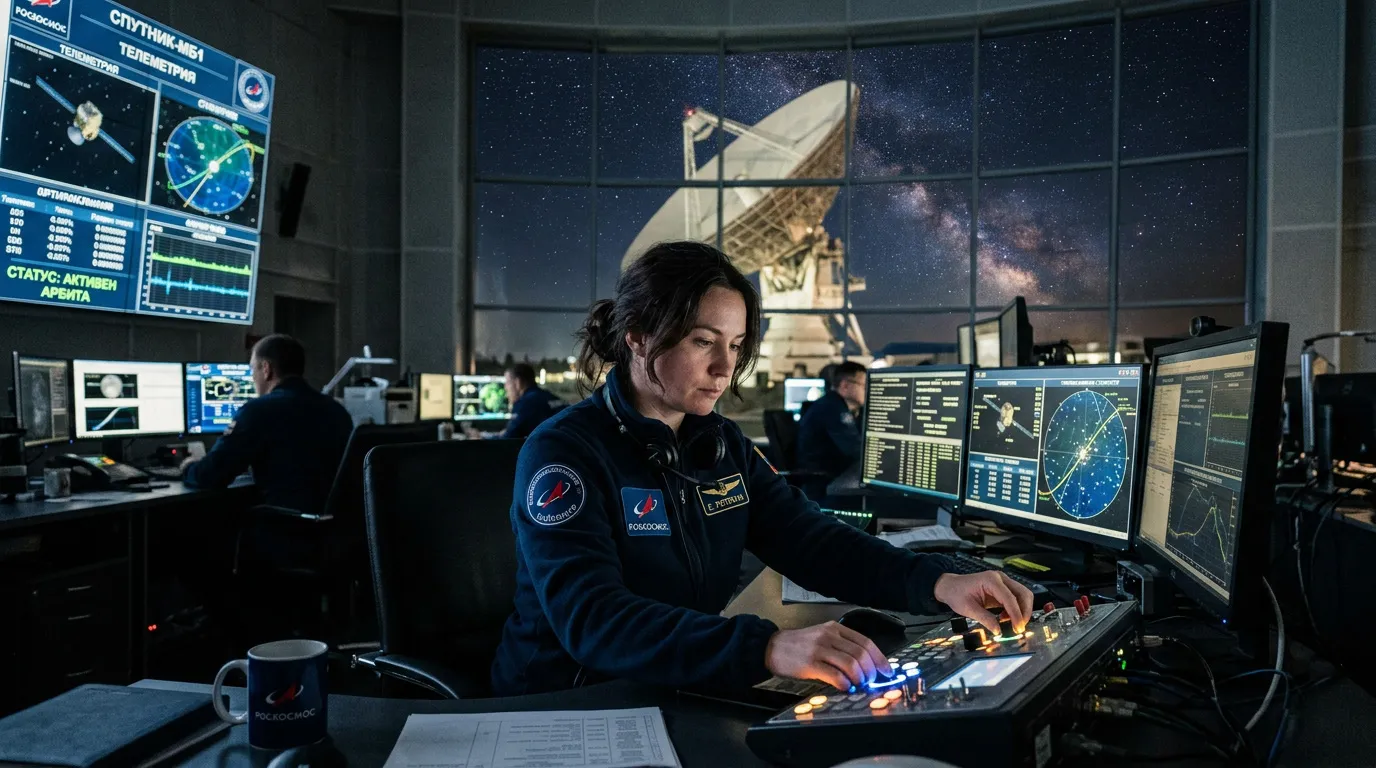
In October 2025, the satellite tested an Earth-pointing mode in which its onboard camera remained directed at a specific location on Earth during part of a communications session. Today, anyone with compatible ground receiving equipment can obtain images transmitted by the satellite.
TUSUR GO also entered orbit as part of a record-setting satellite constellation. As of November 2024, the simultaneous launch of more than 50 spacecraft became the largest mission of its kind in the history of Russian spaceflight. Most of the payload consisted of small satellites developed by specialists from universities across Russia. The mission supported a series of important scientific tasks.
Why the Talent Pipeline Matters
Taken together, these projects show that training specialists with practical spacecraft-development experience has become a systemic effort in Russia. Nearly all field-specific universities across the country are involved. That matters because Russia has launched several large-scale programs focused on building satellites for different purposes. The country is actively deploying low-Earth-orbit communications satellites that are expected to provide internet access to remote regions of Russia as well as passenger transportation systems. Achieving those ambitious goals would be impossible without a large pool of highly qualified personnel.