Ambulances in Blagoveshchensk Use Tablets to Alert Hospitals About Incoming Patients
Doctors can now review patient complaints and required treatment before the ambulance even arrives.
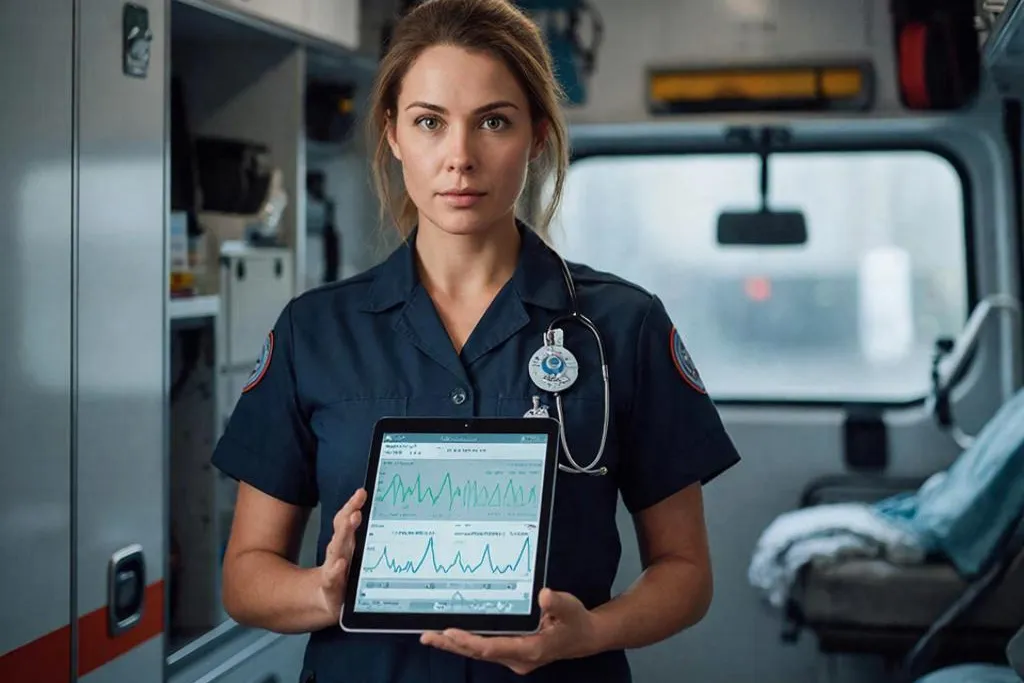
Digital tools have been introduced into the emergency medical system in Blagoveshchensk. Ambulance teams now create outpatient records directly on tablets, and hospitals receive information about patients’ illnesses and symptoms before they arrive. The update was reported by the press service of the Amur Oblast Ministry of Health.
Prepared to Receive Patients
For the past year, the devices have helped ambulance crews record patients’ personal and medical data. The technology significantly simplifies the work of medical staff. All information is transmitted to a central server, where hospital doctors review it and learn in advance what complaints a patient has and what type of care will be required. The system applies to all patients, including those who ultimately do not require hospitalization.
In addition, a discharge summary of the medical assistance provided and the ambulance call record appear in the patient’s personal account on Gosuslugi (State Services portal). This gives patients easy access to their medical history.
AI Assists Emergency Services
Representatives of ambulance services from seven Russian cities with populations exceeding one million—Chelyabinsk, Yekaterinburg, Tyumen, Perm, Ufa, Ulyanovsk, and Kazan—held a meeting last year to discuss how to improve emergency care. Participants agreed that artificial intelligence could help doctors act faster and more accurately. During the meeting, several promising digital solutions were presented, including automated ECG analysis using AI.
The new technology is expected to speed up diagnosis and reduce the likelihood of errors when interpreting cardiogram data. AI tools will be integrated into a unified cardiology subsystem. Electrocardiograms recorded in ambulances will be transmitted to a central hub, where on-duty cardiologists will quickly interpret the data and send their conclusions back to the ambulance team.