Your Genome Knows Which Drug Will Work: Russia Opens Digital Medicine Clinic
A university clinic in Yaroslavl combines genetic testing, AI-assisted diagnostics, and a digital interpreter that translates medical reports into plain language via QR codes.
Yaroslavl State Medical University has opened a digital medicine clinic. The clinic combines traditional care with digital tools and genetic research. Professors and associate professors provide care, while students train on real clinical cases and practical tasks.
Training, Practice, and Patient Care
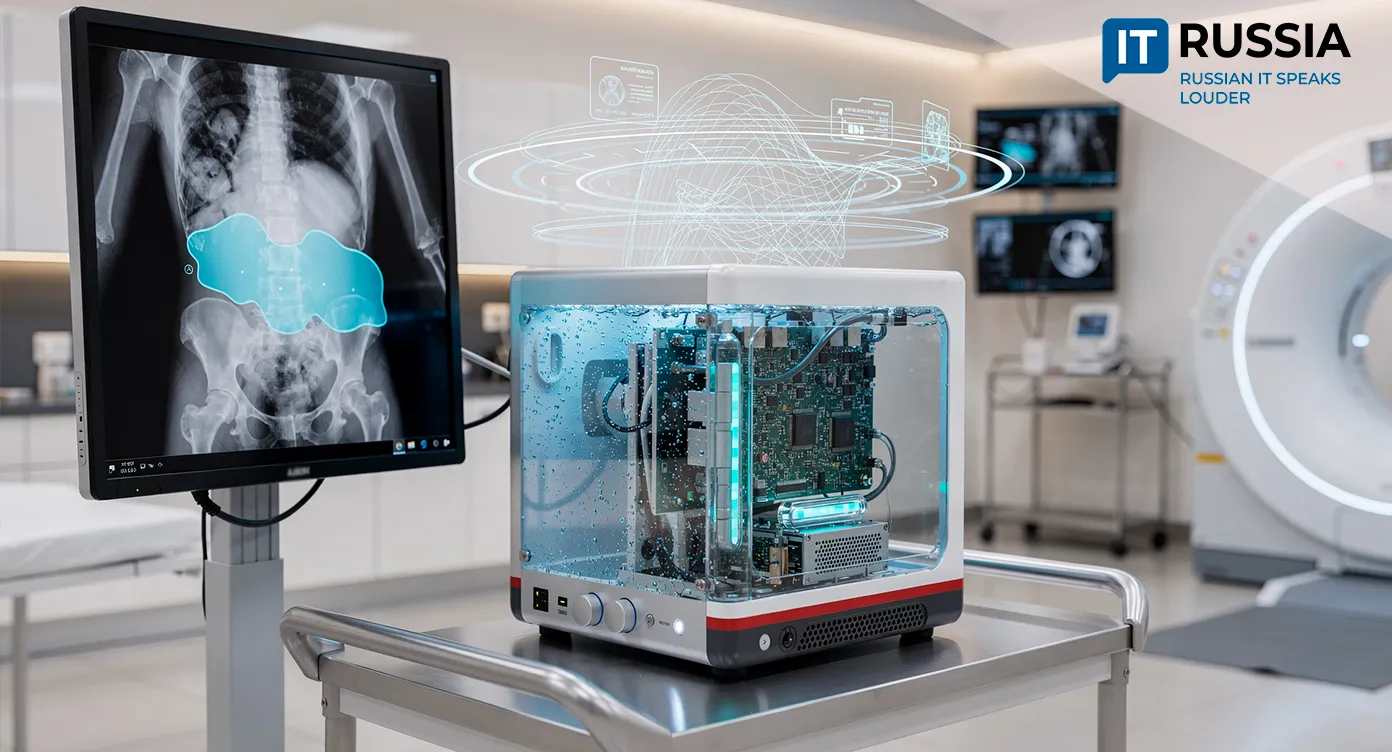
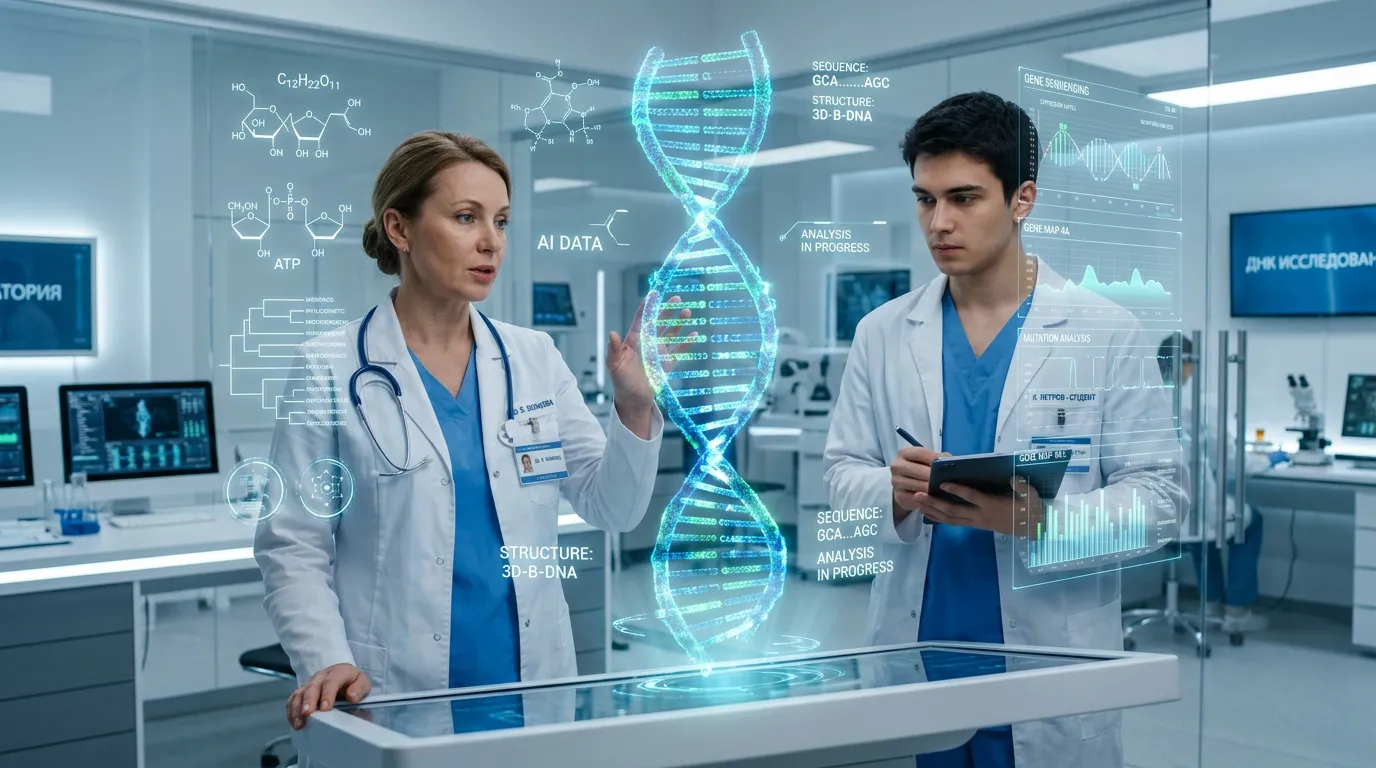
The clinic uses equipment that enables physicians to apply methods that until recently were limited to research labs. The genetic laboratory runs a wide range of tests, from identifying mutations that affect blood clotting to assessing hypertension risk based on DNA. AI systems assist with diagnosis and help flag disease risk before symptoms appear.
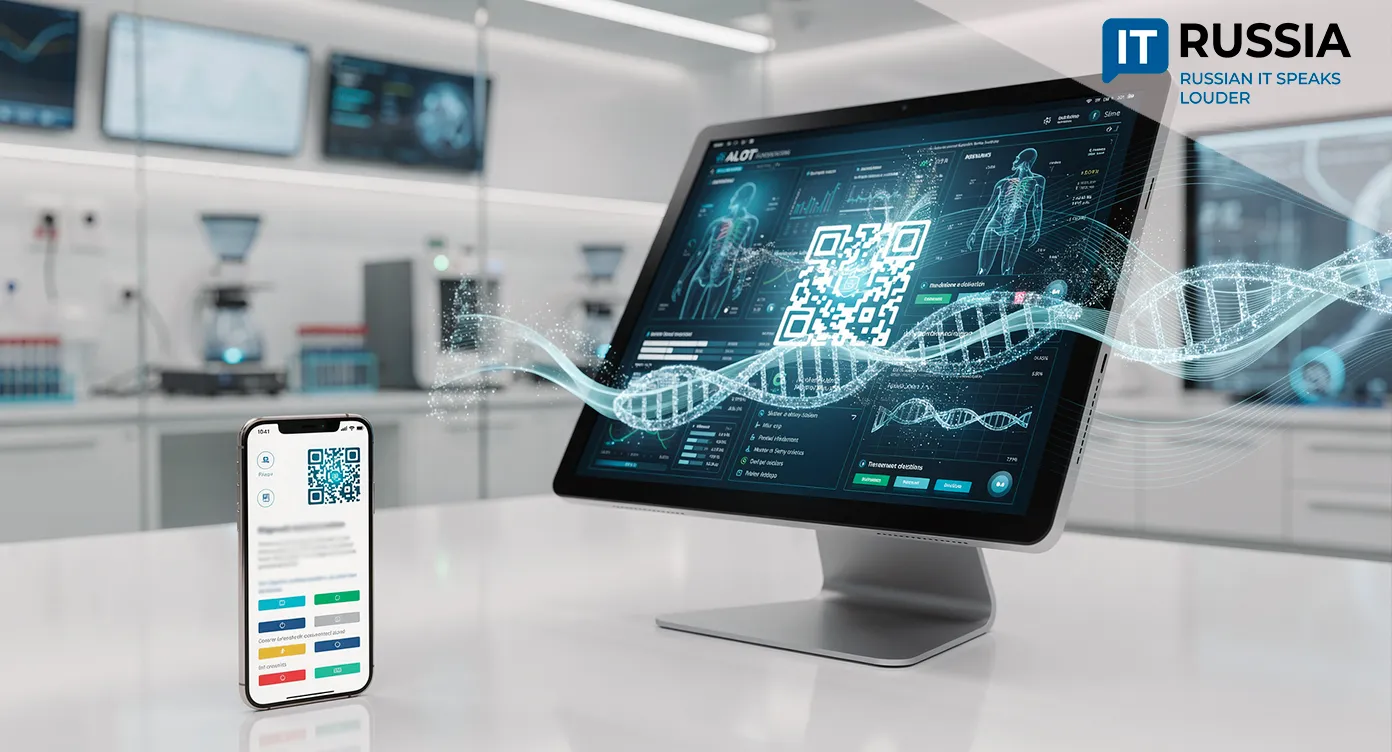
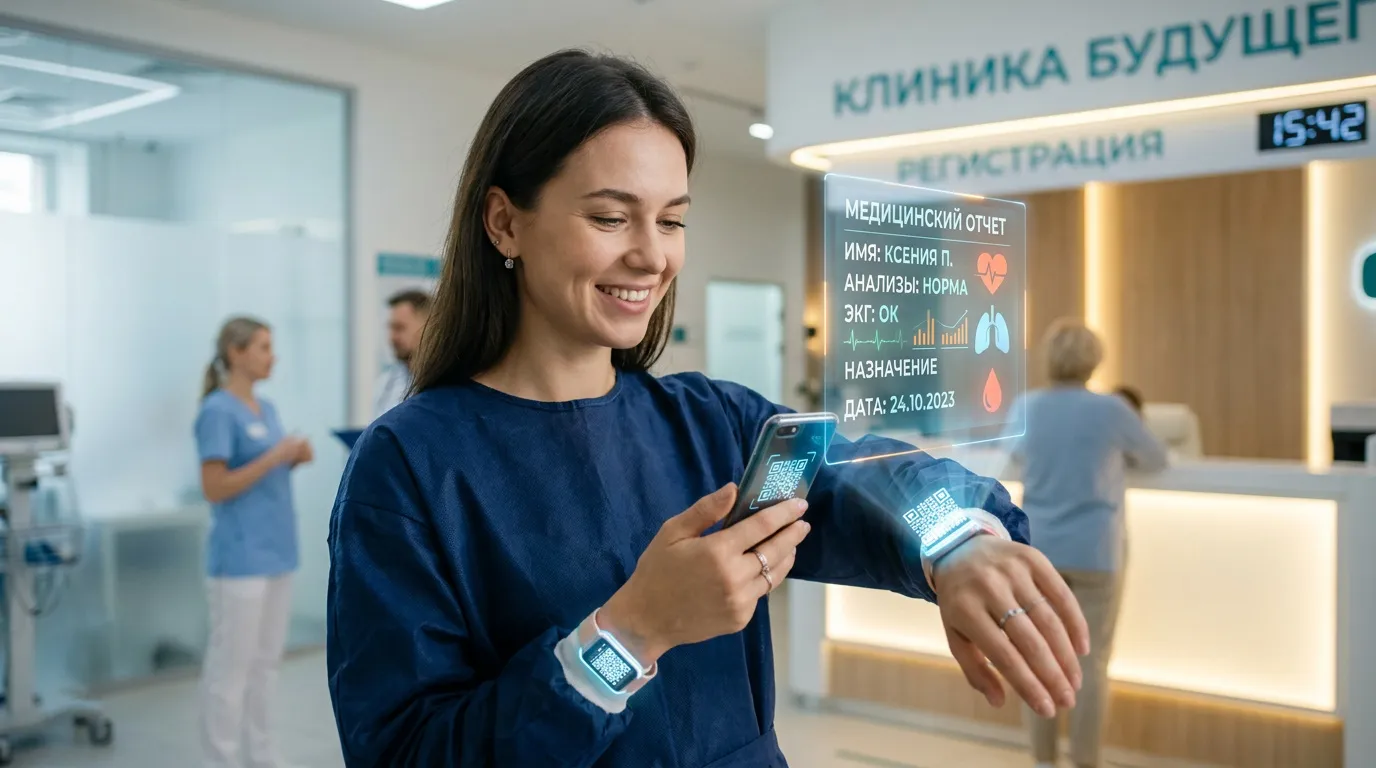
The clinic has also introduced a digital interpreter for patients. The tool converts clinical reports into plain language. A QR code is added to each document – patients scan it with a smartphone and get plain-language explanations of clinical terms.
The regional government supported the project. Governor Mikhail Evraev called it a long-term initiative, noting that the clinic trains specialists who can work with modern equipment, accelerates adoption of new technologies in healthcare, and improves care quality for residents.
How the Clinic Operates
The clinic brings together physicians from multiple specialties, including gastroenterology, allergy care, and surgery. Experienced doctors work alongside students, who do more than observe – they work on real clinical cases. This approach allows the university to prepare job-ready graduates. Young doctors already understand how to use genetic testing and AI-based systems.
Clinic director Marina Chernogorova, Doctor of Medical Sciences, says the clinic is moving toward personalized medicine. Treatment is tailored not to a standard protocol but to each individual, taking into account genetics, biochemistry, physiology, and lifestyle. Since many diseases are hereditary, this approach is well grounded.
Pharmacogenetics as a New Standard
One of the clinic’s strongest areas is pharmacogenetics – selecting medications based on a patient’s genome. In simple terms, the same drug may work for one patient but not another, or it may cause side effects. The cause is often genetic.
The clinic cites a practical example. Researchers found that people of Asian descent are resistant to many proton pump inhibitors, drugs used to reduce stomach acidity. Without this knowledge, patients could spend years taking expensive medications without results.
YAGMU has been working in pharmacogenetics for several years and is among the leaders in this field. The launch of its own clinic and laboratory allows the university to scale these efforts. Instead of helping a limited number of patients, the system can now serve thousands.
What This Means for Patients
For residents of Yaroslavl and the surrounding region, the clinic provides access to consultations with leading specialists without traveling to Moscow or St. Petersburg. Visiting professor and geneticist Tatyana Markova, known for her work in major metropolitan clinics, will see patients locally.
For families planning a child, the clinic offers genetic counseling that can reduce the risk of hereditary diseases. For patients with chronic conditions, it provides a way to move beyond trial-and-error prescribing and receive treatment plans that are more likely to work.
Impact on the Healthcare System
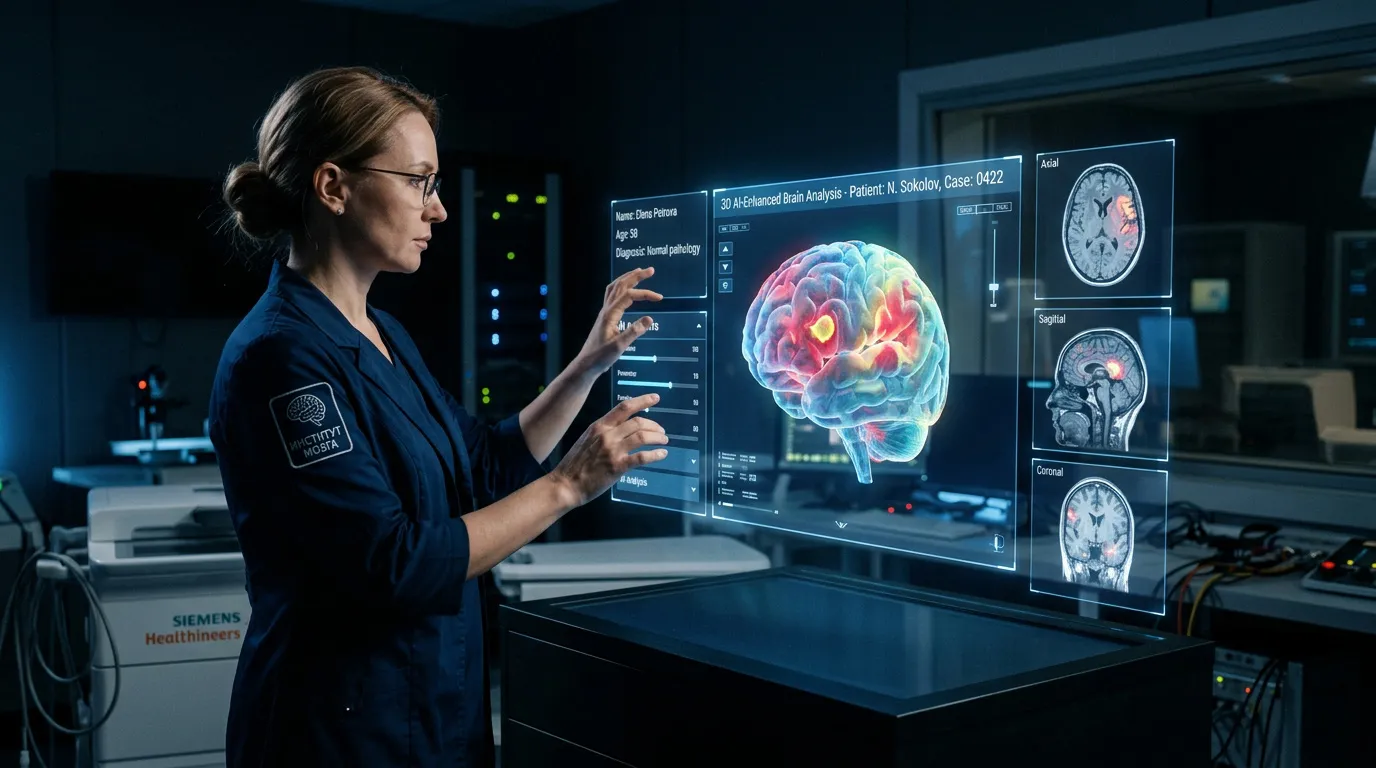
At the regional and national levels, the project accelerates the development of digital medicine. AI is already used in eight healthcare institutions in the region, including for second reads of mammograms and analysis of lung imaging. Digital sick leave certificates and electronic medical records have become standard practice. The YAGMU clinic adds genetic analysis and a personalized approach to this ecosystem.
For medical education, the clinic marks a significant shift. Students see early on how genetic data influences treatment decisions, how digital interpreters improve communication with patients, and how AI supports clinical work.
Export Potential and Future Outlook
Technologies such as pharmacogenetics, genetic counseling, and digital interpreters are in demand beyond Russia. Many countries, including CIS neighbors and other international markets, face similar challenges – high drug costs, ineffective prescriptions, and communication gaps between doctors and patients. YAGMU can become a center of expertise where these methods are developed, scaled, and shared through training programs, joint research, and technology transfer.