

Building a Digital Cultural Ecosystem in the DPR
Russia’s new regions are using technology to rebuild cultural life. In the Donetsk People’s Republic, 29 digital cinemas and 12 model libraries have already opened, while an interactive portal brings culture online.
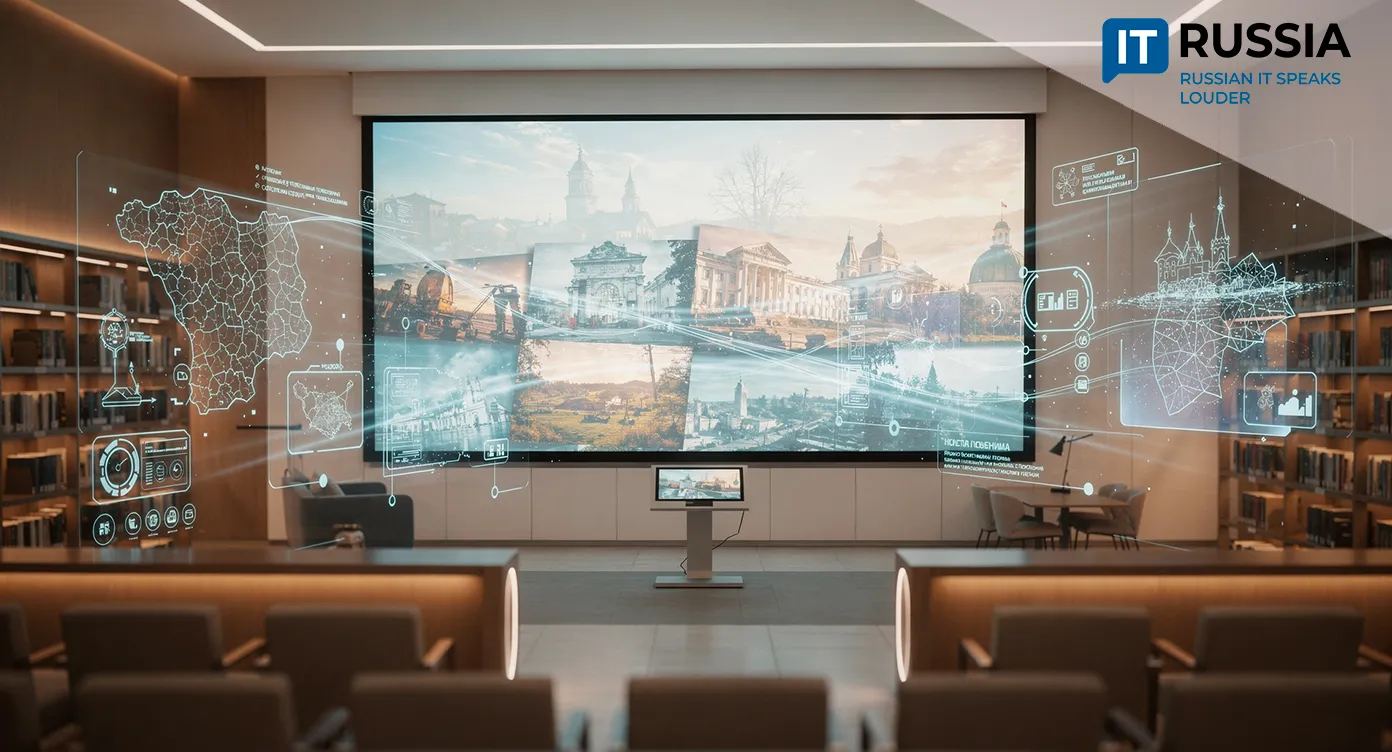
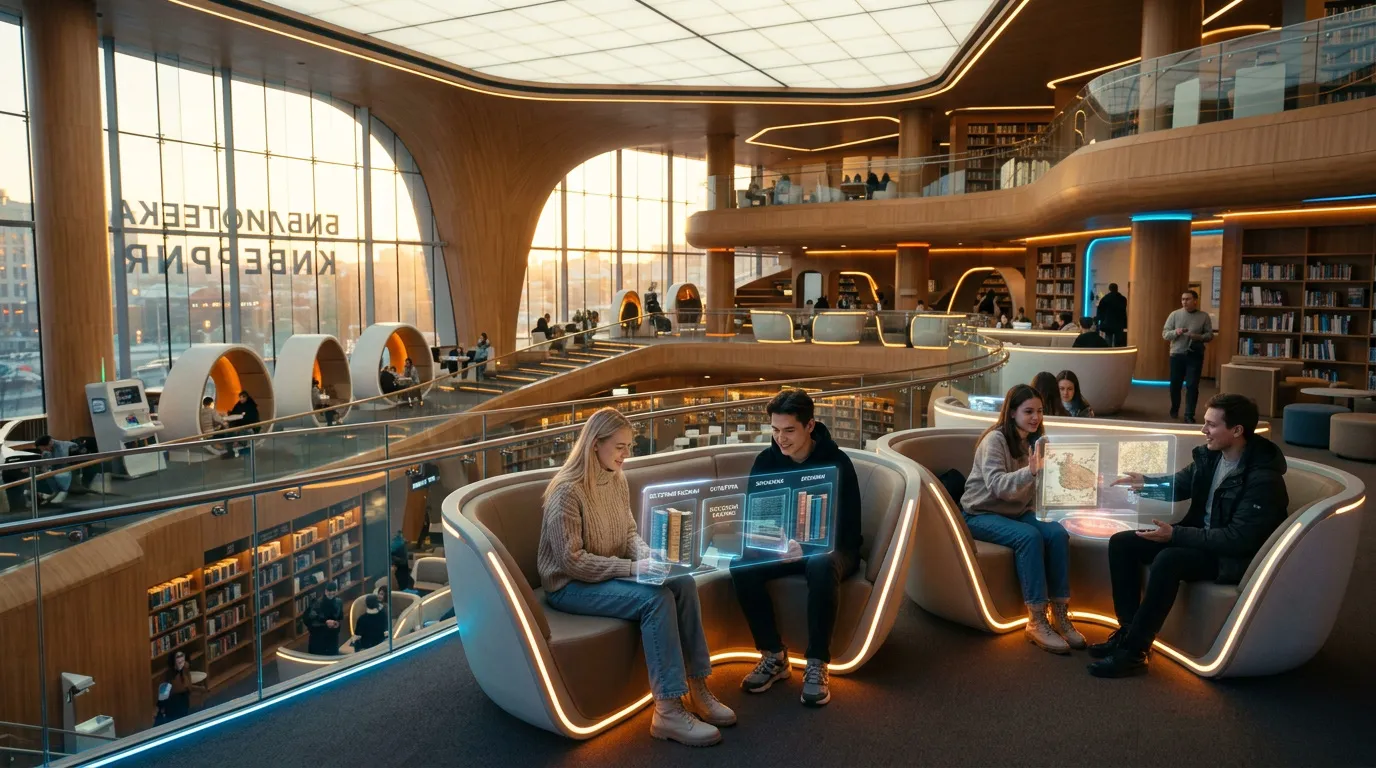
The launch of 29 digital cinemas and 12 model libraries was announced by Donetsk People’s Republic (DPR) Minister of Culture Mikhail Zheltyakov at the Baltic Cultural Forum in Kaliningrad. The cinemas provide legal access to modern audiovisual content, while model libraries serve as digital gateways to knowledge and learning. They also give visitors access to the National Electronic Library and a range of digital cultural services.
A Tool for Integration Into a Shared Cultural Space
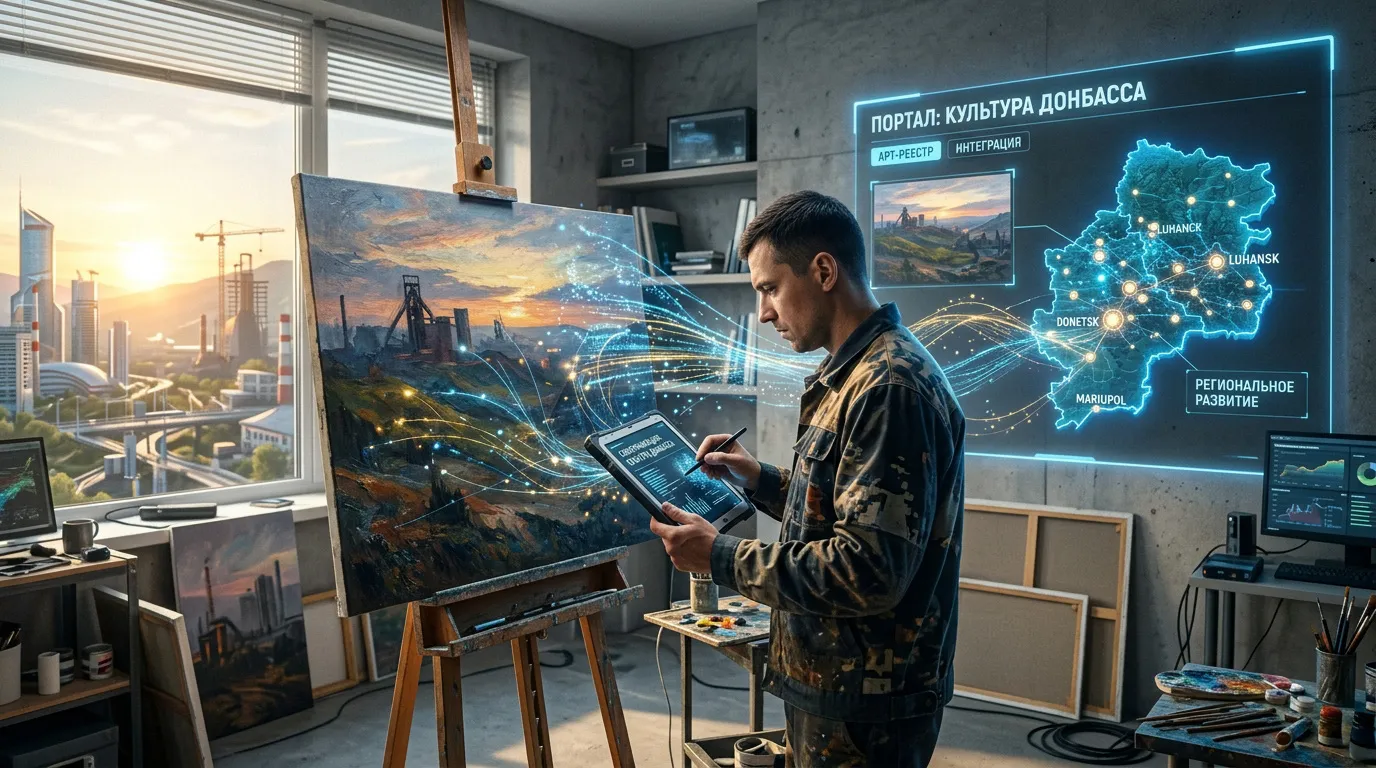
The “Kultura Donbassa” portal plays a similar educational role. It lets users explore virtual tours, watch concerts, and visit sites of military history. News and event listings are gathered in one place, making navigation straightforward. An interactive map of cultural brands across the DPR has also been created, allowing users to locate major museums, events, and cultural projects.
Taken together, these efforts show how digital tools in culture and education are becoming a tool for integrating new territories into Russia’s broader information space.
The digitization of culture and the use of emerging technologies, including AI, for educational purposes has become a government priority. Public funding is being directed toward these efforts, which are especially important for regional development and narrowing quality-of-life gaps. Integrating new territories into a unified cultural and information environment is a key policy goal, and the rollout of digital cinemas and model libraries is part of that process.
Overcoming Digital Inequality
Russia’s Ministry of Culture is expanding programs to modernize libraries and upgrade cultural infrastructure. Libraries are evolving beyond reading spaces into hubs for digital access, learning, and work with online resources, helping close the information gap. Since early 2024, model libraries in the DPR have attracted more than 10,000 visitors; the first opened in Khartsyzsk, Novoazovsk, and Mangush in 2023. At the same time, modern cinemas equipped with new technology are being rolled out, giving audiences access to high-quality film content.
Cinemas in small towns and rural settlements are seen as a separate modernization track, tied not only to culture but also to local economies, tourism, and creative industries. For example, more than 70 modern cinemas have opened in Yakutia since 2022. Extra Cinema has introduced its own technology solutions to expand access to film in smaller communities. Together, these efforts point to a broader shift in how cultural infrastructure is understood – as a digital environment.
Building this environment requires domestically developed solutions, including platforms, multimedia equipment, digital archives, legal content distribution systems, new audience engagement formats, and more consistent technology standards across regions.
Culture Meets Education
Russia already has a growing number of such projects, and development in the DPR is expected to continue. The next phase will link cultural institutions with educational services, government digital platforms, regional media libraries, interactive catalogs, and mobile content distribution channels. If successful, the DPR could serve as a testing ground for Russian solutions in digital culture and public education.