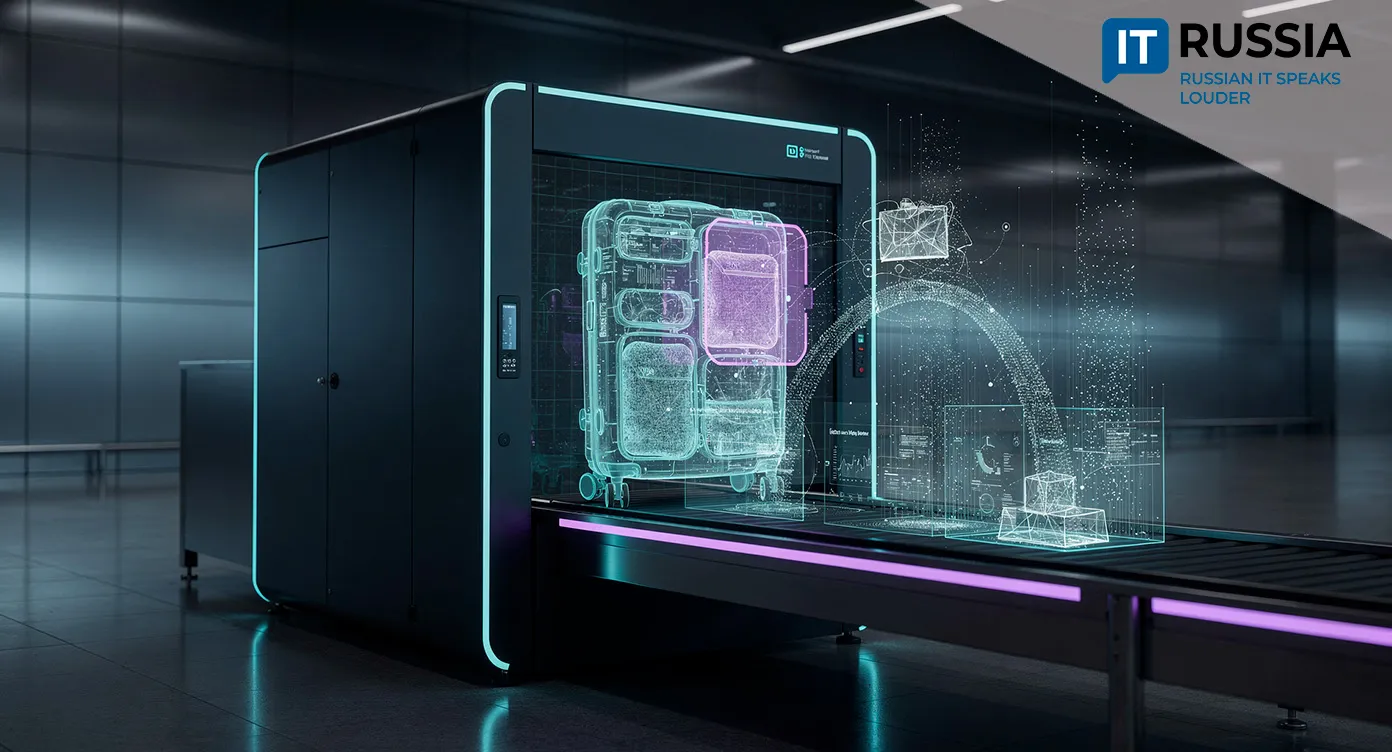
Artificial Intelligence Boosts Efficiency in the Nuclear Industry
Russia’s state nuclear corporation Rosatom is building an AI‑driven ecosystem that enhances design, operations, and lifecycle management across nuclear facilities, setting a technological benchmark for heavy industry worldwide
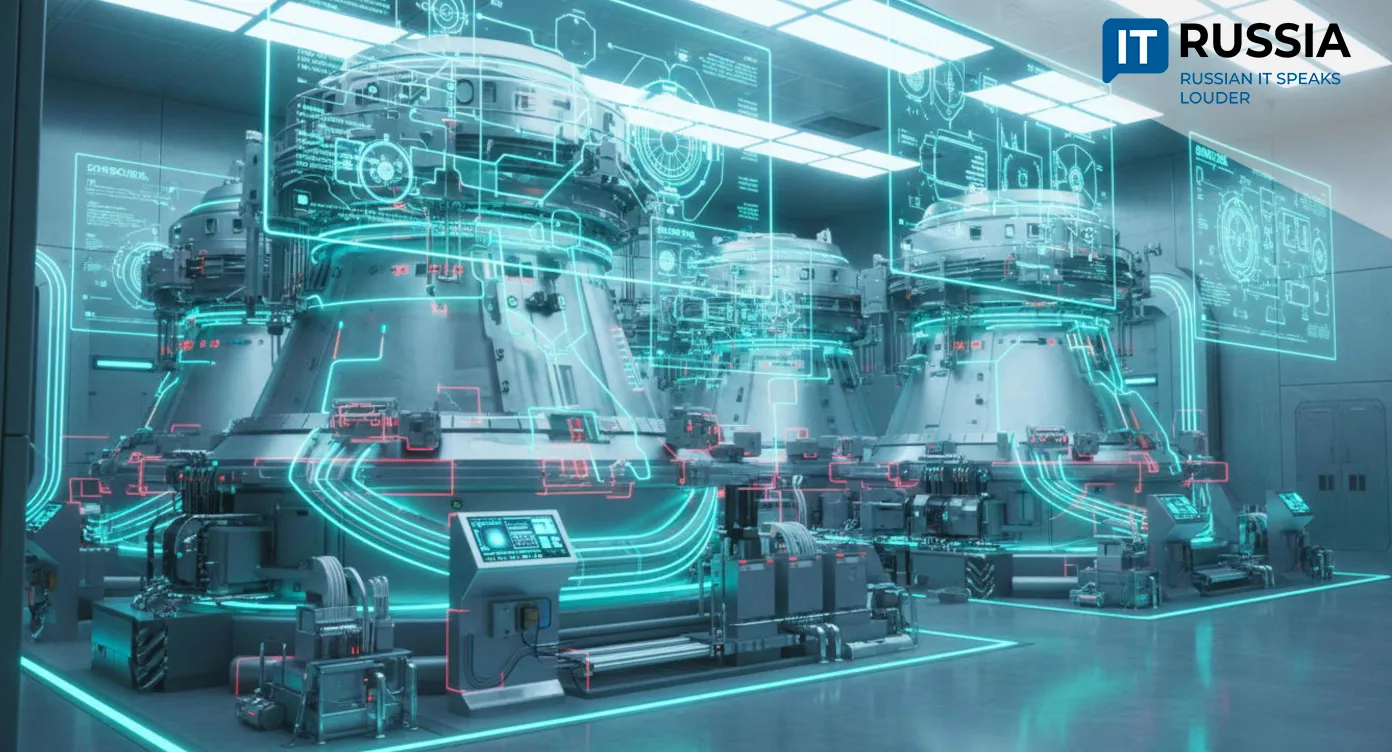
AI Enters the Control Loop
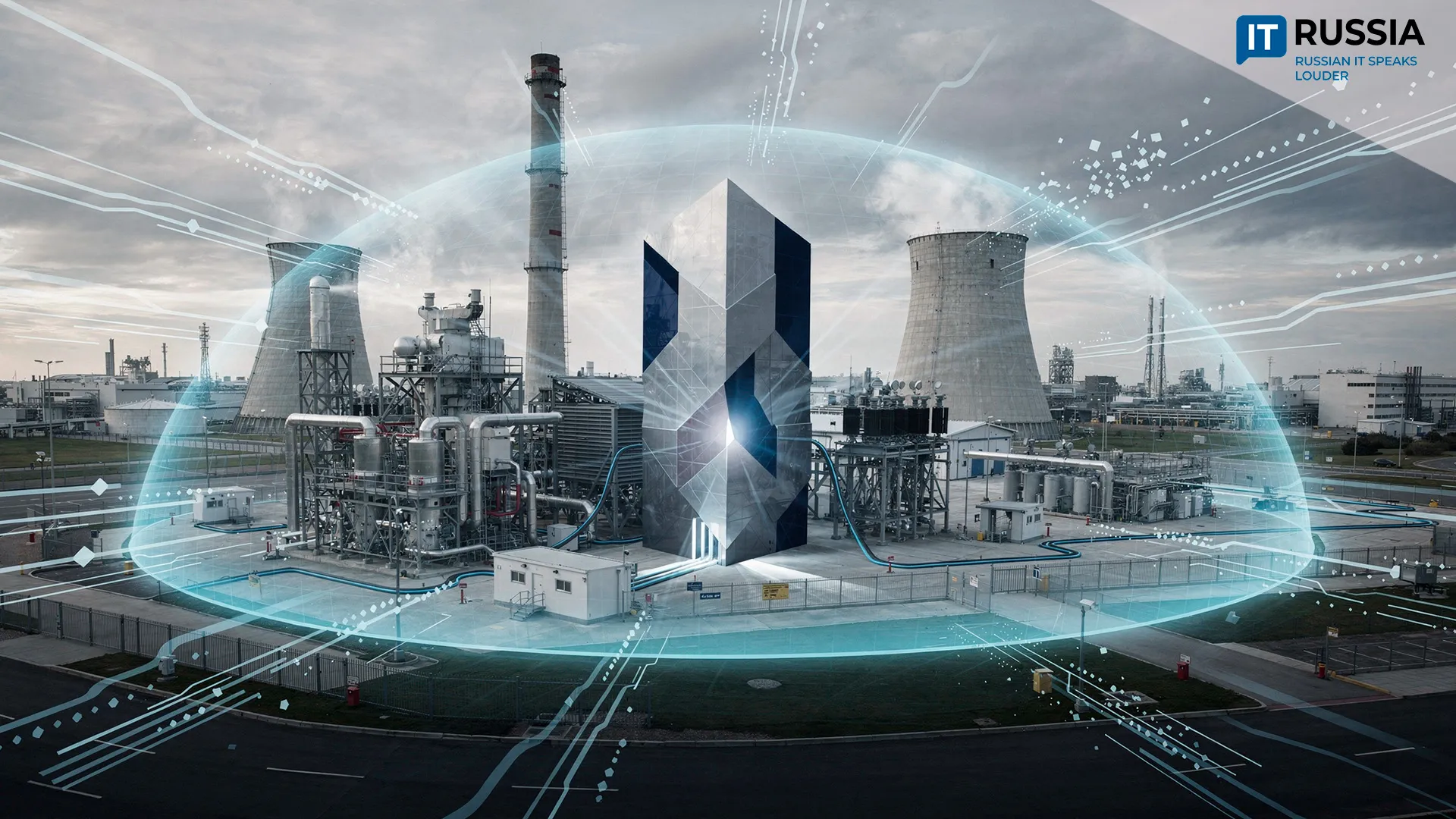
Rosatom has officially announced that artificial intelligence tools are already being used to optimize modeling, oversight, and operational processes across key assets. As part of a systemic strategy, the corporation is developing an integrated ecosystem in which nuclear energy becomes the foundation for AI advancement—from infrastructure to applied services.
While widespread adoption is still ahead, AI has already become a long‑term component of asset management and digital transformation.

Neural Networks, Models, and Machine Vision
Among the technologies now tested and deployed within the nuclear sector are large language models, physics‑informed neural networks, and advanced machine‑vision systems.
Language models streamline work with technical documentation, operational guidelines, and analytical reports, accelerating the search for critical information.


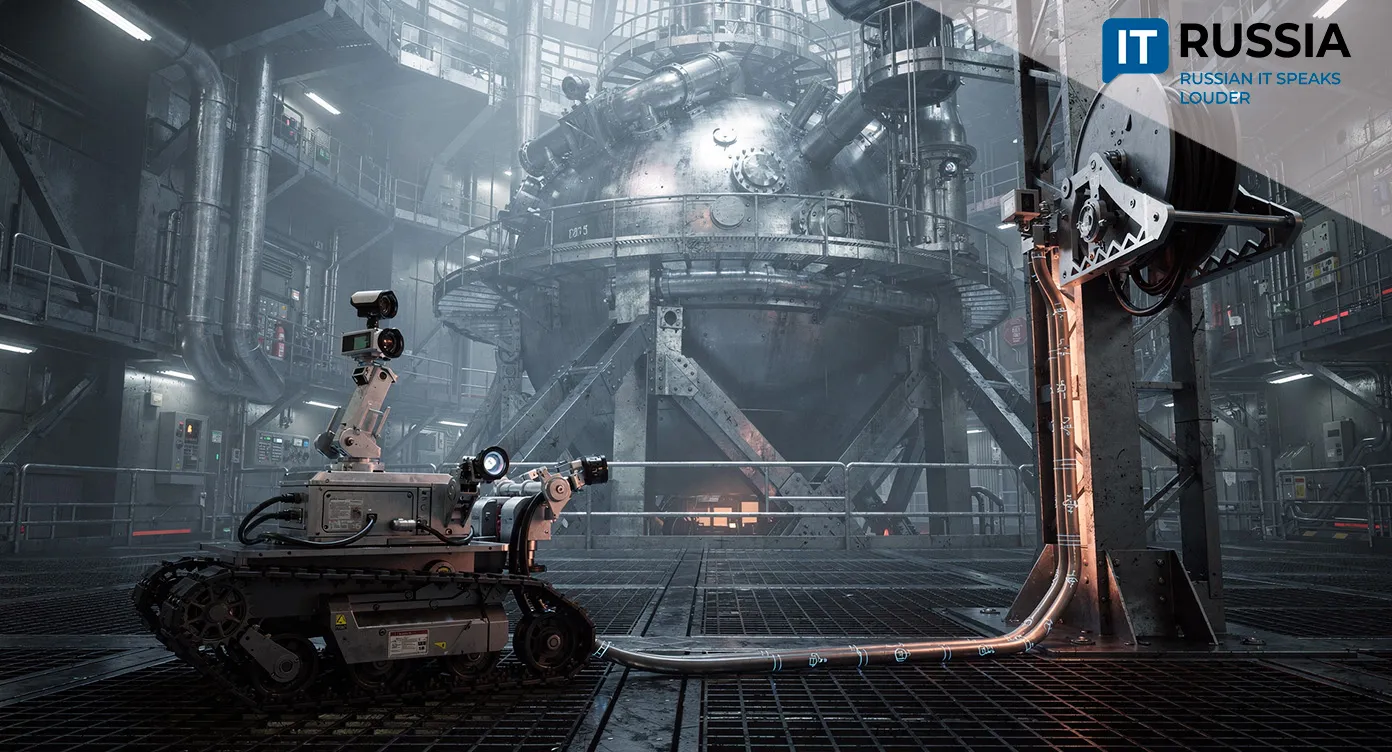
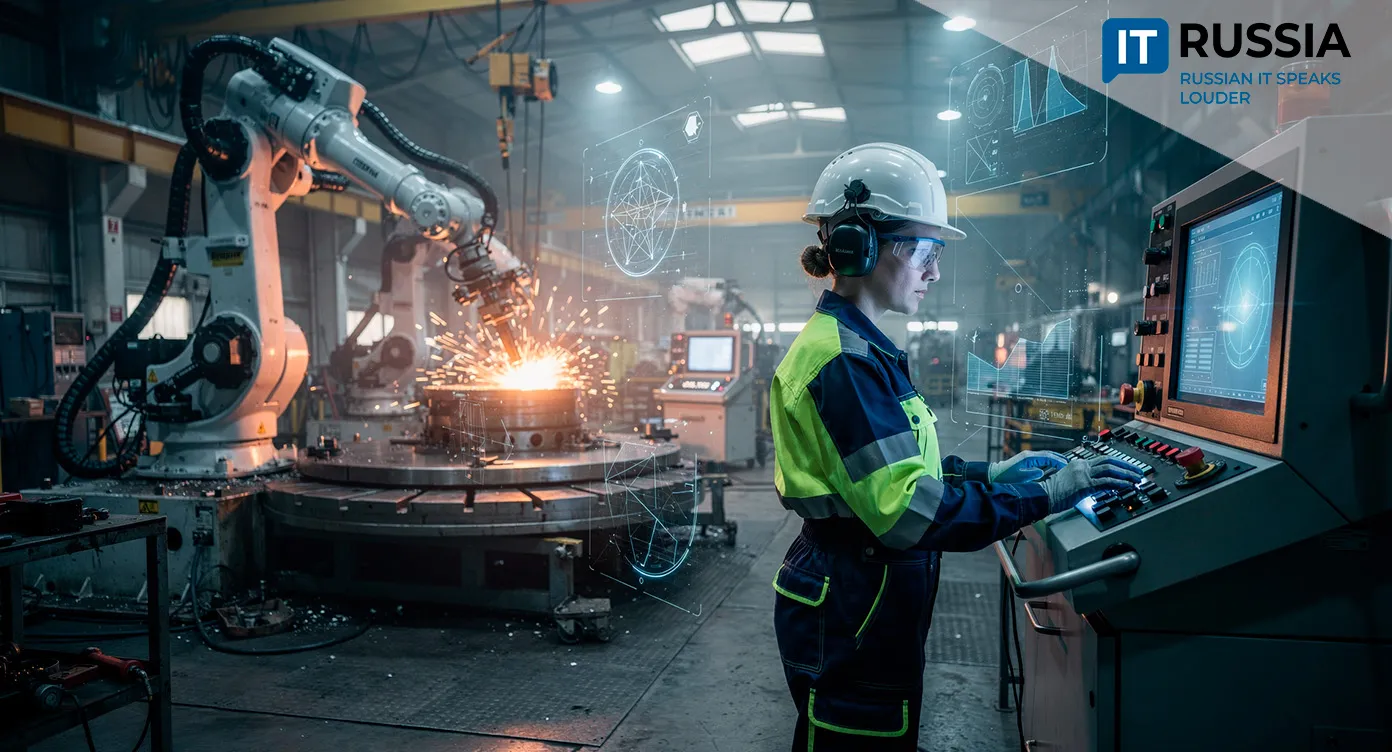
Physics‑informed neural networks supplement traditional engineering calculations used in modeling materials and structural components. By encoding physical laws directly into their architecture, they enable faster optimization of alloys, coatings, and equipment elements. Machine‑vision systems analyze photographs and video recordings of equipment, automatically identifying defects, leaks, and corrosion.
Savings, Reliability, and Safety
For Rosatom, the economic value of AI comes from reducing maintenance costs, minimizing equipment downtime, and extending operational life cycles. Predictive analytics can anticipate component failures and schedule repairs before critical events occur.

Safety remains the top priority. In nuclear energy, minimizing human error is essential. AI‑assisted tools help operators and engineers maintain situational awareness, detect anomalies, and make data‑driven decisions while reducing the risk of oversight.
Impact on Russia’s IT Market
Rosatom’s strategic pivot toward AI is generating stable demand for domestic neural‑network platforms, machine‑vision solutions, cybersecurity tools, and high‑performance computing infrastructure. The corporation is effectively shaping national standards and creating a robust market for software developers, integrators, and hardware manufacturers.

AI initiatives in the nuclear sector also accelerate growth in adjacent fields—digital engineering, digital twins, and industrial IoT. These developments can be transferred to energy, transportation, oil and gas, utilities, and other industries.