Atomic Data Centers to Power the Trans-Arctic Transport Corridor
Data centers in the Arctic, powered by nuclear energy, could underpin AI systems that manage the emerging Trans-Arctic Transport Corridor
Cold as a Competitive Edge
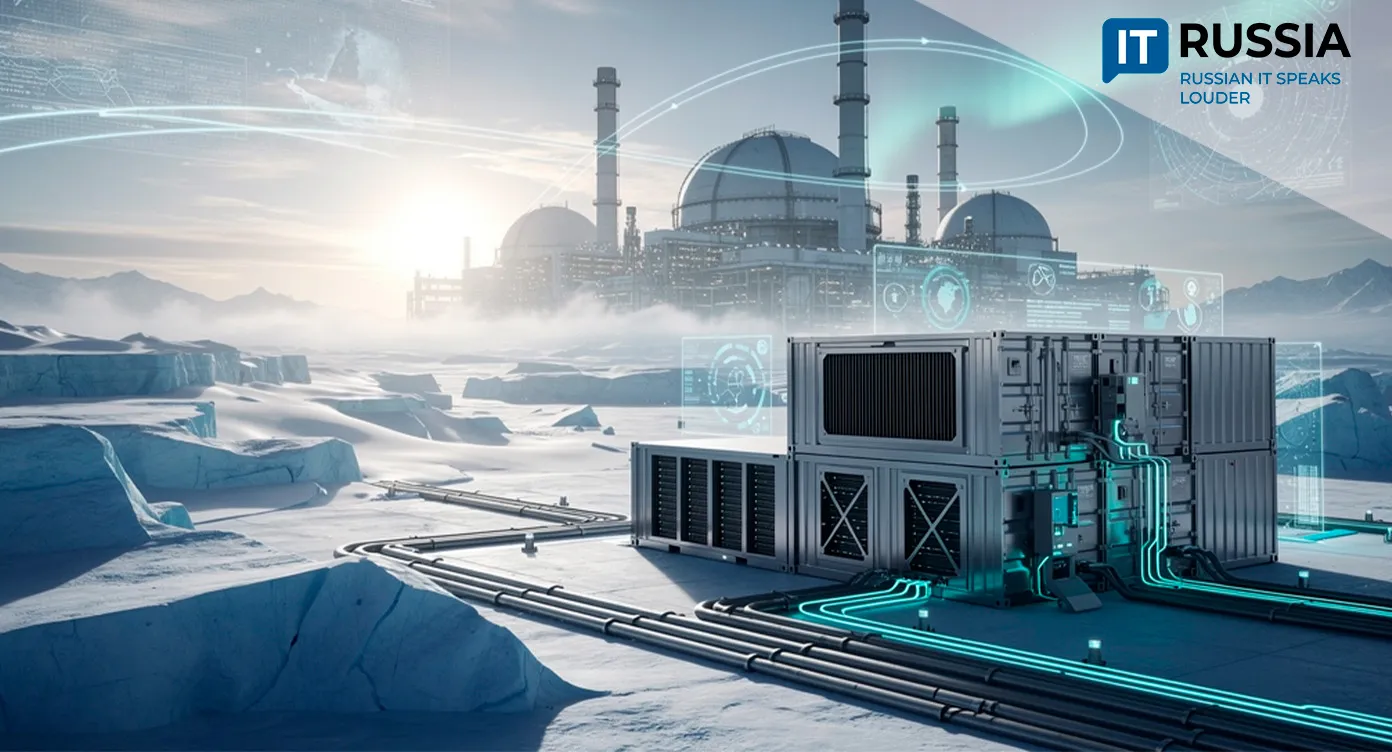
The Arctic provides a unique set of environmental conditions for hosting high‑load computing infrastructure. Ambient winter temperatures frequently drop to –30°C and below, enabling natural cooling for server hardware.
As a result, cooling expenditures can be up to 40 percent lower than in central Russia.

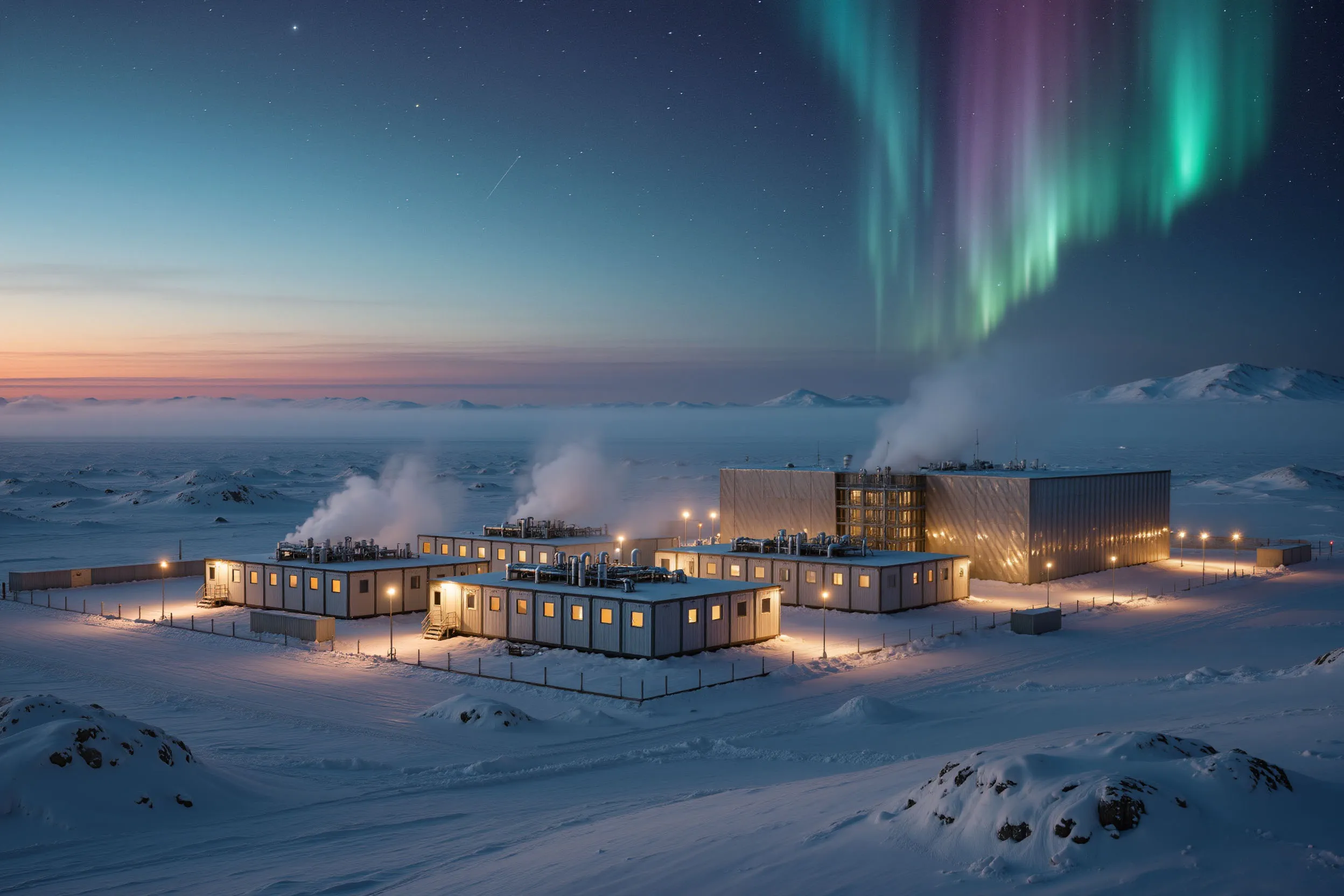
Rosatom, through its subsidiary Rosenergoatom, has begun construction of the new Arctic data center at the Kola Nuclear Power Plant.
The station can supply surplus, low‑cost nuclear power, while the planned 1‑megawatt capacity is sufficient to support large cloud services and compute‑intensive workloads.


AI for the Trans‑Arctic Corridor
The Trans‑Arctic Transport Corridor (TTC) is a strategic route connecting St. Petersburg to Vladivostok via Murmansk and Arkhangelsk. Positioned as an alternative to the Suez Canal, it could capture at least 15 percent of global cargo traffic moving through traditional routes.
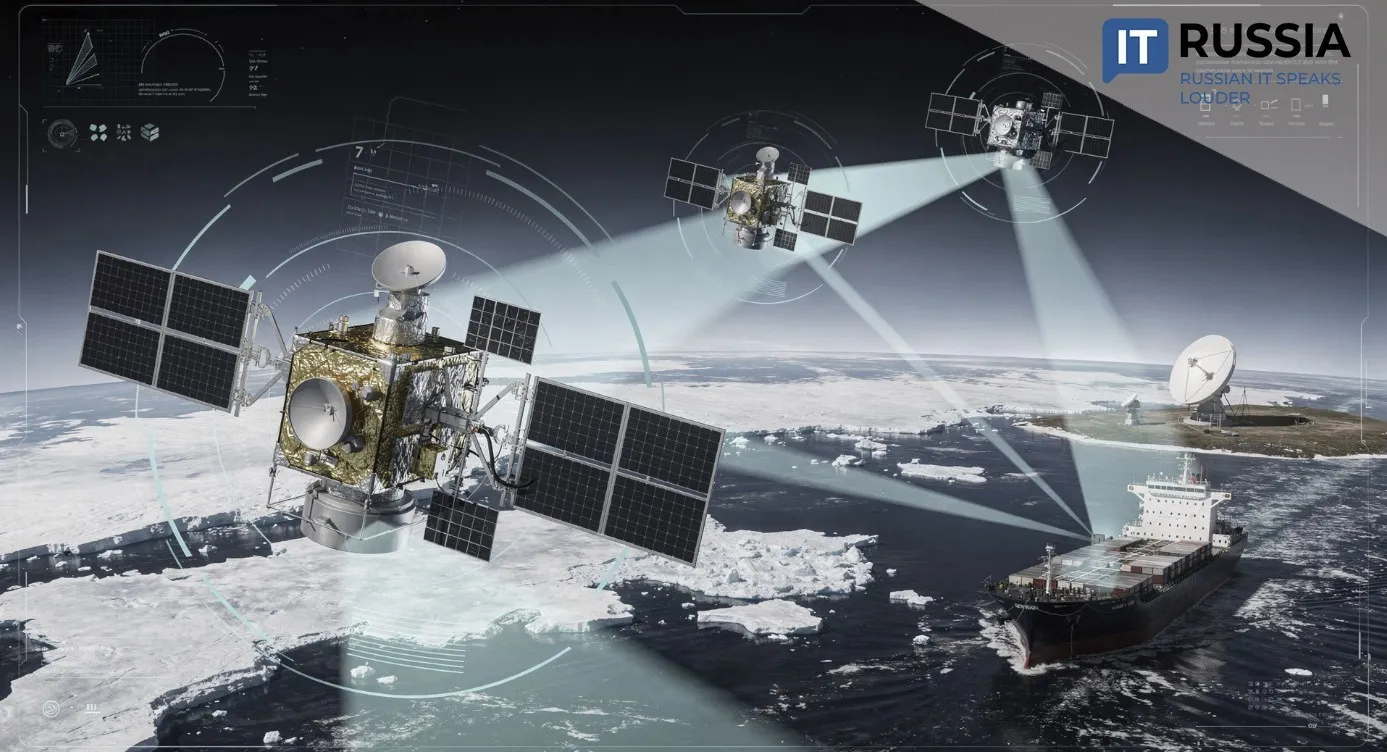
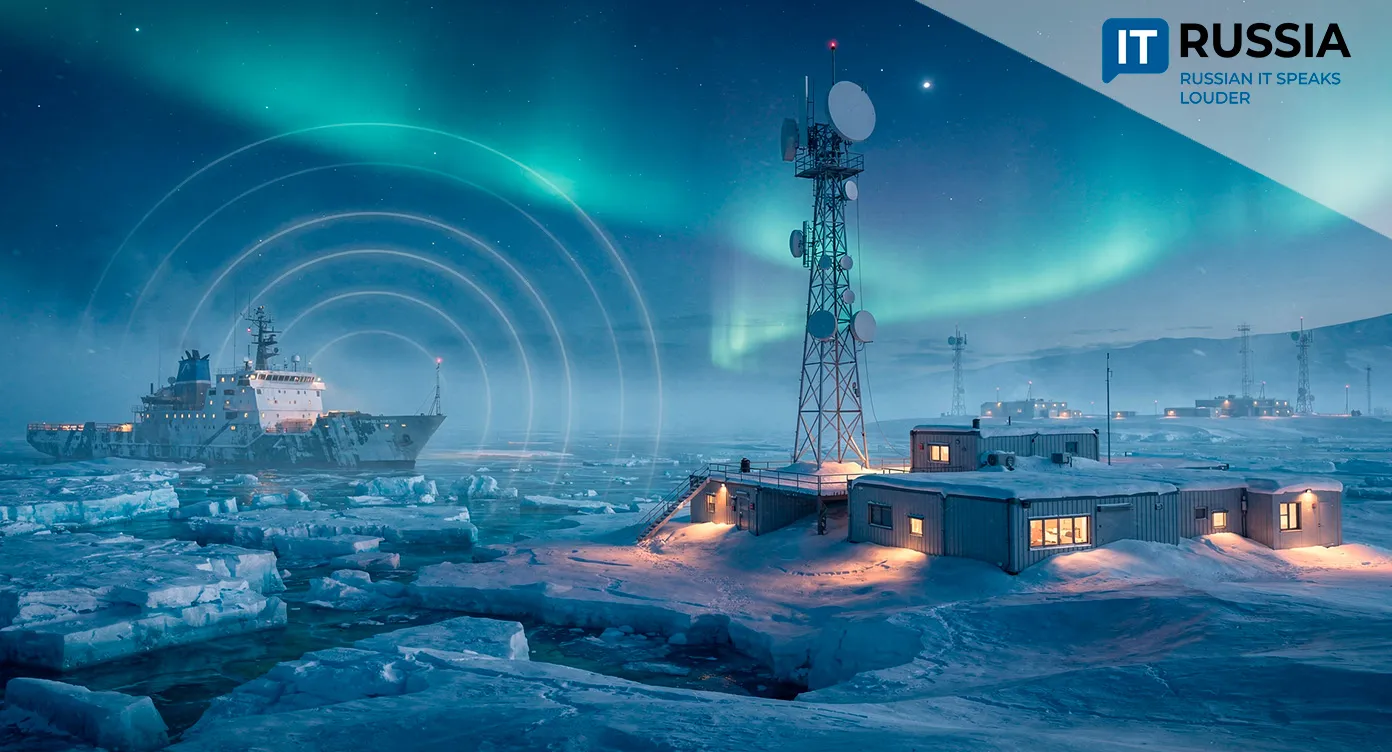
Operating such a corridor in real time requires substantial computing capabilities. AI systems must track vessel positions, predict ice conditions, analyze weather patterns, and alert crews to emerging risks. These operations cannot rely on distant servers: latency could lead to navigation errors or accidents. This is why compute infrastructure must reside directly in the Arctic.

Infrastructure for Ice‑Driven Logistics
Arctic‑based data centers will serve as a foundational layer for next‑generation digital platforms supporting the Northern Sea Route. Through them will operate systems for ice monitoring, logistics coordination, vessel management, and traffic safety. This will significantly increase the efficiency of Arctic shipping and reduce operational costs.
Russia’s Ministry of Transport and Rosatom are now building a National Digital Transport and Logistics Platform—an integrated ecosystem connecting all transport modes. Arctic data centers will serve as its computational backbone.
One project already pushes boundaries: RUVDS is developing the world’s first data center located on the drifting ice station Barneo. Though experimental, it illustrates how far Russia is prepared to go in advancing Arctic technologies.