Building the Future: Tomsk State University Develops Its Own Educational “Constructor”
Tomsk State University is testing a new approach to higher education, embedding AI and data analytics into programs across disciplines to prepare students for real-world applications of technology.
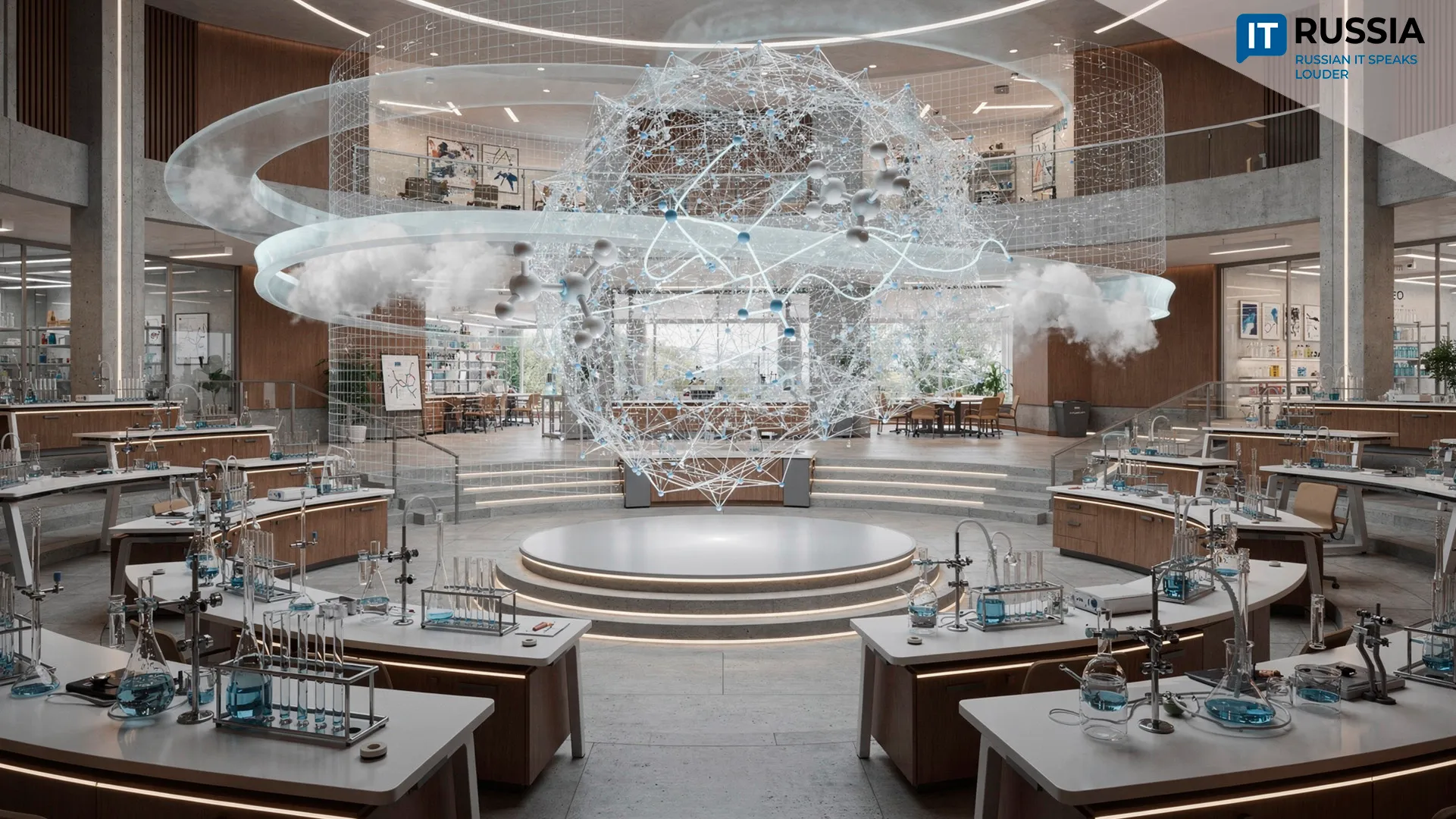
An ambitious experiment is underway at Tomsk State University (TSU): a module on data analysis and neural networks will be integrated into programs across 14 faculties, from law to radiophysics.
Neural networks can already generate code and write text. The real challenge for higher education today is not training machine learning specialists, but teaching chemists to apply AI in molecular design and lawyers to use it in analyzing court practice. TSU offers a clear example of this shift. The university is introducing a mandatory foundational course in AI and data analytics, which from 2026 will be included in 51 academic programs, ranging from archaeology to nanophotonics.
Chemists Learn Statistics, Lawyers Study Ethics
TSU has developed what it calls an educational “constructor.” A universal module in AI and data analytics is being integrated into programs across 14 faculties and institutes. Chemistry students work with mathematical statistics to predict the properties of new compounds. Future radiophysicists dive into machine learning and MLOps (machine learning operations). Law students are expected to explore AI ethics and critical thinking through case studies. The training follows a hybrid model: lectures and fundamentals are delivered online, while project work takes place offline, connecting digital skills to real professional tasks.
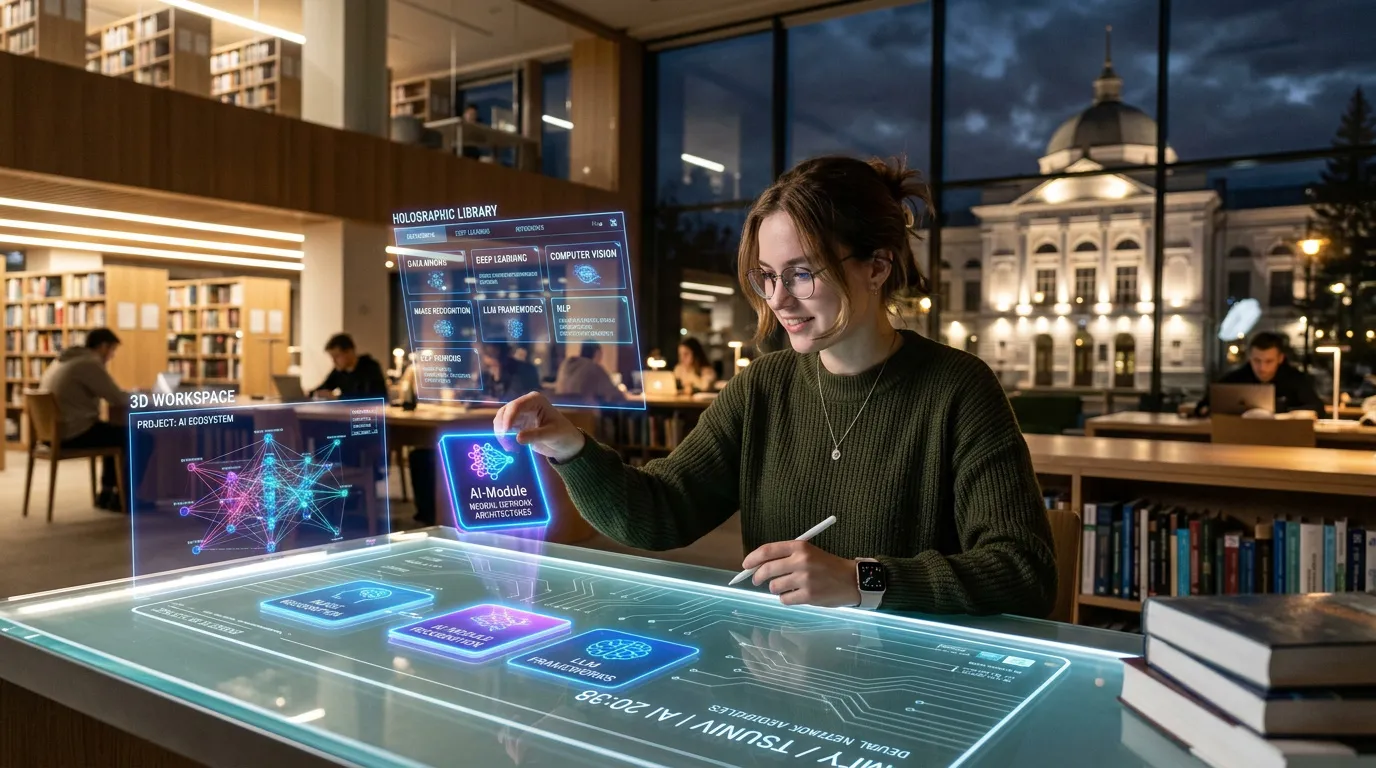
“Some programs focus on data literacy, others on classical machine learning. These thematic blocks can be easily embedded into the core curriculum of any program, from law to nanophotonics, and immediately equip students with essential skills in big data analysis and AI,” explains Vyacheslav Goiko, director of TSU’s Institute of Big Data Analysis and Artificial Intelligence.
Where the Wind Is Blowing
The TSU initiative reflects the broader direction of national education policy. In 2023, the Ministry of Science and Higher Education introduced “digital departments” in 115 universities as part of the Priority 2030 program. This created a new category of specialists outside traditional IT fields but equipped with digital skills. The Tomsk experiment goes further. Here, AI competencies are not taught as an add-on program but embedded directly into the core of each profession.
This approach aligns closely with Russia’s National AI Development Strategy through 2030, which emphasizes not only advancing technologies but integrating them into the economy and social sectors. Preparing professionals capable of doing this must begin now.
The Model Works
This promising project had an important trial phase, which demonstrated that the model is viable. In 2025, TSU partnered with Kazan National Research Technological University to create the module “Artificial Intelligence in Chemistry and Petrochemistry.” Notably, the two universities assembled this “constructor” in just one month. It is a ready-to-use solution that can be integrated into chemistry programs without redesigning the entire curriculum.
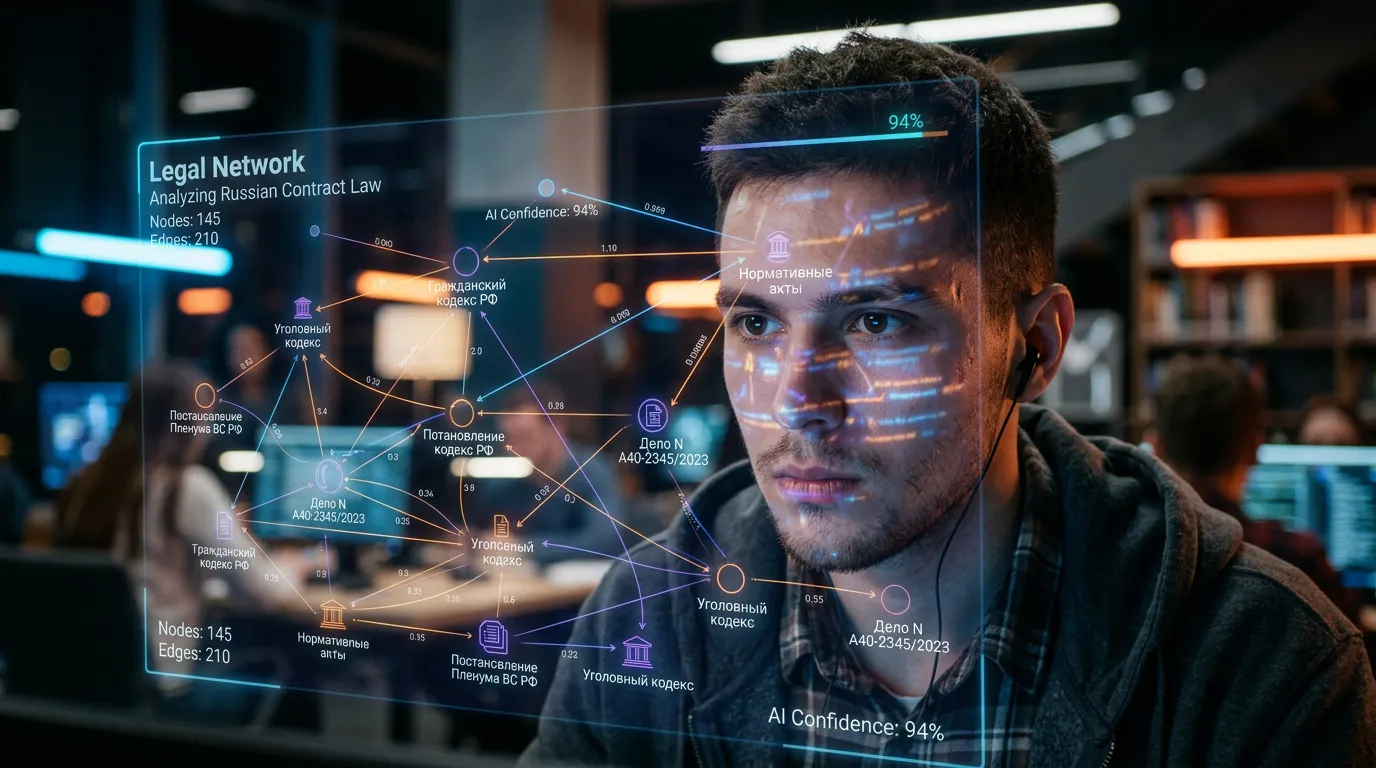
If the chemistry module proved flexible enough to work across two universities with different academic traditions, it suggests the “constructor” approach is scalable. TSU is now expanding this success across 14 faculties.
Looking more broadly, TSU is closely aligned with global trends. In 2023, UNESCO released its first guidance on the use of generative AI in education, emphasizing the need not only to provide access to tools but to develop ethical and pedagogically sound use cases. Universities such as Arizona State University have already begun integrating adapted versions of ChatGPT. TSU’s “constructor” responds to the same challenge: how to ensure students learn to use AI effectively without compromising the overall quality of education.
A Formula for Success
Can this model be adopted by other universities? Likely yes. TSU already has experience collaborating through the Big Data consortium and working with partners across regions. The model also has export potential in the form of methodological frameworks. Discipline-specific modules, such as those developed for chemistry, and the overall “constructor” architecture are already relevant for universities across the CIS seeking to accelerate AI literacy.
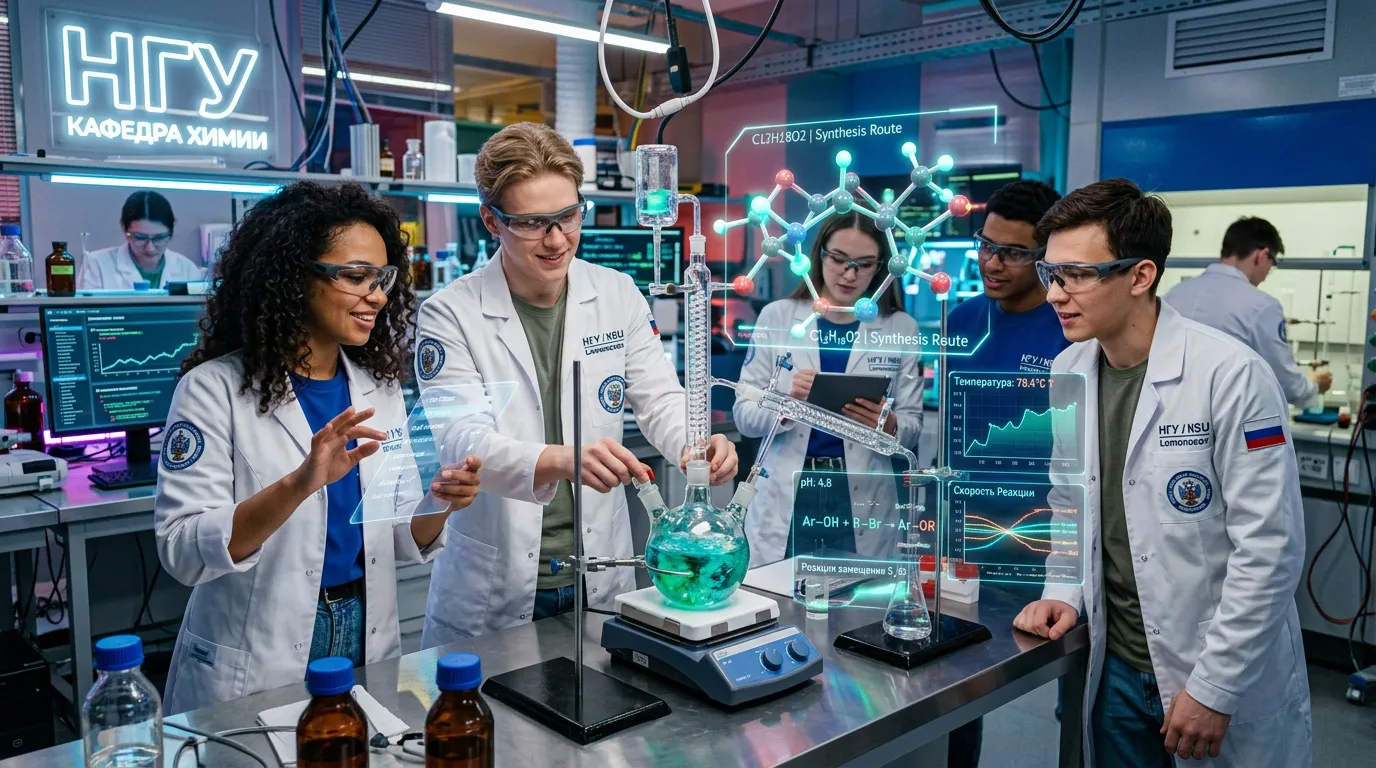
The first step has been taken. TSU is shaping a new formula: a successful graduate of the future is not only someone who knows how to work in their profession, but also how to work with AI.