Neural Networks in Primorye Aim to Protect People From a Stripy Predator
In Russia’s Far East, artificial intelligence is being deployed to detect endangered Amur tigers near human settlements - reducing risks for both people and wildlife.
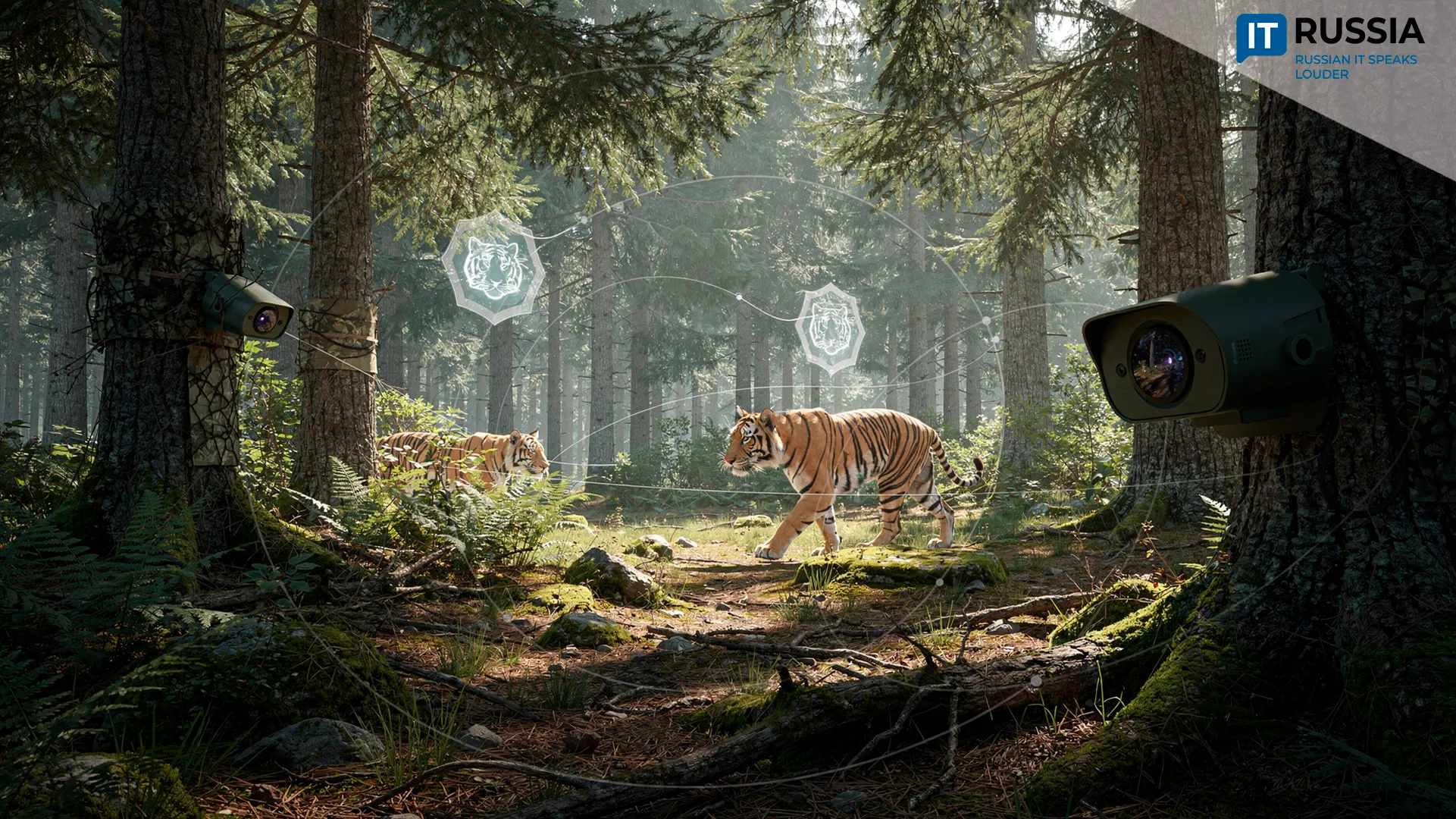
Authorities in Primorsky Krai plan to deploy a computer vision system to detect Amur tigers approaching populated areas. Artificial intelligence will analyze footage from street cameras, distinguishing a tiger’s silhouette from that of stray dogs or livestock, and alert emergency services in advance.
Thanks to years of conservation efforts, the Amur tiger population in Russia has grown to about 750 individuals, with more than 560 living in Primorye. However, tigers often leave the taiga and approach human settlements. Over the past 15 years, 20 attacks on people have been recorded, and each year more than 50 farm and domestic animals are killed by tigers.
Avoiding Conflict With Neighbors
The issue of “problem” tigers roaming near villages has become one of the region’s most pressing challenges. Authorities are now turning to digital technologies to address it.
The neural network analyzes video streams from cameras installed along settlement perimeters and sends alerts to hunting supervision authorities and emergency services when a predator is detected. Computer vision has already proven effective in public safety and urban management, and is now being applied to prevent conflicts between humans and nearby wildlife. In the future, the system may also notify residents directly, allowing them to keep livestock secured and avoid dangerous routes.
Everyone Has Their Own Habitat
Similar technologies are already being used in Russia’s conservation efforts. MegaFon has deployed an intelligent video monitoring system to track wild animals near settlements in the Far North. When predators move beyond their natural habitats, emergency services receive alerts.
There are also many examples of AI being used to protect animals themselves. Sber has developed a neural network that identifies snow leopards in camera trap images at Sailugem National Park. The system can recognize not only the species but individual animals based on unique patterns. Meanwhile, in Land of the Leopard National Park, some stationary camera traps have been moved online to monitor populations of leopards, tigers, bears, and smaller predators, while also helping to prevent poaching.
Roszapovedcenter of the Ministry of Natural Resources, together with the Yandex Cloud Center for Technologies for Society, has launched a digital repository to promote conservation work. A built-in neural network identifies animal species in images, making it easier to search for relevant photographs.

Safer Coexistence
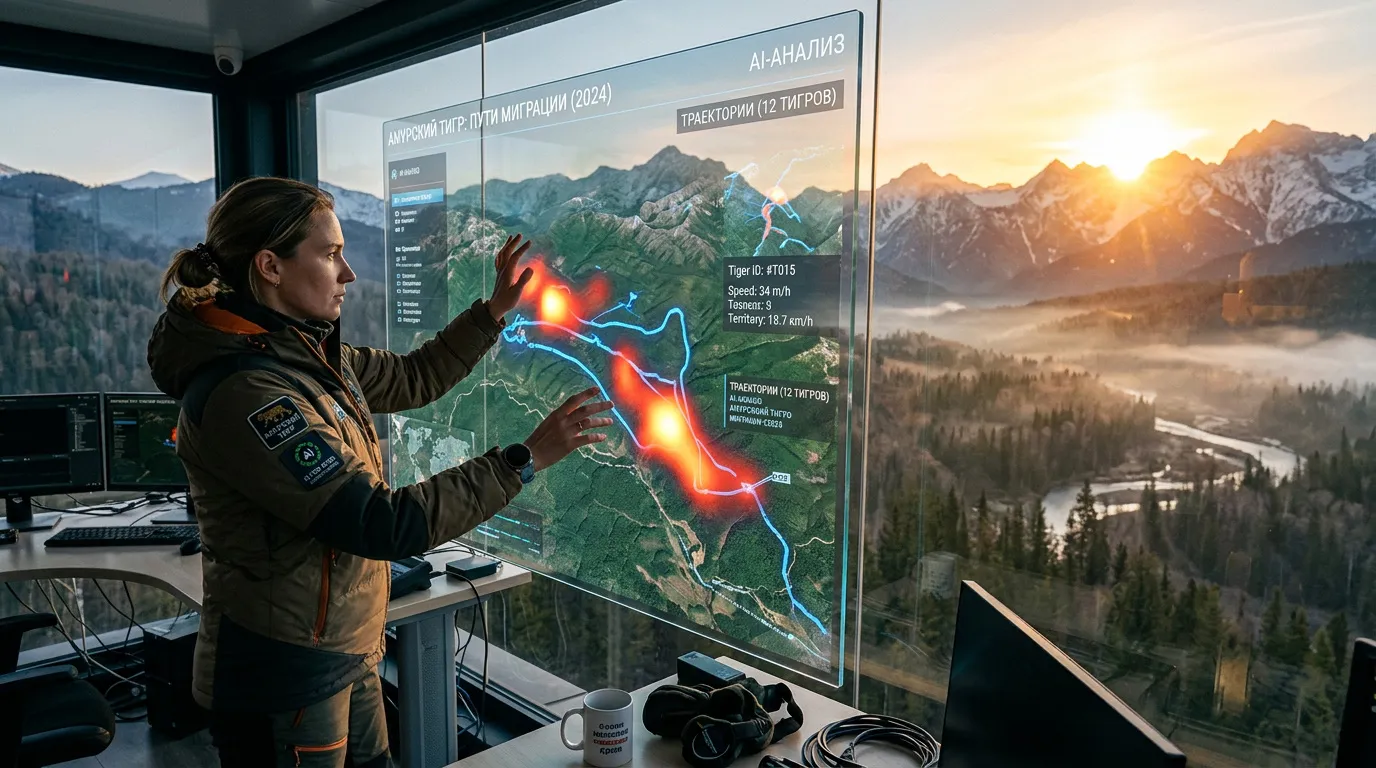
In 2025, specialists removed 13 “problem” Amur tigers from the wild in Primorye - animals that repeatedly approached settlements, showed aggression, or attacked livestock. Since the beginning of 2026, at least nine more tigers have been captured. Digital technologies are becoming a key tool in improving human safety. Going forward, the neural network will not only detect tiger sightings but also analyze movement patterns, seasonality, and behavior. This could make it possible to predict conflict situations before they occur.
At the same time, this Russian-developed solution could see strong demand in other regions where humans live alongside large wildlife. The system could be adapted not only across Russia - for example, to detect bears or wolves - but also in parts of Asia and Africa, where elephants, leopards, and other large animals often approach settlements.