Cyber Subsurface 2025
According to industry experts, Russian industry is now pursuing a deliberate and structured digital transformation built on domestic solutions. What began as a reactive response to external pressure has evolved into the formation of a long-term strategic trajectory.
A Garden of Digital Ecosystems
A key driver behind this shift is the growing recognition among businesses of the need to ensure technological resilience and operational sovereignty. Regulatory pressure has also played a role, reinforcing this direction.
By the end of 2024, the results of industrial digitalisation were tangible, with significant progress in import substitution. The process received state support and targeted financing in areas related to Russian IT products. Across sectors, the share of domestic IT solutions increased markedly, ranging from 20% to 60% depending on the industry and application.
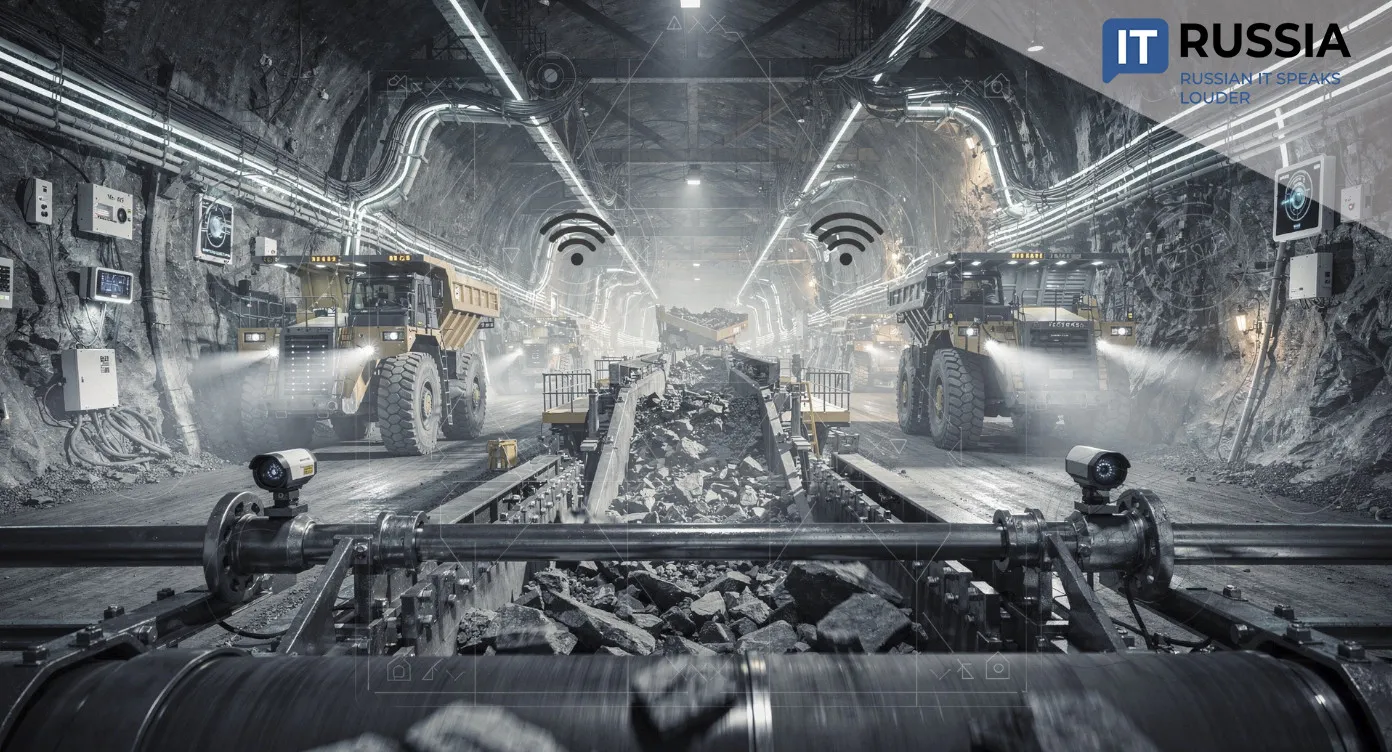
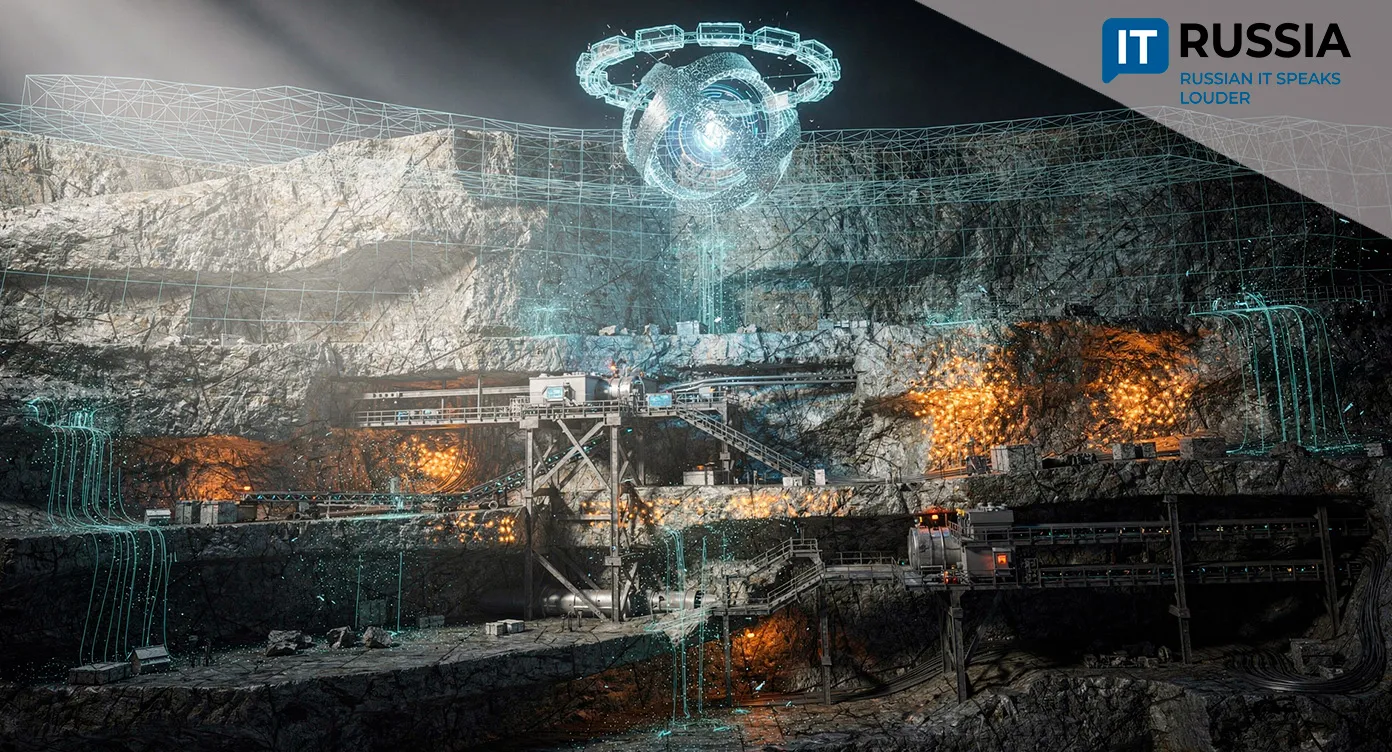
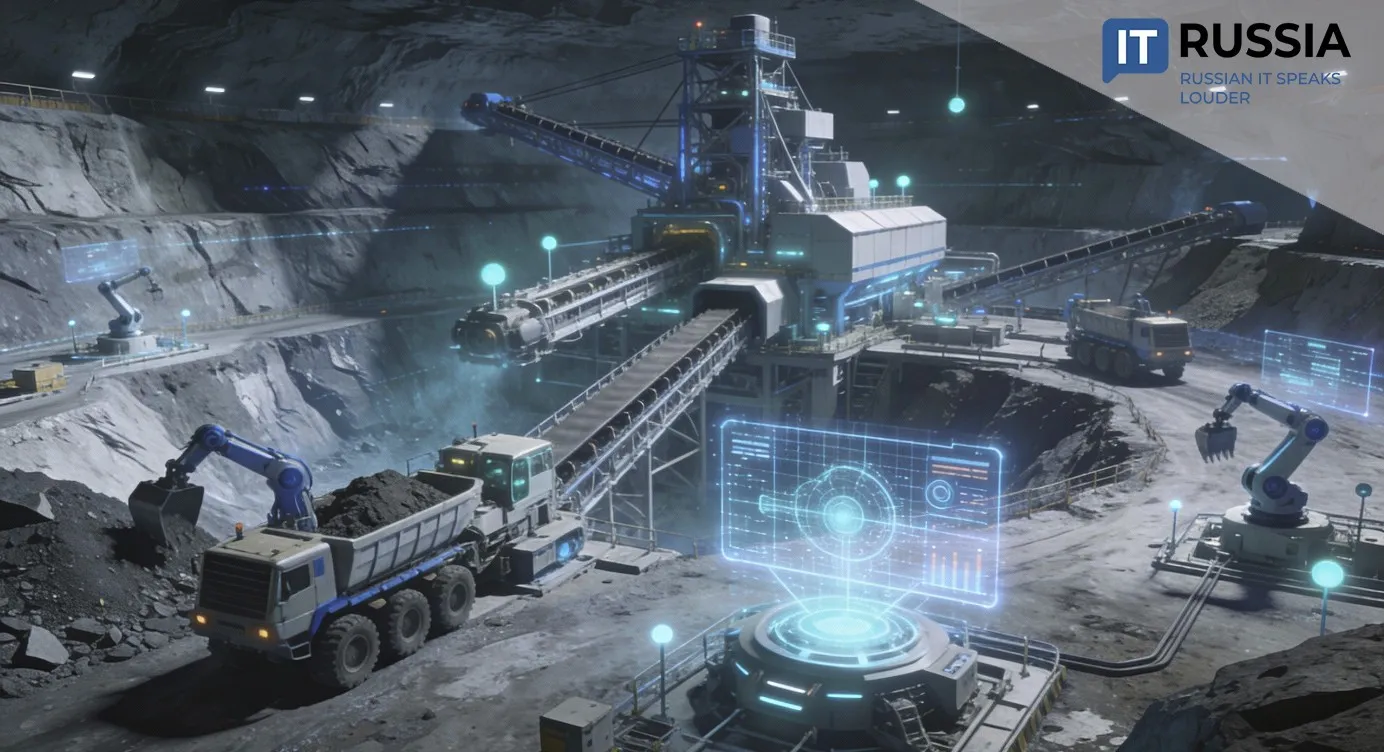
The mining sector is traditionally one of the most capital-intensive and technologically complex industries. Isolated point solutions are insufficient here. What is required is a comprehensive strategic approach that spans the entire production chain. Major Russian industrial groups, including Norilsk Nickel, Metalloinvest and ALROSA, are actively implementing digital strategies aimed at creating “smart mines” and transitioning to the “digital mine” model.
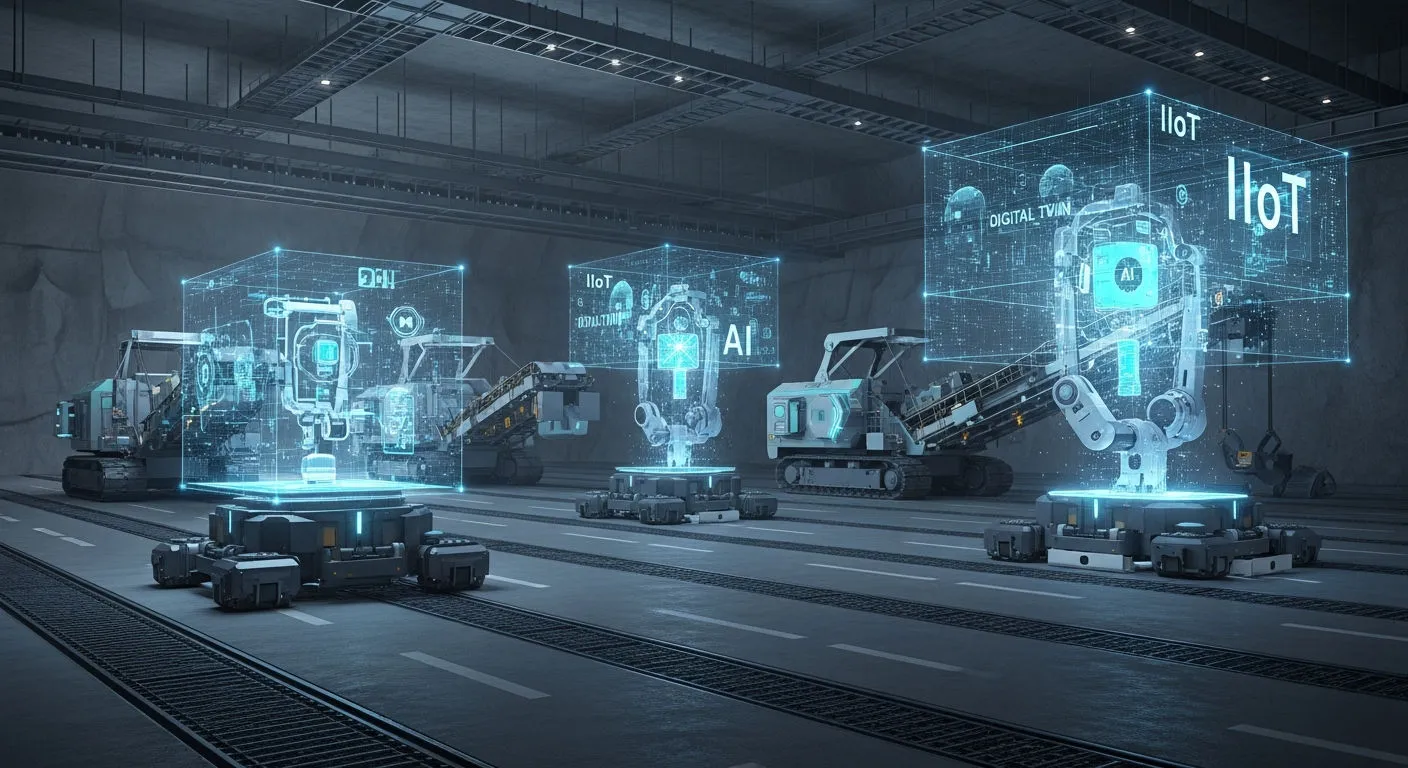
Key trends include the deployment of industrial IoT and cloud platforms, the use of big data and predictive analytics, and the integration of artificial intelligence and machine learning into production processes. However, full-scale implementation is often constrained by a shortage of skilled personnel, weak telecommunications infrastructure in remote regions, and the high cost of modernisation.
Switching to Domestic Solutions
Legislative initiatives had a major impact on the market in 2024. The government mandated the transition of key industries to domestic software, making pilot projects a common feature across the industrial landscape. Analysts view the transition and adaptation to Russian solutions as a positive development. More importantly, companies have begun to rely on their own technological foundations, complementing them with best practices drawn from foreign analogues. This approach lays the groundwork for the creation of mature, competitive solutions.


State support for the mining industry in 2025 has become a powerful driver of modernisation and technological development. The most in-demand tool is concessional lending provided by the Industrial Development Fund, offering loans at 3–5% per annum for import substitution, digitalisation and new technology projects. Loan amounts can reach up to 1 billion rubles (approximately $12 million), with terms of up to five years. To qualify, companies must demonstrate that at least 50% of revenue from the new product will be generated from the second year onward. In 2024–2025, the fund announced investments in 283 new initiatives, with the total volume of concessional financing exceeding tens of billions of rubles.

Significant subsidies are also allocated to reimburse part of the costs associated with equipment purchases and energy-efficient technologies under modernisation programmes. The state compensates a portion of expenses related to acquiring new production equipment and upgrading existing assets. In some regions, compensation can cover up to 50% of equipment costs. These subsidies are designed to boost productivity, reduce unit costs and accelerate the adoption of advanced technologies.
Investing in Digitalisation
The impact of digitalisation on efficiency gains, cost reduction and improved environmental safety has been repeatedly demonstrated, and dedicated support mechanisms are in place in Russia to advance this area.
The Ministry of Industry and Trade, for example, reimburses part of the costs associated with developing and deploying domestic software for production management, as well as automated and digital solutions, in support of the import substitution agenda. Russia also operates a full-scale national programme, “Digital Economy of the Russian Federation.” In addition, sector-specific initiatives from the ministry provide enterprises with tools to implement automated systems, unmanned equipment and analytical platforms for monitoring extraction processes. In recent years, particular emphasis has been placed on digital twins of deposits, robotic drilling rigs and remote monitoring systems, all of which significantly enhance production efficiency and safety.

A priority objective for the ministry is the digitalisation of geological exploration and transport logistics. These stages of the extraction chain offer the greatest potential for cost reduction. Industry players can access preferential financing for software implementation, subsidies for the purchase of domestic equipment and participation in pilot digital platforms.