Dialogue-Based AI Assistant from Gazprom Neft
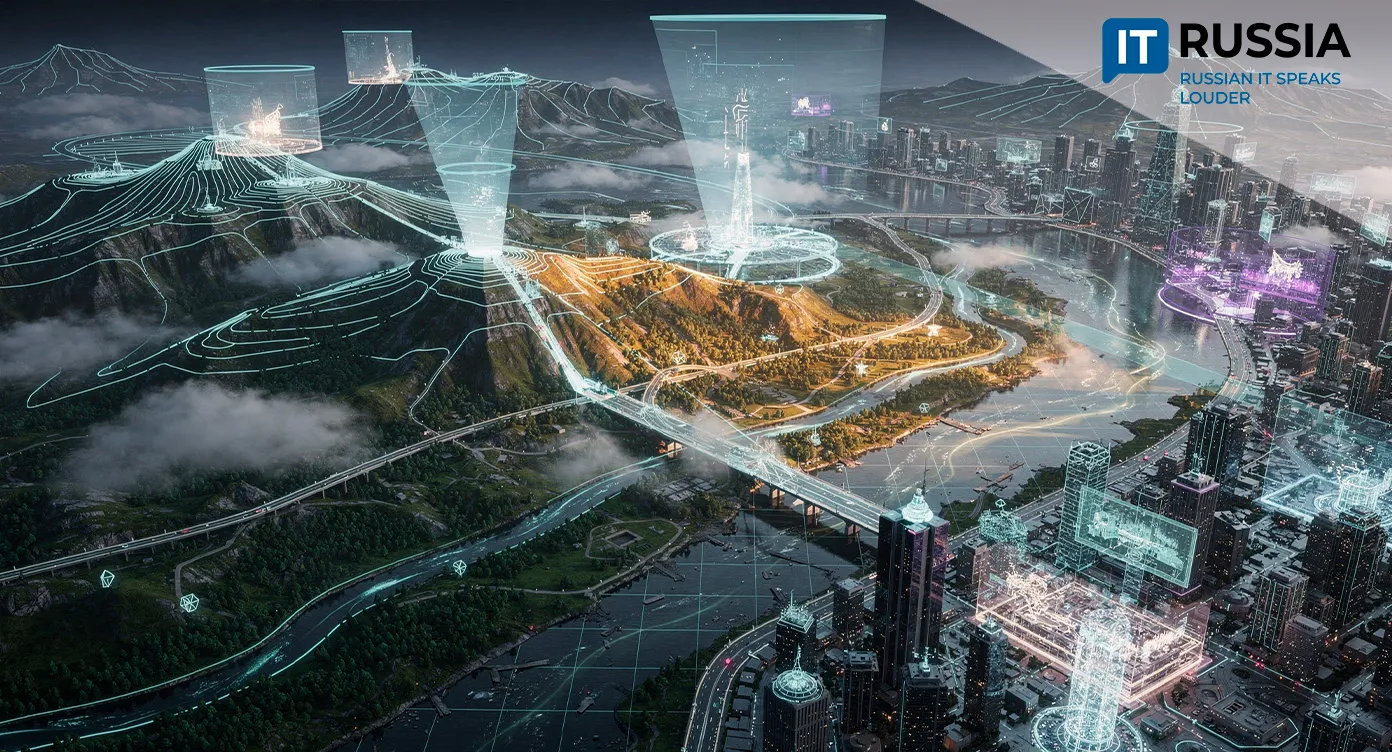
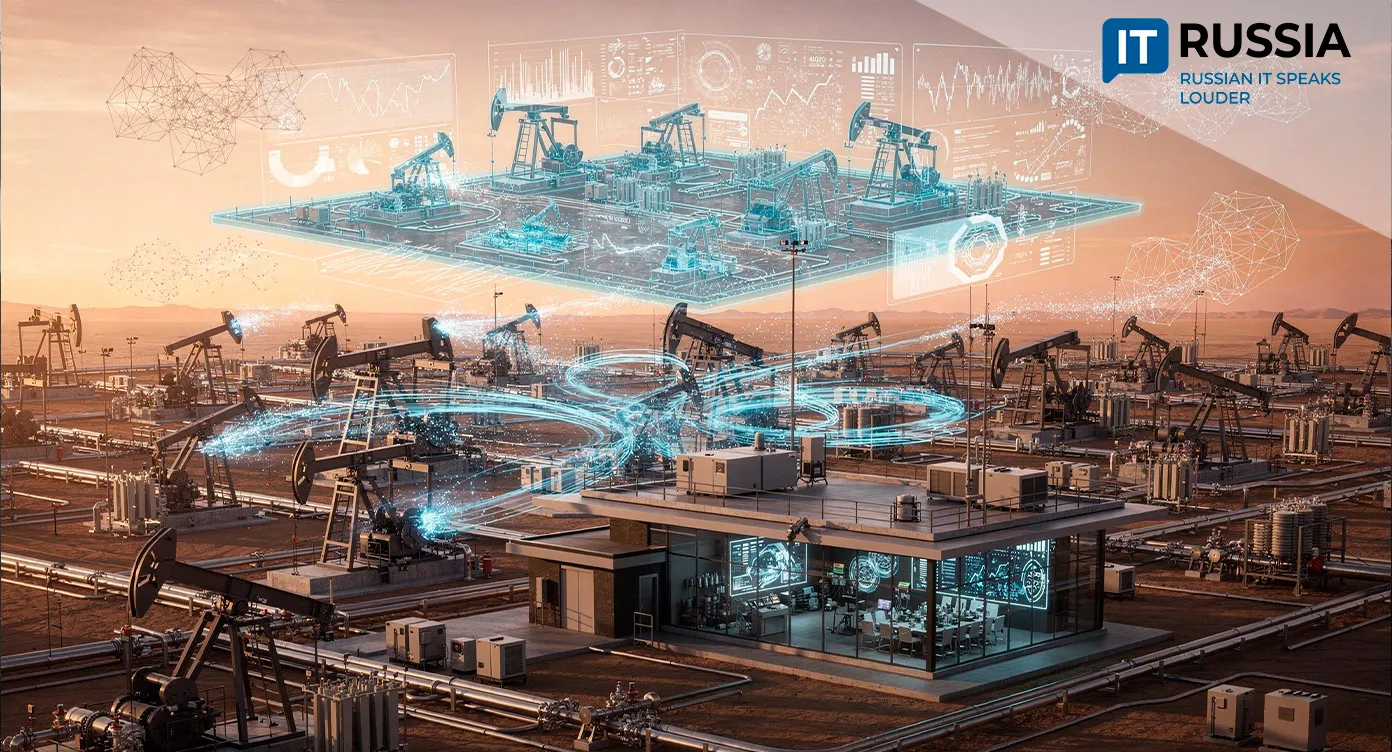
Gazprom Neft is developing an AI assistant for oilfield management that will combine information from more than 200 databases and digital models covering reservoirs, wells, pipelines, and production equipment.
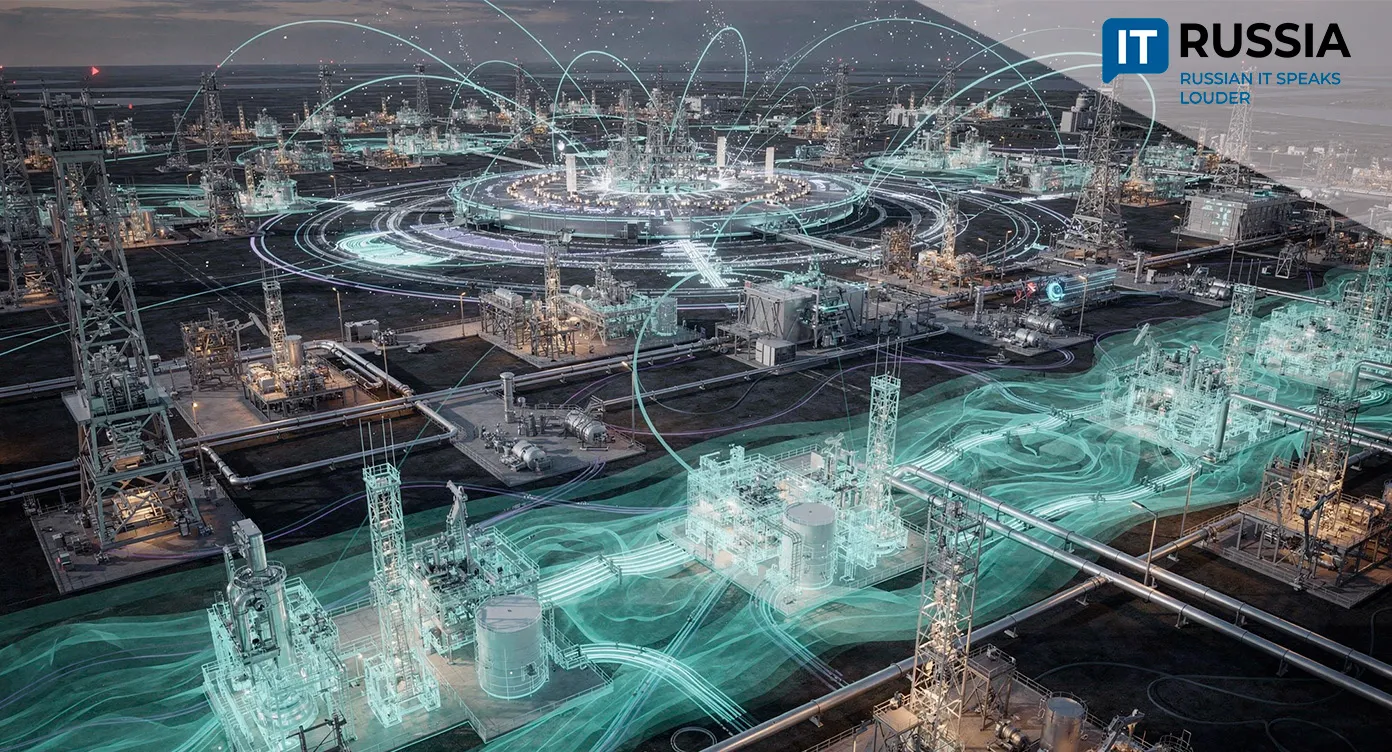
Engineers will be able to obtain results simply by describing a task in a natural-language chat interface. For example, a user can request, "Optimize pump operating modes based on projected reservoir pressure," and the system determines which of more than 200 corporate databases and digital models – including digital twins of reservoirs, wells, pipelines, and equipment – should be accessed, which calculations should be performed, and which development scenarios should be compared before presenting engineering recommendations.
Previously, engineers had to collect data manually from multiple systems and run separate calculations. The AI assistant now performs that work automatically. The prototype already supports dozens of standard workflows, ranging from field development planning to drilling optimization and equipment performance management. In practice, it provides a unified intelligent interface for working with the oil company's previously disconnected industrial models and information systems.
Engineering Challenges Behind the Platform
Bringing together information from more than 200 sources involved far more than creating a single repository. Considerable engineering effort was required to maintain data consistency, synchronize information in real time, and resolve discrepancies between different digital models.
The platform's core technological foundation is a network of digital twins representing reservoirs, wells, and production infrastructure. Part of the solution, including the AI agent responsible for drilling design, is built on reinforcement learning. Rather than following predefined step-by-step instructions, the software searches independently for optimal strategies by simulating scenarios, evaluating outcomes and errors, refining parameters, and identifying engineering solutions that might otherwise be overlooked.
During drilling design, the algorithm evaluates billions of possible combinations, and changes in pressure or production rates in one well directly affect neighboring sections of the reservoir. To account for those interactions, the developers had to combine machine learning with the governing principles of reservoir physics and fluid dynamics.
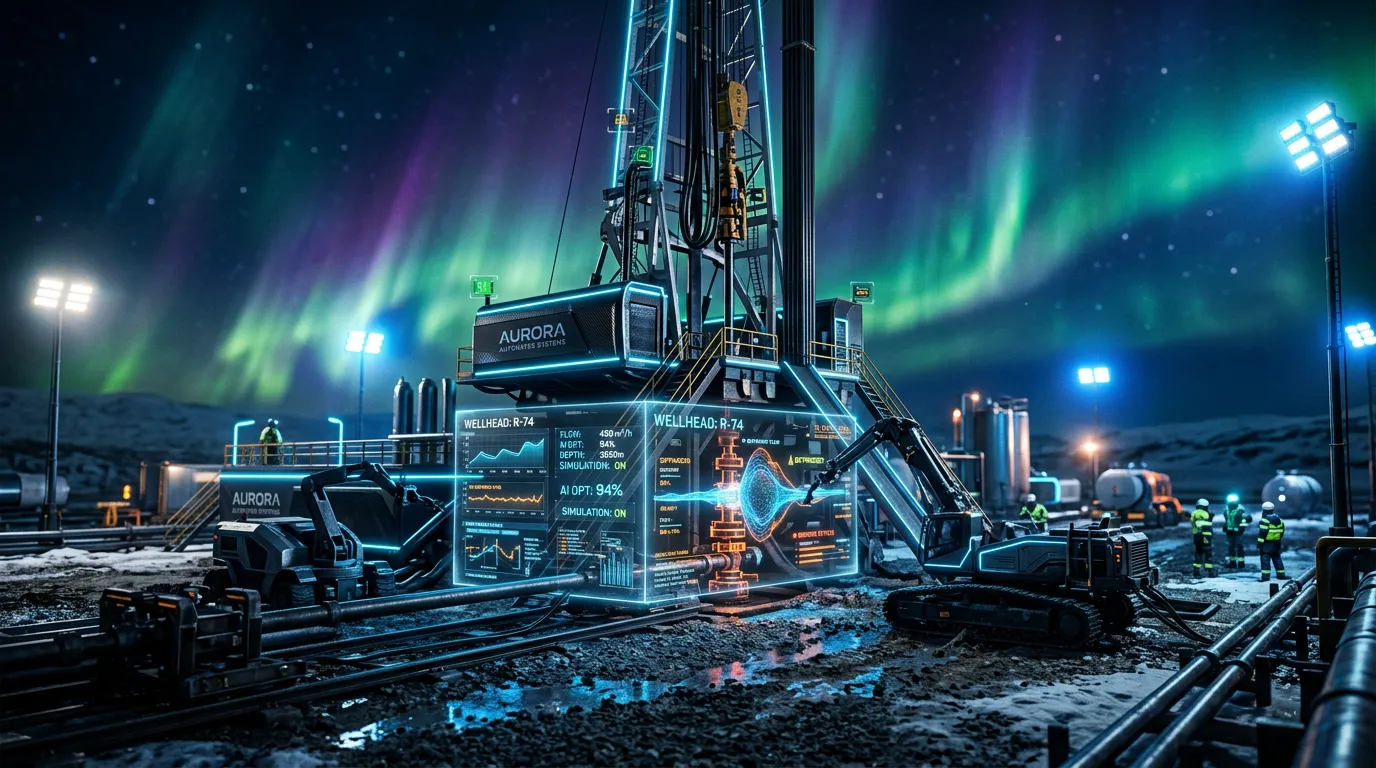
A dedicated AI agent for drilling design has already been tested at three fields in the Khanty-Mansi and Yamalo-Nenets autonomous districts. The system can evaluate thousands of well placement and well design options within an hour, a task that would require a team of engineers at least a week to complete. According to the test results, the AI-generated solutions delivered higher accuracy and better performance than conventional engineering approaches.

When Easy Oil Is No Longer Available
Today, every upstream company is developing increasingly complex and hard-to-recover reserves. Under those conditions, design errors become significantly more costly, while rapid engineering decisions are essential. That is why this technology is expected to attract considerable attention across the industry.
Gazprom Neft has repeatedly outlined its long-term strategy of building a digital oil company, where key production decisions are based on comprehensive analysis of big data and digital asset models. Over time, the new assistant could become part of a broader digital oilfield ecosystem by integrating with geomechanical modeling, drilling operations centers, and production support systems.
In the near term, the platform could evolve into a unified digital workspace for engineers, providing access to geological modeling, drilling planning, production analysis, and surface infrastructure management through a single interface. The greatest operational value is expected at mature and technologically complex fields, where operating conditions across large numbers of wells must be reviewed and optimized on a regular basis.
The foundations of this approach date back to 2021, when Gazprom Neft created a digital twin of the A. Zhagrin field in Khanty-Mansi Autonomous Area – Yugra. The unified model combined data covering production, transportation, oil treatment, and reservoir pressure maintenance. That project marked one step in the transition from standalone digital models to integrated oilfield management. During the same period, an integrated digital model was deployed at the Vostochno-Messoyakhskoye field, incorporating digital twins for more than 500 wells and hundreds of kilometers of pipelines. The system generated optimized production scenarios covering periods from one day to one year with accuracy exceeding 97%.
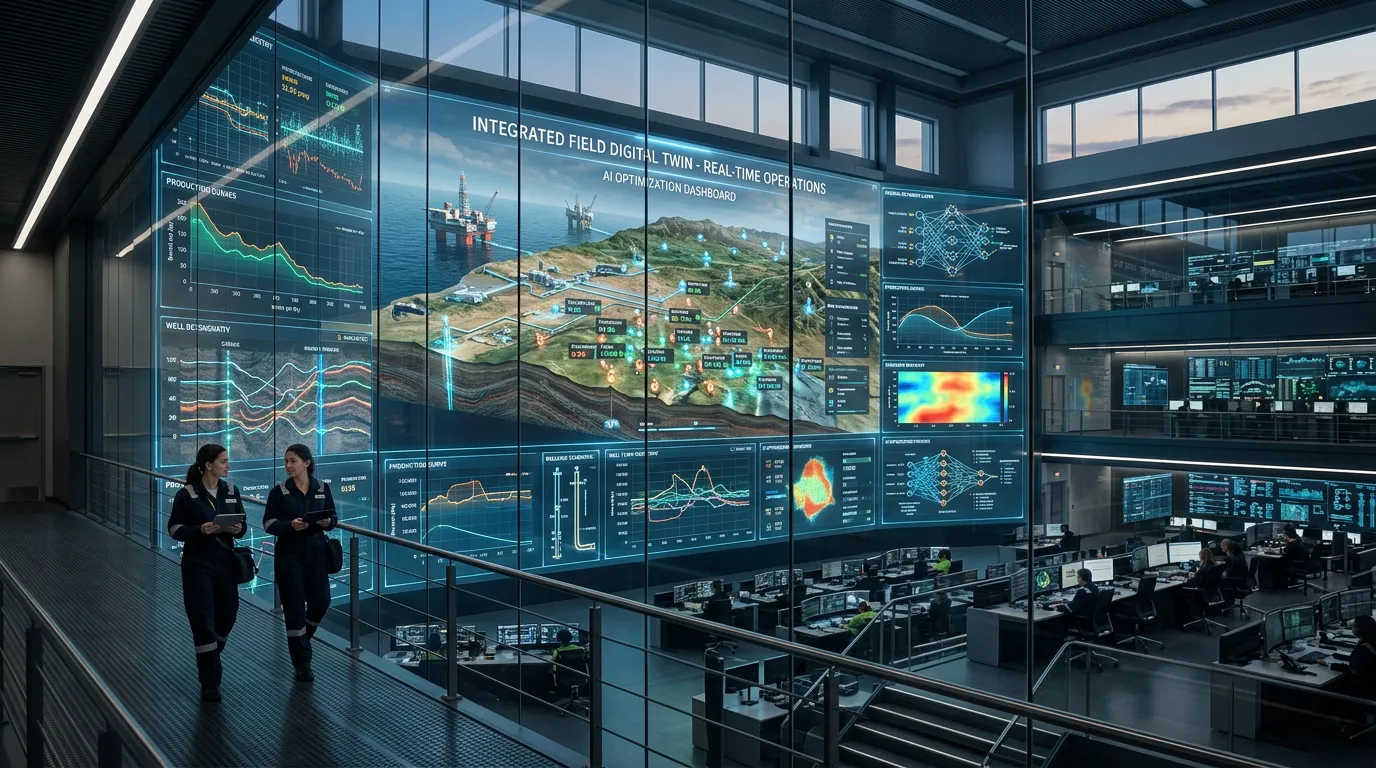
The new AI assistant builds on technologies that Russian oil companies have introduced over the past five years. Rather than modeling an individual asset, it brings together numerous digital twins and provides engineers with conversational access through a single interface. If deployed successfully, the platform could become the foundation for a new class of Russian industrial AI agents designed to manage complex production assets.