Digital Heart Registry Uses AI to Improve Post-Heart Attack Care in Russia
Russia has launched a new AI-powered program designed to improve the treatment of cardiovascular disease. A digital registry has already brought together records from more than 13,000 patients who have experienced a heart attack, with Tula Region serving as the pilot site.
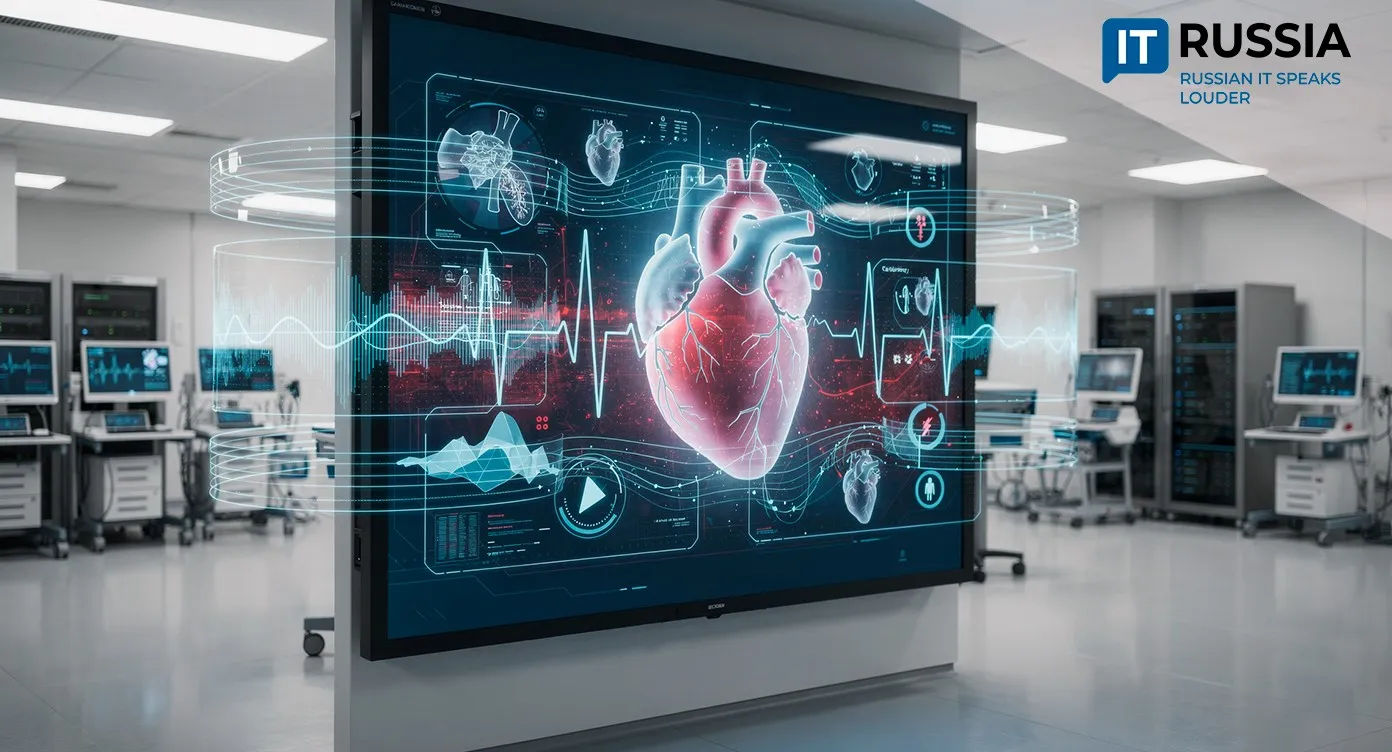
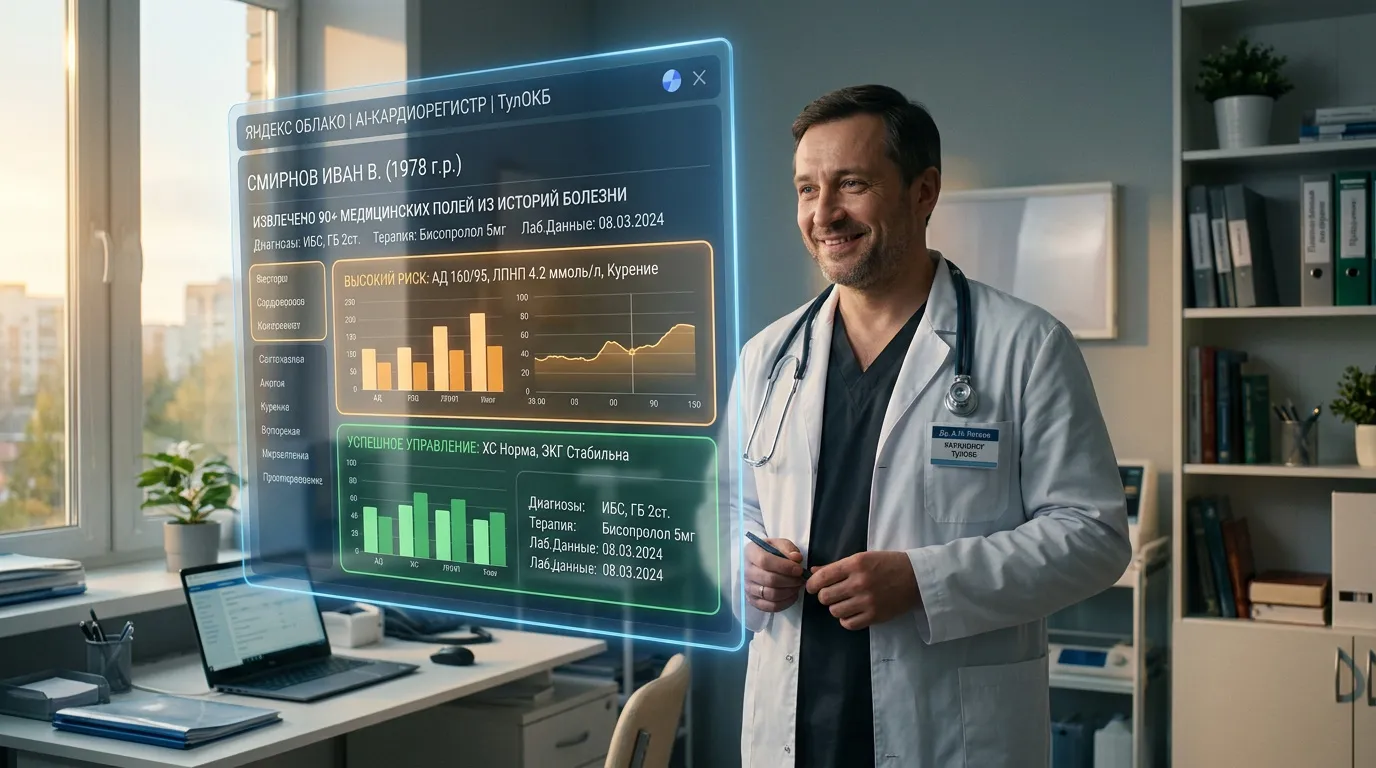
A digital registry for patients with acute coronary syndrome has gone live in Tula Region. The platform was developed by the Chazov National Medical Research Center of Cardiology in partnership with Yandex.
The AI-powered system has been collecting data since 2021 and continues to update the registry in real time. Information flows into the platform from every medical facility in the region that treats heart attack patients. Physicians record each patient's age, sex, district of residence, and coexisting medical conditions. The registry consolidates these previously fragmented records into a single database, allowing clinicians to analyze individual cases and identify patterns across the patient population. Most importantly, the system helps identify patients at high risk of experiencing another cardiovascular event, allowing physicians to determine who needs the closest follow-up.
13,000 Patient Records in One Registry
At present, the registry captures information only from a patient's initial hospitalization following a heart attack. Routine follow-up visits with cardiologists are not yet included, although that capability is planned for the next phase. Even in its current form, however, the AI assistant significantly changes clinical workflows. Instead of manually reviewing thousands of patient records, physicians receive ready-to-use analytics that quickly identify patients at elevated risk.
About 300,000 residents of Tula Region are currently under long-term cardiology follow-up. More than 21,000 are living with chronic heart failure, while approximately 13,000 have survived a heart attack. These conditions carry a high risk of mortality, and only timely identification together with appropriately selected therapy can slow disease progression and save lives. The digital registry was created to support exactly that objective.

Why It Matters
Cardiovascular disease remains one of the leading causes of death worldwide. According to Russia's Ministry of Health, tens of thousands of people experience myocardial infarction each year, many of them suffering recurrent events. Heart attacks are not confined to older adults; they also affect younger working-age patients. The earlier physicians identify individual risk factors, the greater the opportunity to prevent another life-threatening event.
Tula Region has established a sustained decline in mortality from circulatory diseases, and AI-enabled digital tools have become an important contributor to that progress.
Part of a Broader Trend
Tula Region has repeatedly ranked among Russia's leaders in adopting artificial intelligence for healthcare. In 2024, the region won the national Leaders of Artificial Intelligence award in the Regional Awards category. At the time, the MedicBK clinical decision support system was being used for proactive monitoring of cardiovascular patients.
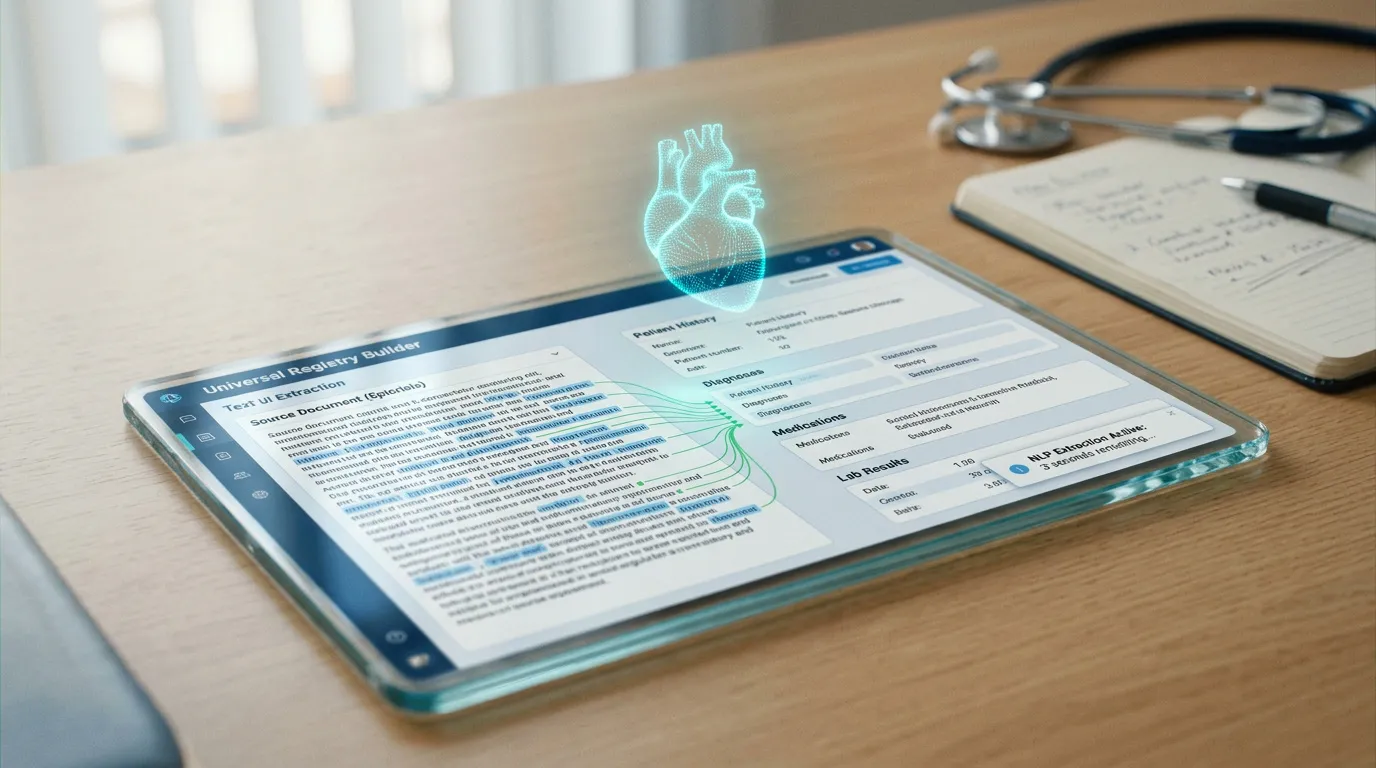
The digital registry represents the next stage of that effort. Unlike many earlier AI deployments that focused primarily on medical imaging, the Tula registry analyzes large volumes of clinical documents and historical patient data collected over several years.
The next step is to establish similar registries across other regions of Russia's Central Federal District and adapt the platform for oncology. Within Tula Region itself, developers also plan to incorporate routine follow-up examination data, making the registry even more accurate and clinically valuable.
What It Means for Patients
For people who have survived a heart attack, the greatest danger is another one. The risk of recurrence during the following years remains high. The digital registry helps physicians avoid losing track of these patients, even if they miss scheduled appointments. The system automatically flags individuals who require treatment adjustments, additional diagnostic testing, or hospitalization.
Patients in the region also receive medication coverage and regular consultations with specialists. Those requiring urgent procedures are referred to regional cardiovascular centers. The registry enables cardiologists to target those interventions more effectively.
What It Means for Russia
The Tula model can be expanded to other regions and to medical specialties beyond cardiology. Because the technology analyzes electronic health records, it is well suited to any chronic disease that depends on continuity of care and long-term follow-up. Oncology, diabetes, and chronic lung disease are all potential applications where patients remain under medical supervision for many years.
Developed by the Chazov National Medical Research Center of Cardiology, the Russian platform matches comparable Western systems in capability and may offer greater flexibility when adapting to regional healthcare environments.