Steel Melted by Algorithms
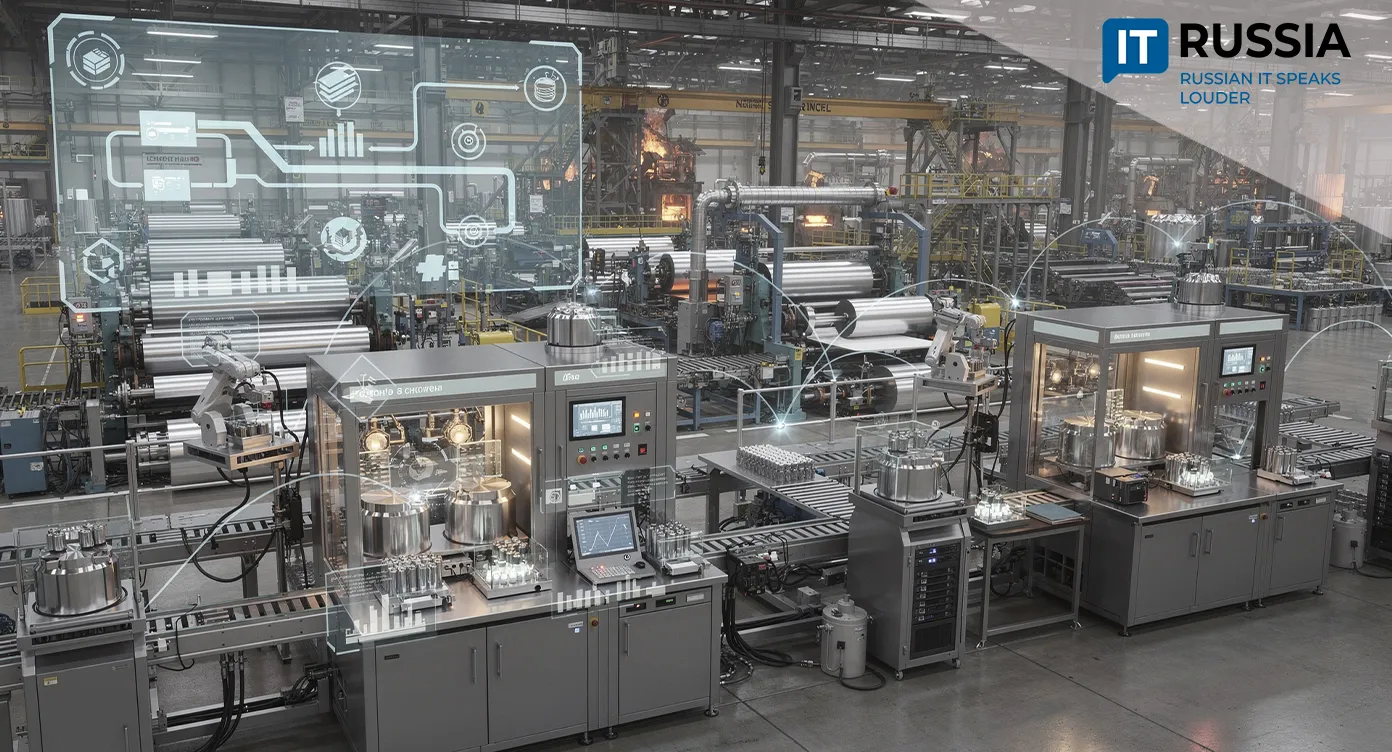
AI is taking charge of steelmaking, as digital twins and intelligent assistants reshape how metallurgists run production.
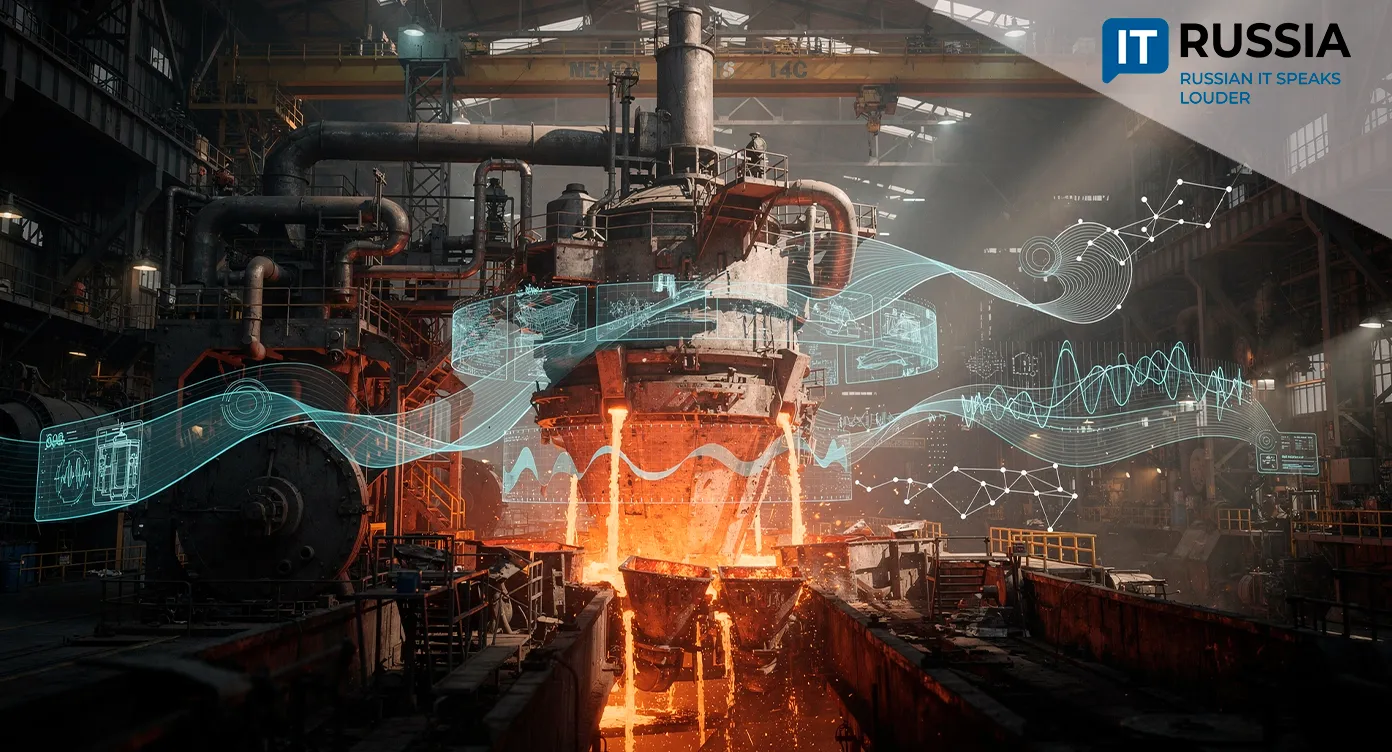
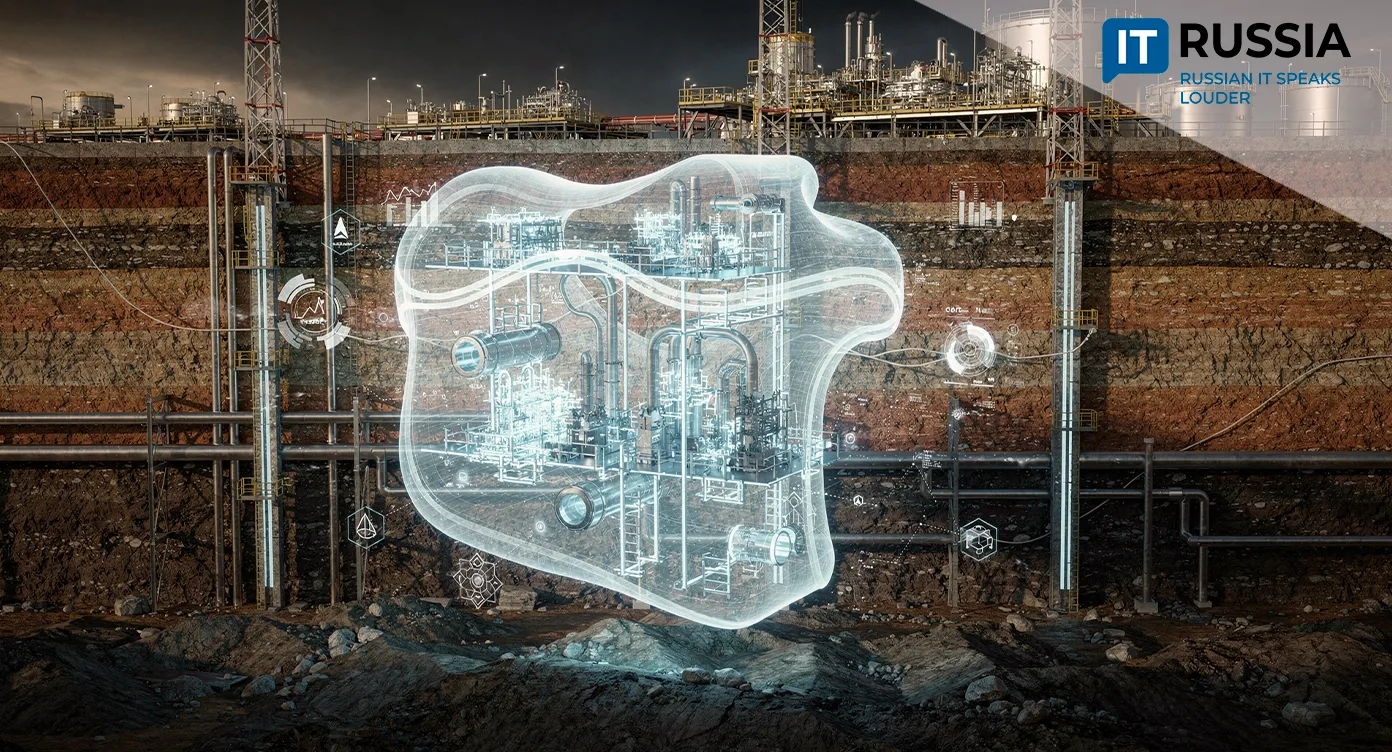
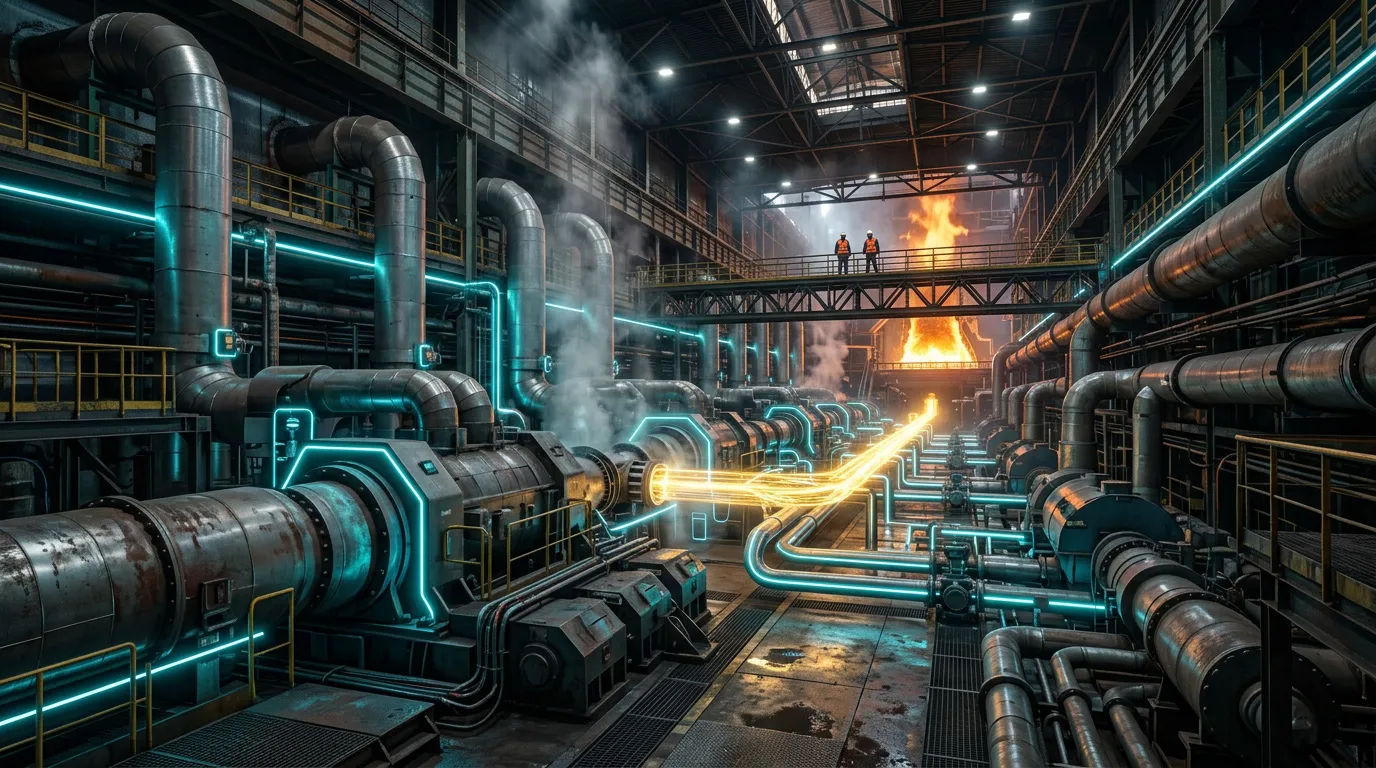
At EVRAZ ZSMK, the West Siberian Metallurgical Plant, engineers have deployed a digital assistant at the steam-and-air blower station. The system captures surplus compressed air generated during production and redirects it into the blast furnace air supply instead of allowing it to go to waste.
100 Million Rubles From Thin Air
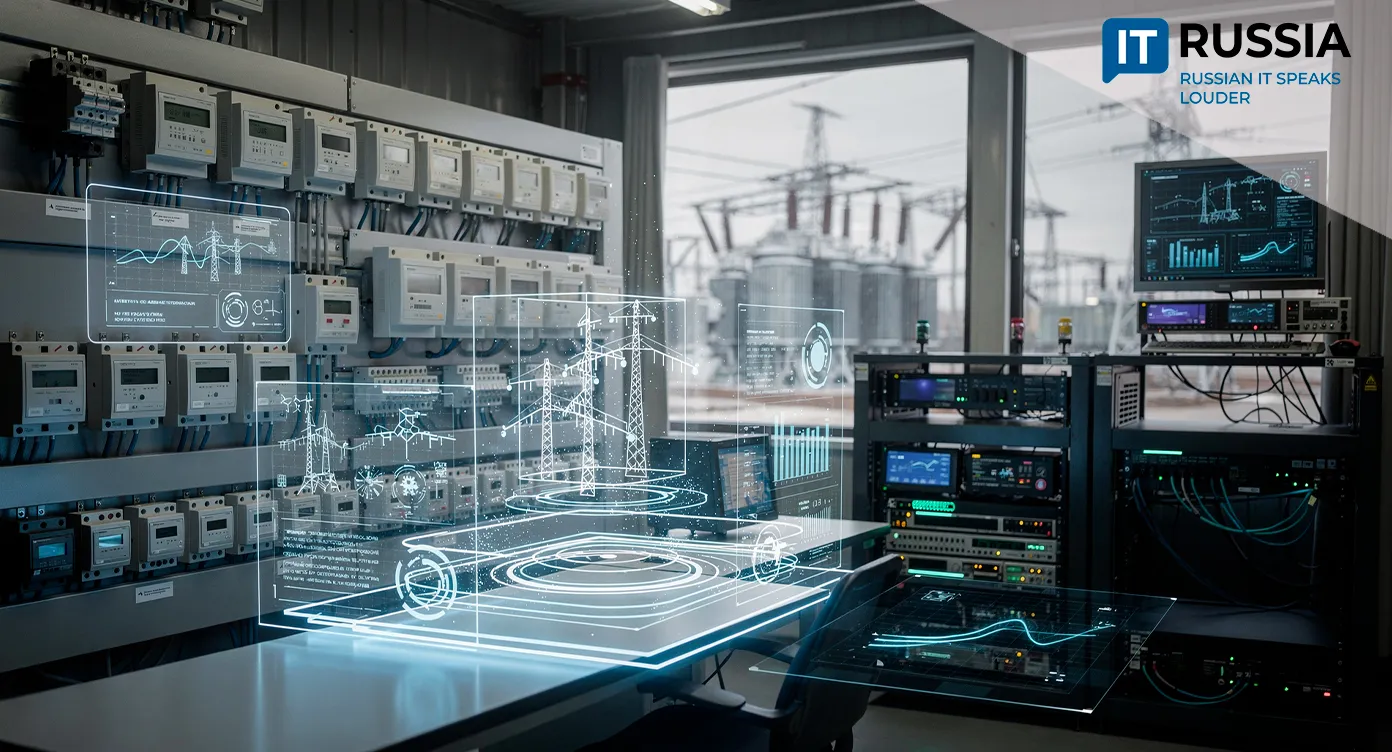
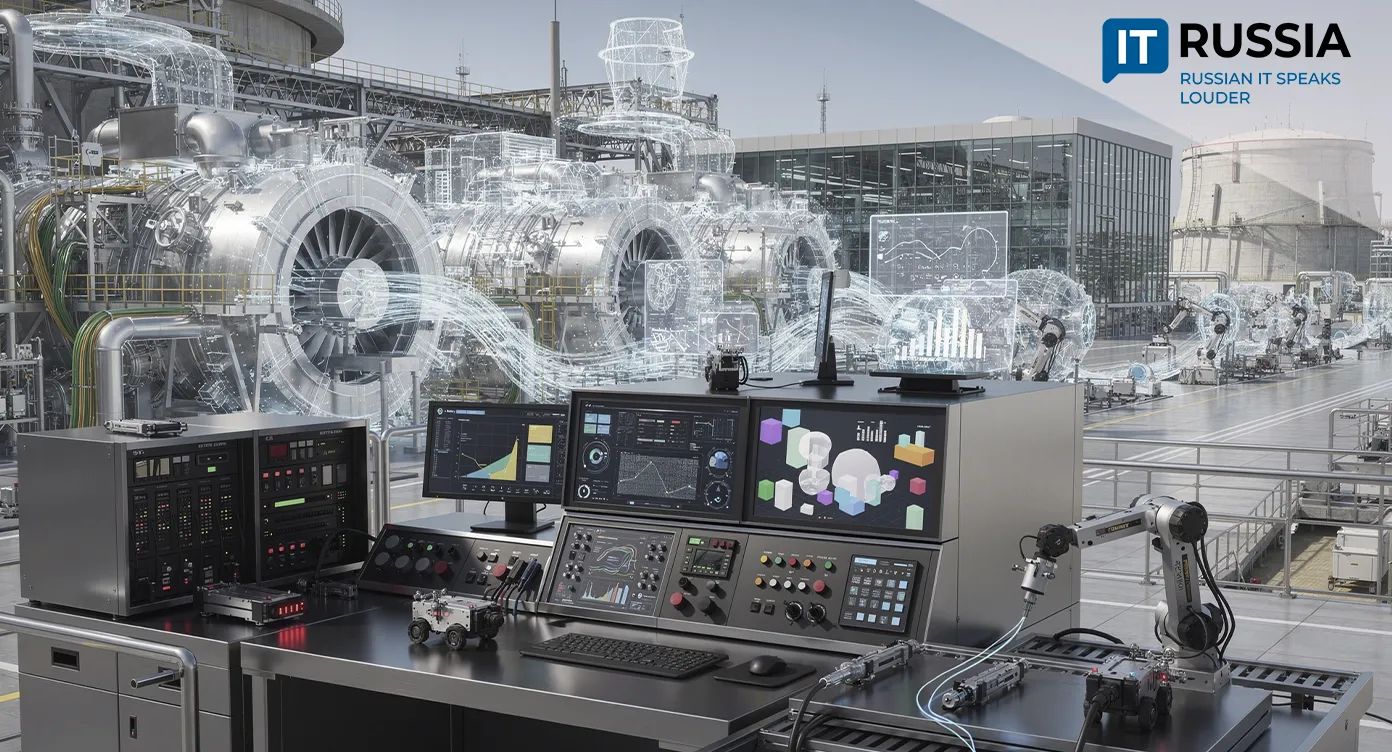
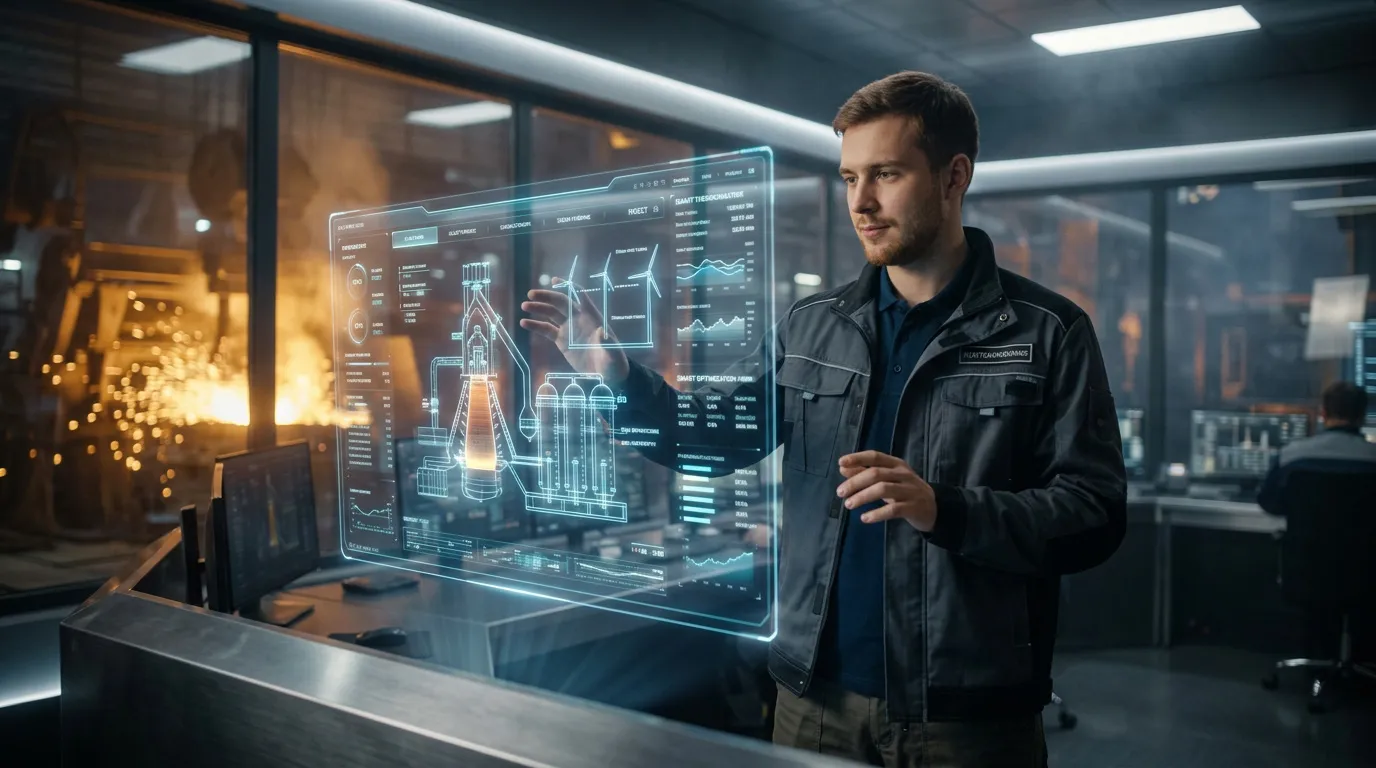
An Intellektualnaya sistema podderzhki resheniy (Intelligent Decision Support System) developed by EVRAZTekhnika IS engineers continuously analyzes data from dozens of industrial sensors, displays key operating metrics on a digital process diagram, evaluates equipment parameters, and provides operators with recommendations for adjusting the process in real time.
By reducing unavoidable compressed-air losses, cutting fuel consumption, and increasing automation at the facility, the system is expected to save about 100 million rubles (approximately US$1.4 million) annually. The rollout also delivers environmental benefits. Previously, excess compressed air had to be vented into the atmosphere to prevent equipment instability. It is now integrated into the production cycle and used in pig iron manufacturing.
Algorithms Replace Manual Control
EVRAZ has been in an active phase of digital transformation for about five years. During that time, it has completed roughly 600 production projects, generating a direct economic impact worth hundreds of millions of dollars. One example is a digital advisor introduced in 2022 at the oxygen shop of the oxygen-and-gas production facility at EVRAZ NTMK. The system analyzes compressor operating data and issues loading recommendations to operators every three hours. That helps balance workloads, reduce energy consumption, and improve maintenance forecasting. Meanwhile, the software continuously retrains itself by incorporating new operating data, steadily improving its performance.
In January 2026, EVRAZ ZSMK successfully deployed the Model upravleniya vozdukhonagrevatelyami domennykh pechey No. 1 i No. 3 (Blast Furnace No. 1 and No. 3 Hot-Blast Stove Control Model). Previously, operators manually adjusted fuel delivery. The algorithms now calculate the optimal gas-to-air ratio automatically. The project delivers annual savings of 78 million rubles (approximately US$1.1 million).
In May, EVRAZ ZSMK introduced another digital advisor to optimize powdered wire consumption during steelmaking in the ladle furnace unit at its converter shop. Steelmakers scan a QR code on each wire coil, and the system calculates the precise consumption rate based on roughly a dozen production parameters. Company engineers estimate that material consumption could fall by about 10%, while the project is expected to generate 23 million rubles (approximately US$320,000) in annual savings.
Building on these initiatives, EVRAZ has identified four strategic priorities for its next phase of digital development: creating closed-loop production control without direct human intervention, improving workplace safety and productivity, expanding end-to-end production processes, and deploying large language models together with Physical AI directly on the shop floor rather than limiting them to office applications.
AI, MES, and Homegrown Software
EVRAZ is not alone in pursuing this digital strategy. Other Russian steelmakers are also investing heavily in intelligent algorithms and domestically developed software, achieving comparable economic results. NLMK Group, for example, is actively digitizing steel production by developing its own MES platform. In 2024, the system was expanded to cover the steelmaking shop, managing operations from molten iron intake through slab shipment and downstream processing. More than 1,000 employees use a web interface to monitor 100 production parameters, manage 85 heats across 30 production units every day, and analyze 50 performance indicators. A mathematical model calculates the optimal scrap mix needed to achieve target steel properties, while RFID technology and machine vision monitor raw materials. The launch of MES in the hot rolling mill completed end-to-end automation spanning the entire production chain, from the mine to finished coil, bringing the product lifecycle together on a single digital platform.
Magnitogorsk Iron and Steel Works (MMK) has implemented more than 100 digital projects over the past five years, generating a cumulative economic impact of roughly 7 billion rubles (approximately US$97 million). The company's Optimalny chugun (Optimal Pig Iron) and Optimizatsionnoye planirovaniye (Optimization Planning) systems have delivered the strongest returns. Artificial intelligence is now used in half of MMK's completed digital projects, reflecting a broader global trend in which AI is becoming the primary engine of industrial digital transformation. To accelerate development, MMK consolidated all of its advanced technology teams into a unified AI center that is actively creating locally developed software to replace foreign products. Product quality remains another major priority. The company is currently implementing the Tsifrovoy analiz kachestva (Digital Quality Analysis) project and plans to launch a unified online platform by 2028 that will eliminate the human factor from metal inspection and certification.
Metallurgy 2030
These large-scale initiatives are not isolated successes but part of a coordinated transformation across Russia's steel industry. Producers have demonstrated that digital technologies deliver measurable value and are preparing to scale them across more facilities. Analysts expect the IT market serving the metals and mining industries to expand by about 10% annually. Among the key technology trends are neural networks, machine learning, digital twins, and robotics. At the same time, the industry is moving away from isolated digital tools toward integrated enterprise platforms that combine MES, ERP, and quality management into a single environment capable of managing the entire production cycle. According to industry experts, the largest wave of import substitution in Russian metallurgy still lies ahead.