Digital Tools at Home: An Online Meter Verification Service Takes Off in Moscow
In 2025, digital services in Russia’s housing and utilities sector posted record growth in the capital. One standout example was the “Water Meter Verification” service on the mos.ru city portal: Moscow residents submitted more than 186,000 applications through the platform, almost 90% more than the previous year.
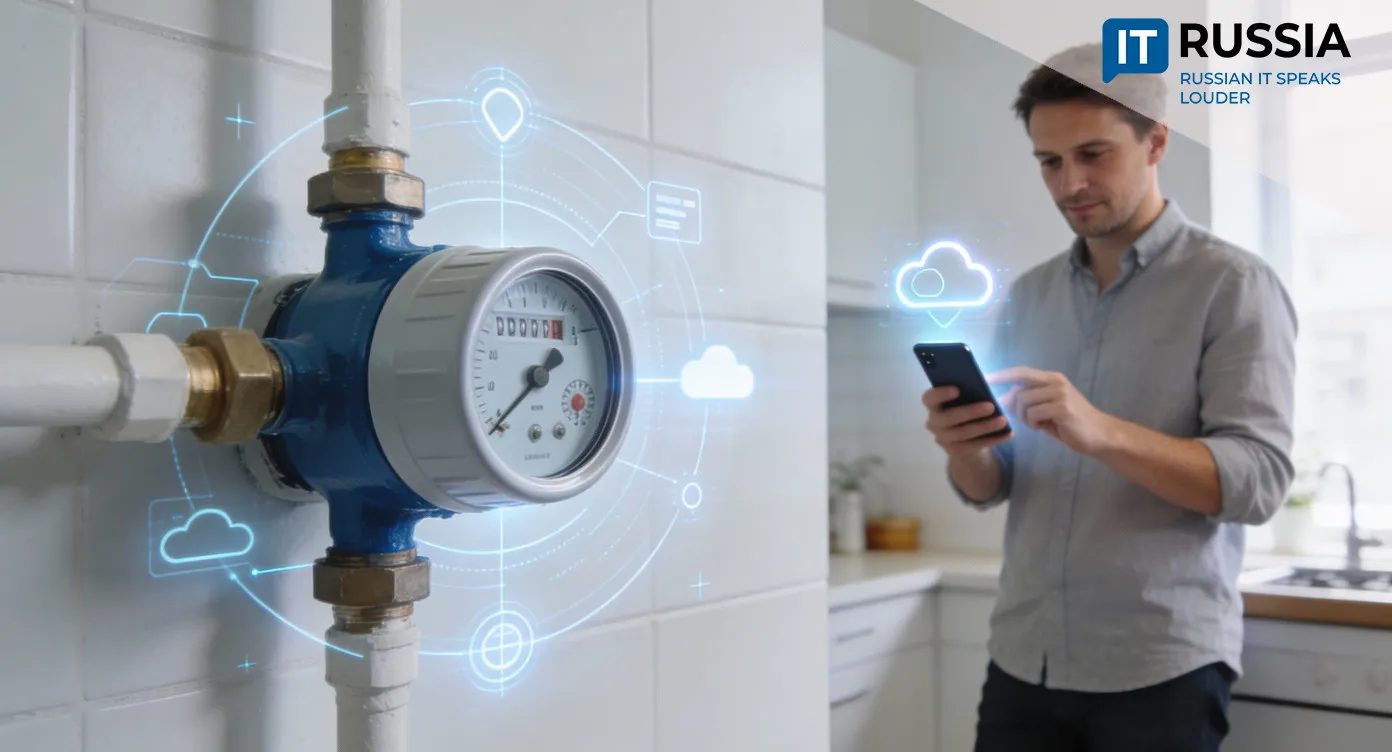
A Service That Saves Time and Reduces Stress
This surge in demand was no accident. It reflects the cumulative impact of Moscow’s broader digital transformation of municipal services, where resident convenience has become a core design principle.
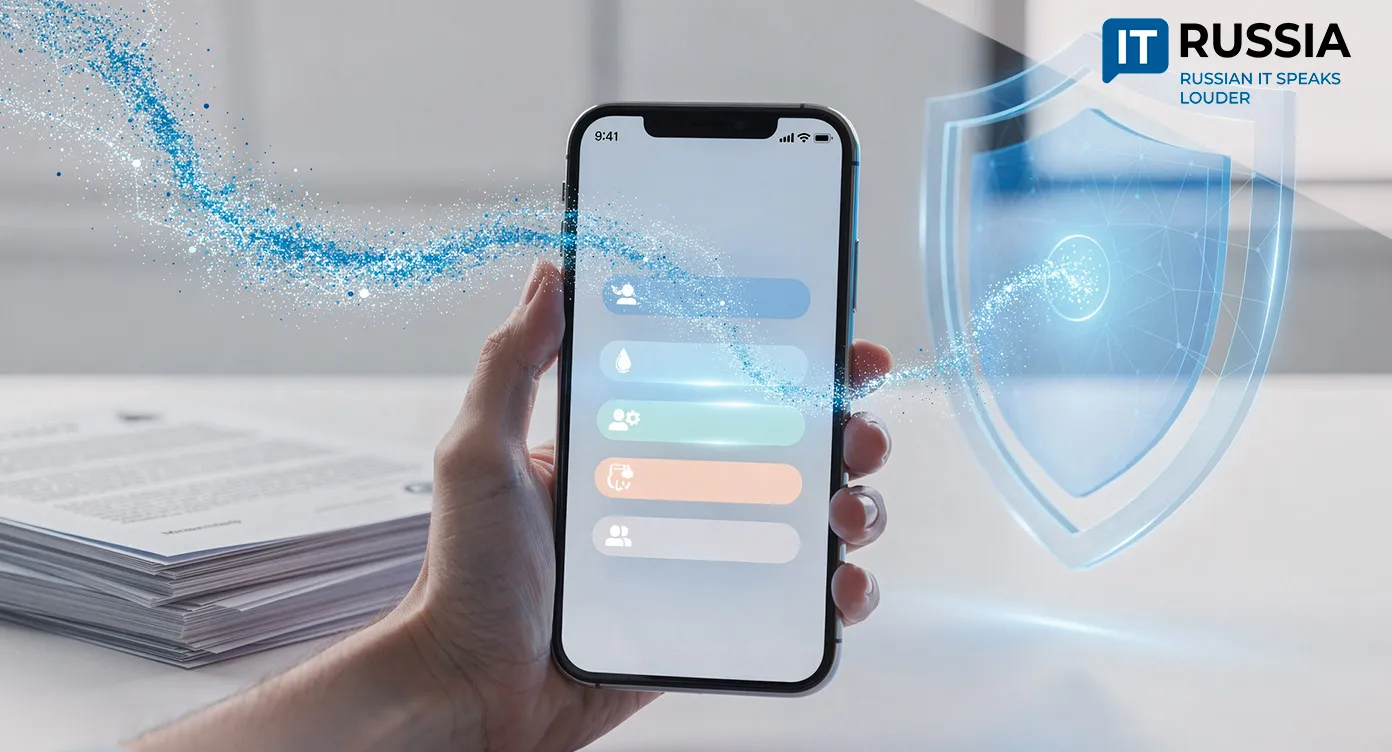
The service addresses a long-standing pain point in utility management: the bureaucratic complexity of meter verification. Instead of visiting a management company and independently searching for accredited providers, the entire process is reduced to a few clicks in a personal account. Users select a date, while apartment details are loaded automatically. After the technician’s visit, residents no longer need to submit paperwork themselves: verification results are entered into the federal Arshin system, which is automatically synchronized with all property management companies.
The service’s success was made possible by a large-scale overhaul of the mos.ru portal and deep integration with government information systems. Its popularity signals a high level of public trust in digital channels for interacting with city authorities and highlights a stable partnership between IT developers, municipal agencies, and the housing and utilities sector.
Looking Ahead: Smart Meters and Scaling the Model
Moscow’s experience is already being prepared for replication. Russia’s Ministry of Digital Development and Ministry of Construction have announced plans to launch standardized cloud-based solutions for utility management in 2026, enabling other regions to adopt proven practices. This move is expected to reduce digital inequality and establish unified national standards.


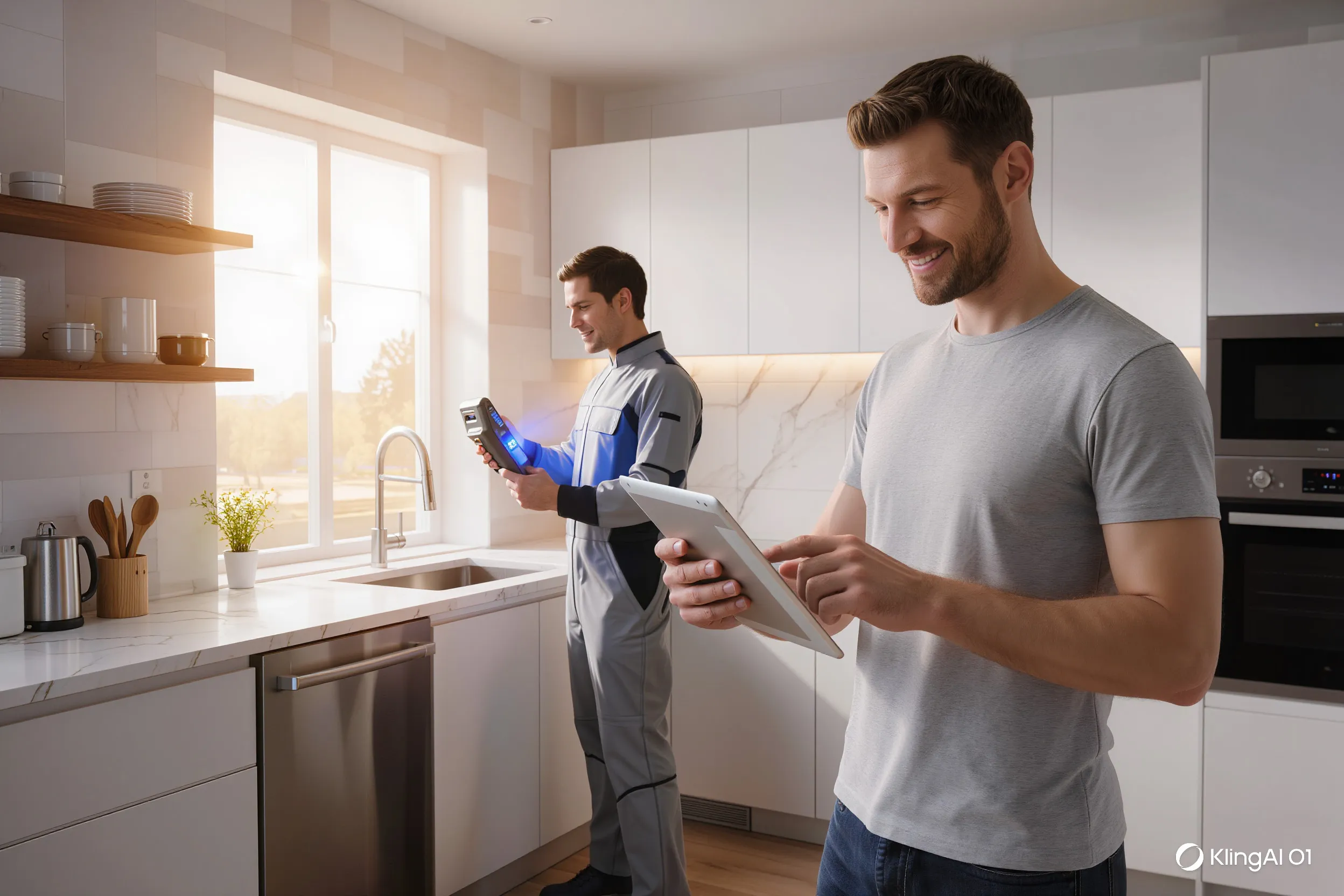
Within Moscow itself, the next stage of development involves a shift from reactive processes to predictive ones. The logical step forward is integration with smart metering devices based on IoT technologies. These meters would remotely transmit not only consumption data but also information about their technical condition, while the platform could automatically send reminders about upcoming verifications or even generate preliminary service requests. Such automation would minimize human error and help prevent missed deadlines.

From a Local Pilot to a Citywide Standard
The path to the service’s current scale began several years ago as part of Moscow’s broader smart city strategy. Online housing and utilities services were introduced on mos.ru as a core element of that policy. Since August 2021, residents have been able to submit information about completed meter verifications online. The dedicated application service for water meter verification launched in October 2023. By the end of 2024, it had already processed more than 70,000 requests and received strong user ratings. In 2025, with rising digital literacy and a simplified process, usage nearly doubled.
From a Single Service to an Integrated Platform
The rapid growth of the service sends a clear market signal: demand for convenient, transparent, and technology-driven solutions in the housing and utilities sector is substantial and continues to grow. Moscow’s success points to a new interaction model in which digital platforms act as a bridge between residents, service providers, and the state.

By 2027–2028, meter verification could evolve into a comprehensive digital diagnostics module for residential engineering systems. Integration with utility suppliers’ platforms, predictive analytics based on equipment wear, and proactive maintenance could become standard practice. This would not only improve billing accuracy and reduce overpayments but also fundamentally enhance quality of life in urban environments, where technology removes everyday administrative burdens. Digitalization in housing and utilities has moved beyond experimentation and is now an essential component of a modern megapolis.