Digital Twin of Moscow Showcased in India
The Russian capital’s 3D city model was presented at an international exhibition that brings together specialists from dozens of countries. Against the backdrop of a global shift toward digital cities, the project could evolve into a full-scale export product.
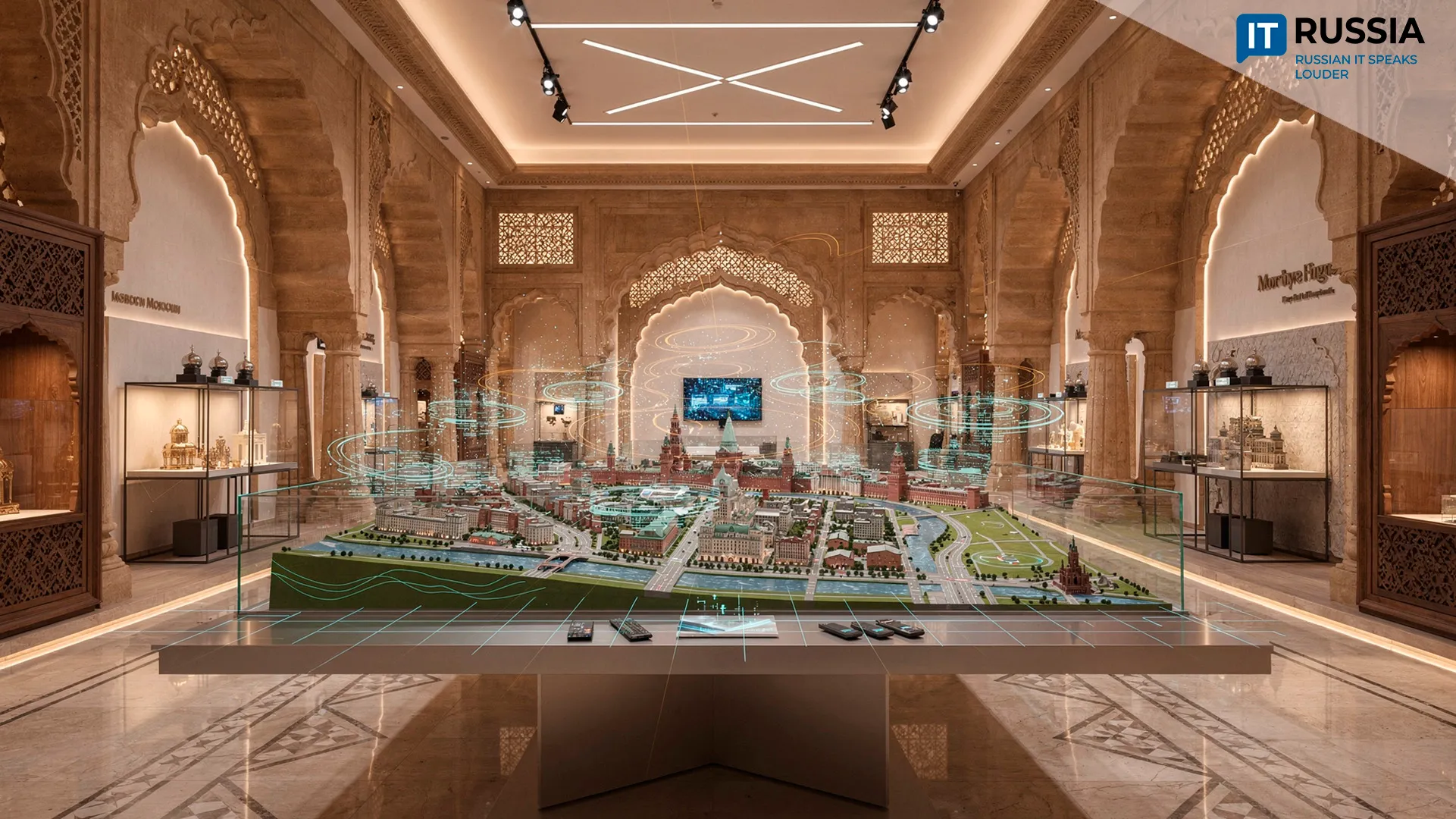
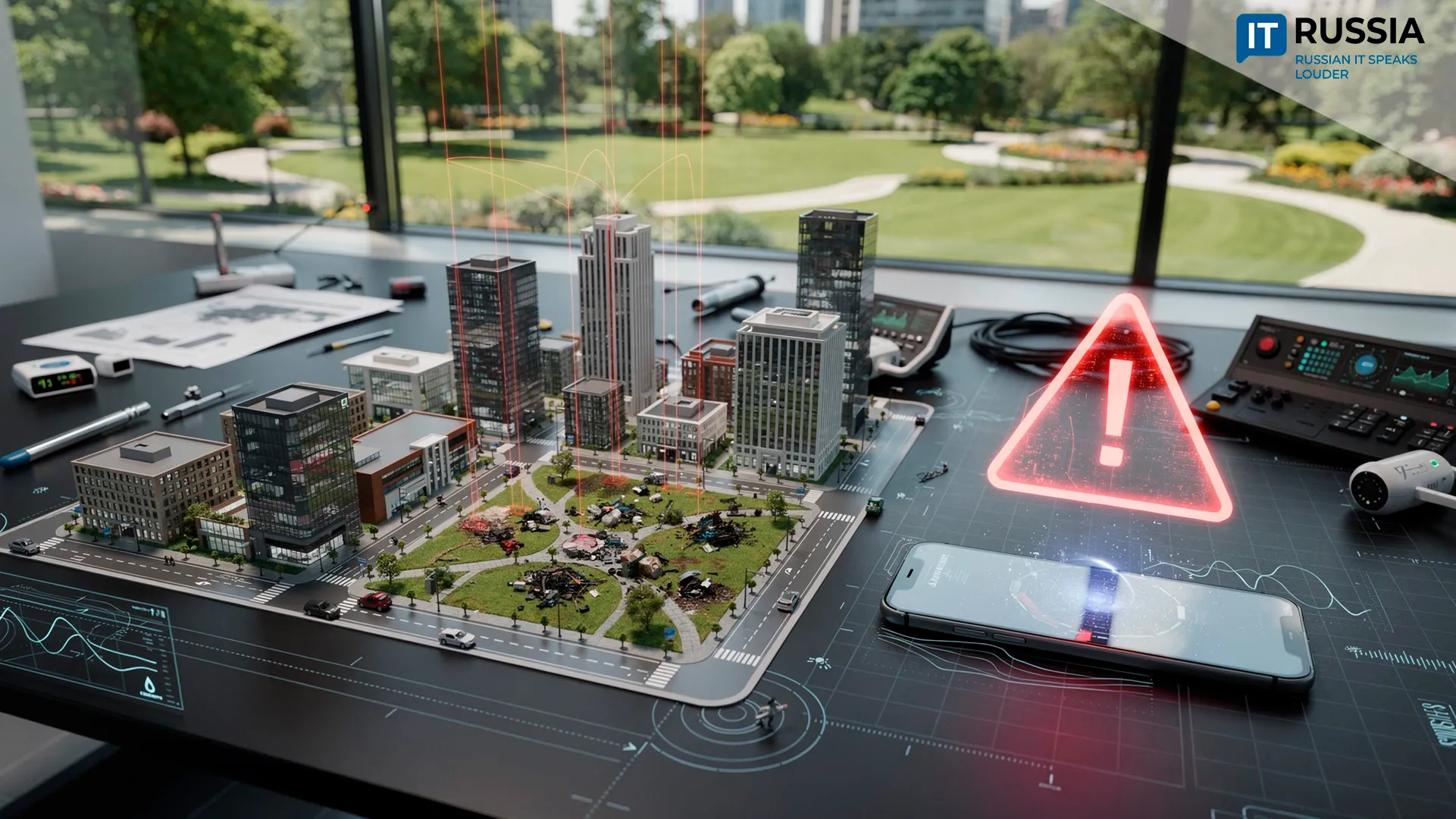
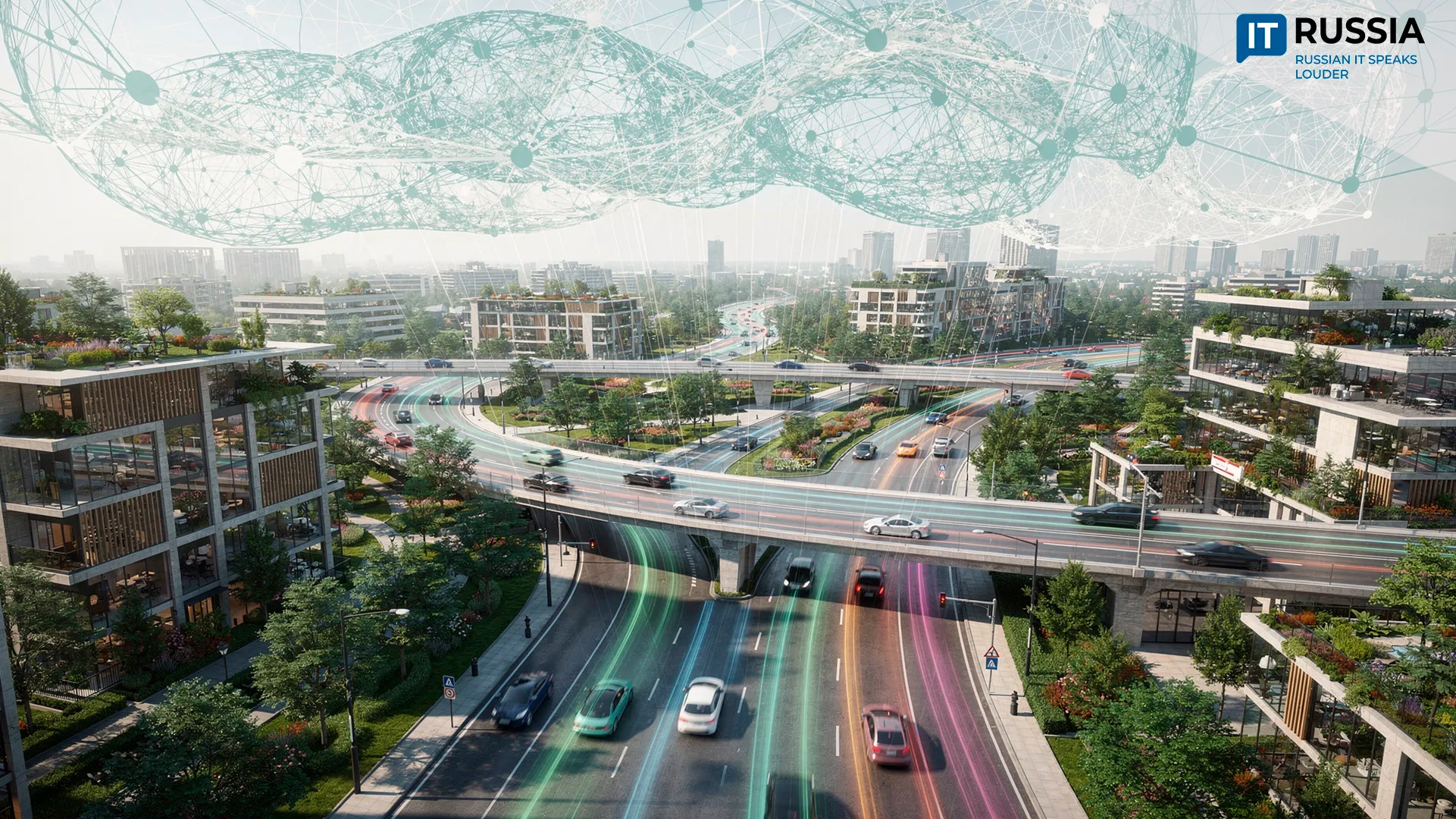
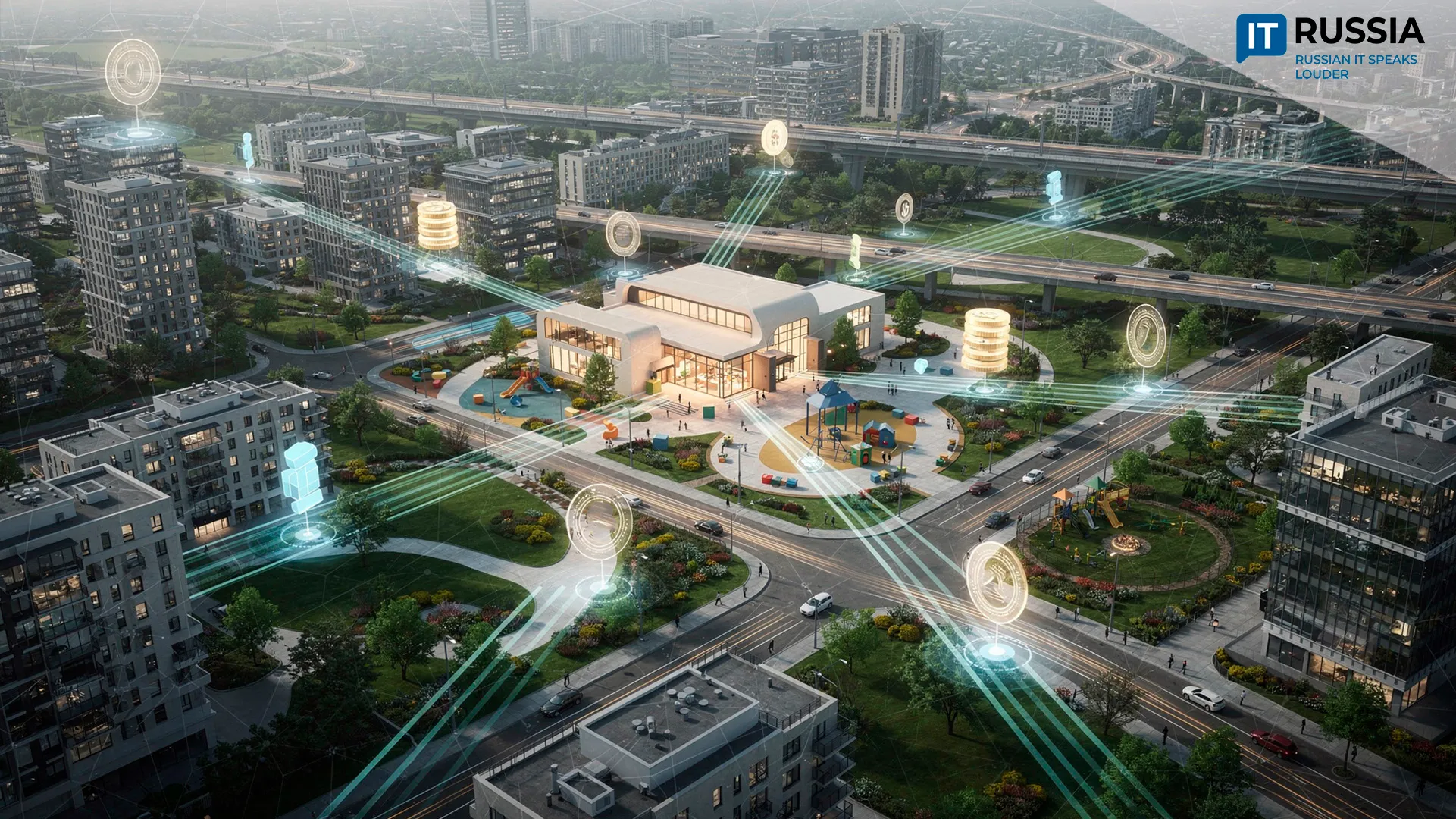
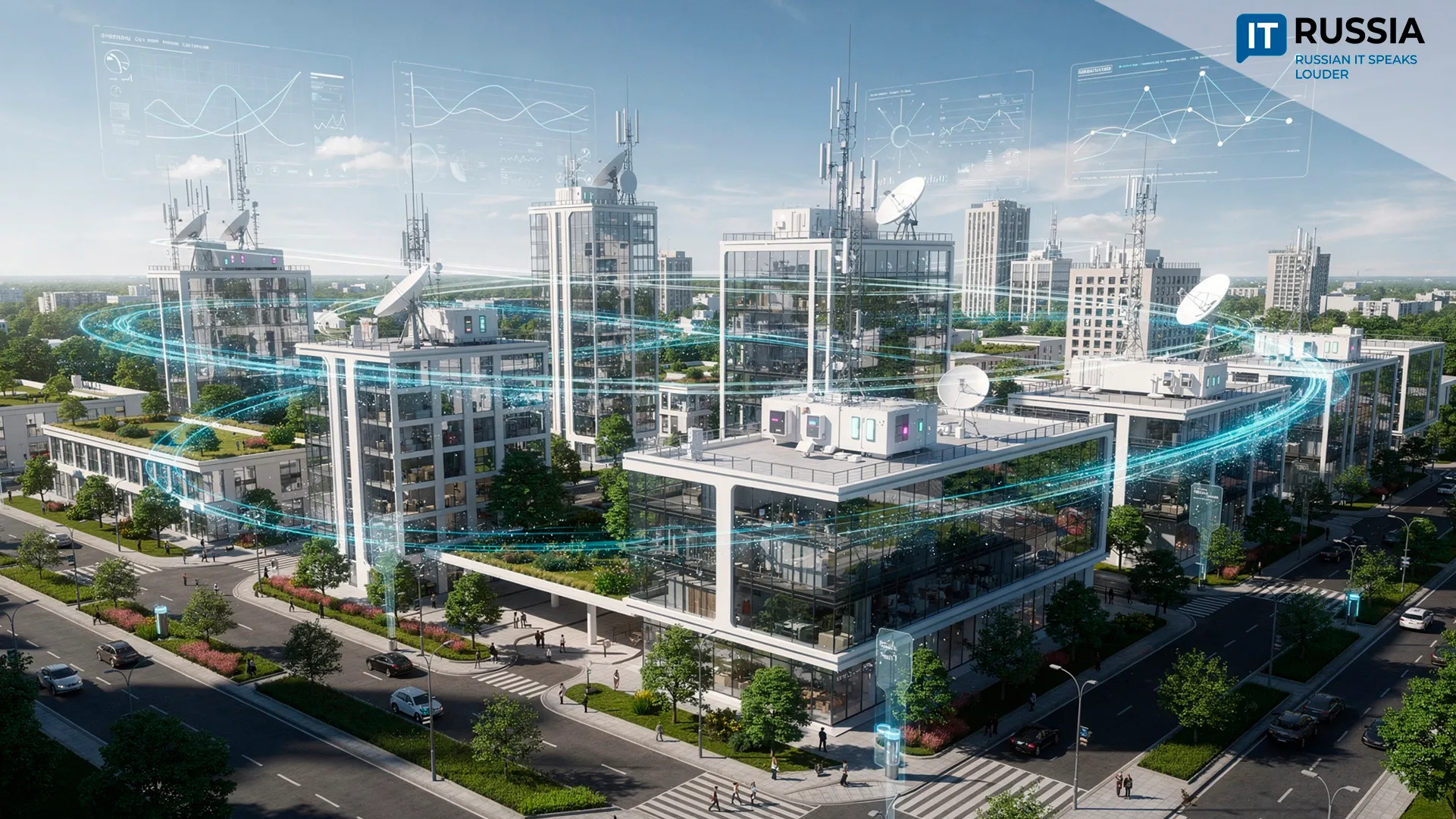
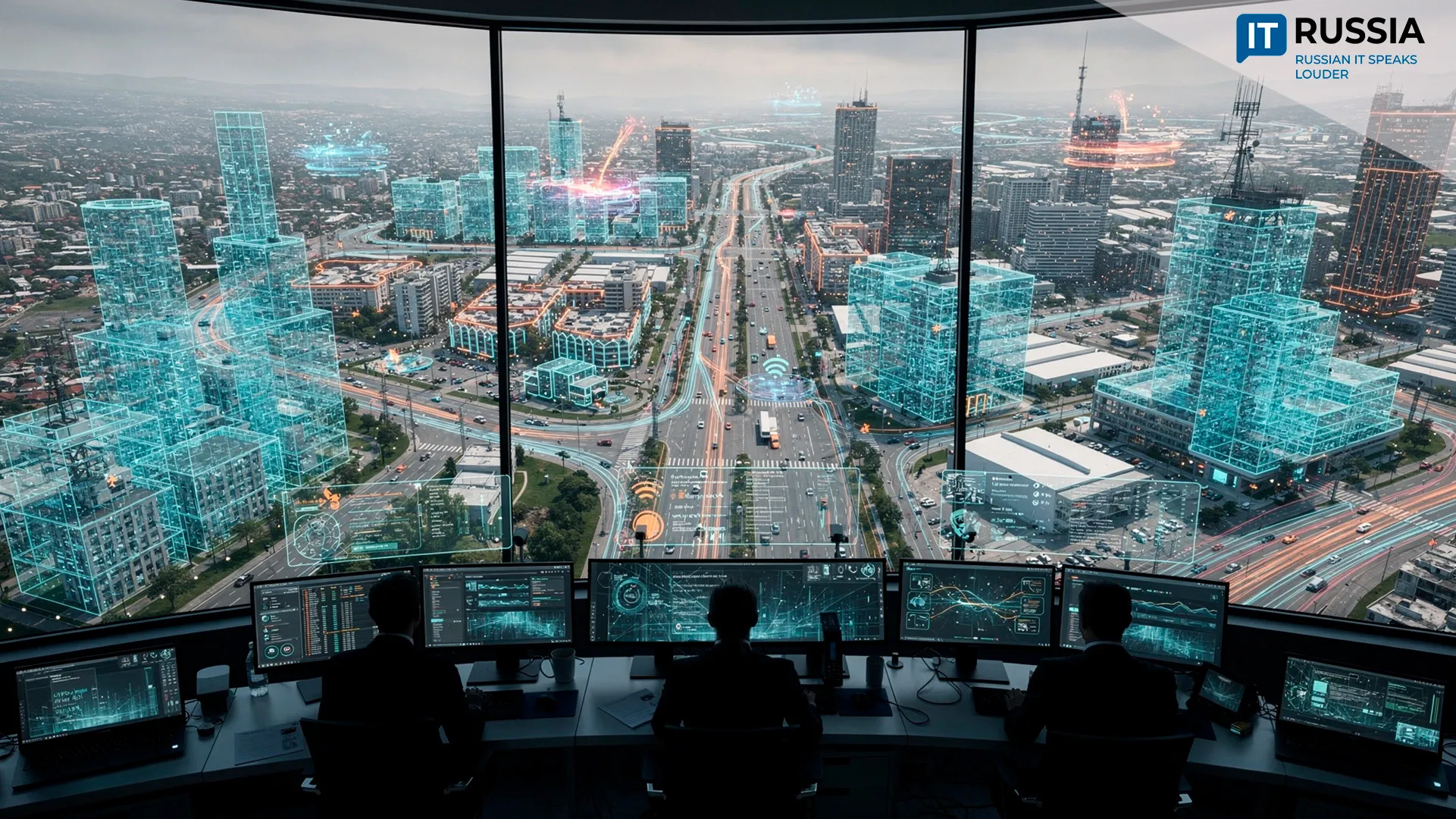
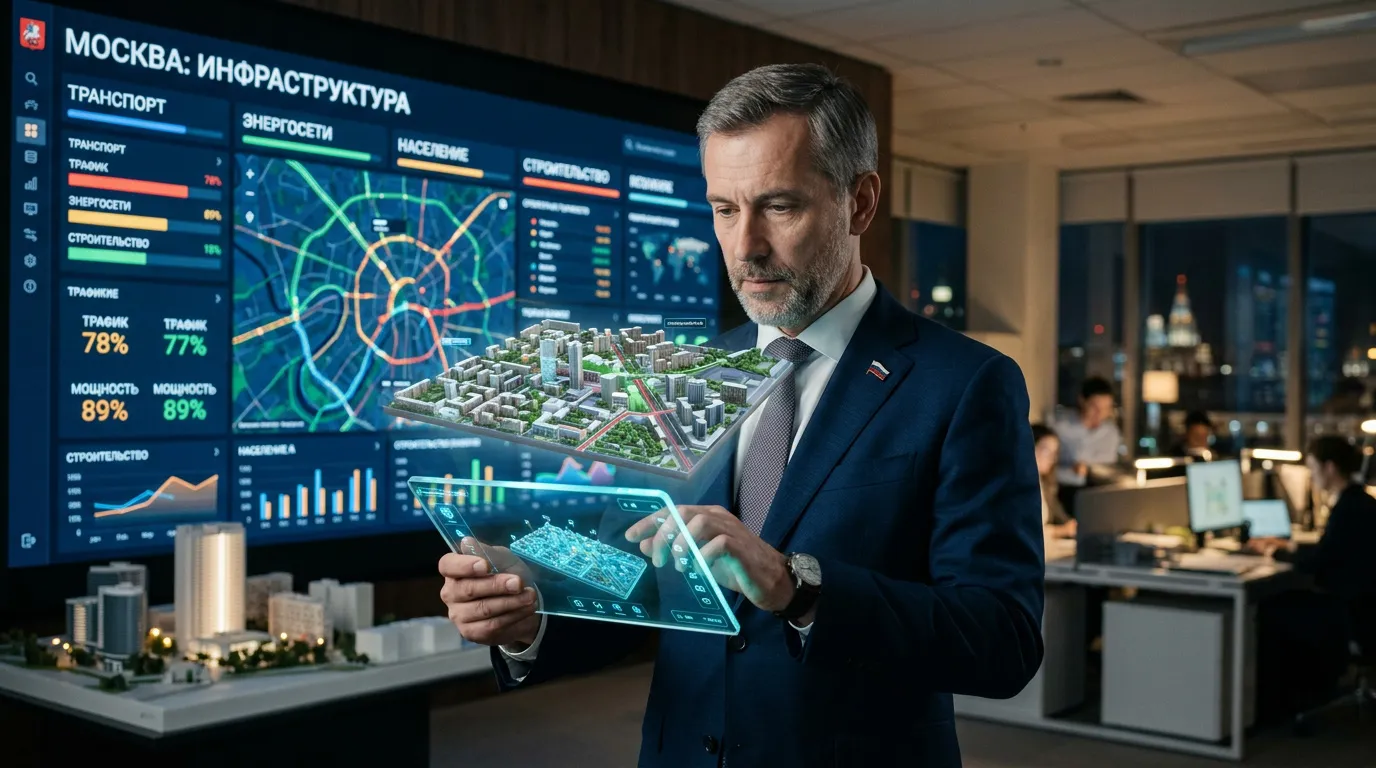
Moscow unveiled its digital twin at Smart Cities India Expo 2026 in New Delhi. The system is a virtual 3D model of the capital that integrates engineering and underground infrastructure, buildings and urban assets. In practice, the digital twin operates as a decision-making platform used to manage the city and plan its development. Since the project was first launched in 2019, it now represents a mature, field-tested system with real-world deployment experience.
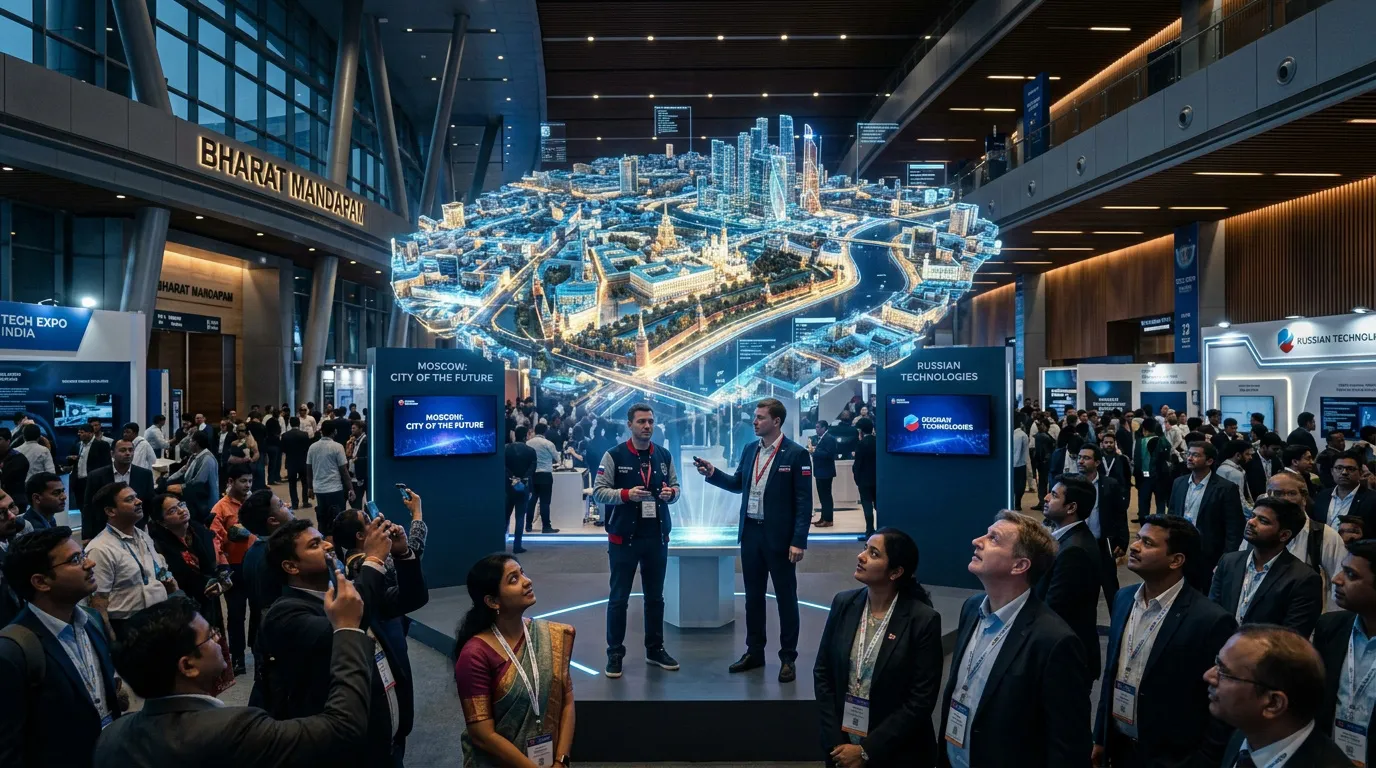
The exhibition positions itself as an international hub for urban technologies, urban planning, artificial intelligence, cybersecurity, mobility and IoT. Dozens of countries and hundreds of companies take part in its ecosystem. According to Moscow city officials, several countries have already expressed interest in the capital’s technologies, including Qatar, Oman and Saudi Arabia. In effect, Moscow is emerging as a supplier of packaged digital governance models for megacities. This opens a new export niche while increasing demand for the platforms and engineering teams behind such projects, which in turn is likely to accelerate the rollout of digital twins within Russia.
India to Bring New Partners
India offers a compelling venue for events of this kind for several reasons. The country is actively developing smart cities, and the exhibition itself brings together a broad range of international partners. At the same time, global demand for urban digital solutions is growing. In the European Union, this segment has become part of broader digital policy, Kazakhstan has already launched a digital twin of Astana, and countries in the Persian Gulf are advancing the topic through dedicated forums and national programs. As a result, many attendees represent potential partners for Russia.
Export projects, however, come with risks. Successful expansion into foreign markets depends on long sales cycles, trust in the vendor, adaptation to local conditions, integration with local data and, in many cases, partnerships with regional players. For that reason, individual modules and tools are likely to gain traction faster than full-scale platform deployments.
From Early Recognition to Global Competition
The Moscow digital twin first gained public recognition in 2021, when it received the Digital Peaks award. At the time, city authorities described it as a photogrammetric 3D model of Moscow with practical applications for urban management. The following year, the project won the ComNews Awards, solidifying its position as a notable solution within the digital economy.
A major milestone came in 2025, when the project was presented on international platforms, including GITEX Global in Dubai. Over the past two and a half years, Moscow’s innovations have been showcased at more than 100 international events, drawing interest from delegations representing 27 countries. Global markets are already prepared to adopt similar solutions, and Moscow is entering a competitive environment where success will depend on the ability to move from demonstration to full deployment.

Russia Expands Its Presence on Global Platforms
Russia’s urban IT solution has now entered the global smart city market. This represents a new class of exportable technologies at the intersection of GIS, BIM, urban planning, artificial intelligence, real estate development and public administration. Success in this segment offers not just one-time sales but long-term integration into the infrastructure of foreign cities.
In the coming years, further international presentations of the project are likely. These will be followed by pilot negotiations with foreign institutions, expanded export activity and intensified competition with solutions from other countries. Russia is steadily moving from domestic digitalization to the global commercialization of urban technologies.