Digital Twins for Dams: Moscow Region Brings IT Into Infrastructure Management
The Moscow Region plans to introduce a unified digital registry and digital twins for all hydraulic engineering structures by 2026, marking a major step toward safer and more sustainable infrastructure management.

Everything Is on Screen
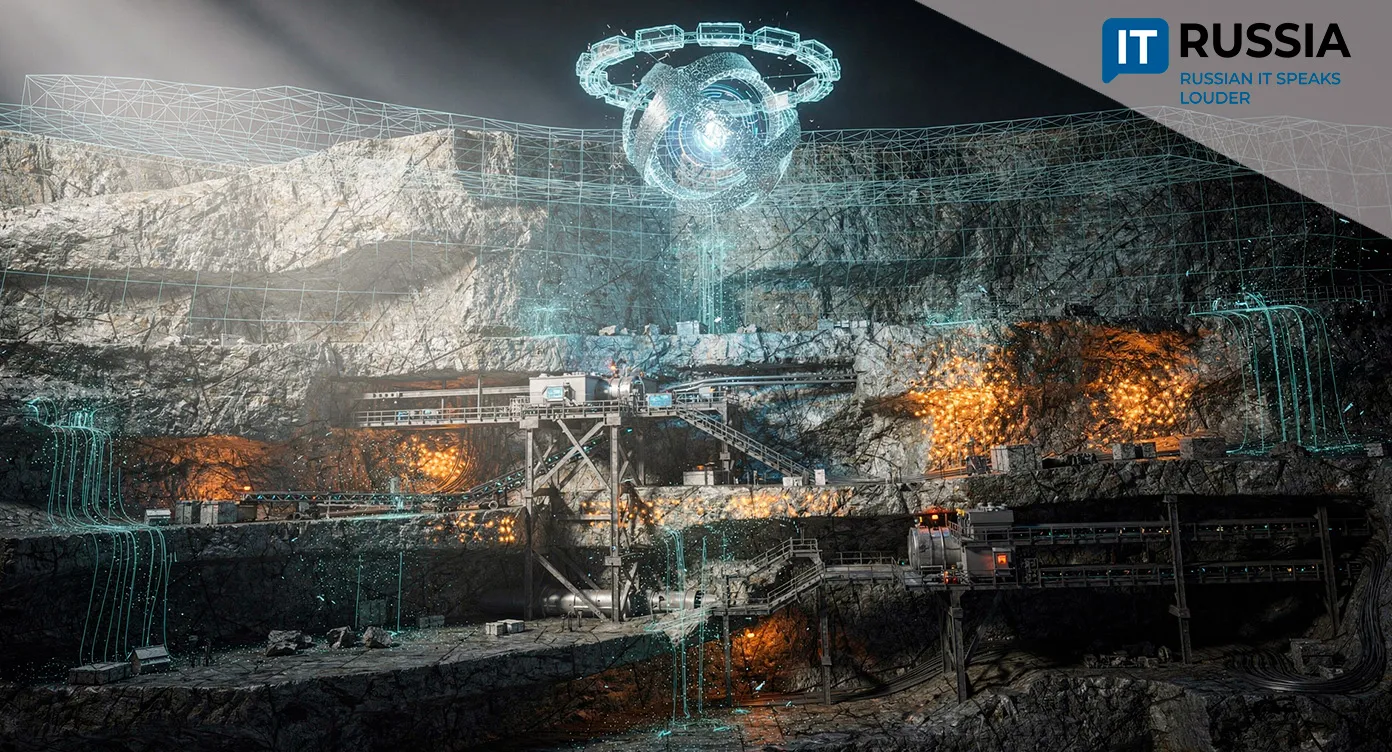
Today, Russia – including the Moscow Region – still lacks a complete and centralized digital cadastre of dams and other hydraulic facilities. The regional Ministry of Ecology and Natural Resources aims to close this gap. According to the plan, every facility – whether a dam, sluice, or embankment – will receive its own digital twin. This will not be a simple database entry but a complex virtual model aggregating all relevant information, including technical condition, water volumes, sensor data, risk indicators, and even simulated flood zones in the event of an emergency.
Hydraulic engineering structures are inherently high-risk facilities. Aging infrastructure, seasonal floods, and climate anomalies create constant pressure on safety systems. Digital twins allow authorities to move away from reactive management toward a preventive approach. Virtual stress tests can be conducted to model emergency scenarios in advance, enabling engineers and officials to make informed technical and organizational decisions before real-world failures occur. This directly affects the safety of thousands of people living in potential flood zones.

A Digital Standard for Infrastructure
Given that no comparable federal registry currently exists, the Moscow Region’s approach has strong potential to be scaled across other regions of Russia. This opens up significant opportunities for domestic IT companies specializing in BIM modeling, geospatial systems, and data analytics.


The advantages of such digital platforms are clear – improved predictability, optimized inspection and maintenance costs, and a solid foundation for smarter infrastructure lifecycle planning. Over time, similar digital standards could become common not only in hydraulic engineering but also in energy, transportation, and municipal utilities.

In the long term, such systems are expected to become a standard not only in hydraulic engineering, but also in the energy sector, transport, and municipal infrastructure. This marks a shift toward a model in which public safety and infrastructure resilience are ensured not only by concrete and steel, but also by algorithms, precise calculations, and timely forecasts.
Toward Smart Dams
Building such a system presents a serious challenge for the IT industry. The project requires the integration of geographic information systems, Internet of Things (IoT) technologies for collecting sensor data, big data platforms, and potentially elements of artificial intelligence for analytics and forecasting. In essence, this is a practical implementation of the “smart dams” concept, which is gaining traction globally. One prominent example is China, where the record-breaking Dashixia AI-powered dam has begun operations. Its construction became the first project of this scale to rely on artificial intelligence, digital twins, and unmanned technologies.
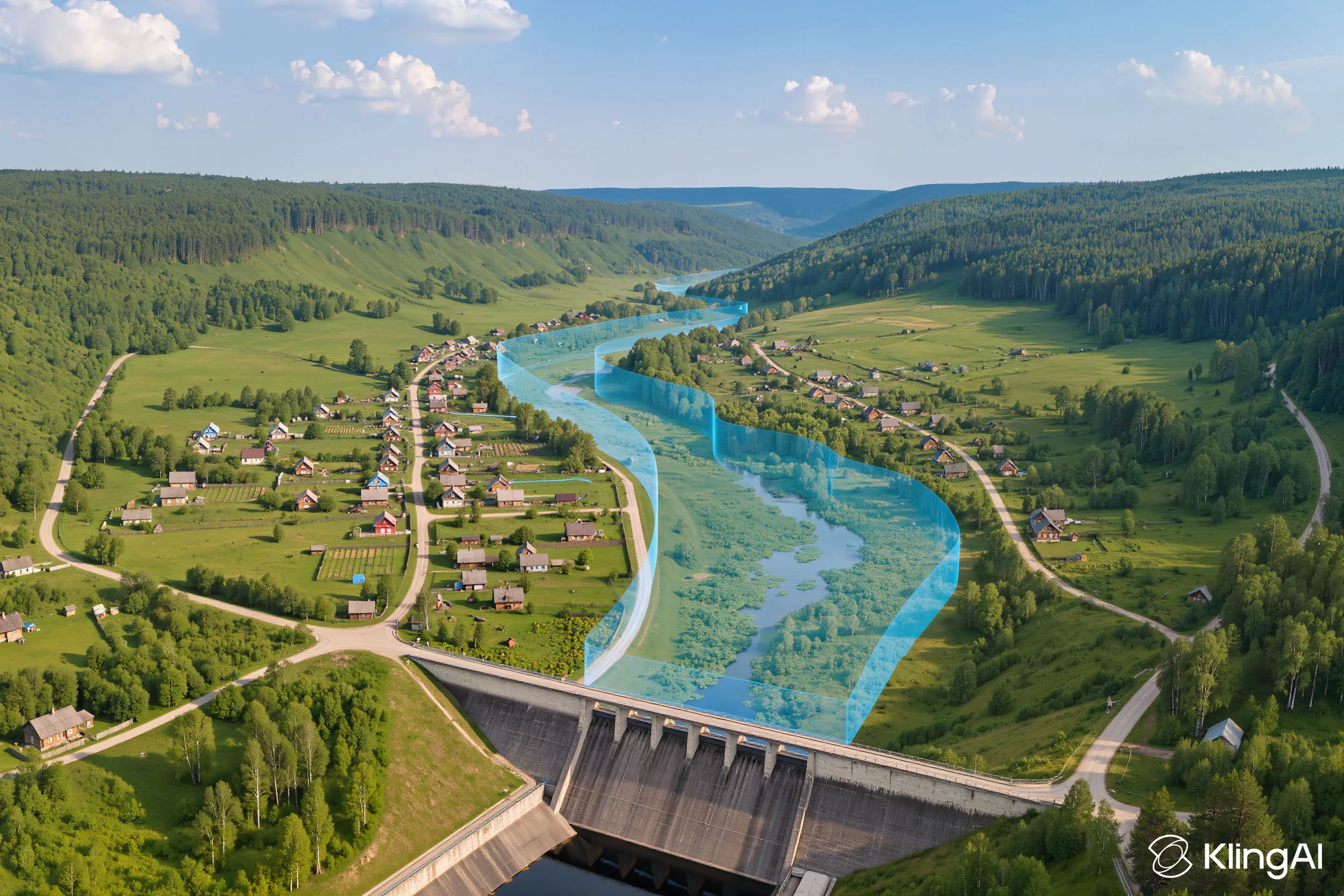
Russia has already seen individual pilot initiatives, such as the digital model of the Balashikha reservoir. However, a comprehensive approach applied at the level of an entire region is being implemented for the first time. The Moscow Region’s experience could form the basis for a universal Russian platform with applications across the energy sector, water management, and construction nationwide.