Drone Technology Takes on Environmental Monitoring at Lake Ladoga
Developers of unmanned systems have presented the Environmental Council of Russia's Leningrad Region with a new approach to monitoring the waters and shoreline of Lake Ladoga. As part of the large-scale Chistaya Ladoga (Clean Ladoga) initiative, the project will introduce a dedicated component called Tsifrovoy revizor (Digital Inspector).
Lake Ladoga, shared by the Leningrad Region and the Republic of Karelia, is the largest freshwater lake in Europe. It supplies drinking water to St. Petersburg and other communities, feeds rivers such as the Neva that support multiple hydroelectric power stations, and serves as a key section of Russia's inland waterway network linking the country's northwest with its central and southern regions.
Finding Every Environmental Violation
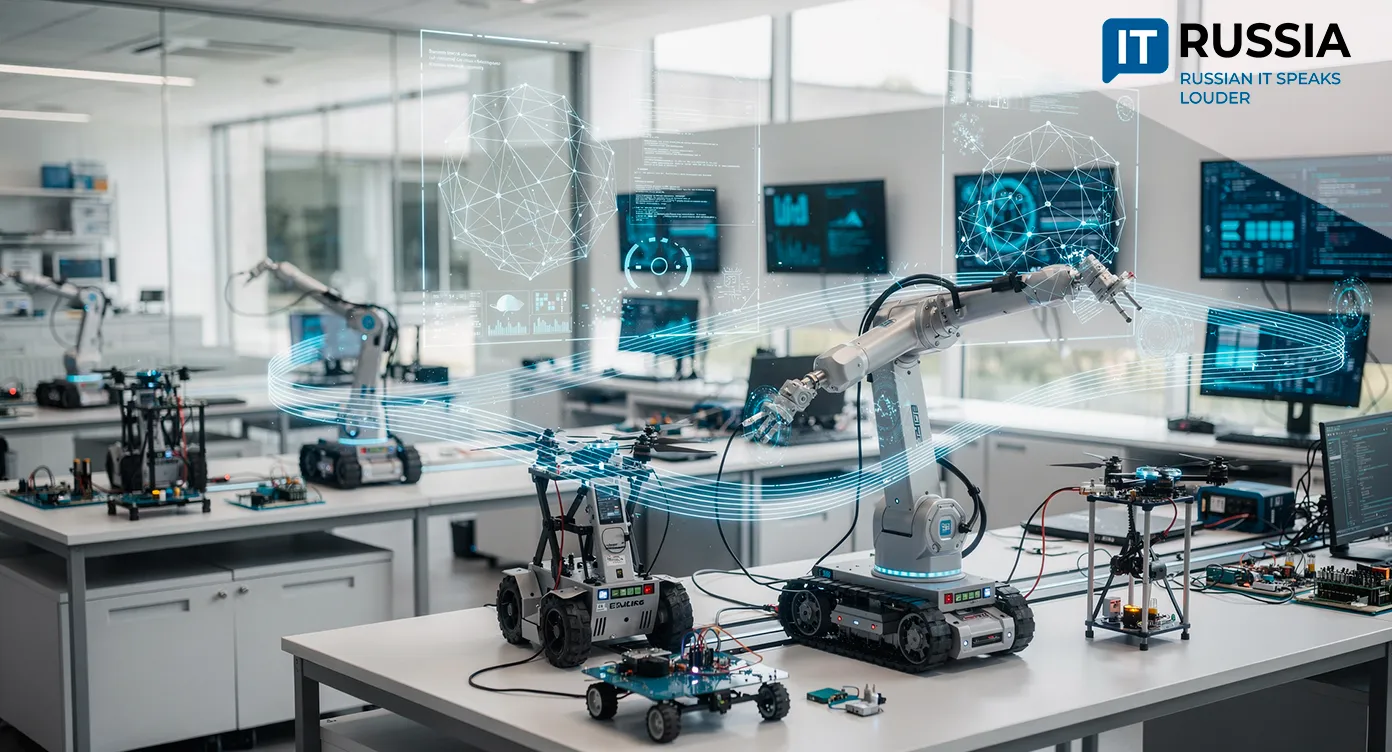
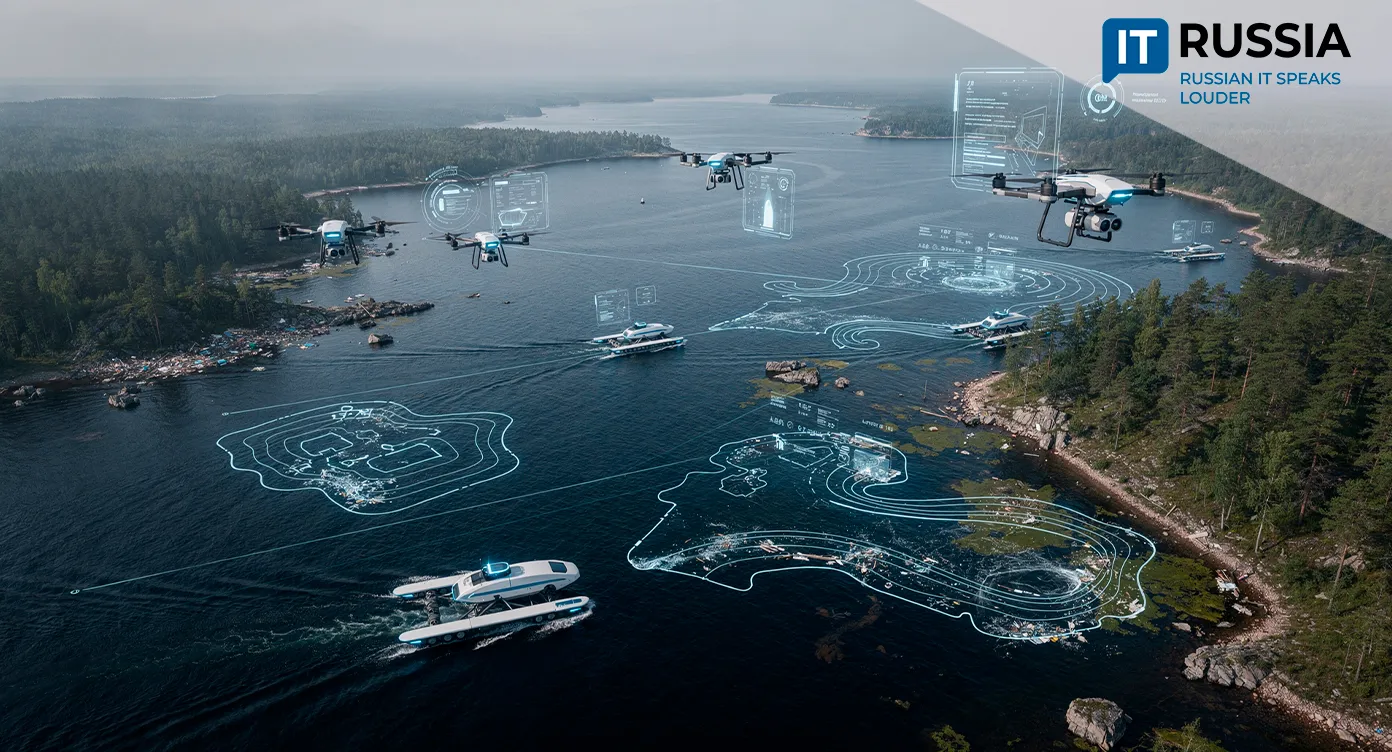
Tsifrovoy revizor is designed as an integrated environmental monitoring ecosystem that combines unmanned aerial vehicles, underwater robotic systems, and AI-powered analytics. Drones will reach remote stretches of shoreline that inspectors from Rosprirodnadzor (Federal Service for Supervision of Natural Resources) cannot routinely access because of difficult terrain or the high cost of field operations. The system is expected to detect illegal dumping sites, unauthorized logging, emerging wildfires, and pollutant discharges into the lake.
Lake Ladoga will become the country's first large-scale testbed for an integrated monitoring approach that combines aerial drones, underwater robotics, high-resolution thermal imaging and photography, geospatial information systems, and neural network analysis. Together, these technologies will create a continuous stream of environmental data, enabling authorities to assess the condition of the lake almost in real time.
Reducing Environmental Risks Before They Escalate
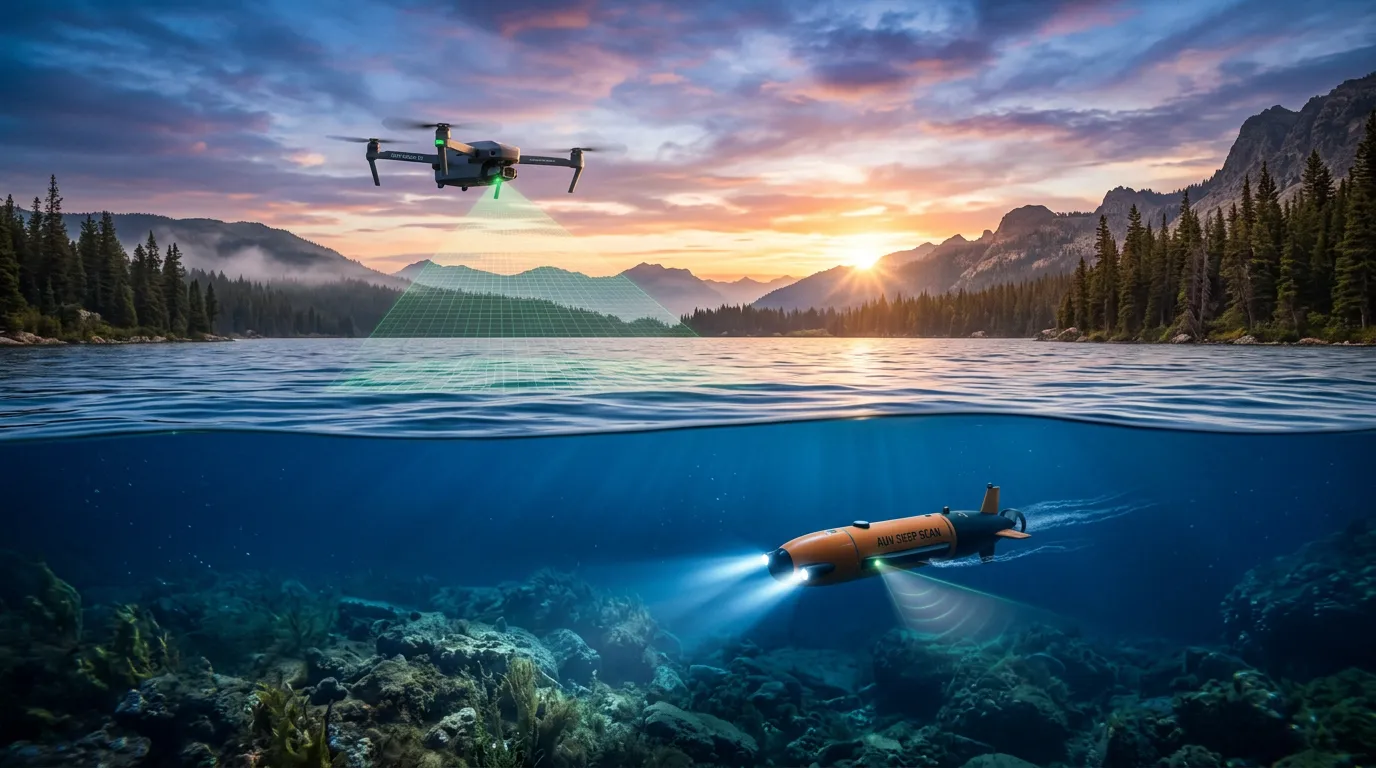
Unmanned systems have already been used for environmental monitoring in Russia for several years. Geoscan previously conducted aerial surveys of the northwestern part of Lake Ladoga to create litter maps for volunteer cleanup teams. At the Nizhne-Svirsky Nature Reserve, an underwater robot was deployed to survey the lakebed and observe aquatic wildlife.
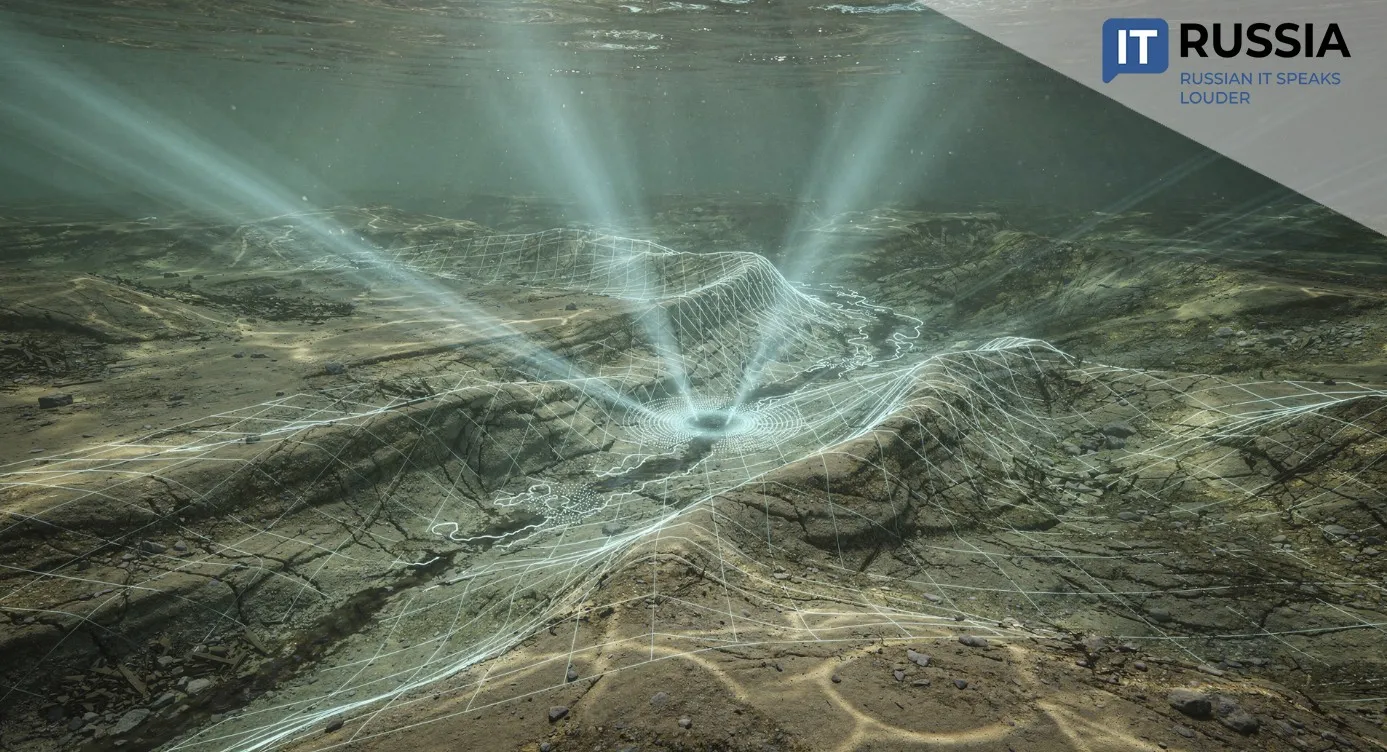
Russia's Ministry of Natural Resources and Environment also relies on underwater drones to map underwater terrain. These systems help identify submerged objects and inspect locations that remain inaccessible to human divers. One example is their deployment in the Tver Region during environmental restoration work at the Ivan'kovskoye Reservoir.
Researchers in Karelia have also developed another robotic monitoring platform: an autonomous surface vehicle for surveying lakes and rivers. The system combines an unmanned surface vessel equipped with measurement and control instruments with a land-based command and monitoring station.
Russian researchers have also trained neural networks to detect floating plastic debris from video footage. Adapting those algorithms for thermal imaging systems and underwater cameras used by Tsifrovoy revizor could make environmental monitoring even more effective.
The Concept Is Expected to Expand
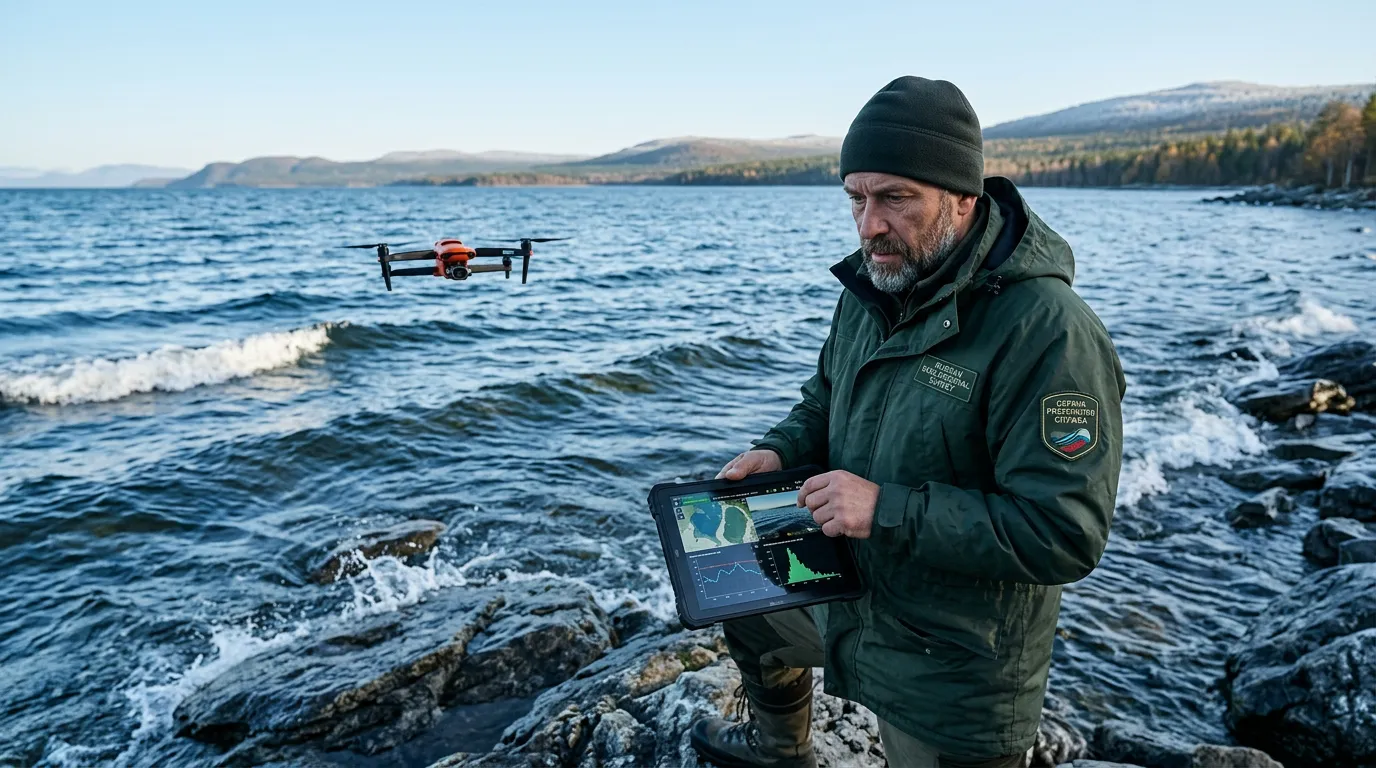
Lake Ladoga supports exceptionally rich biodiversity, with roughly 400 recorded animal species and 600 plant species. Artificial intelligence and unmanned systems could also help monitor populations of rare wildlife. Neural networks are already being used to estimate the number of Ladoga ringed seals.
Tsifrovoy revizor could become a unique tool for tracking long-term changes across Lake Ladoga's ecosystem. The pilot project is expected to focus first on areas experiencing the greatest human impact, including river mouths, industrial zones, and locations with persistent illegal dumping. Over time, the same approach could be extended to Lake Baikal, Lake Onega, major reservoirs, and port waters.
In the process, Lake Ladoga could become a cleaner ecosystem while Russia develops a new digital standard for environmental stewardship, one in which algorithms help detect every illegal activity affecting natural resources.