Russia Develops High-Precision Technology for 3D Printing Core Sample Models
Scientists at Perm National Research Polytechnic University (PNIPU) have developed and patented a technology for producing 3D-printed replicas of oil reservoir core samples that match the original with at least 95% accuracy.
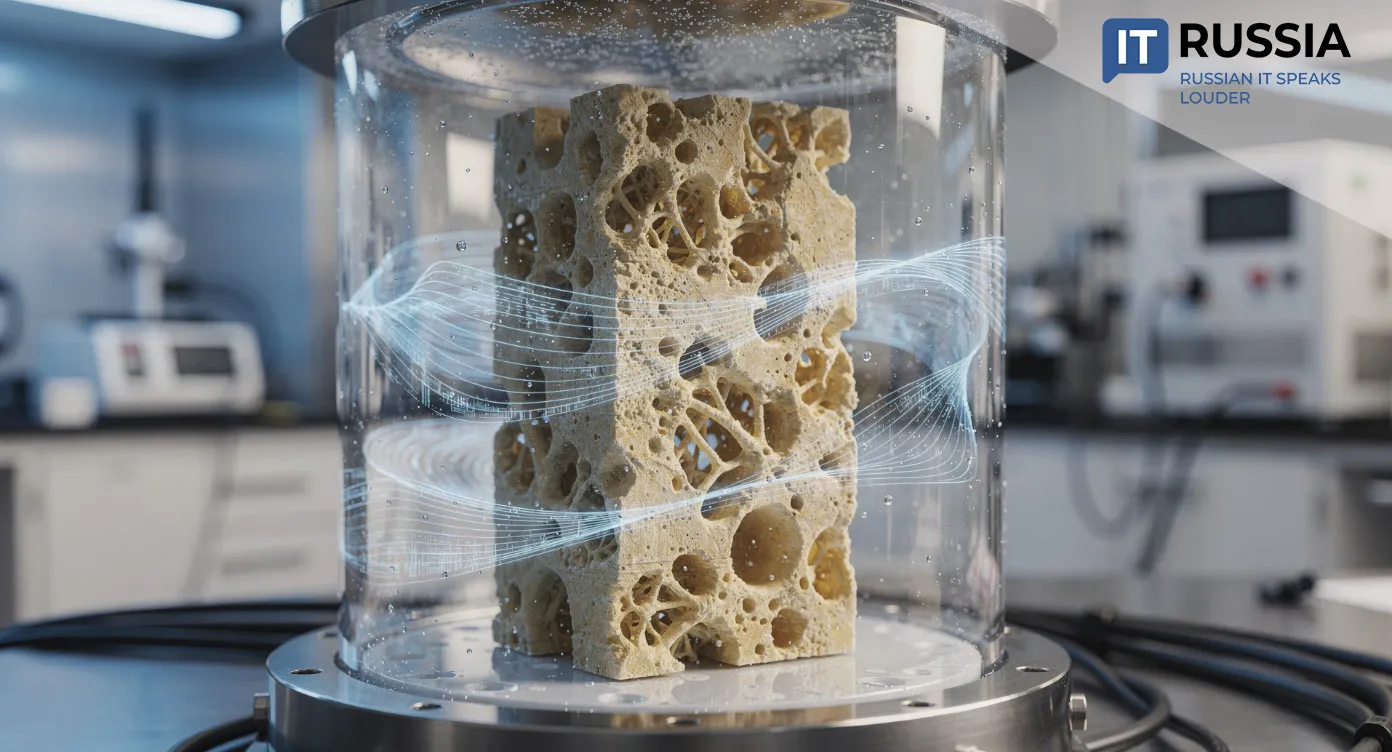
A real core sample is a unique and expensive piece of rock extracted from a well. It provides the data needed to assess a reservoir's hydrocarbon potential and determine the optimal production strategy, including water, gas, acid, polymer and other enhanced recovery treatments. Every major experiment performed on a physical core, however, irreversibly alters or destroys the sample, and no two natural core samples are identical.
Core Insights from 250 Replicas
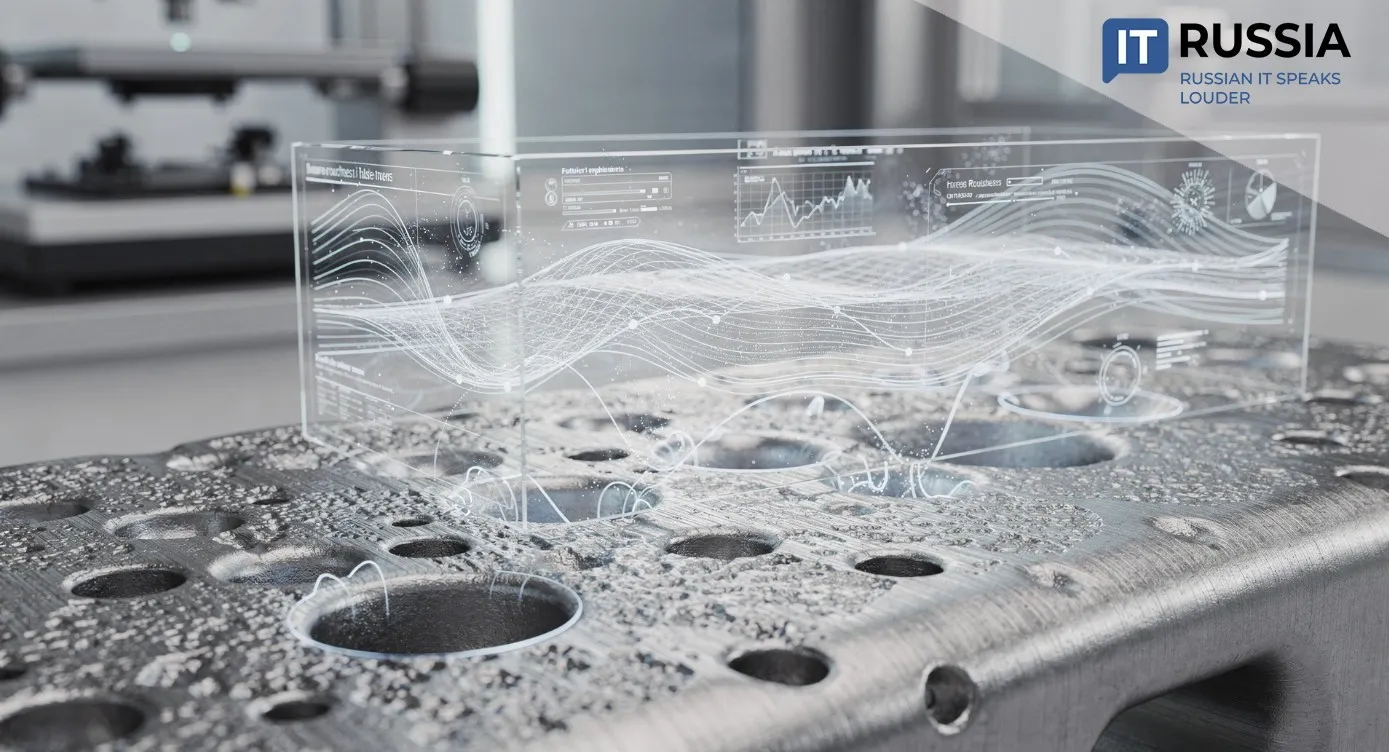
The Perm researchers' replicas fully reproduce the filtration-volumetric characteristics. The margin of error is less than 5% for porosity and less than 10% for permeability. These figures are based on tests conducted using 250 replicated core samples.
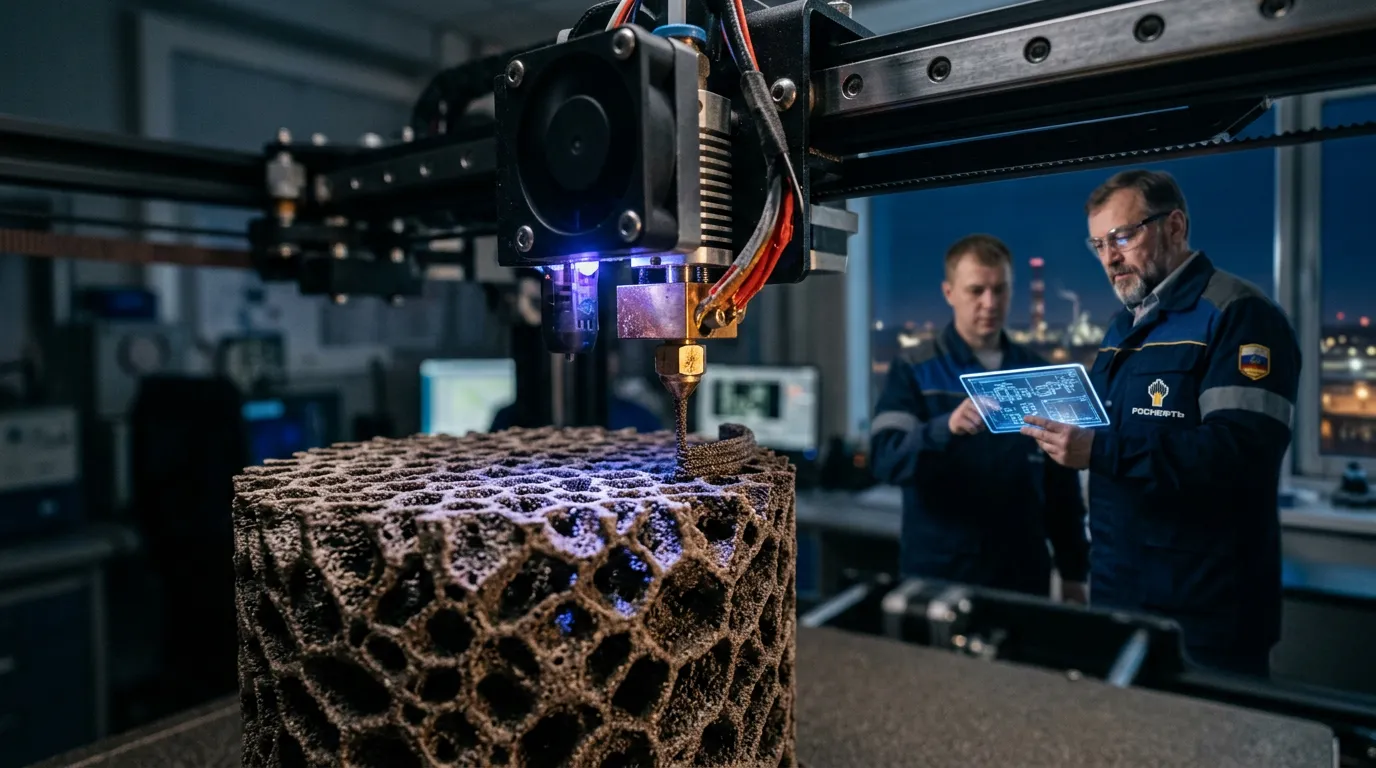
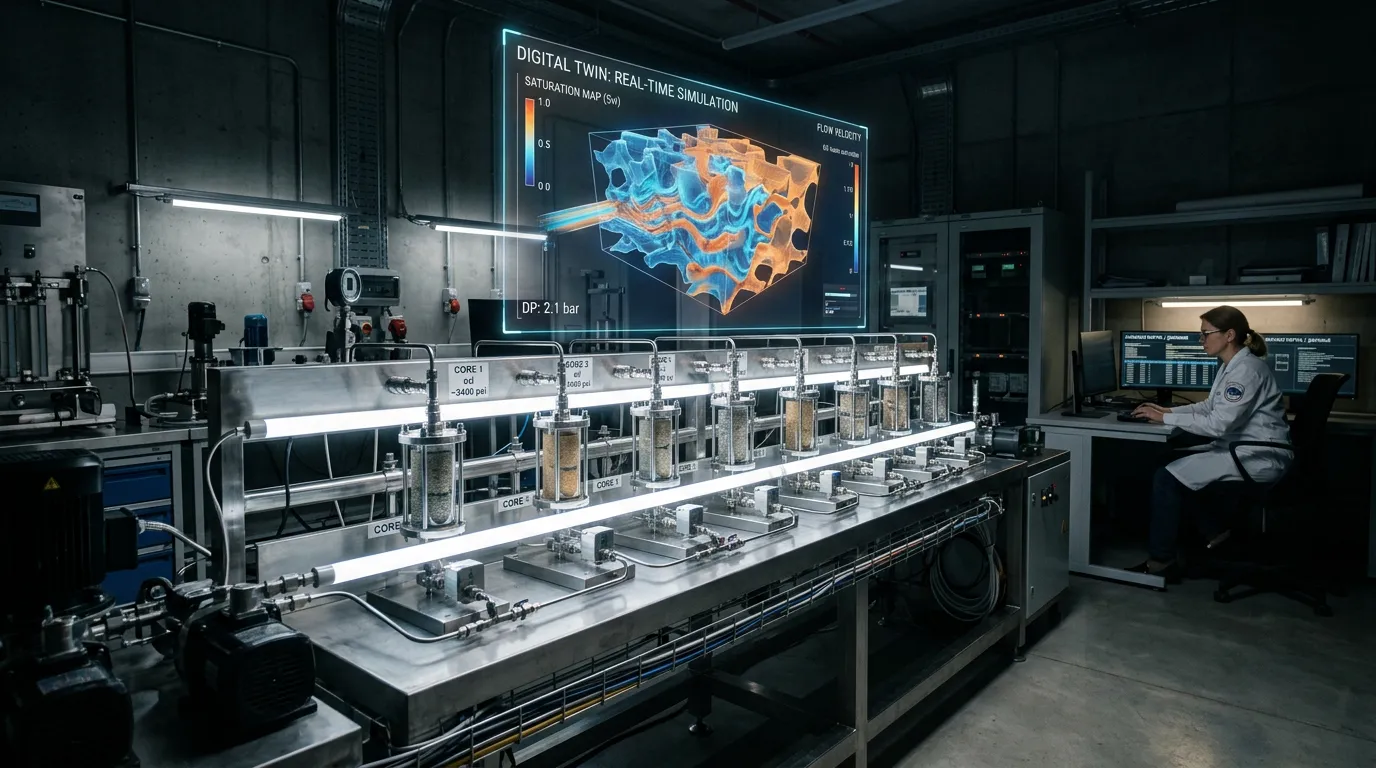
The technological breakthrough lies in the workflow itself. The researchers begin with a digital 3D model generated from computed tomography scans of the original core, then adapt it for printing by, among other things, removing isolated pores. The sample is manufactured using fused deposition modeling. An equally important part of the innovation is fine-tuning printing paths, material flow rates and the overlap between deposited molten filaments.
Unlimited Experimental Opportunities
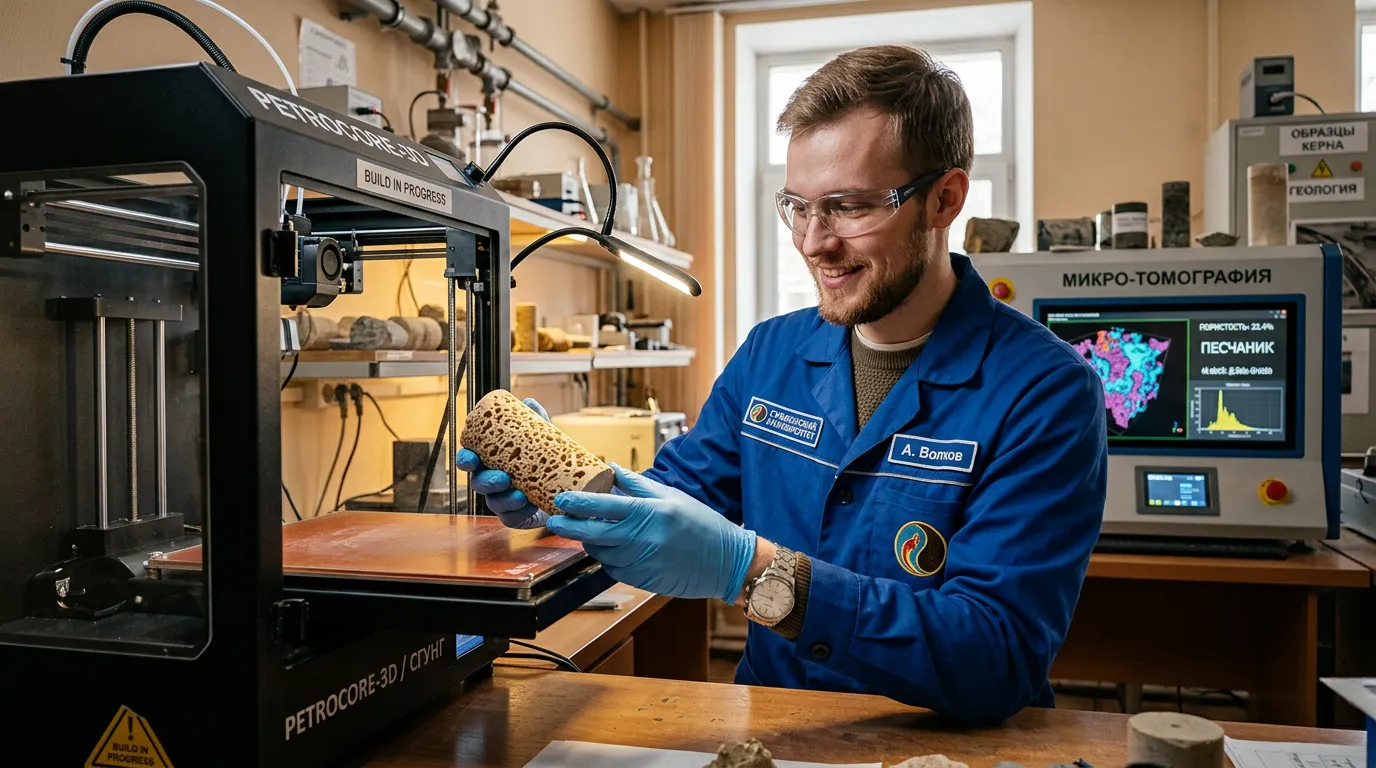
Instead of relying on only a few dozen meters of physical core, researchers now have access to an almost unlimited supply of test material. These replicas can be exposed to aggressive chemical environments, subjected to high pressures while optimizing enhanced oil recovery treatments, or heated to determine optimal operating temperatures. Most importantly, experimental conditions can now be adjusted and repeated virtually without limit.
Purely computational modeling of core samples has not provided the required level of accuracy. In particular, AI models simulate fluid flow through an entire sample only approximately, overlooking many important factors. As a result, AI-generated predictions have traditionally required validation using real core material.
Researchers have explored 3D-printed core replicas before, but the approach faced significant limitations. Extremely small pore diameters could not be reproduced accurately, while the physical properties of printable materials often differed substantially from those of natural rock. As a result, the finished replicas frequently bore little resemblance to the original samples.
The version developed by PNIPU researchers reproduces the reservoir properties of real core samples with near-complete fidelity. That level of accuracy was achieved using FDM/FFF technology. The method relies on extruding thermoplastic material and building an object layer by layer along precisely defined toolpaths.
Toward an Industry Benchmark
Digital core technologies are already advancing in Russia. Novosibirsk State University is developing digital core methodologies based on SKIF synchrotron radiation, using X-ray tomography data from real samples. Rosneft and Innopraktika have introduced the RN-Digital Core platform, which creates a digital twin of a core sample from high-resolution 3D images and enables analysis of its physical, mechanical and filtration properties.
PNIPU's first advances in this field date back to 2022, when the Russian Science Foundation supported the university's project on creating high-precision synthetic rock models that reproduce reservoir properties. Two years later, the university reported that controlling 3D-printing parameters made it possible to produce structures with different porosity and permeability values. At that stage, researchers created samples closely matching original cores with 14% porosity. They also announced plans to expand the technology to other rock types, including limestone, clay, shale and replicas produced from natural materials.
The PNIPU development marks an important step from purely digital simulation toward a hybrid research model. Its emergence also coincides with rapid growth in Russia's additive manufacturing sector: the market reached RUB 22.3 billion (about USD 285 million) and expanded by roughly 21%. That creates favorable conditions for broader adoption of 3D printing in specialized industrial applications, including oil and gas.