Engineering AI: How a Volgograd Platform Is Rewriting the Rules of the Patent Game
Researchers at Volgograd State Technical University are developing an AI system designed to help Russian enterprises develop new technologies in-house.

A neural network-powered software platform streamlines how companies prepare patent applications, addressing a shortage of in-house expertise.
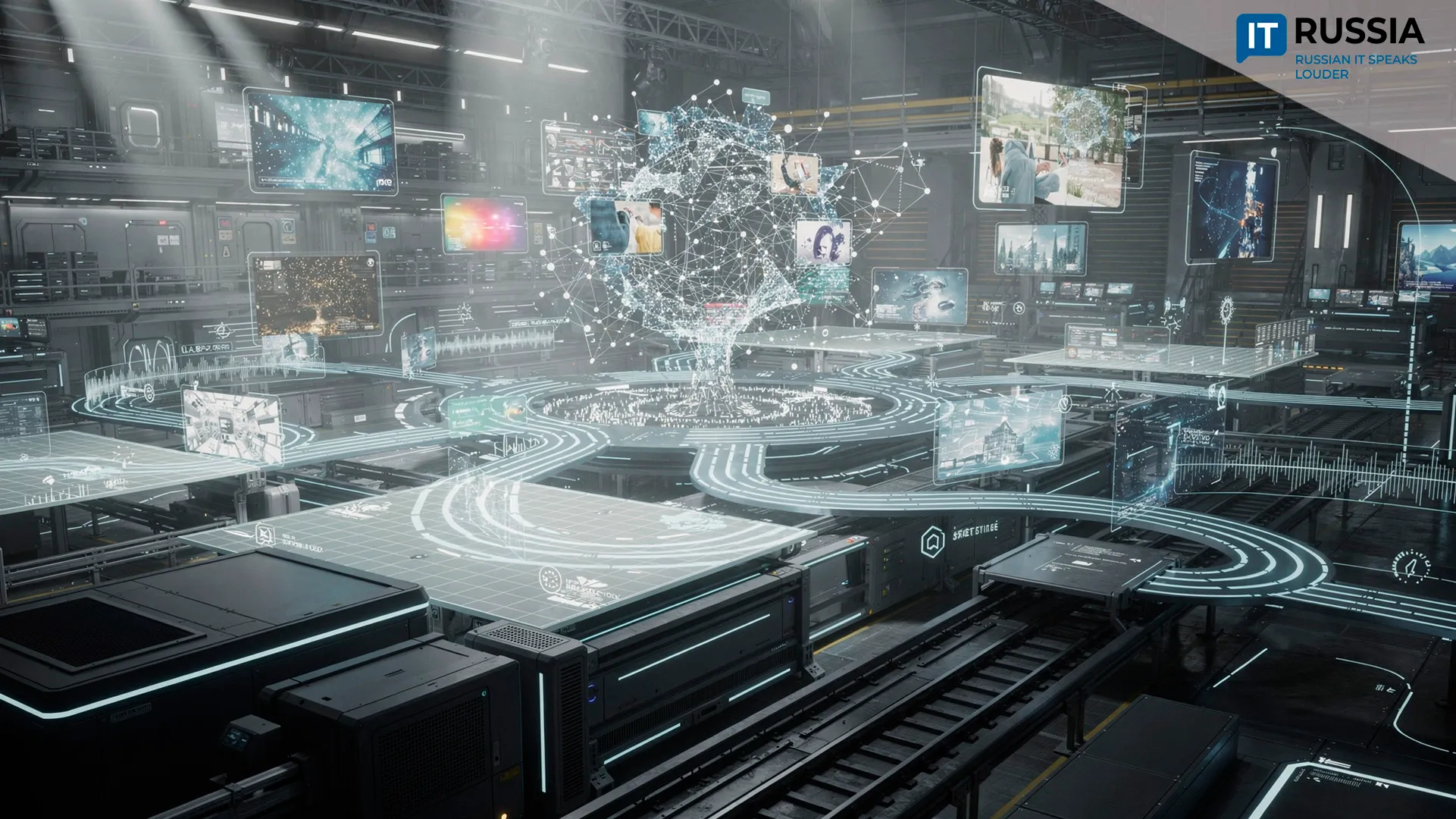
The new intelligent platform creates its own ecosystem for engineering creativity, speeding up how domestic alternatives are developed and breakthrough technical solutions emerge. Its developers, working with the Department of Chemical and Food Production Processes and Equipment at Volgograd State Technical University, have already used the system on real projects for companies in the Volgograd region. This work resulted in 19 patents, including for Volgogradneftemash, Volgogradkhimmash, and Concessions of Water Supply.
A Full-Cycle Technology Discovery Tool
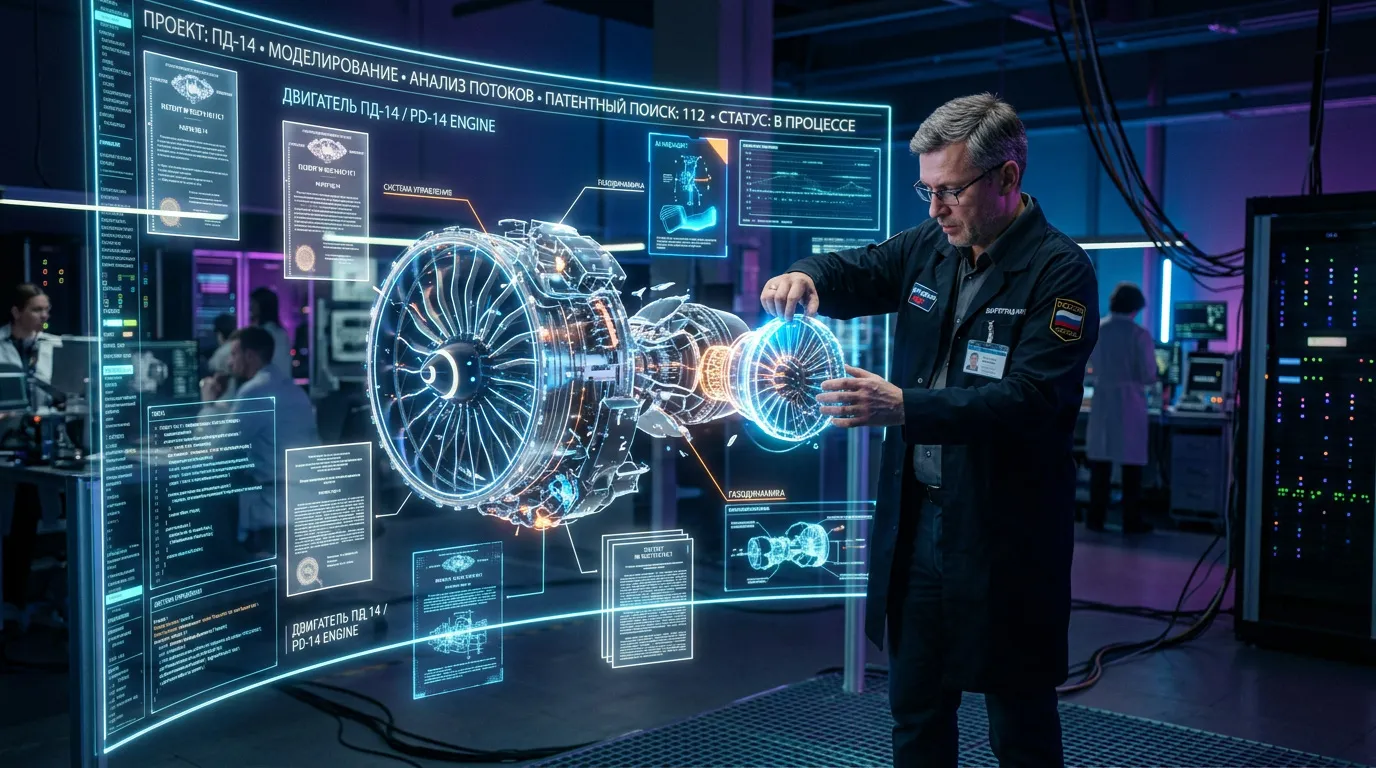
This is more than just another chatbot. The Volgograd team has developed an AI system that can analyze millions of patents from global databases, including FIPS, USPTO, CNIPA, EPO, and WIPO. Its algorithms extract device descriptions, chemical formulas, and physical effects, helping engineers spot promising R&D opportunities and generate draft patent filings.
This is no longer a lab experiment. Working with university departments, the platform has already helped regional companies secure 19 real patents, marking a shift toward digitizing how engineering inventions are created.
Tech Intelligence as a Response to Sanctions Pressure and Workforce Challenge
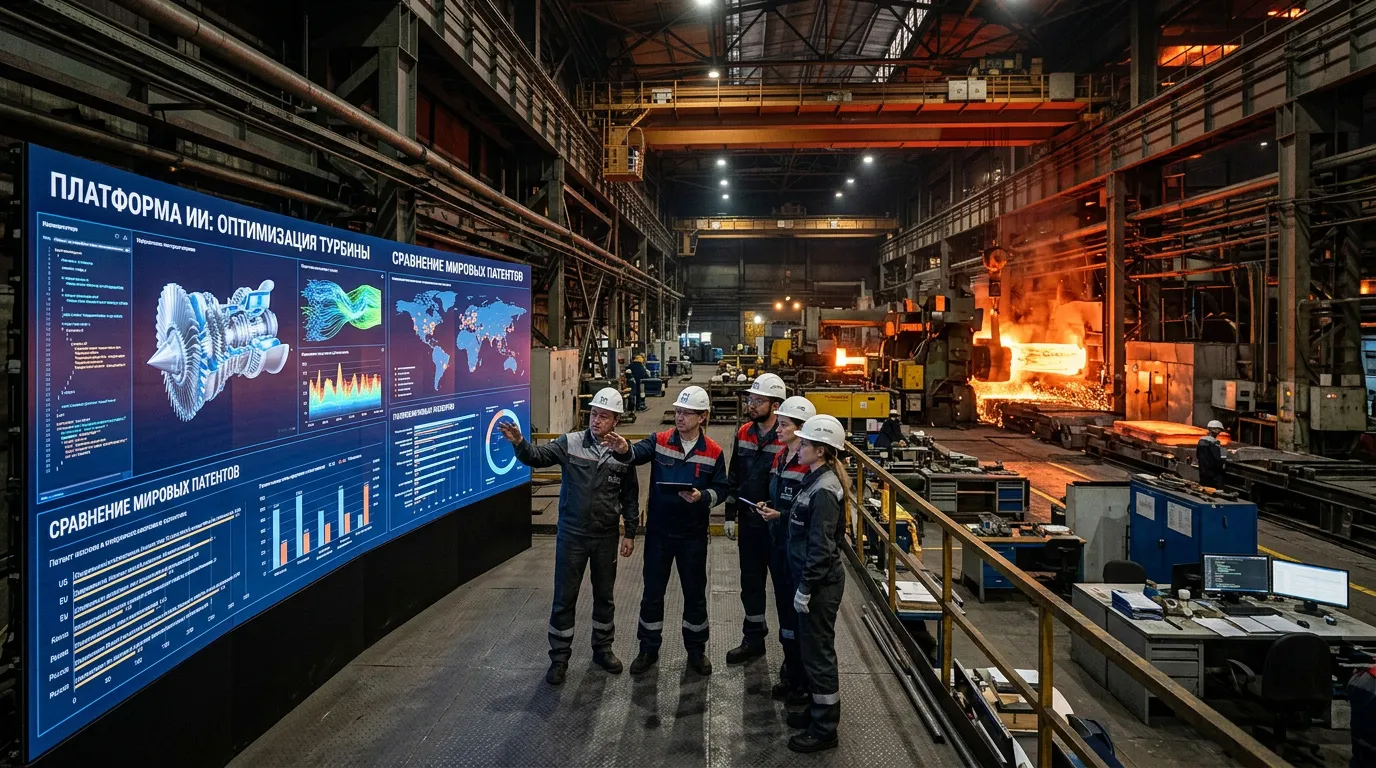
The developers frame the platform as a response to both talent shortages and external restrictions. Instead of copying foreign solutions, the AI scans global knowledge bases to identify untapped technological niches that can be legally protected and brought to market at scale.
Under ongoing sanctions, tools like this become part of a broader drive toward technological independence. The next step is straightforward: the platform is moving from university labs into design bureaus, engineering centers, and corporate R&D teams. The main challenge now is less technical and more organizational. Without full integration into real R&D workflows and IP processes, the system risks remaining a demonstration tool. At the same time, industry demand is already emerging, with companies ready to invest in faster import substitution.
Global Context and Local Strategy
The initiative fits into a broader global trend toward AI-assisted innovation. In 2024, WIPO released a major report on generative AI, and patent offices from Australia to Europe began rolling out NLP and machine learning tools for automated search and data structuring.
In Russia, this direction now has strong institutional backing. At the end of 2025, Rospatent and the Ministry of Digital Development announced plans for a national patent analytics system, alongside efforts to simplify protection procedures for IT solutions. The Volgograd platform does not replace federal initiatives. Instead, it complements them by offering a practical B2B tool at the intersection of heavy industry, academic research, and intellectual property management.

Where Industrial AI Is Heading
Over the next one to three years, systems like this are likely to grow faster than general-purpose office AI tools. The reason is simple: they address one of the most pressing challenges in industry – a shortage of engineers, tight timelines, and limited and fragmented access to global technology data.
In the most likely scenario, these platforms evolve into sector-specific services for manufacturing, chemicals, and energy. A more ambitious scenario would see the product exported as a technology foresight tool to markets such as the Eurasian Economic Union and BRICS.
If the Volgograd platform proves its value in further industrial deployments, it could become a practical tool where AI becomes a powerful catalyst for engineering creativity rather than replacing human expertise.