Game for Admission: Timiryazevka Launches a Career-Guidance 3D Quest
The AI Quest Timiryazevka project is designed for prospective students, helping them make informed choices about academic programs in artificial intelligence.
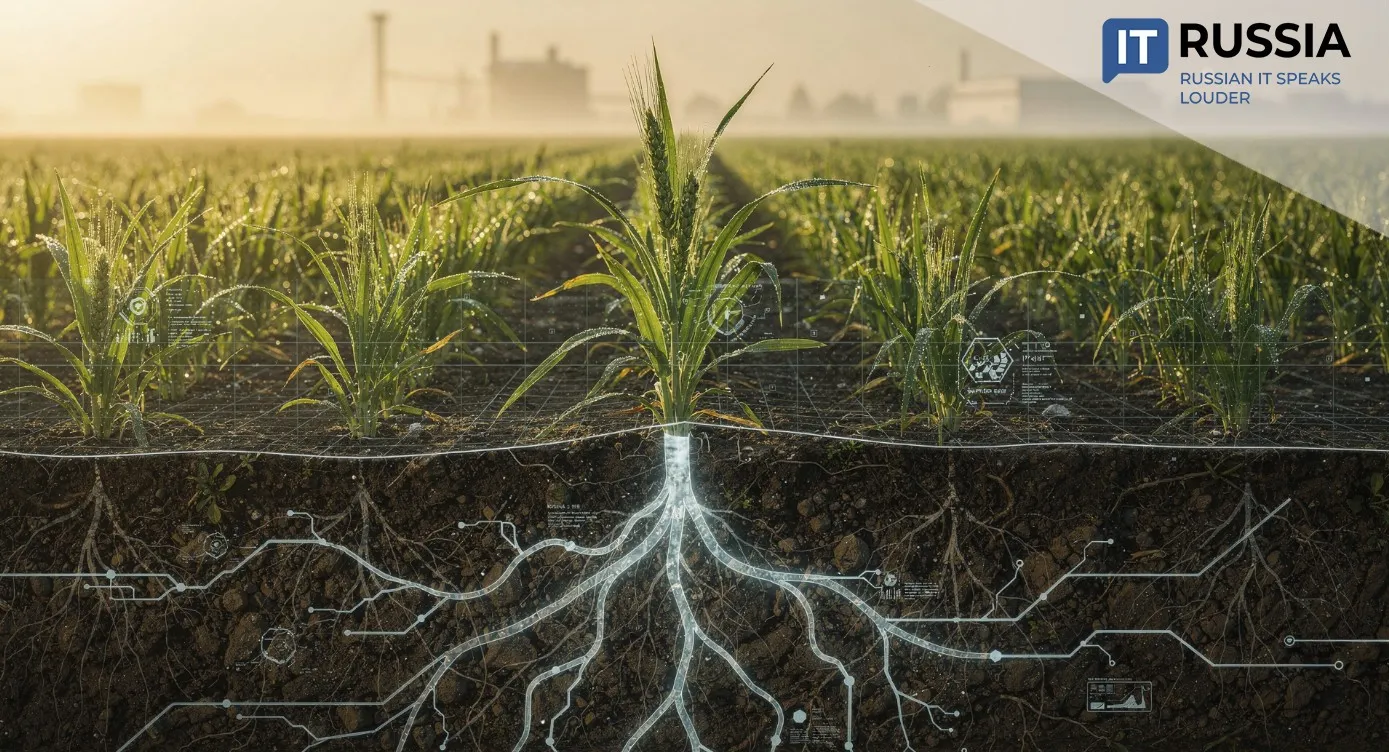
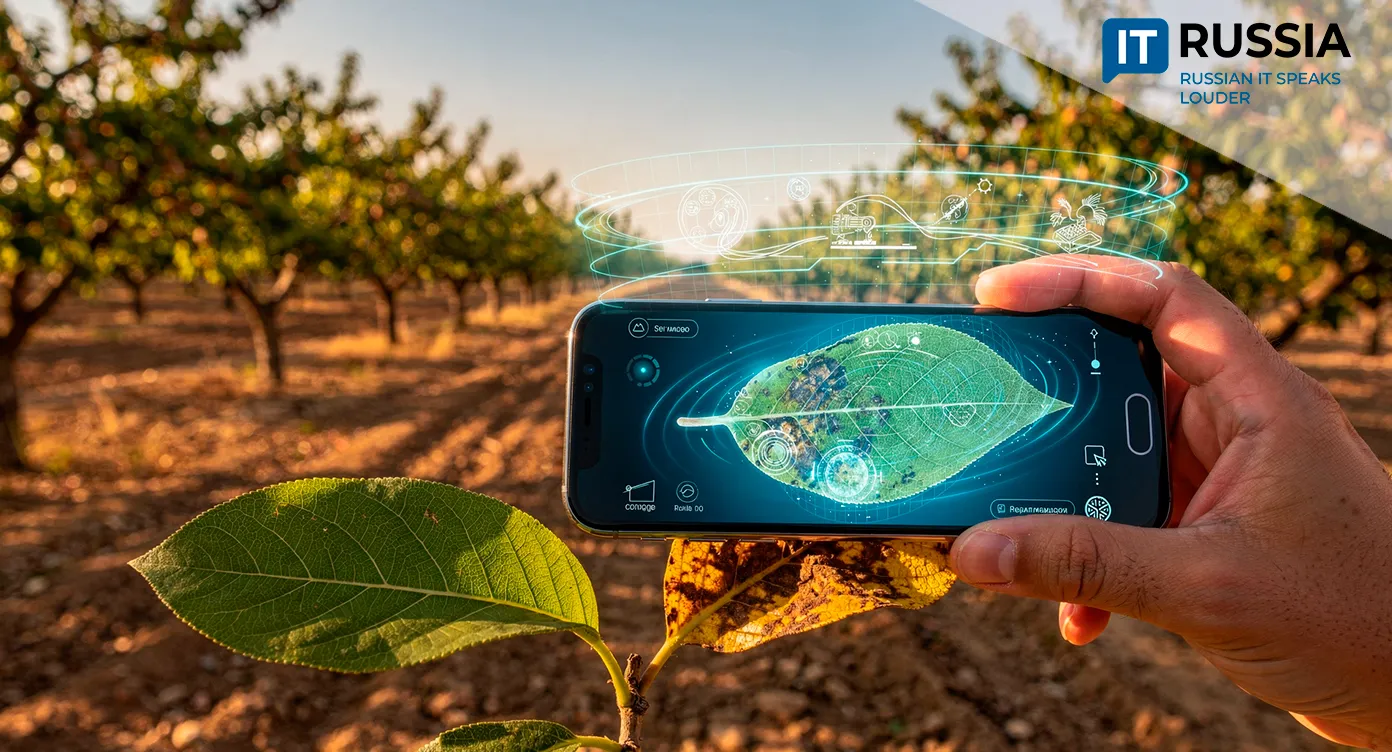
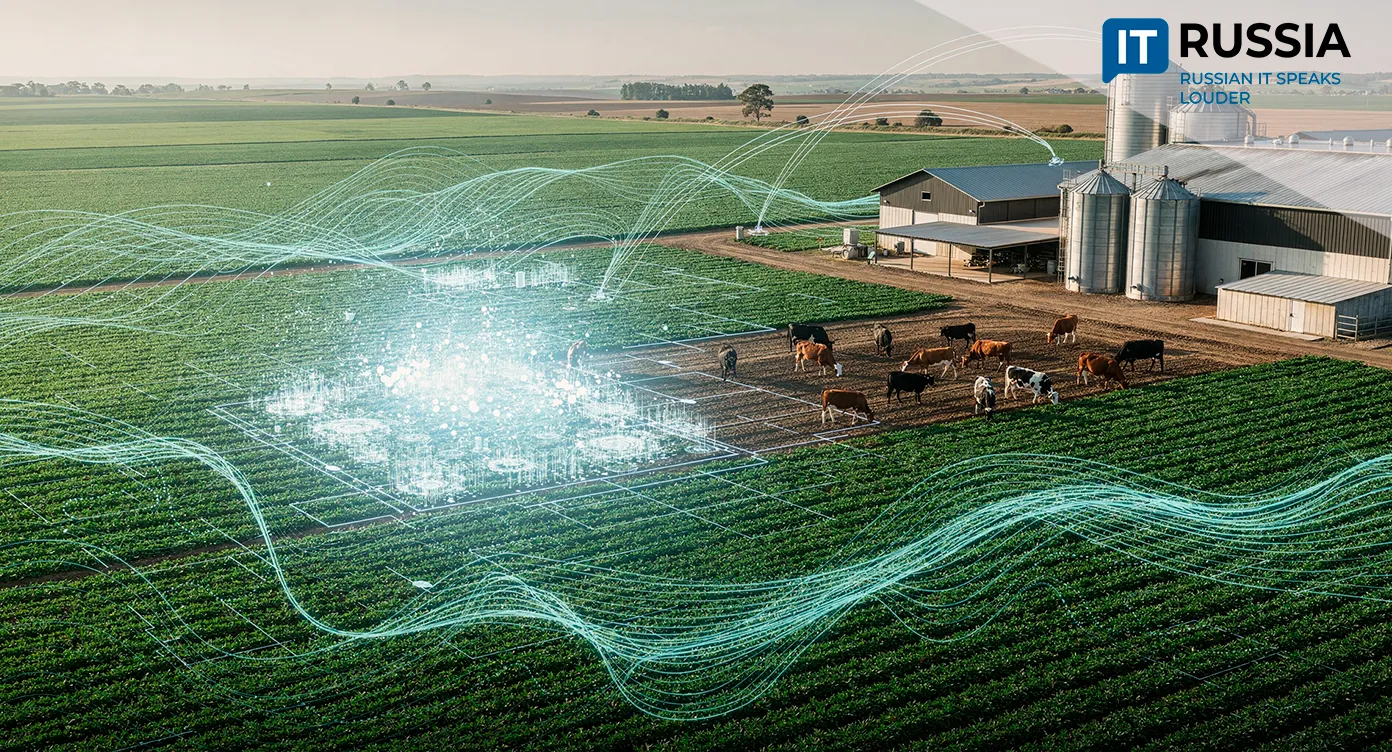
How often do you meet someone who understands how neural networks work and also knows why winter crops should be planted at a specific phase of the season? Almost never. Yet the economy needs exactly these kinds of professionals. Not just programmers who have never been in the field, and not just agronomists who avoid the command line. It needs hybrid specialists. This is where the Timiryazev Academy offers an unexpected solution – a computer game.
AI Cucumbers in a Neural Network Field
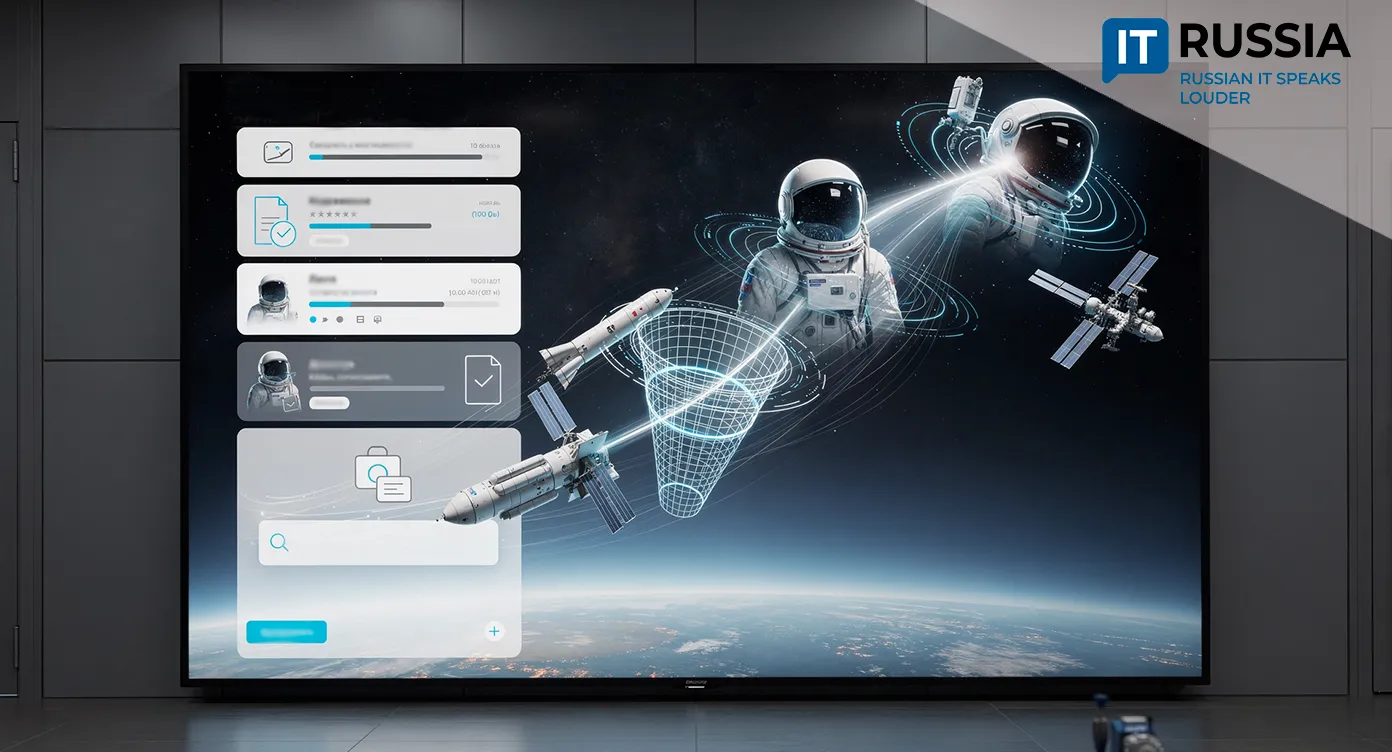
AI Quest Timiryazevka, developed by the Tsentr Proektnyy institut tsifrovoy transformatsii APK (Center for the Project Institute of Digital Transformation of the Agro-Industrial Complex), is designed around a human-centered approach. Users move through a scenario and receive not just general advice but a specific recommendation – one of four educational programs offered by the Center, ranging from Kompyuternye nauki i tekhnologii II (Computer Science and AI Technologies) to Programmnye resheniya dlya biznesa (Software Solutions for Business). They also see an immediate option to request a consultation. In practice, the platform guides applicants step by step before they even enroll. This approach reflects a broader challenge: digitizing farms, storage systems, and logistics is directly tied to food security.
The Russian government has made this goal explicit. Digital transformation in agriculture is expected to improve production efficiency, reduce costs, and strengthen distribution channels. In that context, AI is no longer a future-facing concept but a practical tool for forecasting yields and selecting agronomic strategies.
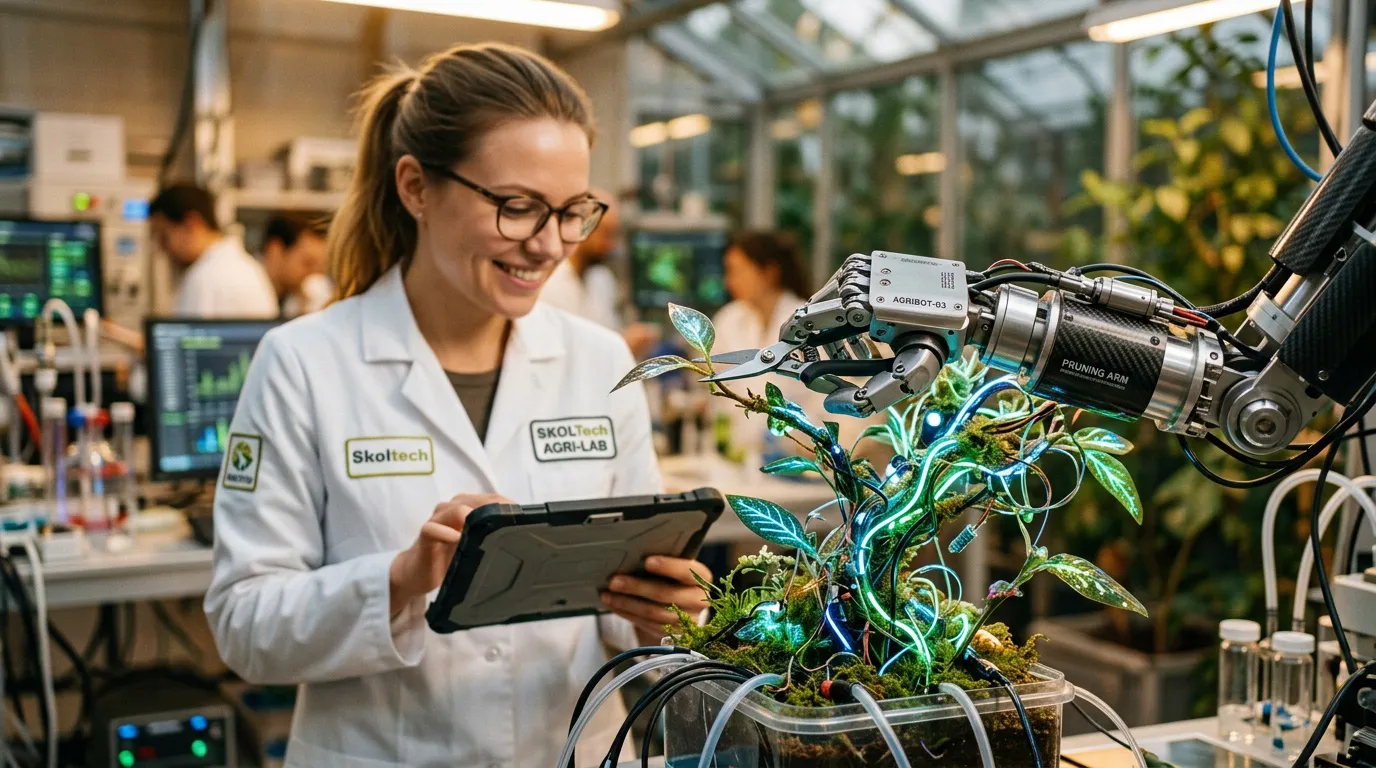
Why Guess When You Can Play?
The quest is the first step in a longer pathway. Career guidance leads to education, and then to project work with real employers. Timiryazevka is building this system deliberately. The university has already taken part in discussions on disciplined datasets with the Alliance in AI and joined a Ministry of Science and Higher Education working group on AI development. That means participants who complete the quest can enter an ecosystem where their skills are in demand.
For Russia’s IT sector, this shift matters. Industry-specific AI is becoming a standalone field. It also gives students a clear entry point into the profession, without abstract advice like “learn Python and see what happens.” Here, the path is concrete: entering the agricultural sector, where digital tools solve real-world problems.
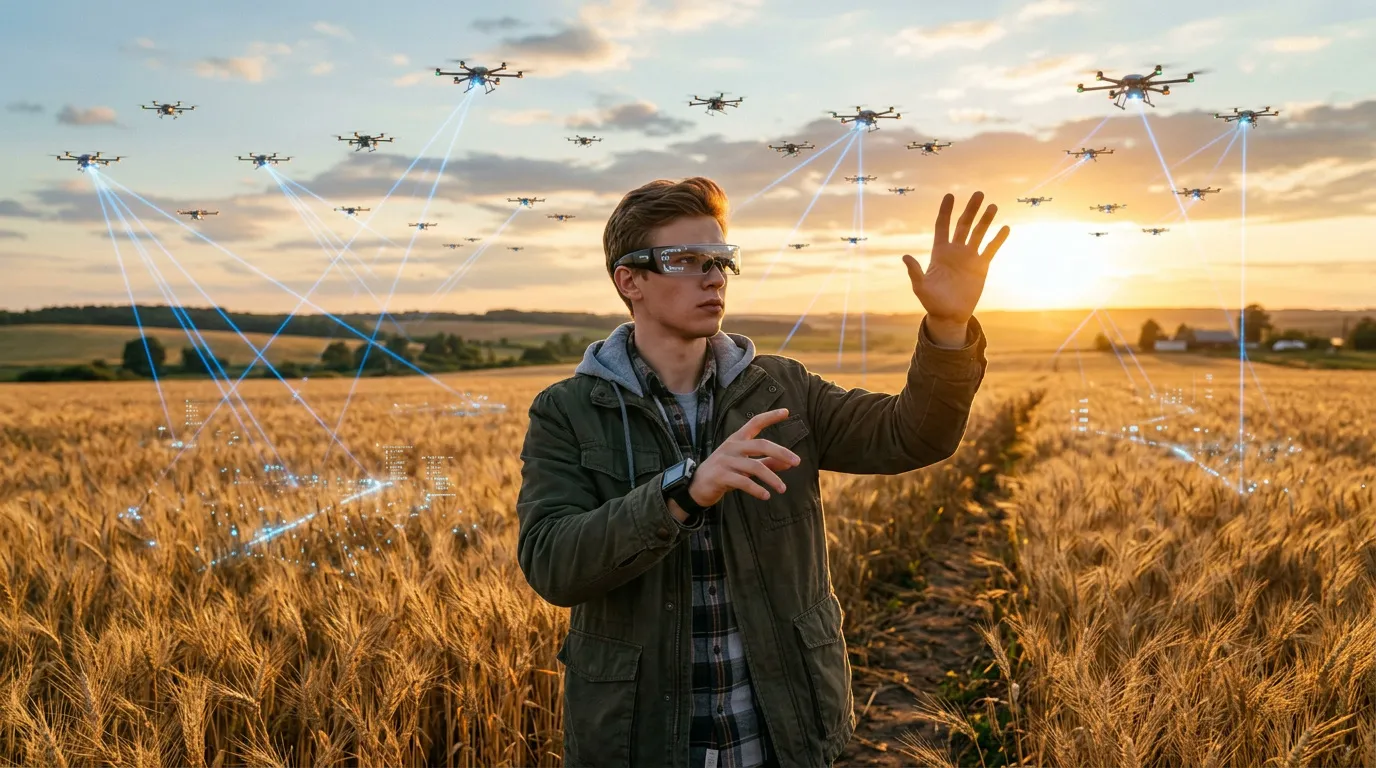
Harvesting Digital Skills
The Russian State Agrarian University has consistently shown that AI in agriculture is a serious direction. In 2025, Timiryazevka, together with the Alliance in AI, discussed building sector-wide data infrastructure and standardizing datasets. That work laid the foundation for the current quest.
Later that year, the academy gave strong momentum to student startups in AI. Competitions focused on applied agricultural projects, aiming not only to attract applicants but to turn students into engineers and entrepreneurs.
In February 2026, an expert intensive on AI applications in agriculture was held at Sber’s Shkola 21 (School 21), with participation from Timiryazevka. The university acted as a full contributor to discussions on how algorithms will manage agro-industrial processes.
Throughout this period, the government continued to strengthen its push for digitalization. Officials repeatedly emphasized that using AI for yield forecasting is not optional. Across the country, digital services were widely used during the admissions campaign. For example, the Nauka.rf (Science.rf) project extensively used interactive and quest-based formats to promote science in 2025. Against this backdrop, Timiryazevka’s initiatives are no longer optional experiments. They are part of economic policy, and students are naturally drawn to agri-tech as demand grows.
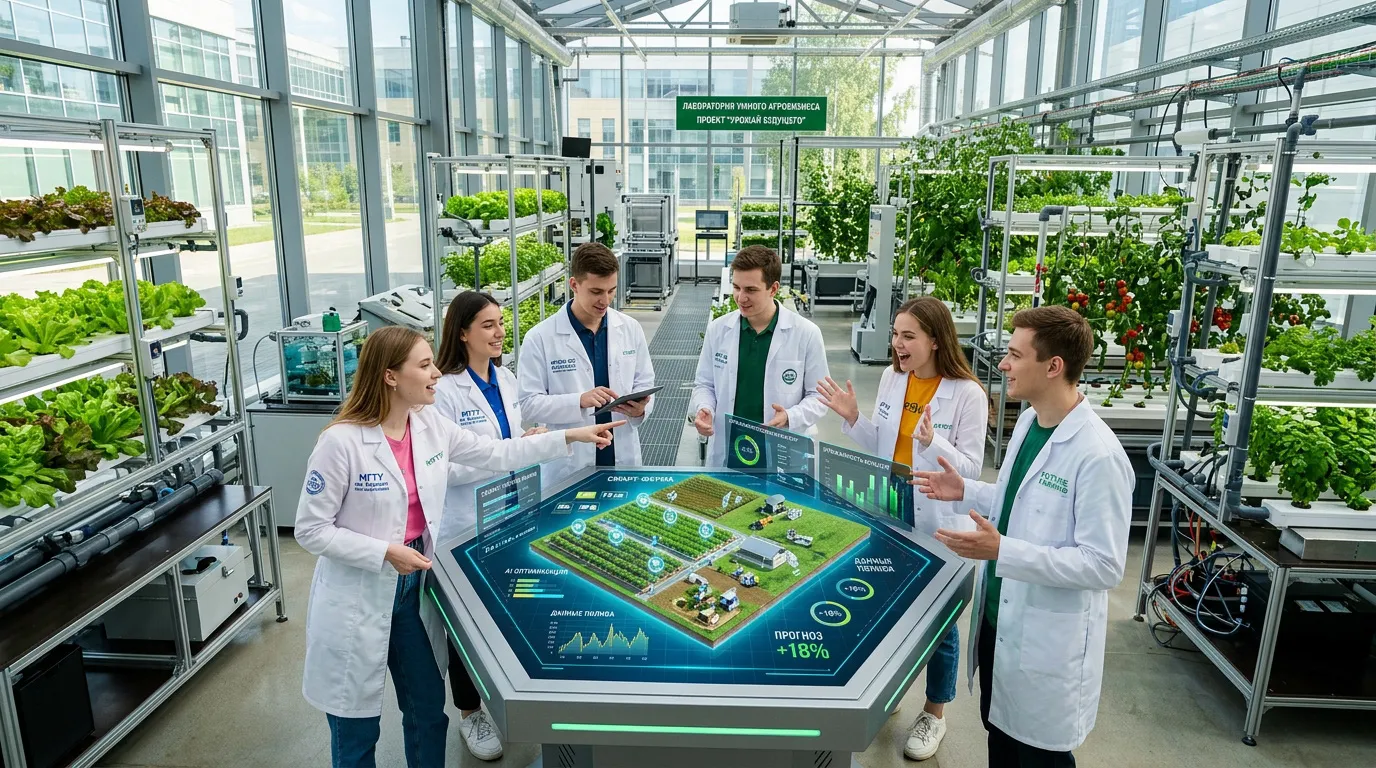
A New Model for Workforce Development
The next challenge is conversion – ensuring that those who try the quest actually enroll. If AI Quest proves effective, the model is likely to be replicated. Medical universities could launch similar tools for AI-driven diagnostics, transport institutions could simulate digital infrastructure management, and energy schools could focus on smart grids. This approach could redefine how universities engage applicants.
The next step is to link career guidance directly with employers, competitions, and personalized learning tracks. After completing the quest, students could move straight into internships at agricultural holdings or receive assignments for hackathons. Timiryazevka appears ready for this stage, having already hosted meetings with employers and discussions on AI solutions for distribution centers.
The broader goal is to build a scalable model for workforce development in the Russian economy. If this approach is packaged into a platform with measurable outcomes, it could attract interest from countries where agricultural digitalization is still emerging. The challenge of finding professionals who understand both machinery and neural networks is global. The Russian State Agrarian University named after K.A. Timiryazev appears to have found a way to begin solving it.