Fifty Shades of Practice: Novosibirsk Universities and Colleges Launch Fifty Industry-Backed IT Labs
Novosibirsk is building one of Russia’s most advanced education‑industry ecosystems, where universities, colleges, and IT companies co‑create hands‑on laboratories designed to accelerate workforce development

IT Companies Step Into the Classroom
Novosibirsk has increasingly become a region where IT specialists are not only trained but practically “cultivated at scale.” As Governor Andrey Travnikov noted, “Our goal is not only to strengthen students’ basic IT competencies but also to equip them with practical professional skills for rapid workplace adaptation.”
The region has built a network of 50 joint laboratories across universities and colleges, created in collaboration with local IT companies.
A new funding model drives this collaboration: large IT companies with more than 100 employees and annual revenues exceeding about $12.7m must allocate at least 3% of the funds saved through tax incentives toward workforce training. This means companies are not simply “participating” — they are investing their own resources directly into education.
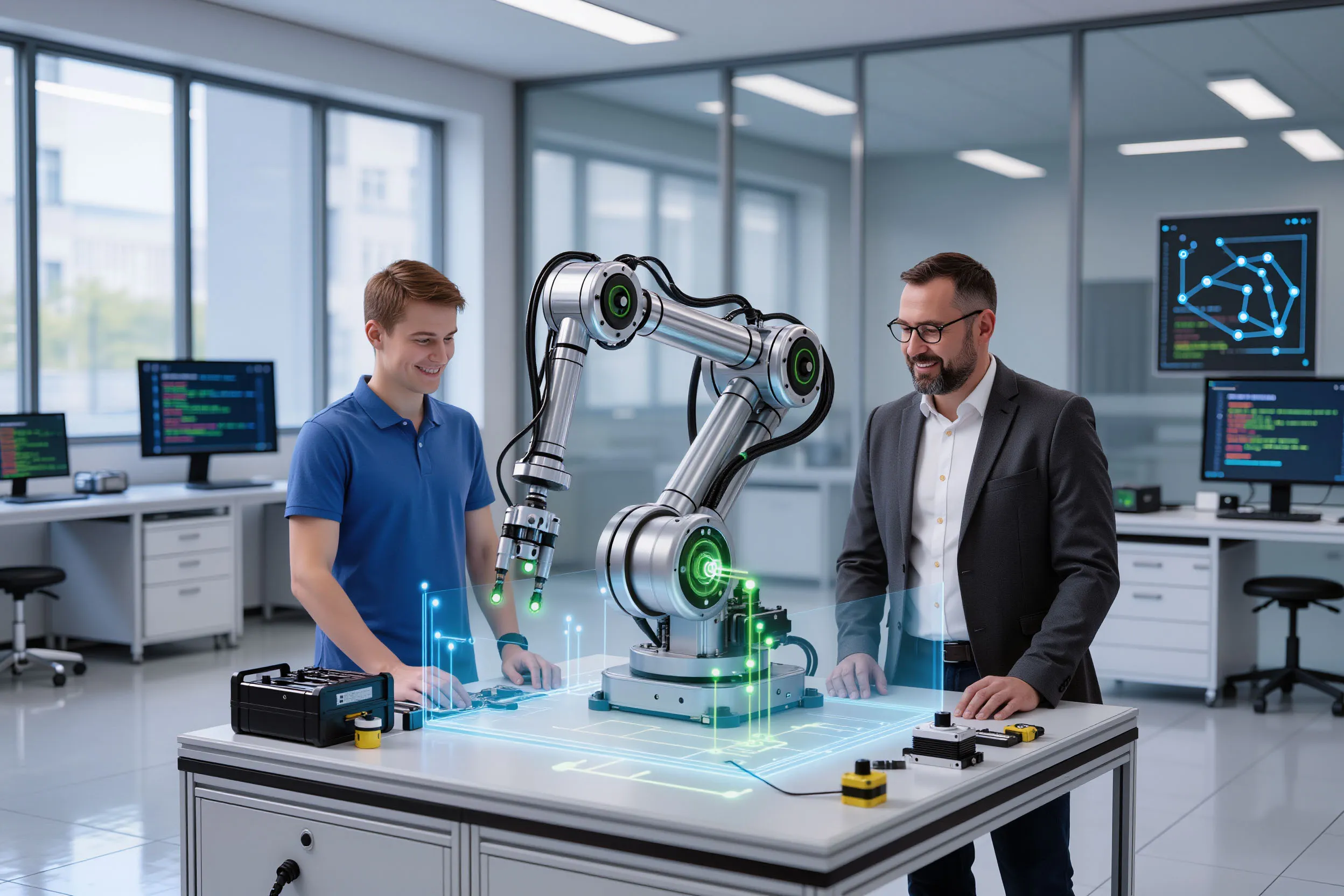
Firms supply equipment, engineers teach applied modules, and project tracks mirror real industry tasks. The demand is significant: more than 3,000 students pursue IT degrees across 10 universities and 14 colleges, and government‑funded seats in IT programs have grown nearly 30% over the past five years.
A Reinvented Career Pipeline
If the Novosibirsk model proves resilient, it could become a blueprint for other regions. Its logic is straightforward: companies receive tax benefits — and reinvest part of the savings into training the very specialists they hope to hire.


For businesses, this reduces onboarding time and ensures that graduates already possess the tools, workflows, and technical stacks used inside the company. For students, it transforms abstract “internships” into concrete career entry points.
More internships, more real projects, more exposure to practicing engineers — and fewer cases of graduates leaving the region in search of opportunities. Instead, Novosibirsk grows its own talent and keeps it within the regional tech ecosystem.
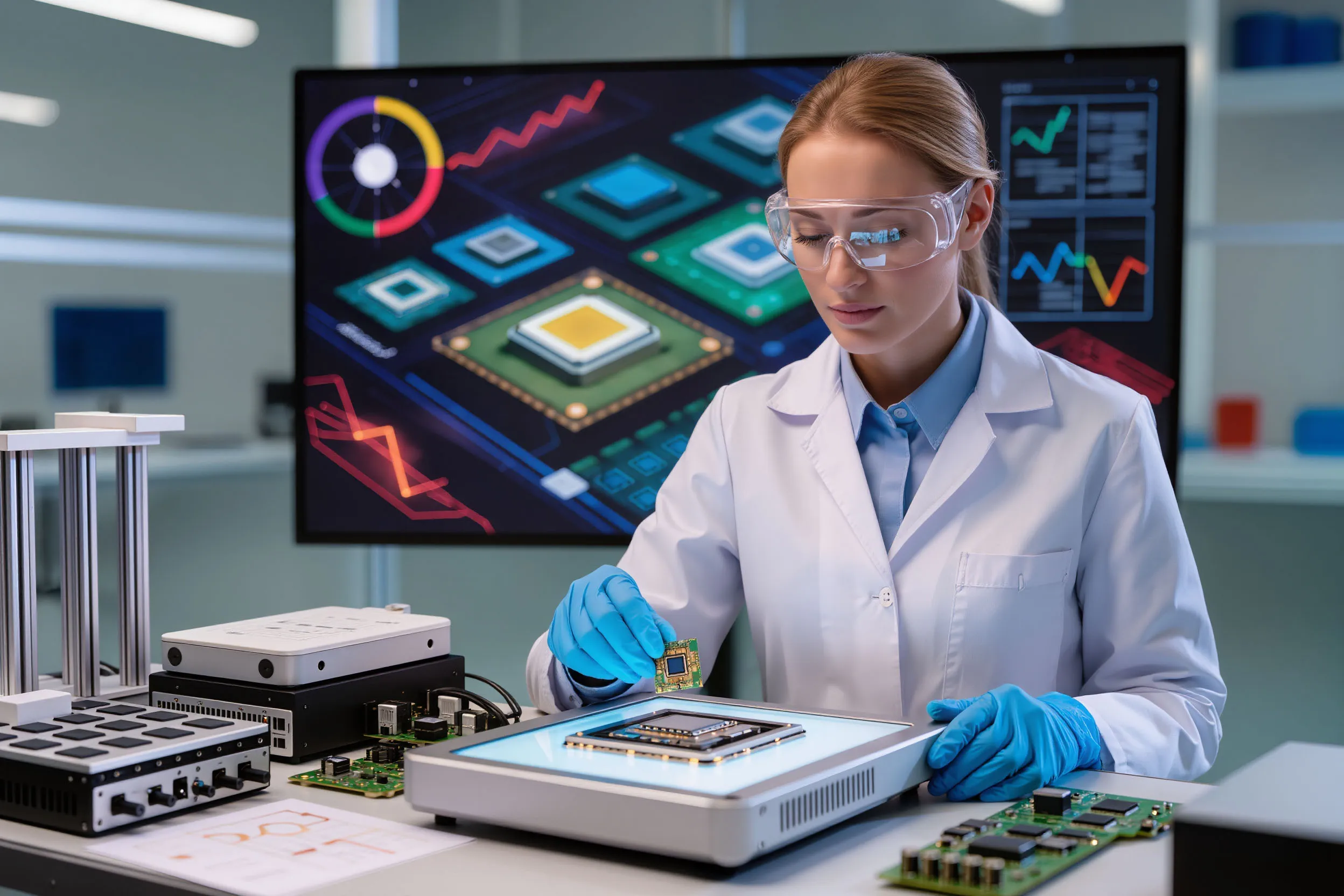
When Industry Becomes a Co‑Author of Education
Since the early 2020s, Russian IT companies have shifted from occasional campus engagement to maintaining permanent roles inside universities. They establish departments, open research labs, launch project centers, and help redesign academic programs.
As Ural Federal University Prorector Nikolai Khlebnikov explained in 2022, “Employers want the most qualified graduates, so they build partnership programs with us. Together, we run educational tracks such as ‘Peak IT’ and ‘Engineering Reconstruction,’ giving students essential industry competencies. This is a mutually beneficial process for everyone in the labor market.”
MIREA University demonstrates similar momentum: a game‑development course with VK, a collaborative center with Rostelecom, Big Data tracks with Samsung, and multiple joint projects with Rosatom. These are not isolated lectures — they immerse students in the tools, workflows, and thinking of major technology players.

Today, nearly one‑third of Russian universities offering IT degrees have “anchor partners” among accredited companies. Industry contributes funds saved from tax preferences, co‑develops courses, sends engineers to teach, and provides internships. The result is a shift toward IT education that is more applied, flexible, and aligned with market realities.
Where Parallel Lines Converge
Novosibirsk’s model demonstrates what true education‑industry partnership looks like. Graduates leave with competencies employers need immediately, while companies receive engineers who don’t require months of refinement.
The future trajectory is clear: laboratories evolve into dual‑education programs, internships expand, project‑based learning becomes dominant, and the region forms a stable talent nucleus.
The success of the initiative will depend on the durability of tax incentives, the engagement level of IT companies, and the adaptability of academic programs. But one thing is already evident: academia and industry are beginning to function as a single mechanism instead of two parallel lines.